Vintage Seiko Watches
Vintage Seiko spans an unusually wide range of mechanical, quartz, digital, and hybrid watchmaking from Japan and the wider world. Every listing shows the exact watch offered, photographed front and back, with new finds from Japan added regularly.
Read the detailed Seiko history514 Seiko timepieces in stock — page 4 of 6





















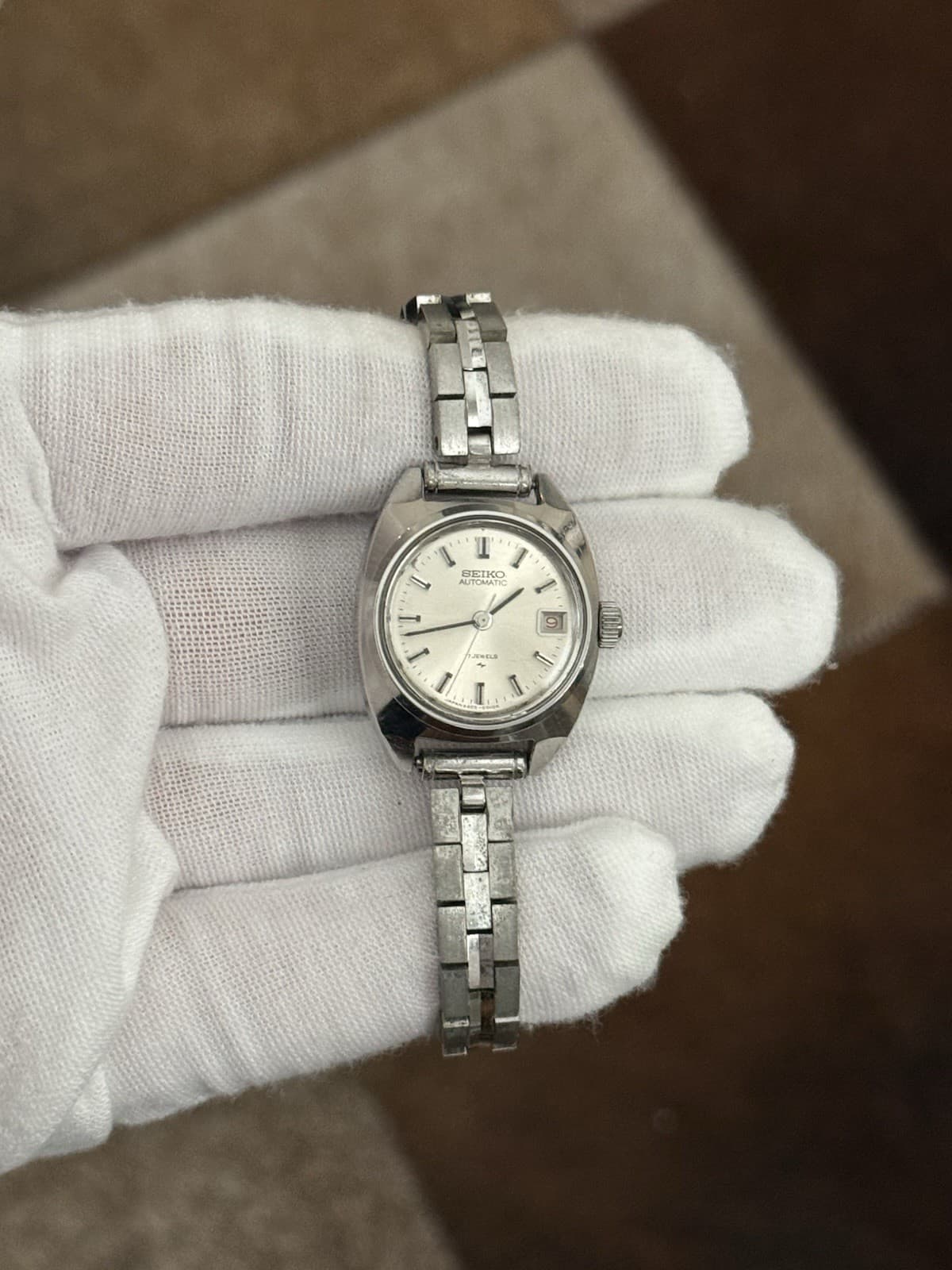

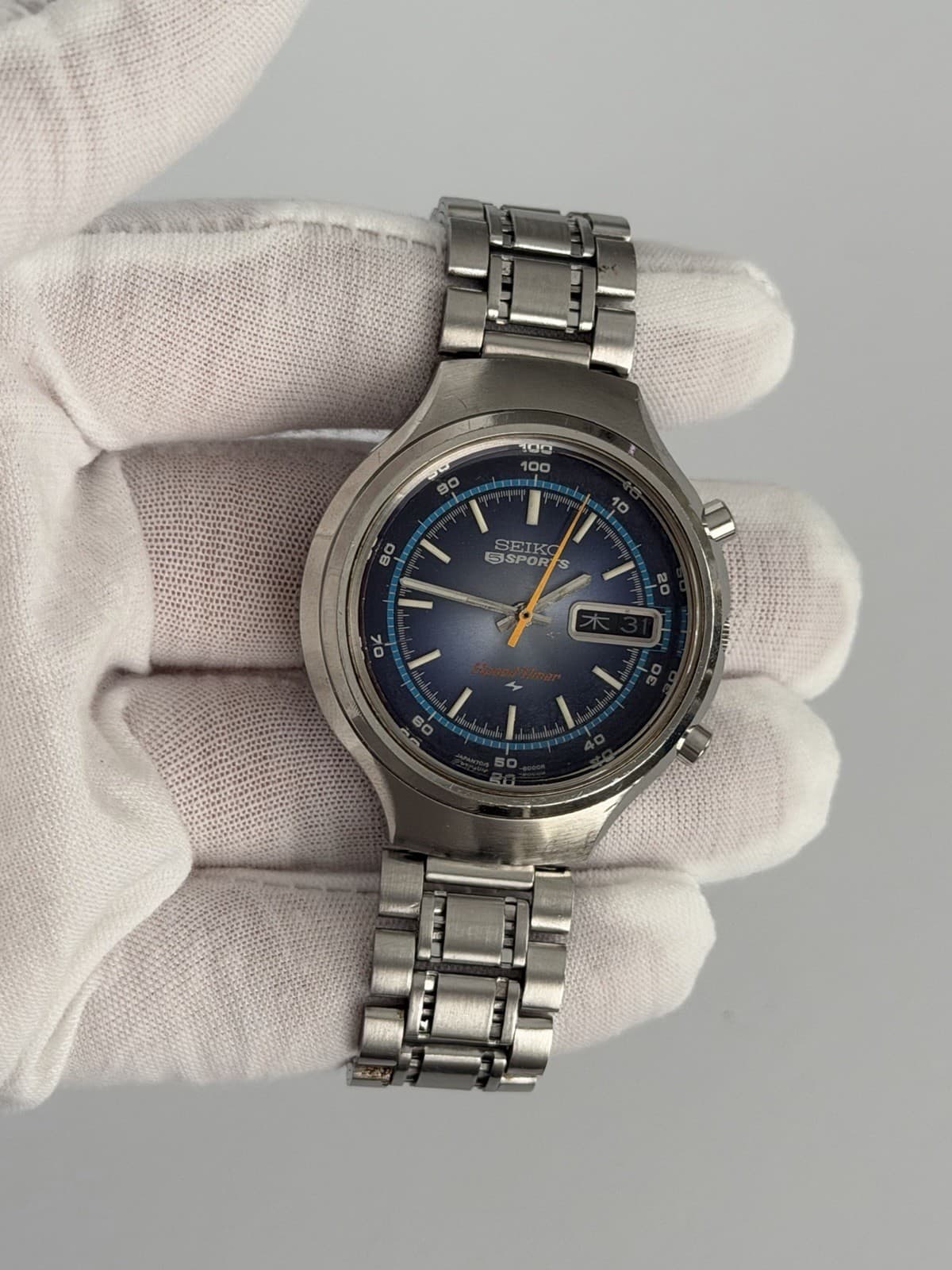
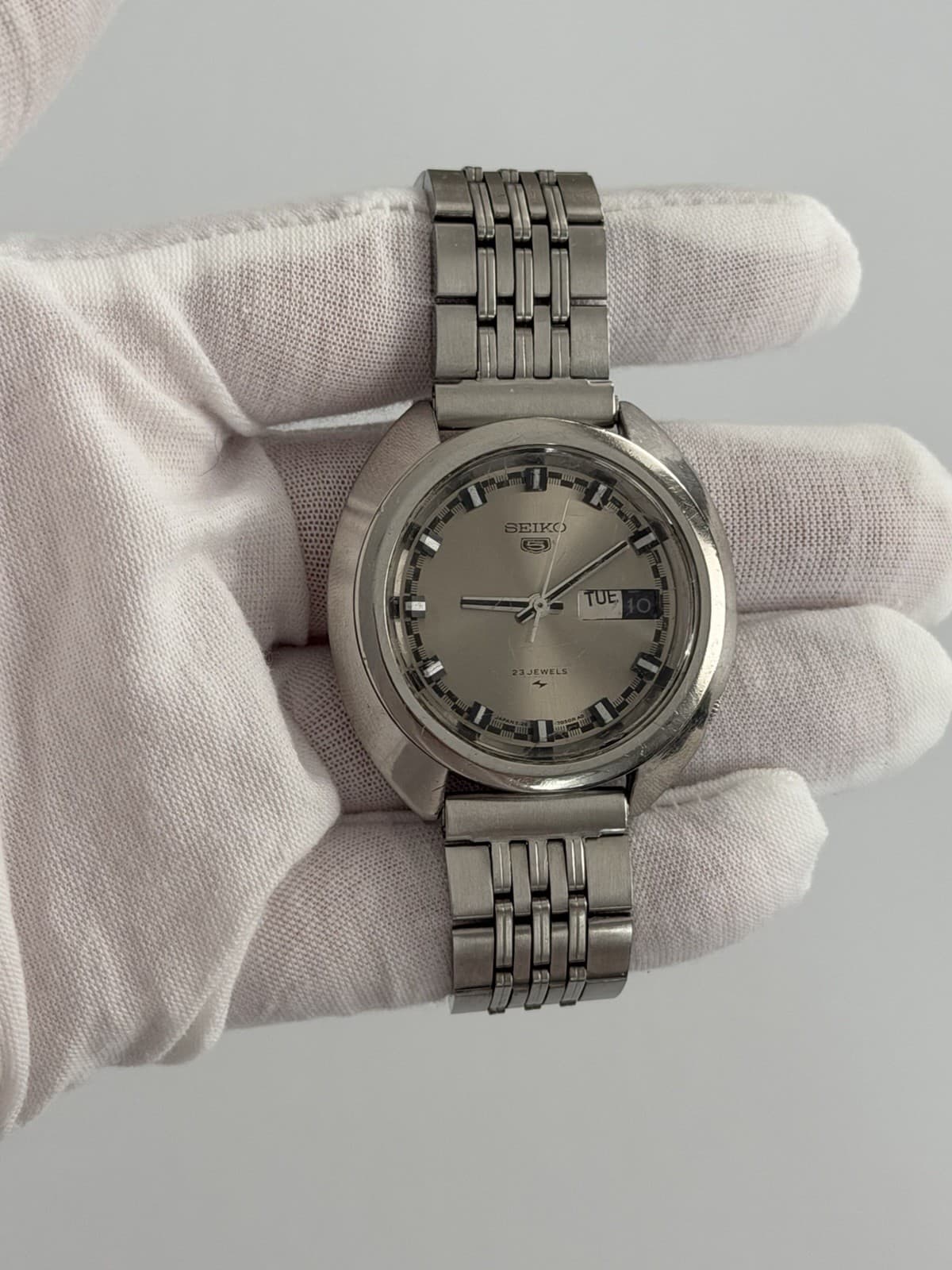
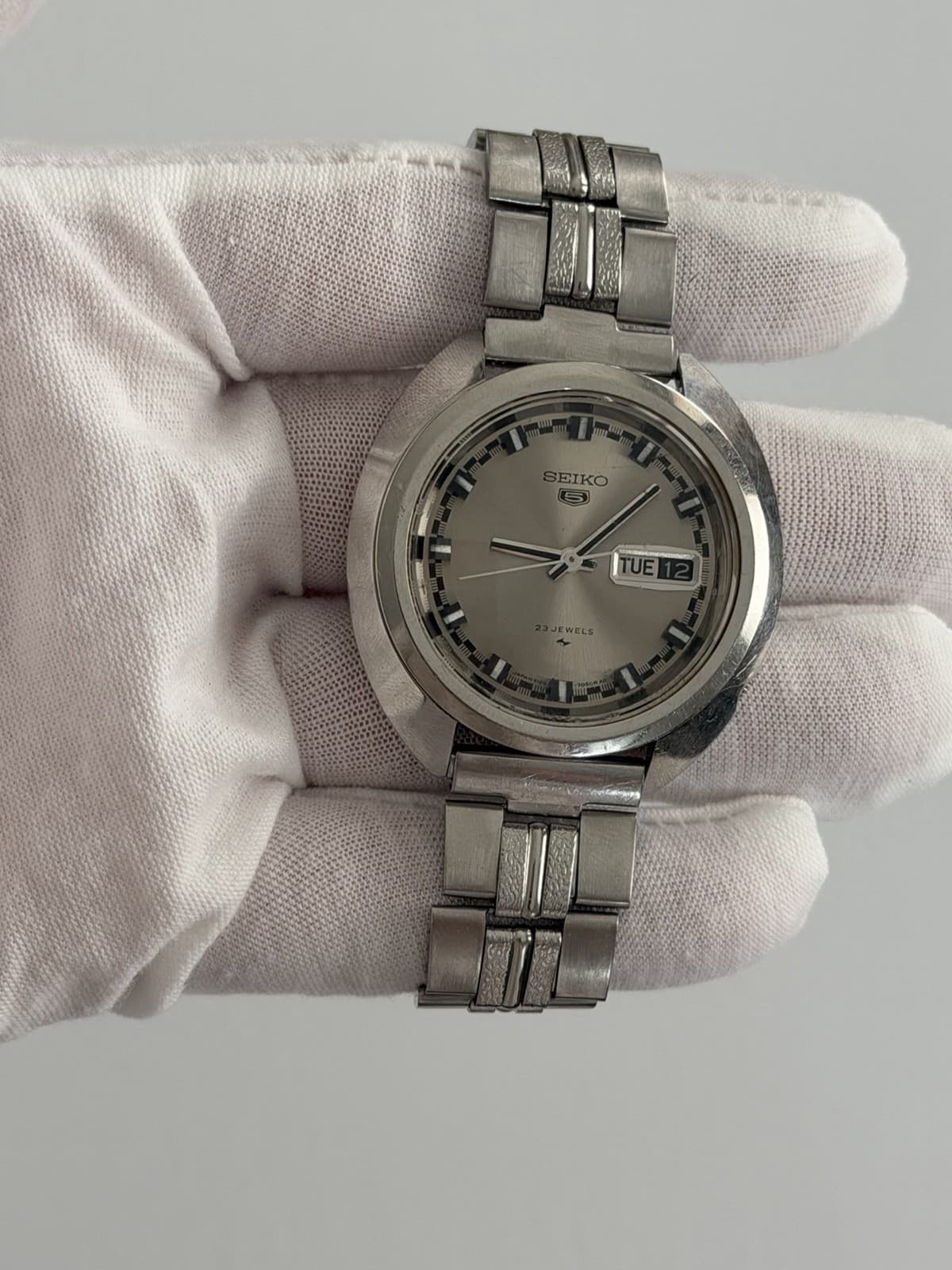
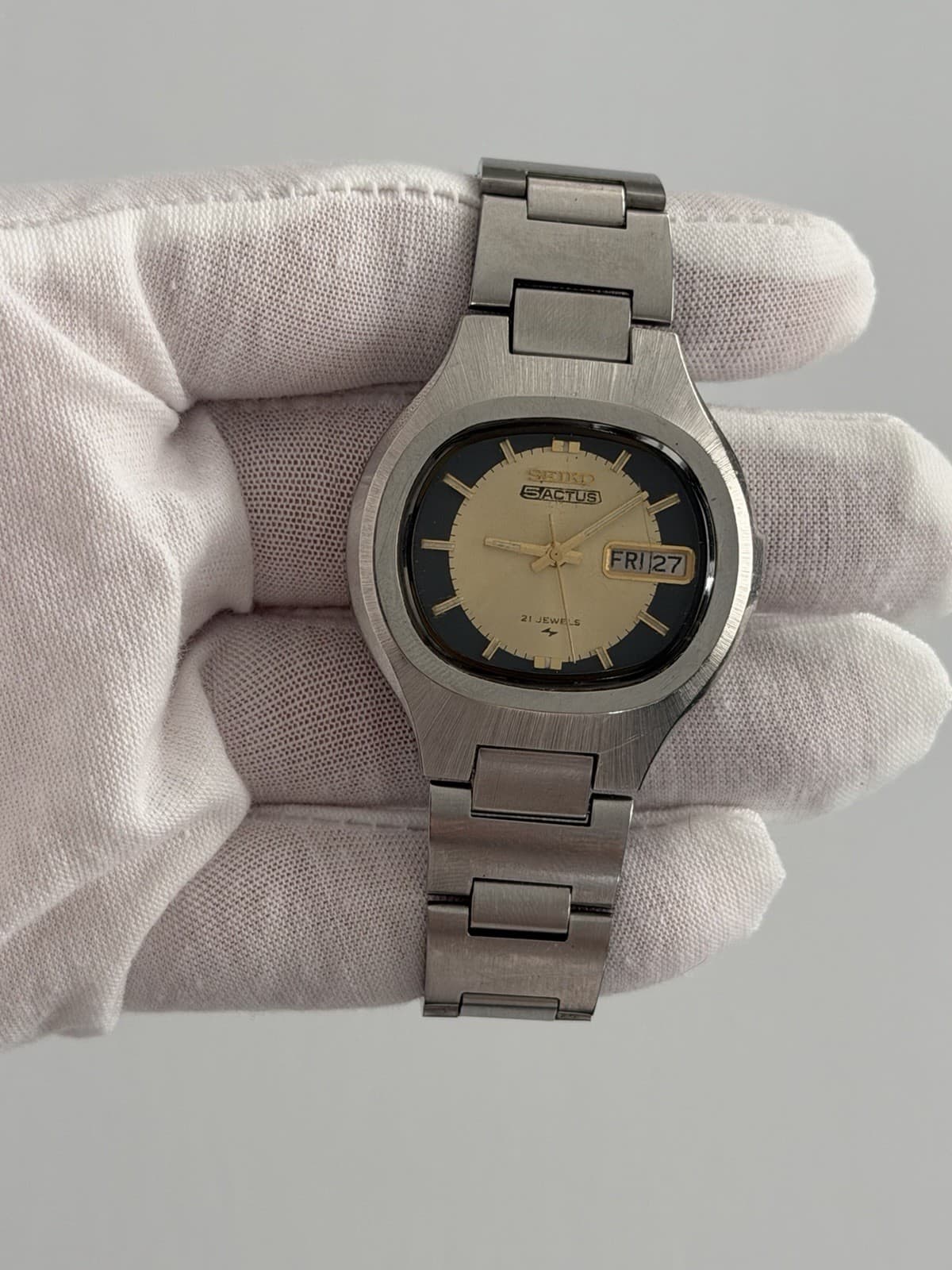
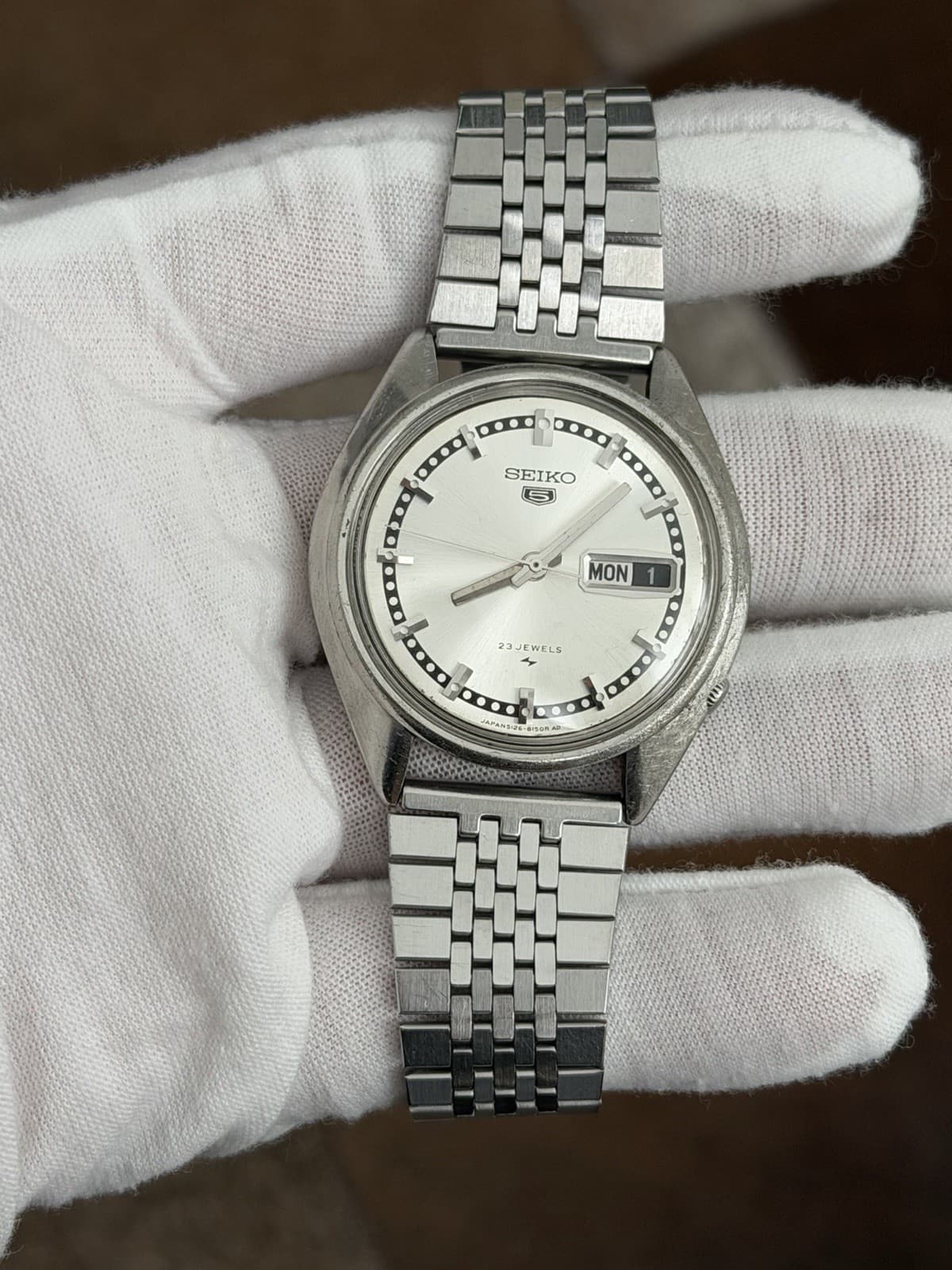
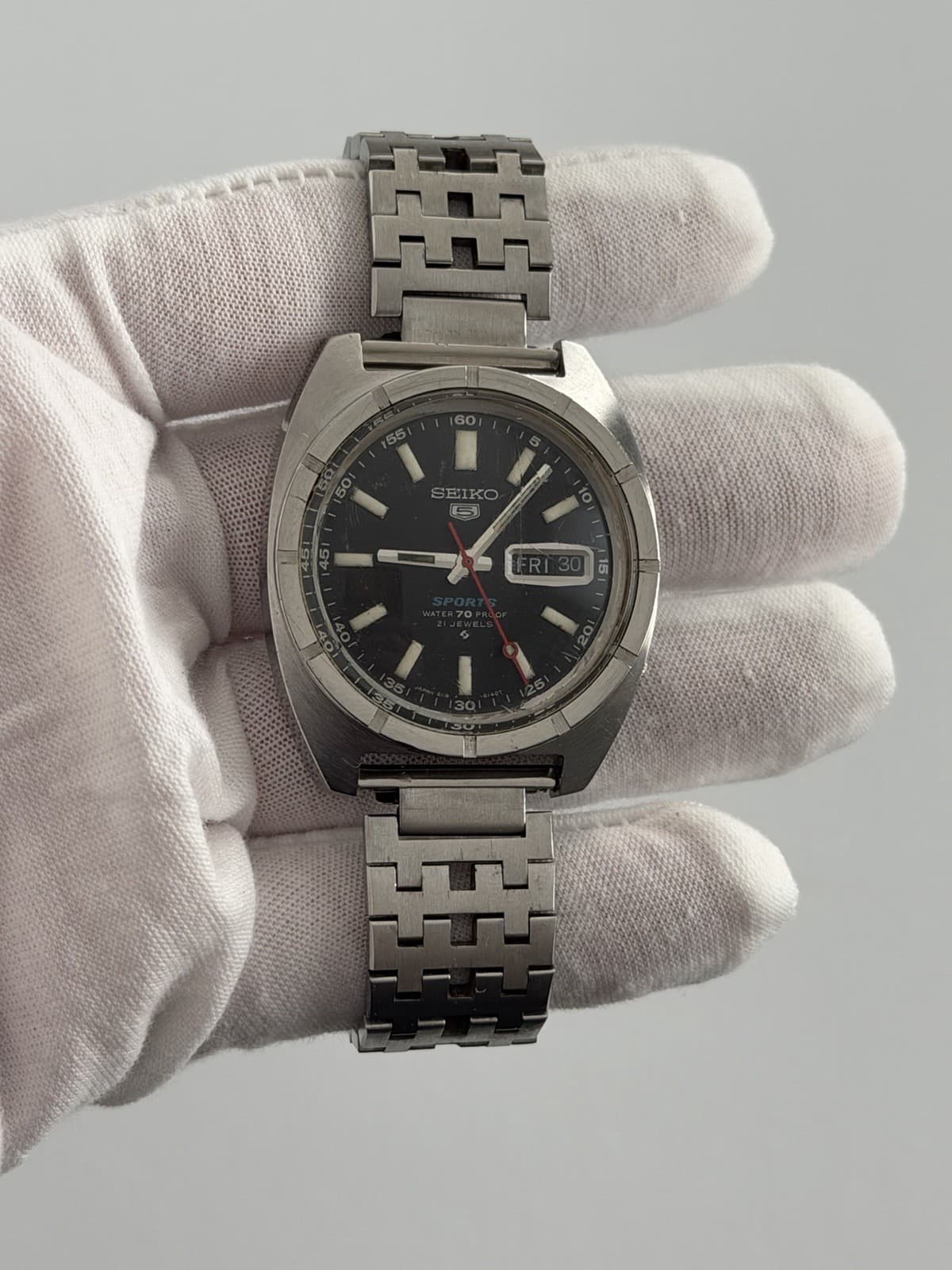
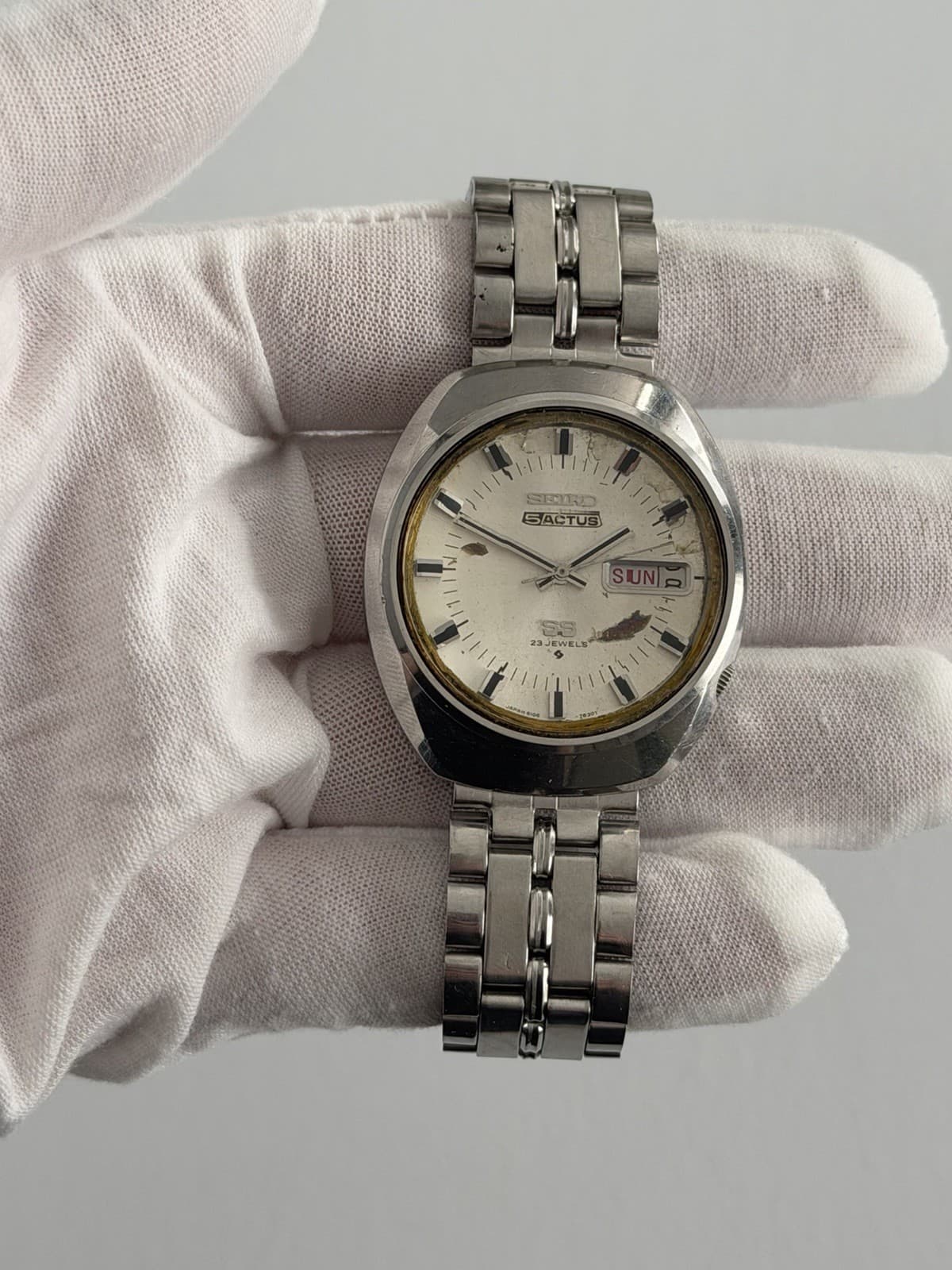


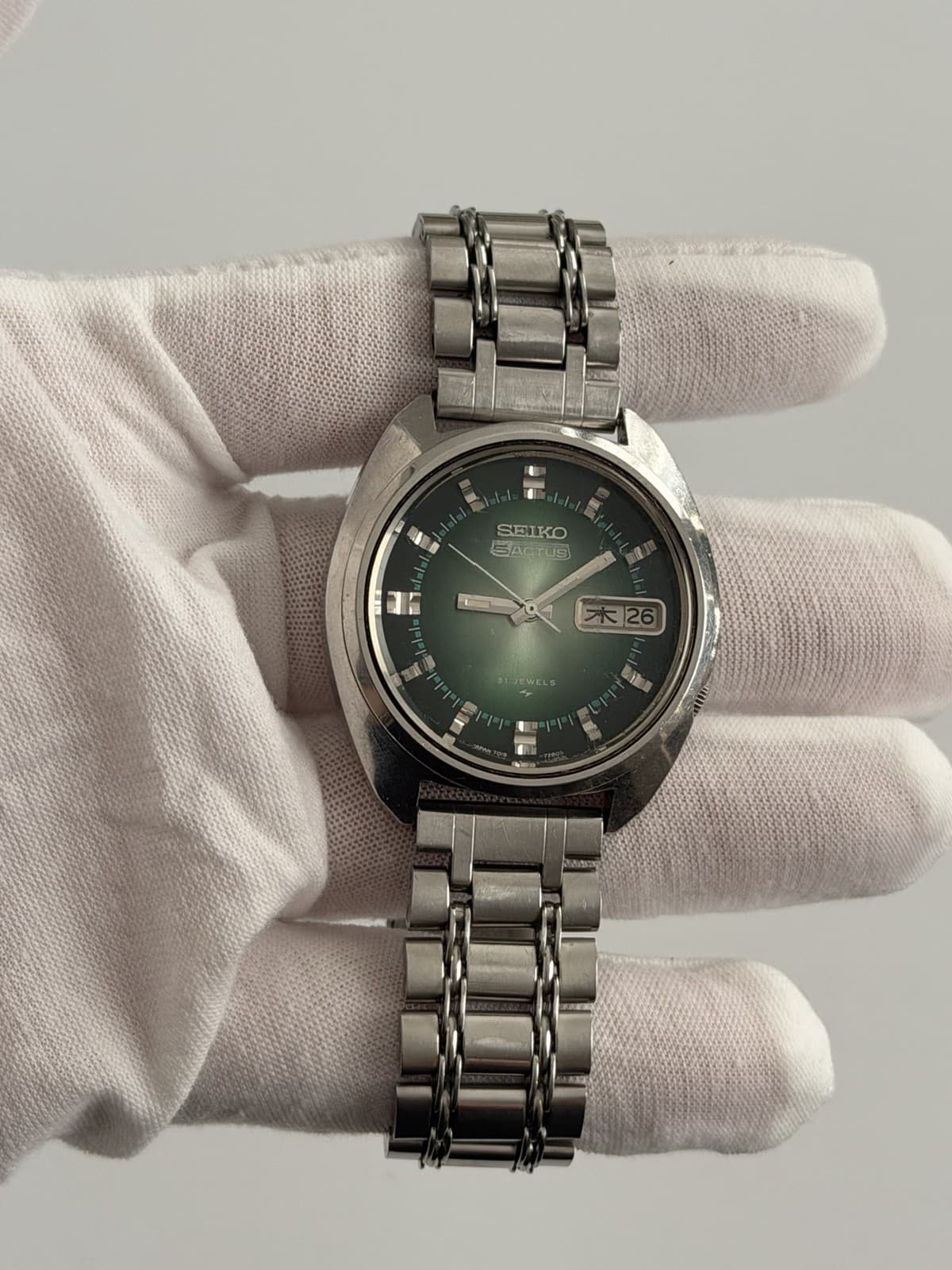
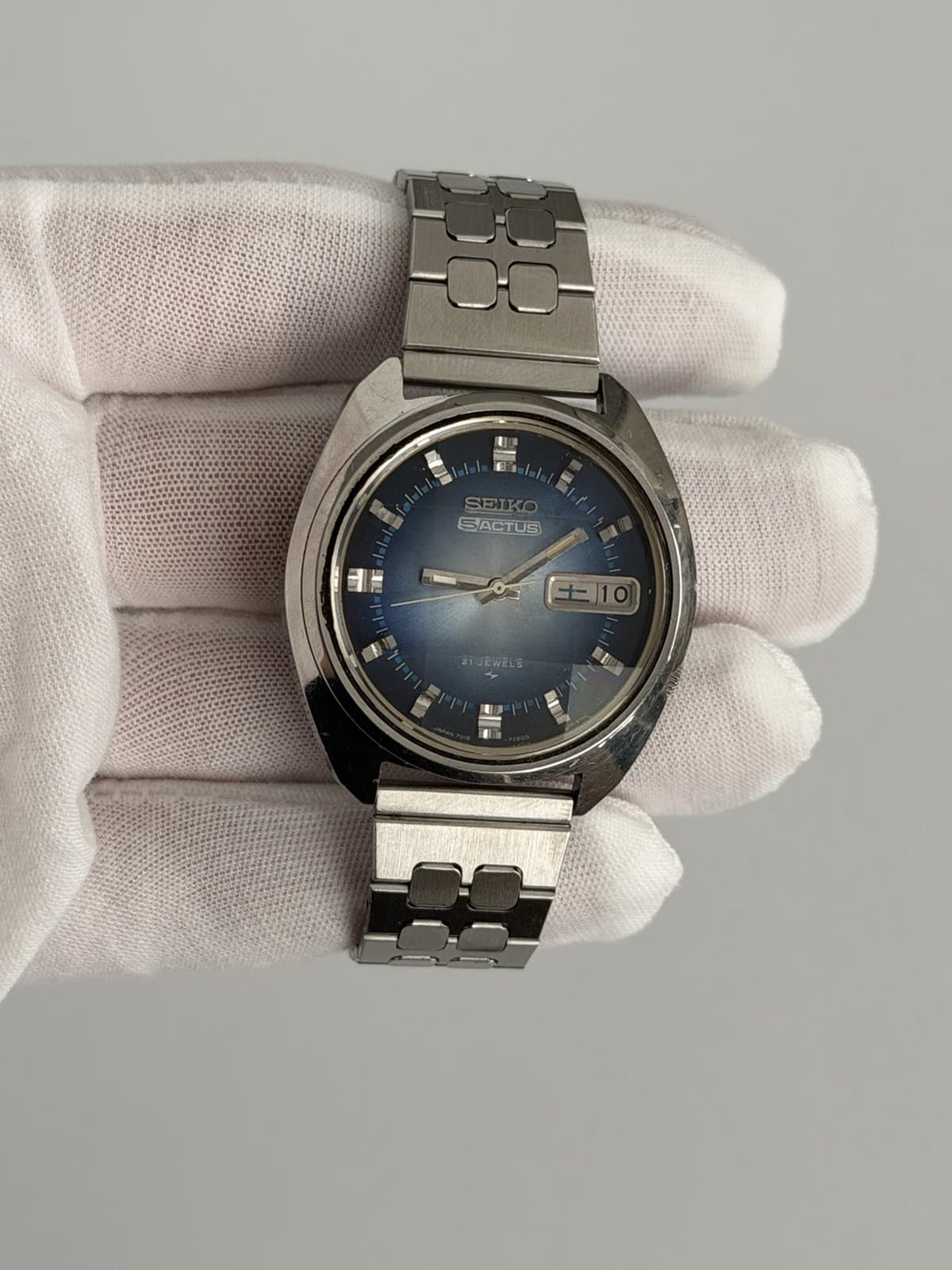


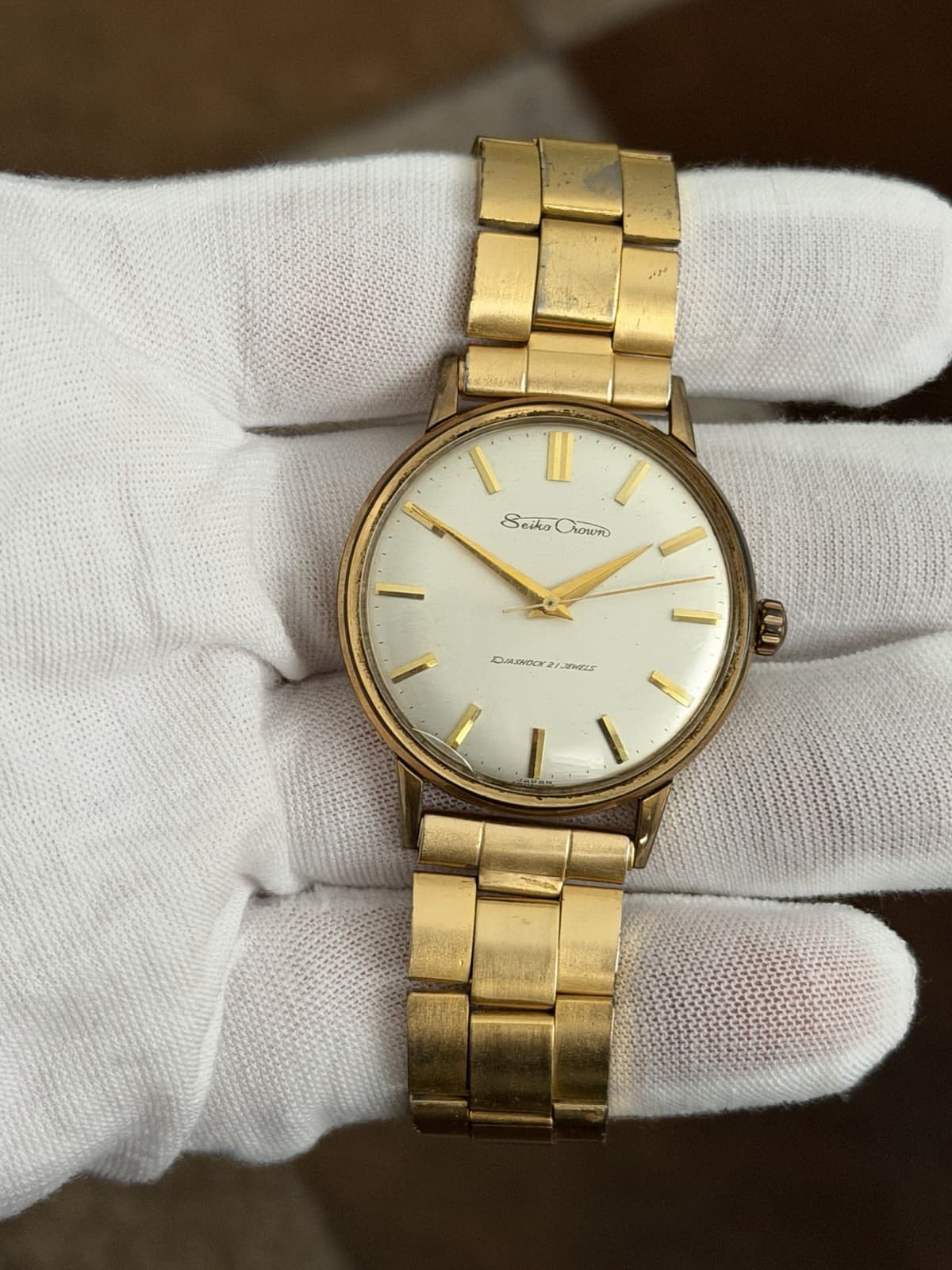


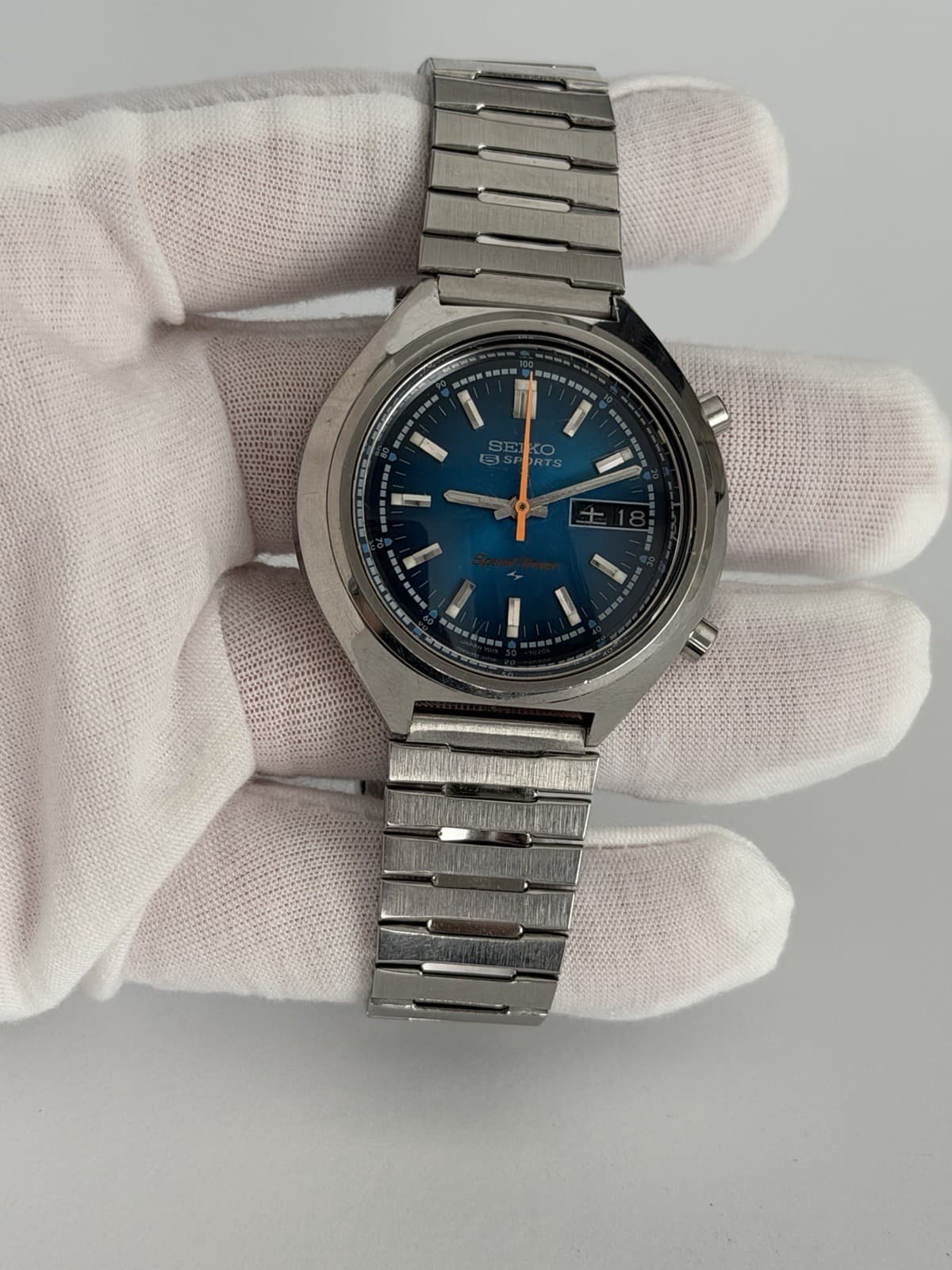
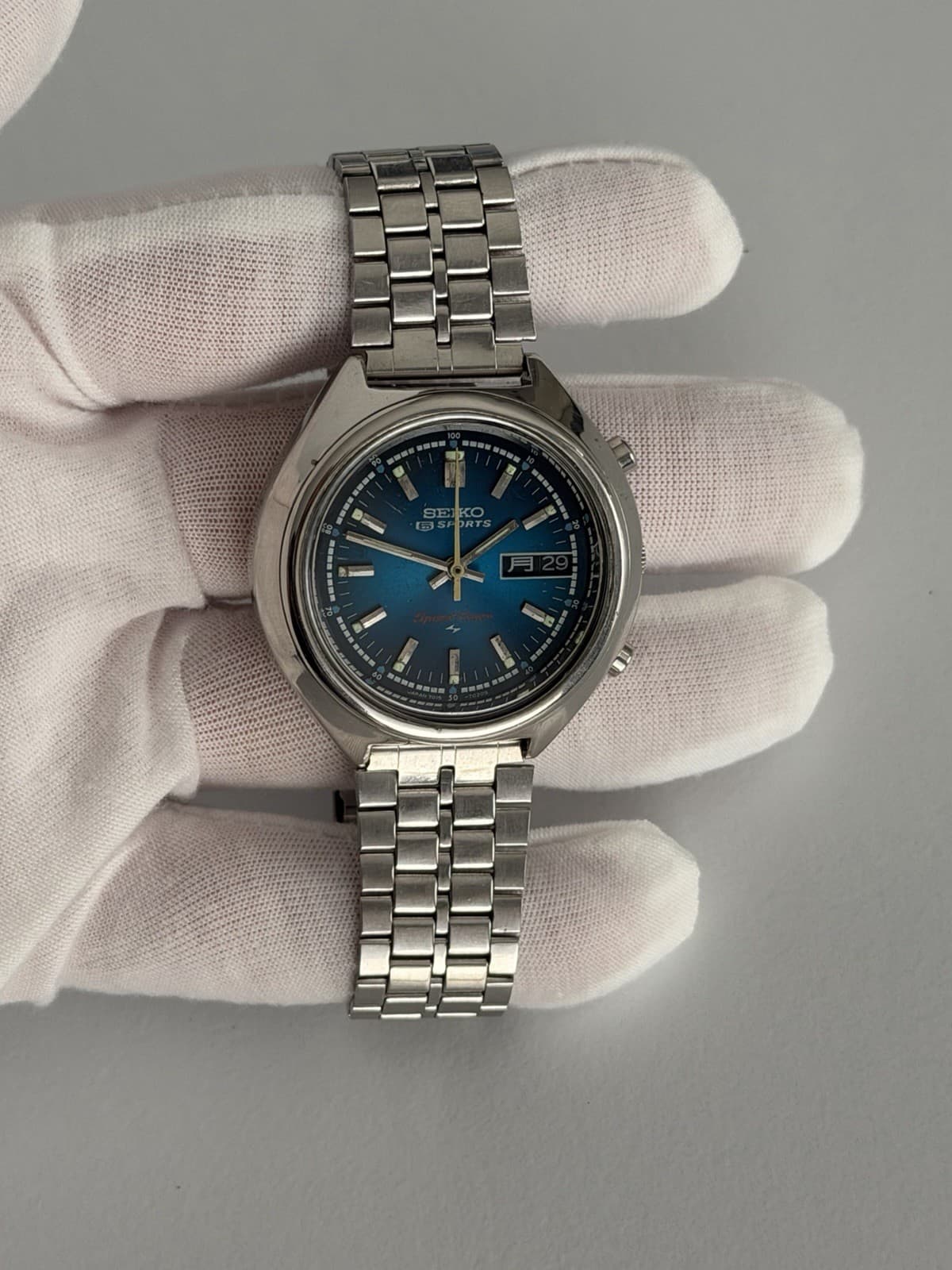
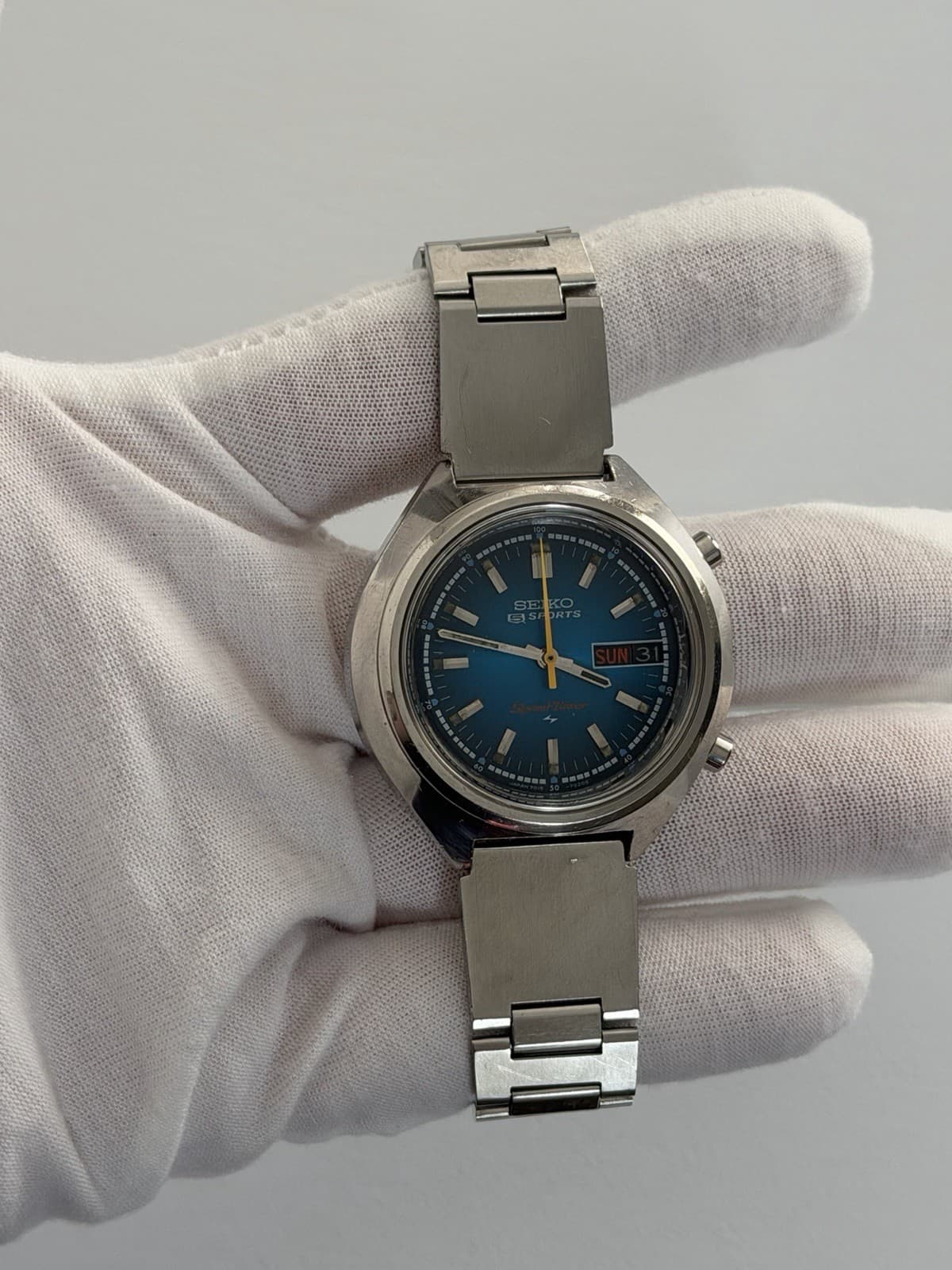
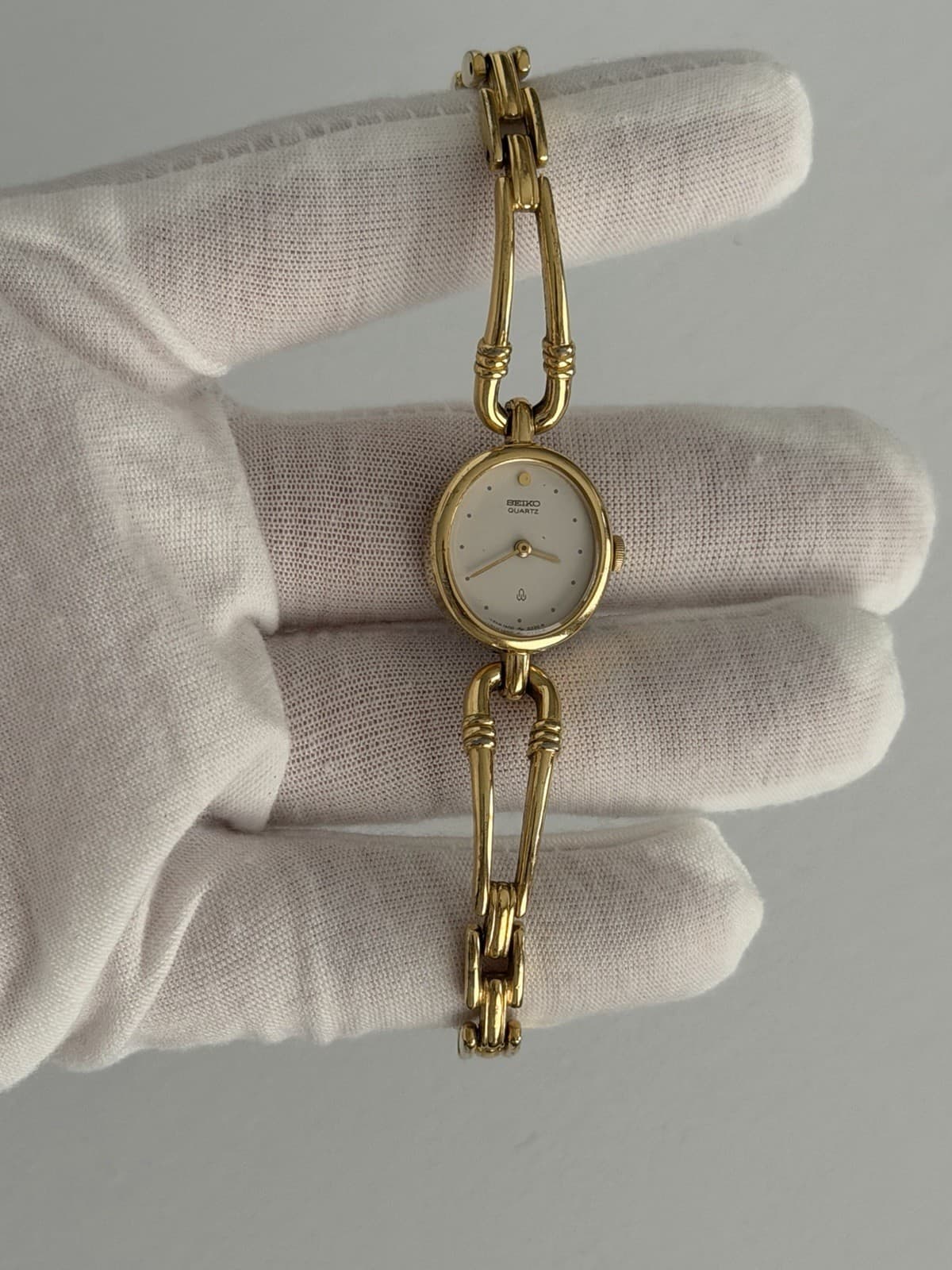
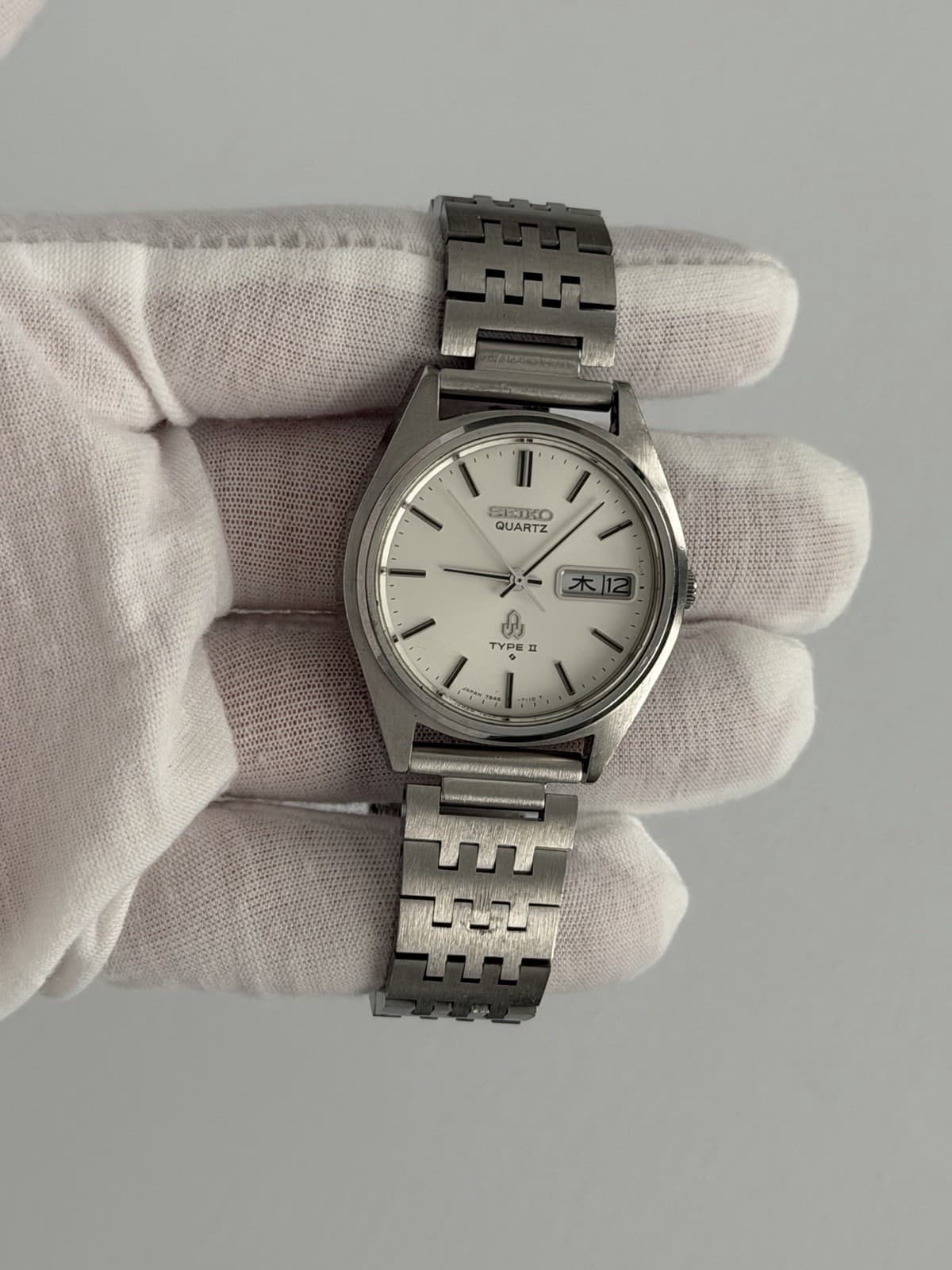
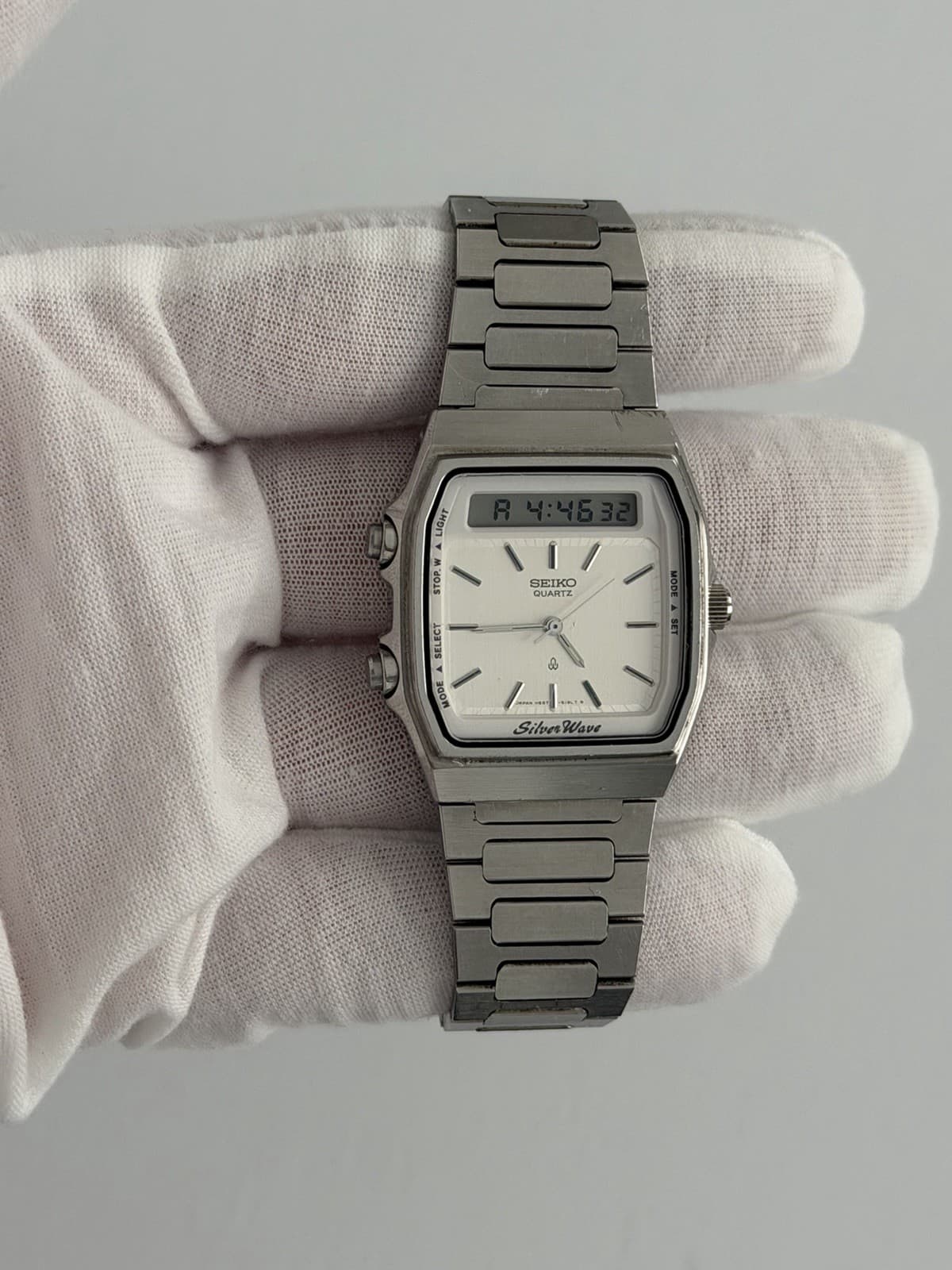
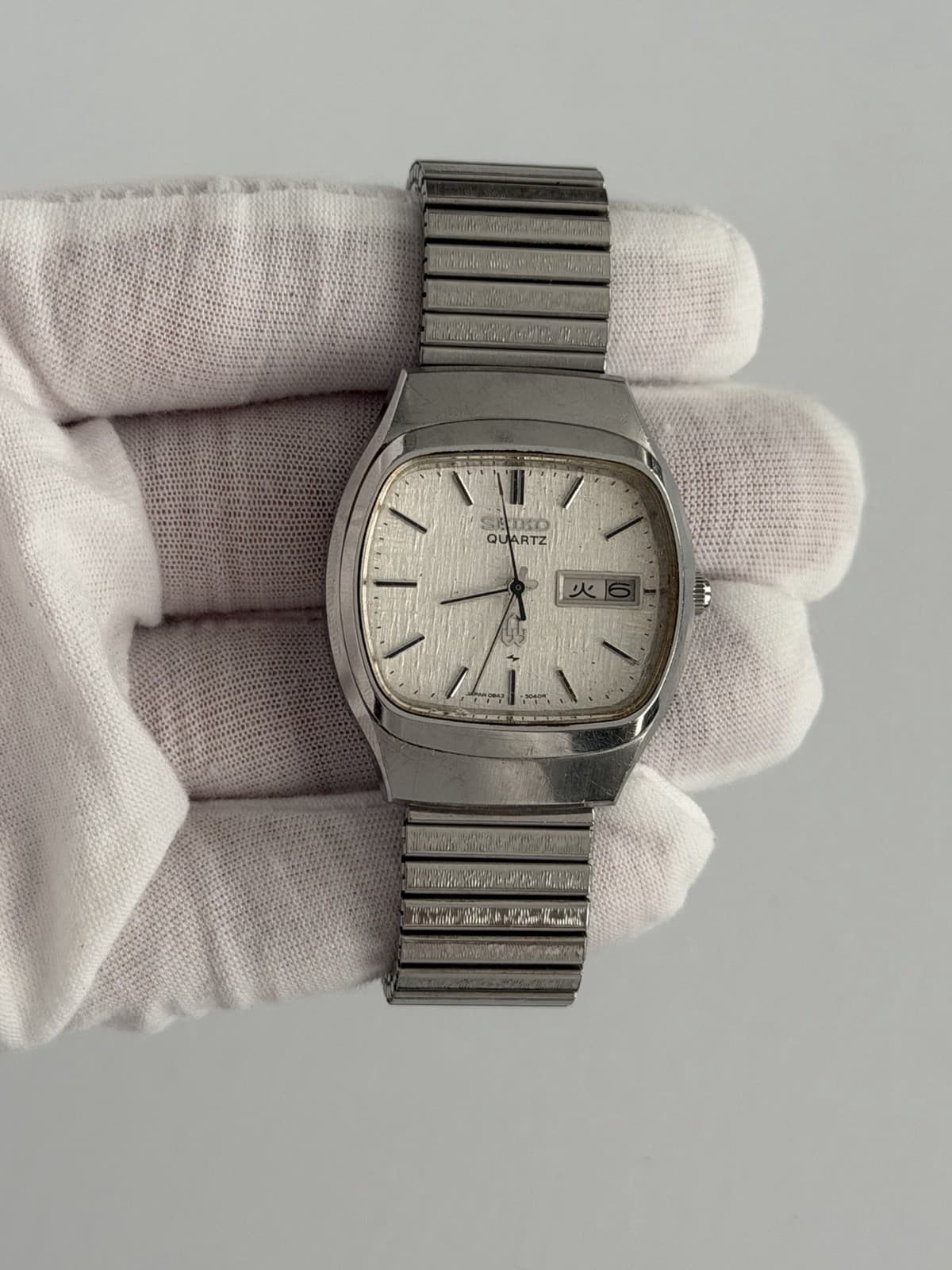
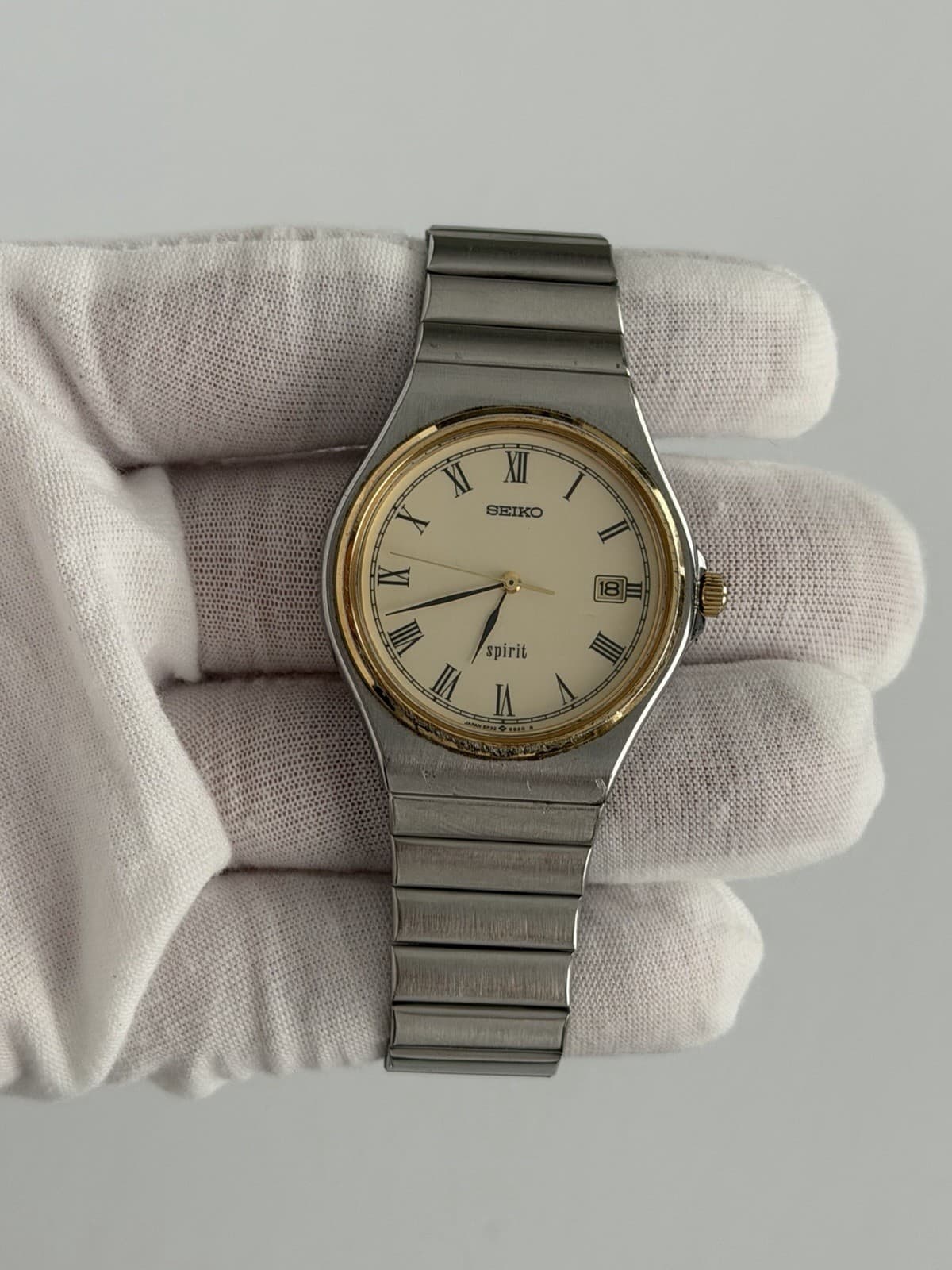
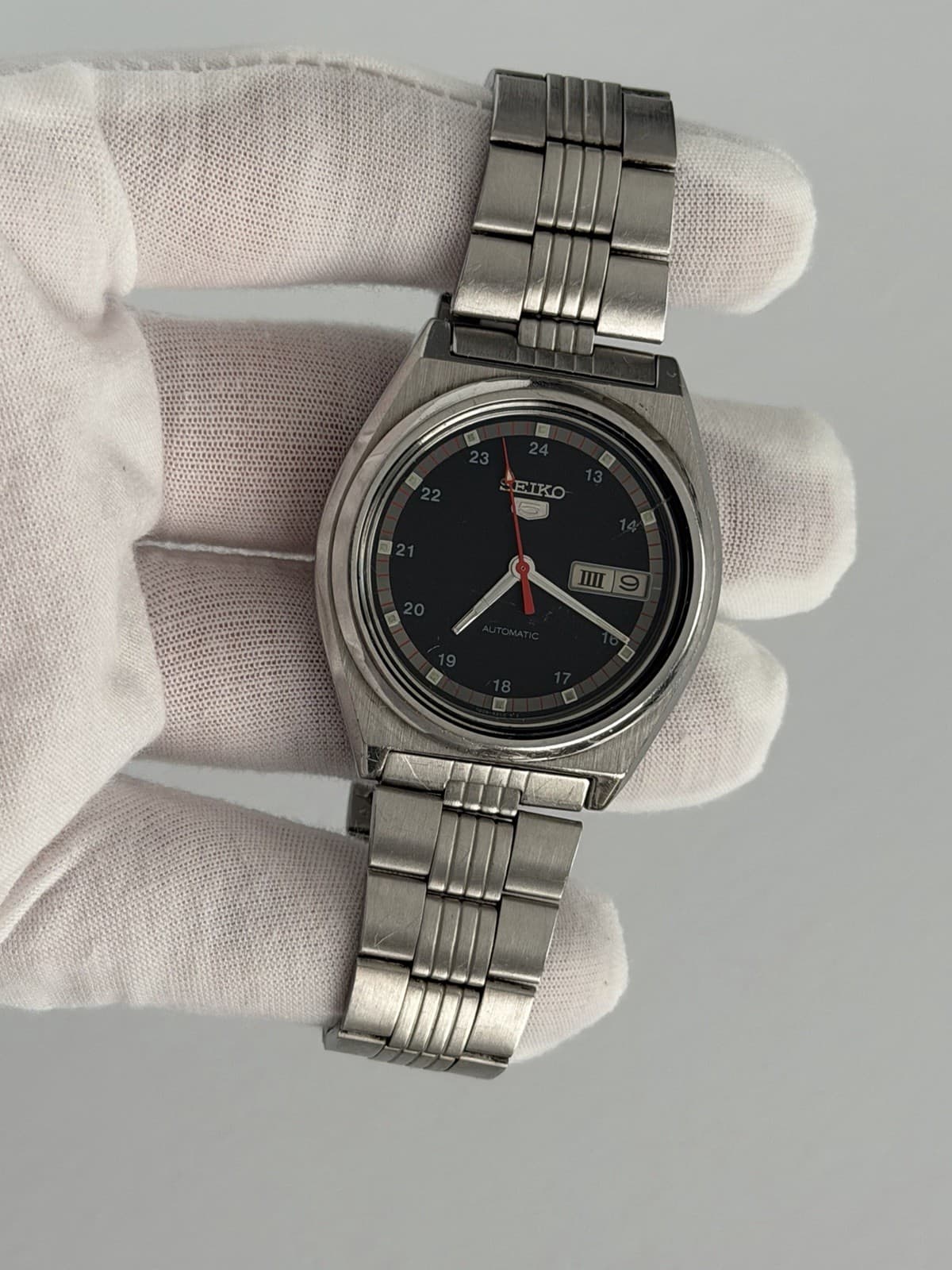
Compare Seiko watches by model
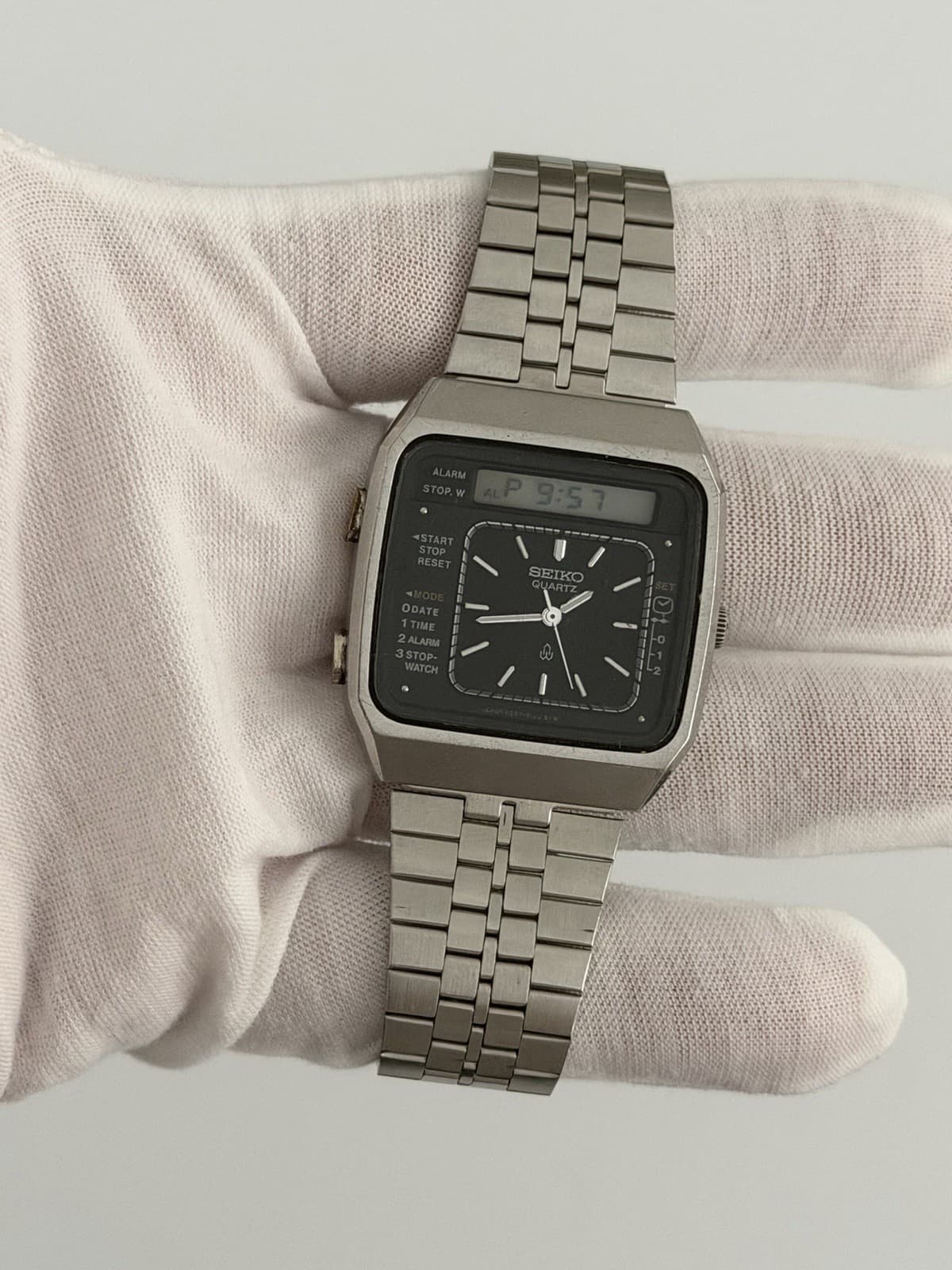
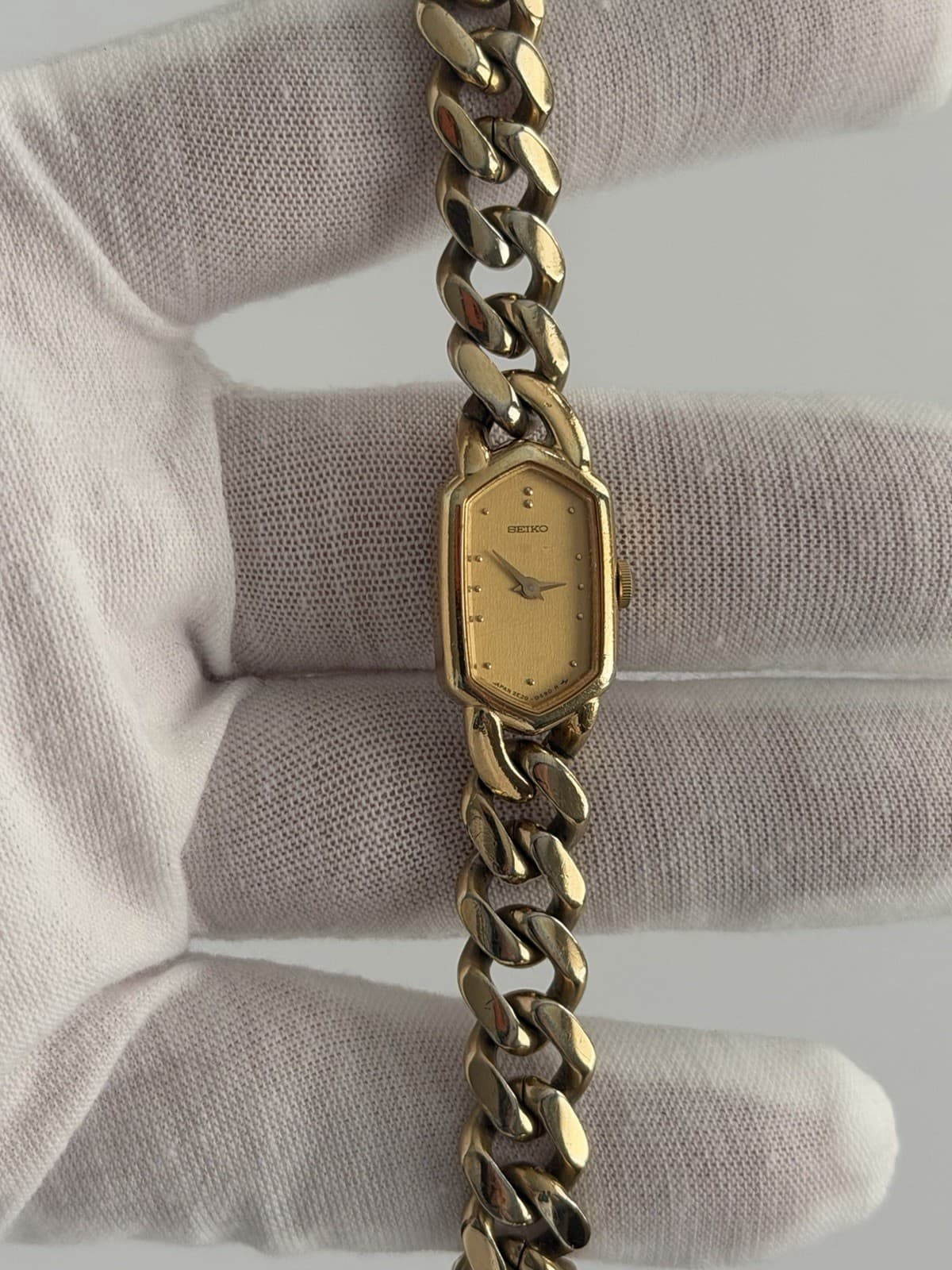
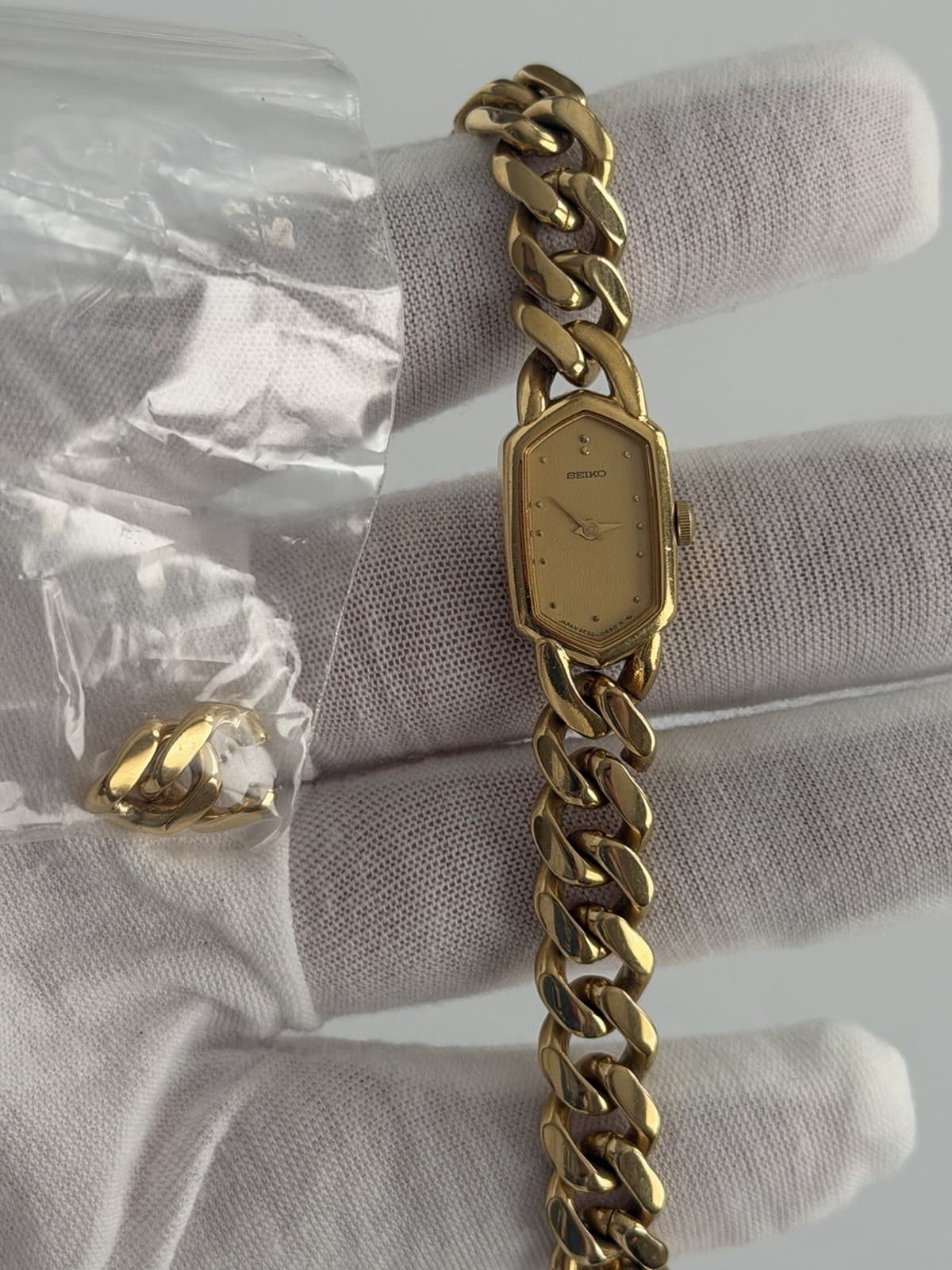
- Seiko 2E20-5360 Vintage Cuban Link Bracelet Dress Watch JDM 1980s — 4 available
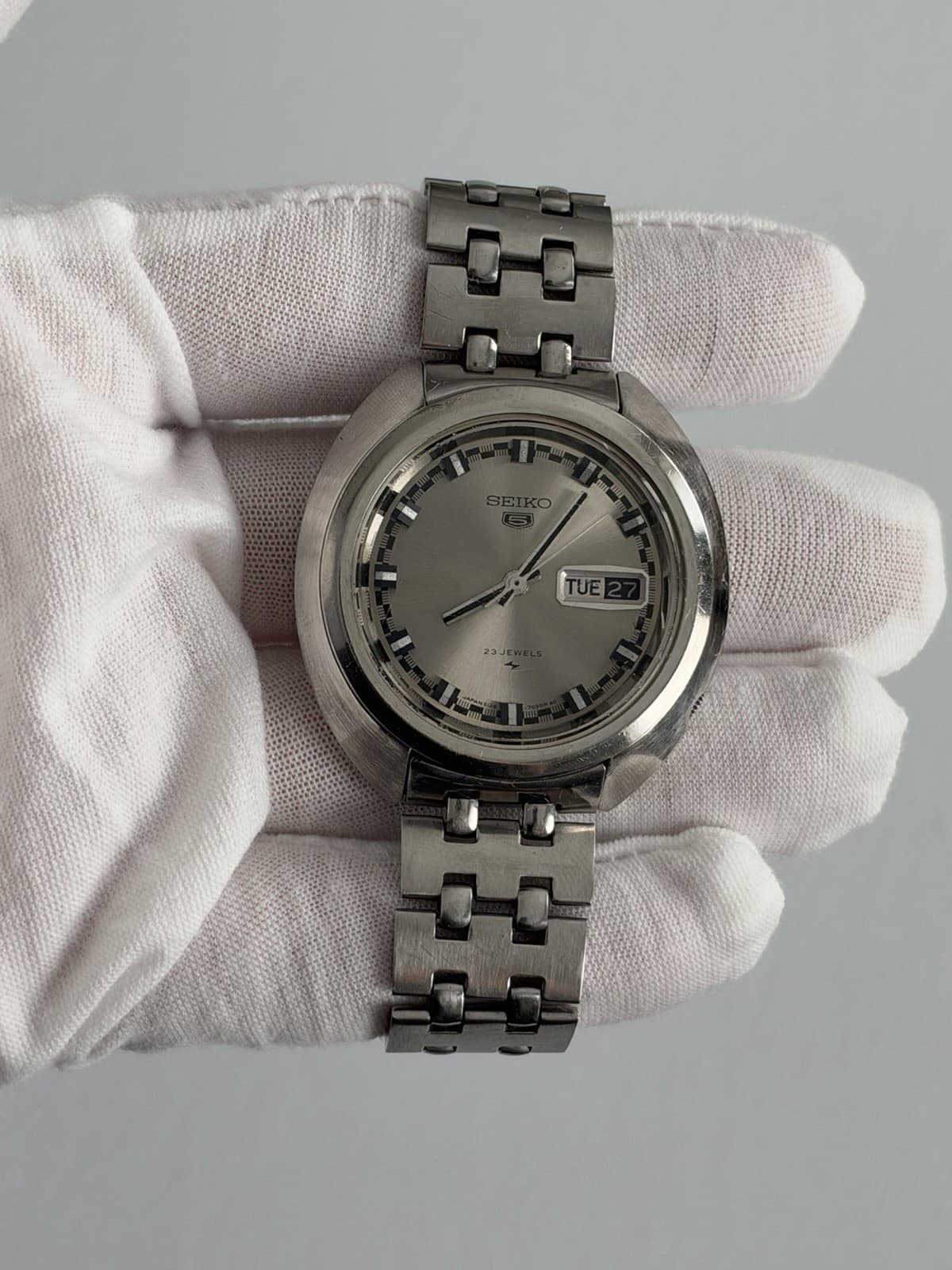
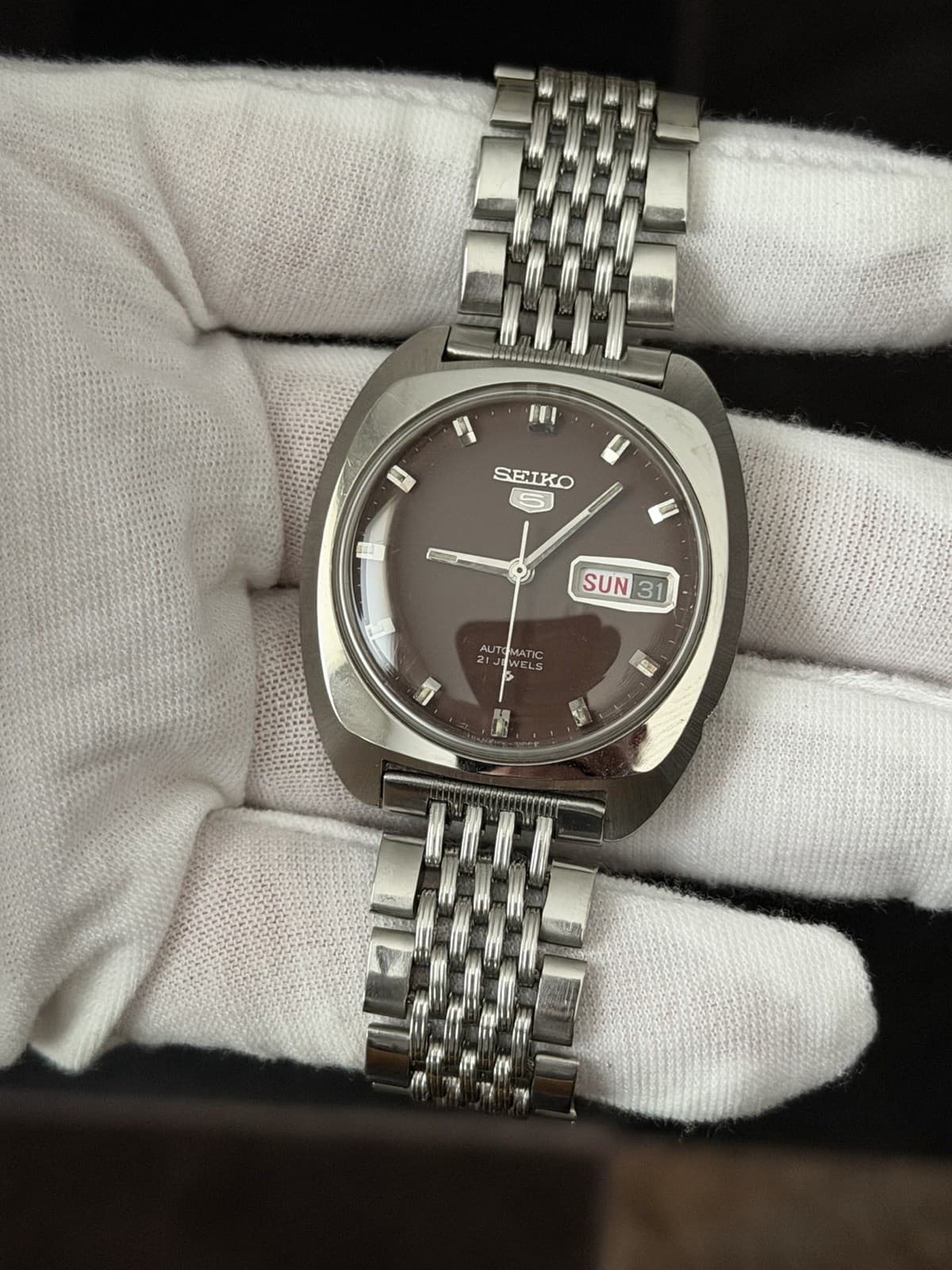
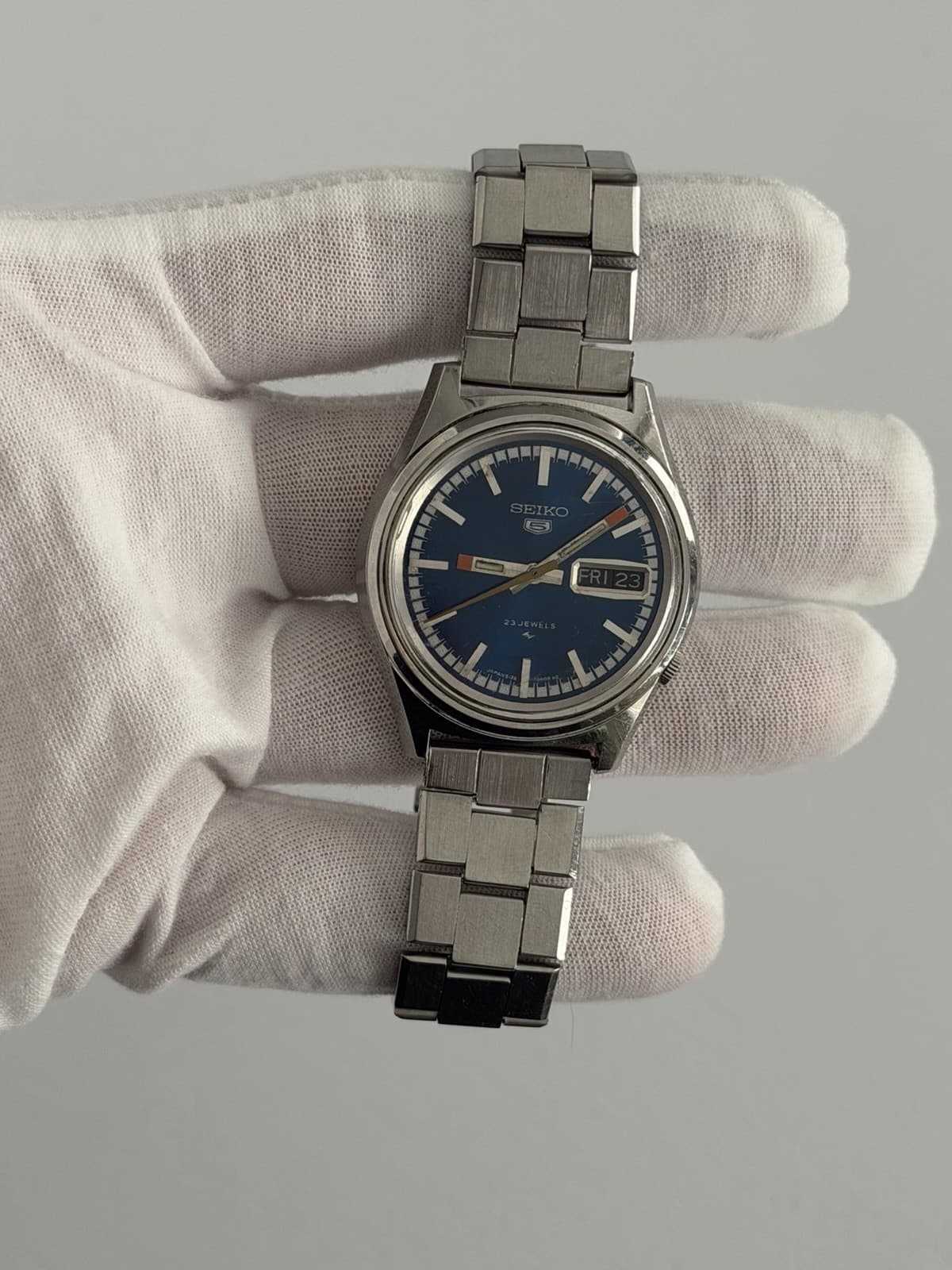
- Seiko 5 5126-7030 Men’s Vintage 23J Automatic Dress Sports Watch JDM 1960s — 10 available
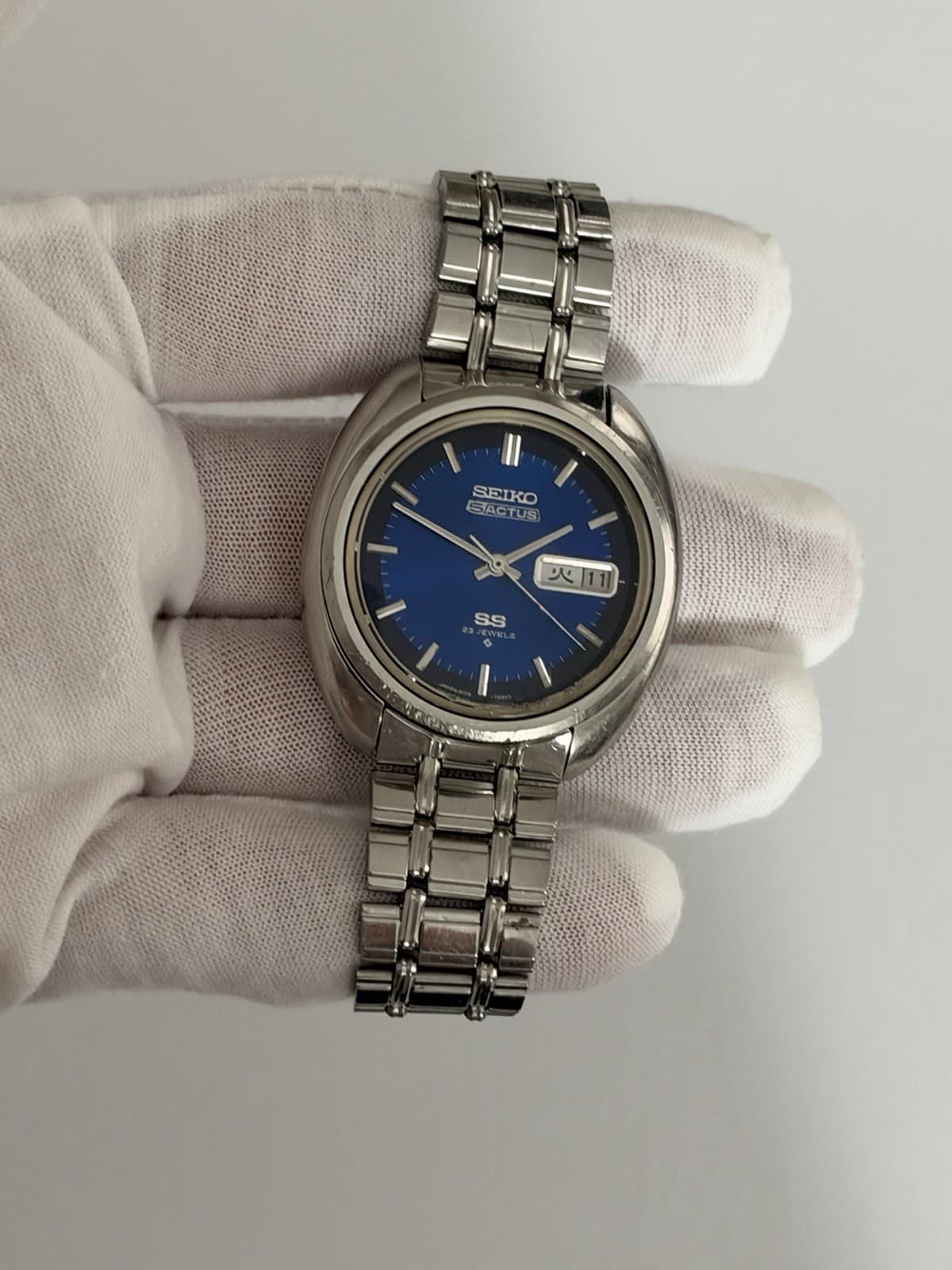
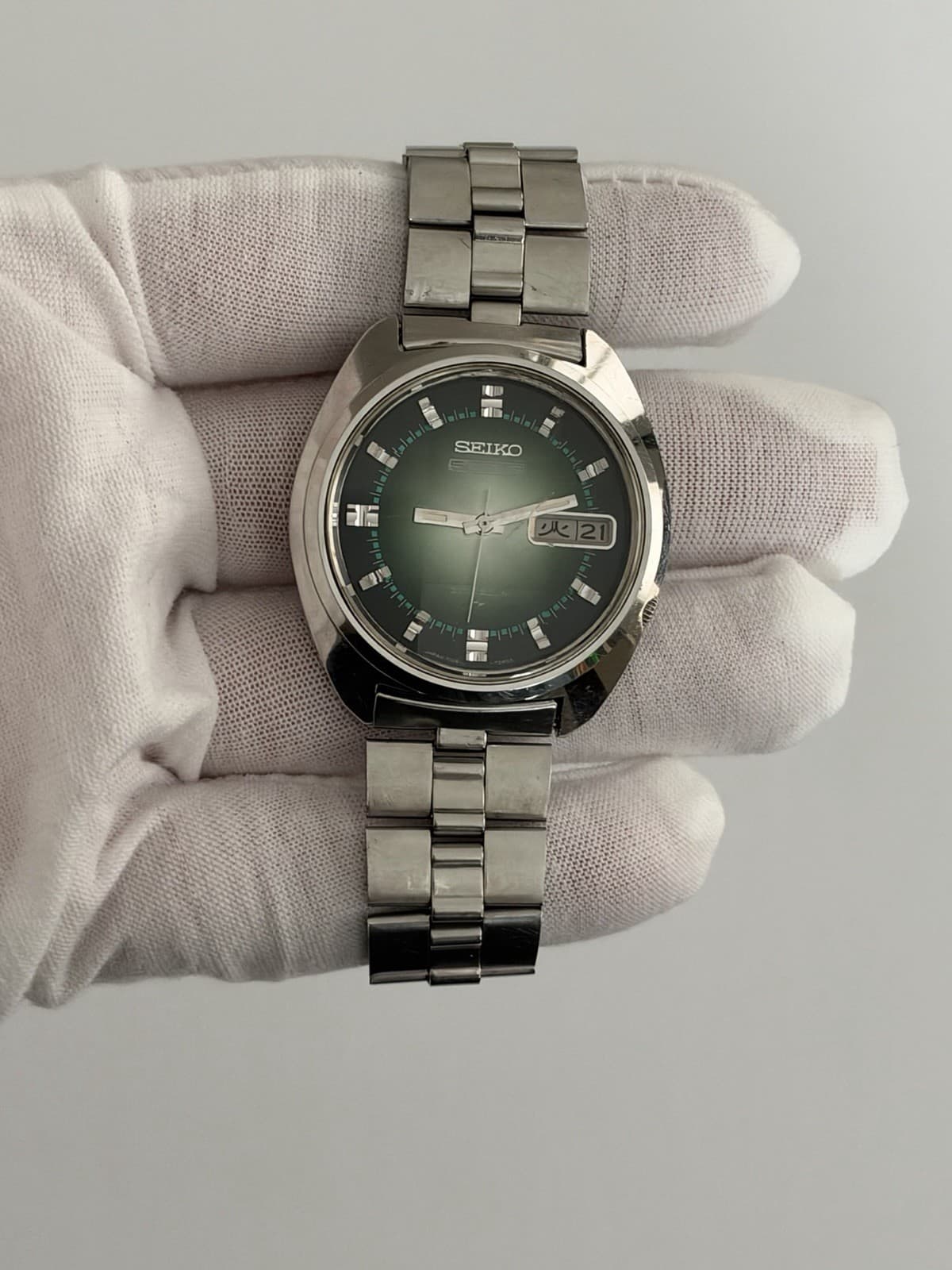
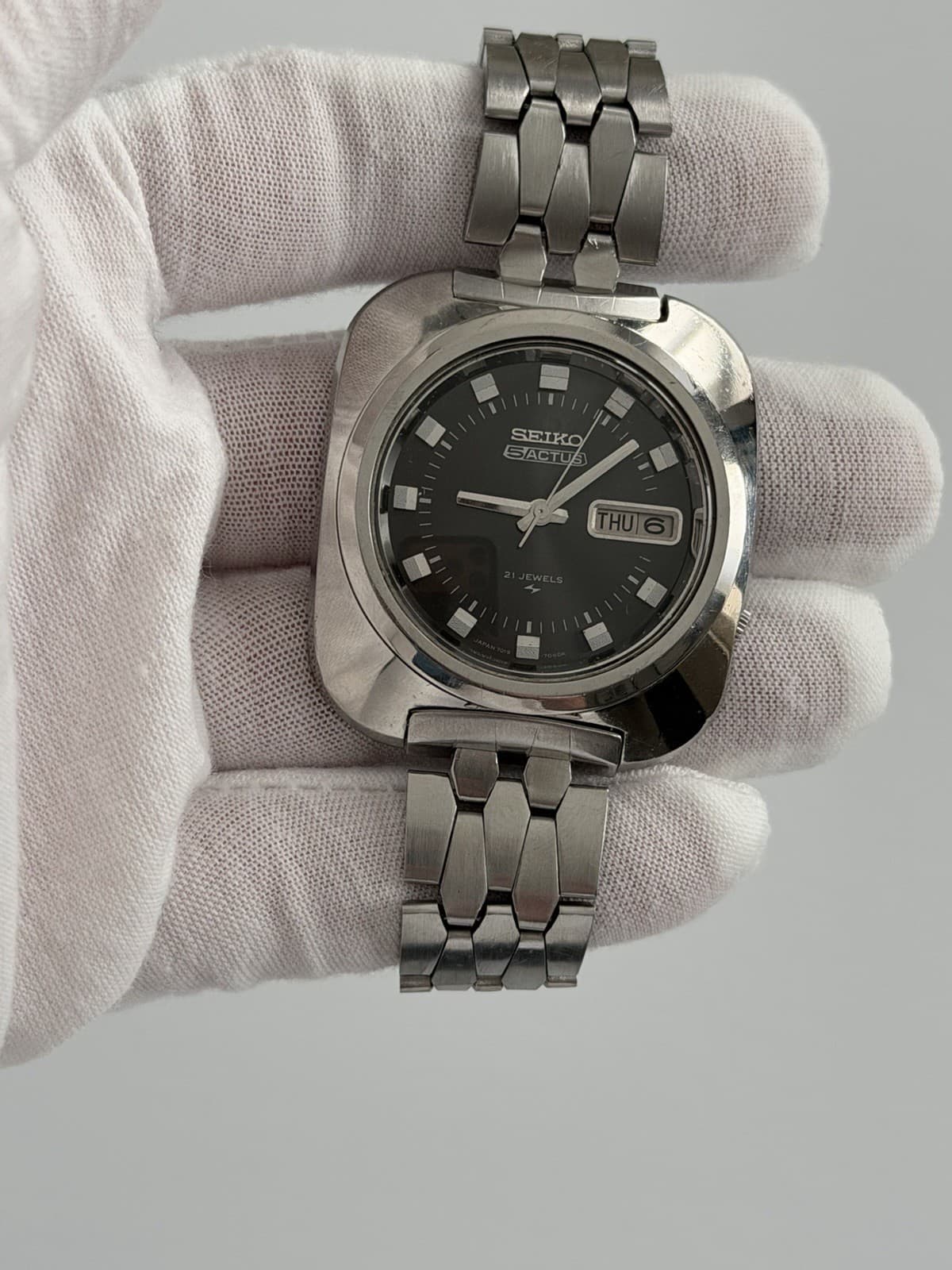
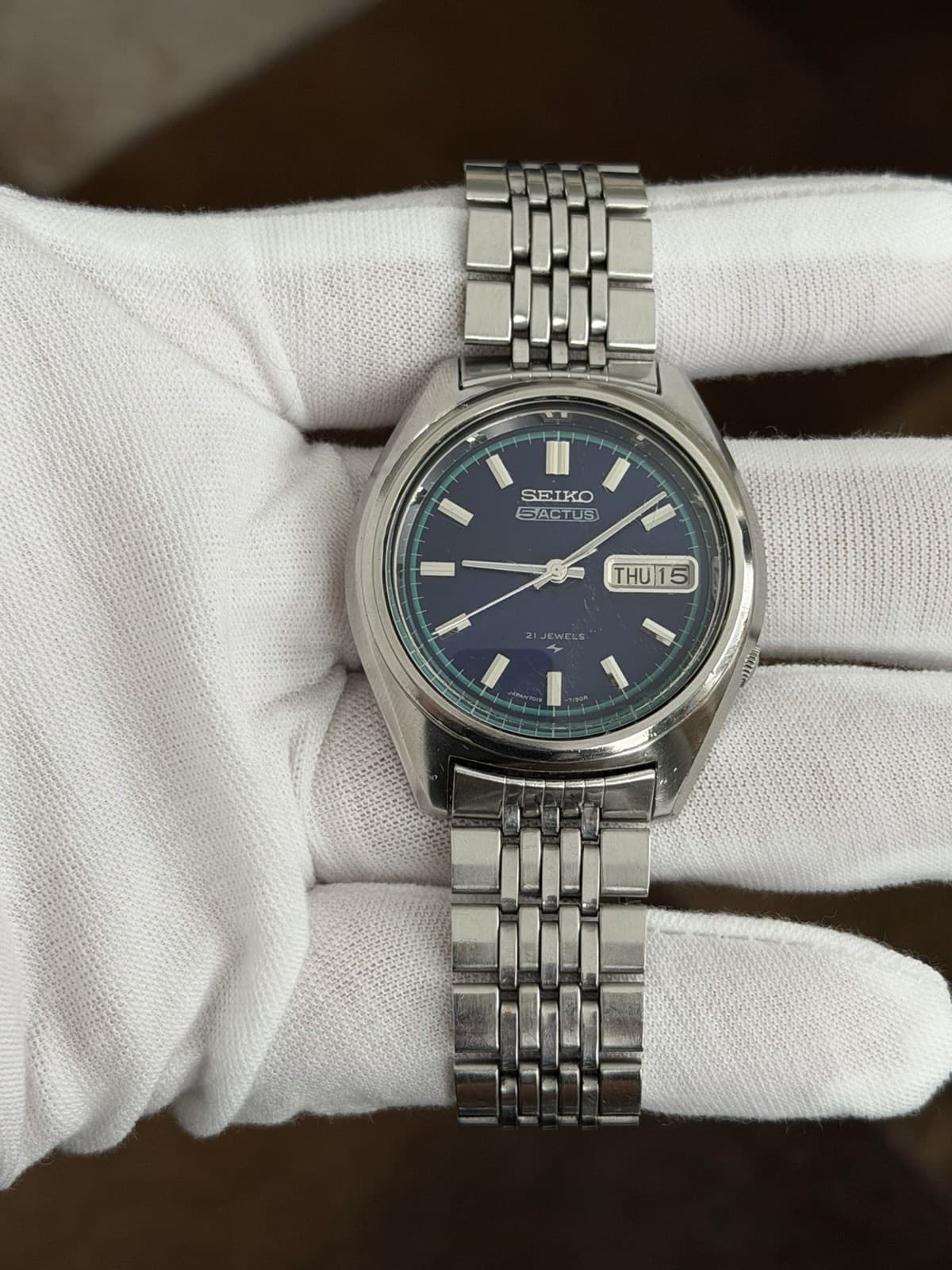
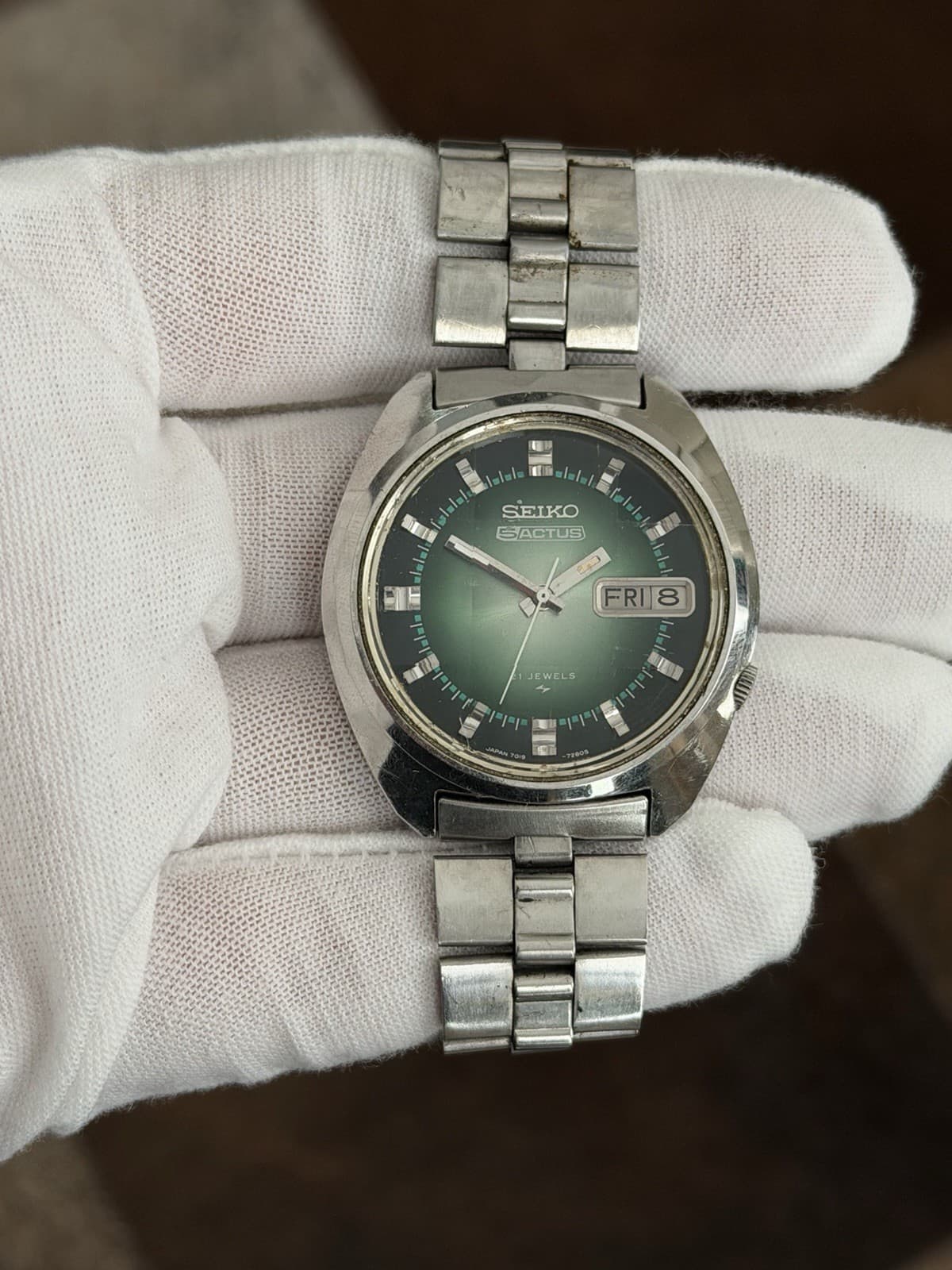
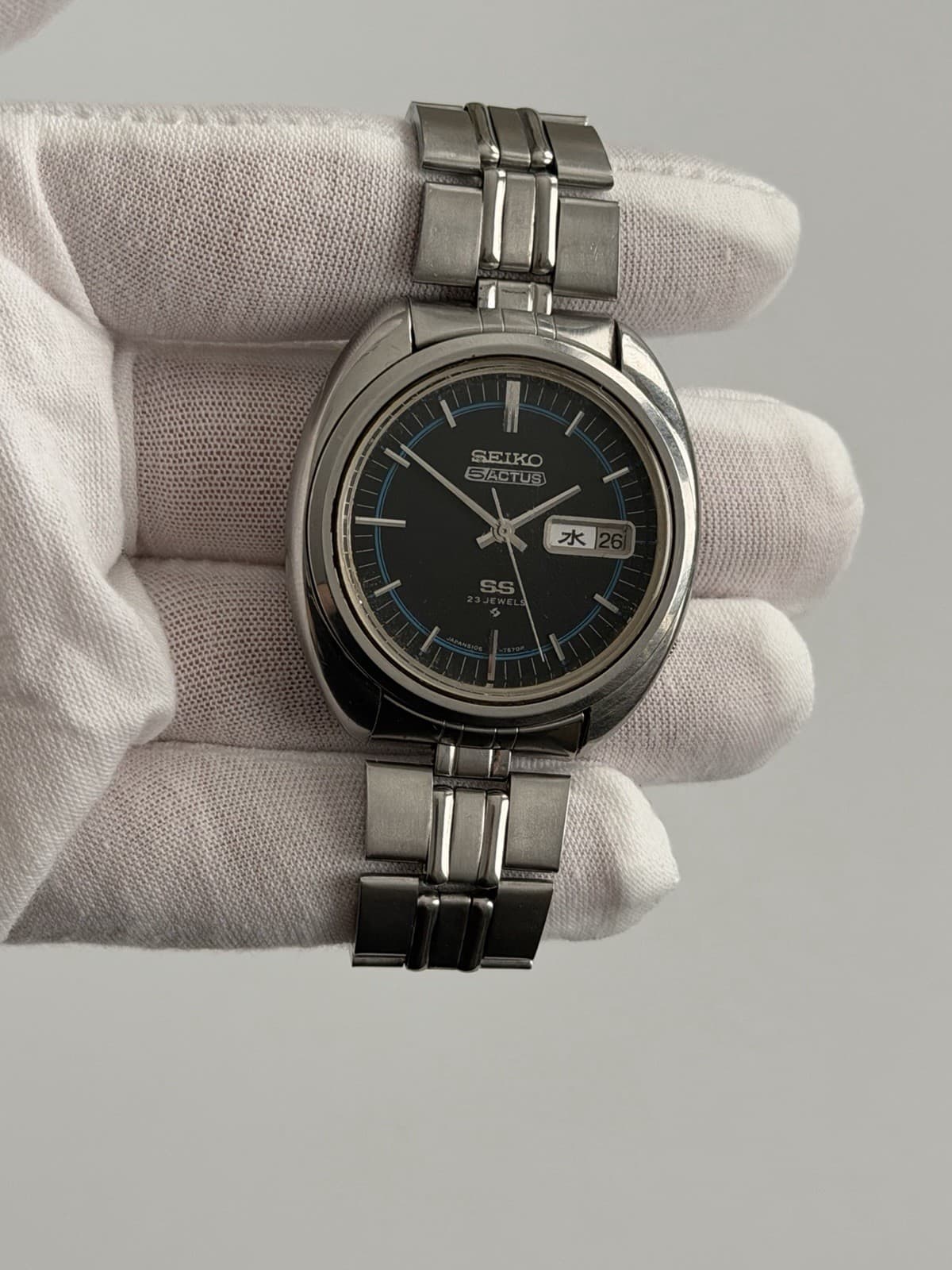
- Seiko 5 Actus 7019-7210 Men’s Vintage Automatic Dress Sports Watch JDM 1970s — 9 available
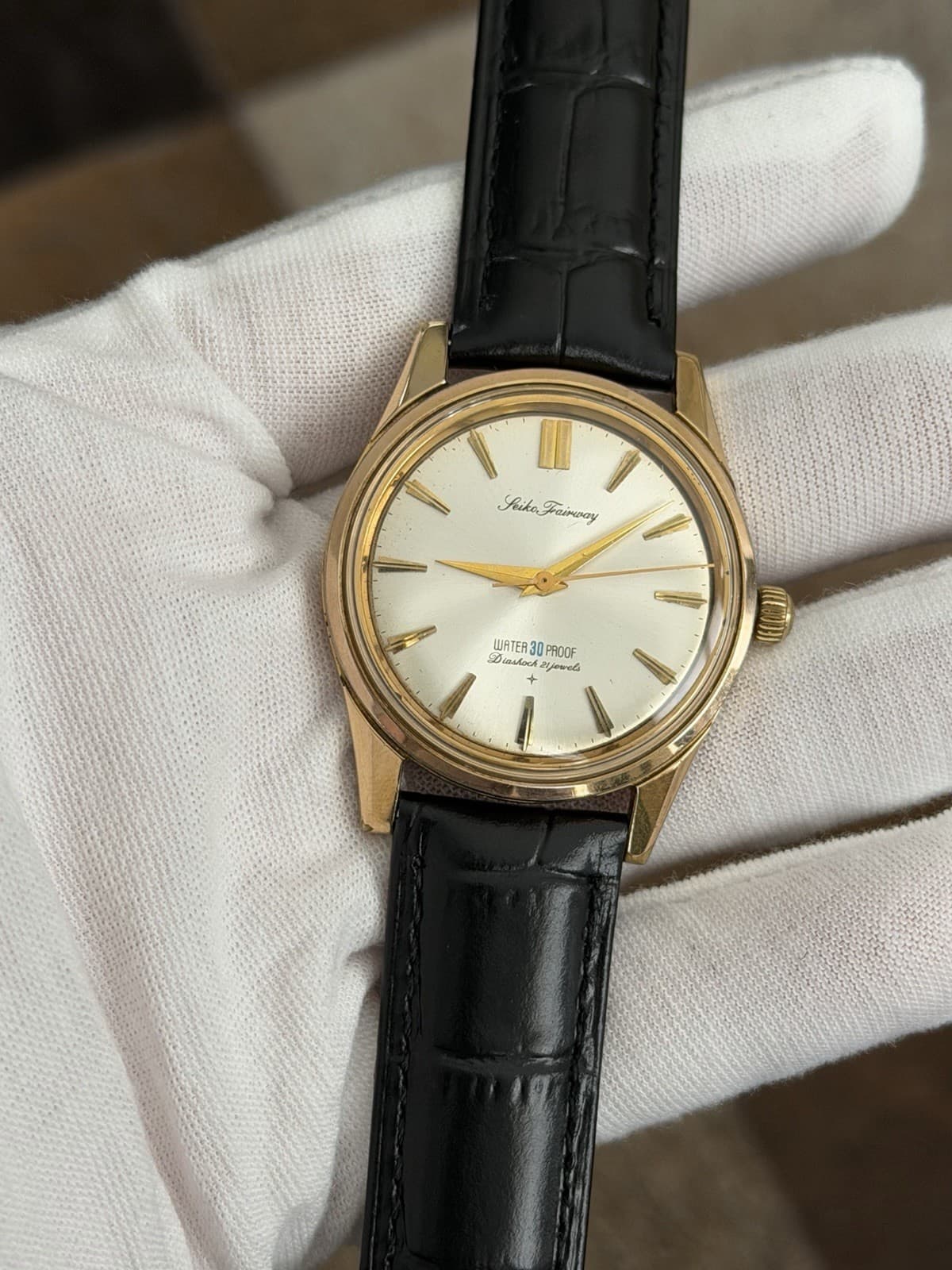
- Seiko Fairway J13048 Men’s Vintage 21J Manual Classic Dress Watch JDM 1960s — 3 available
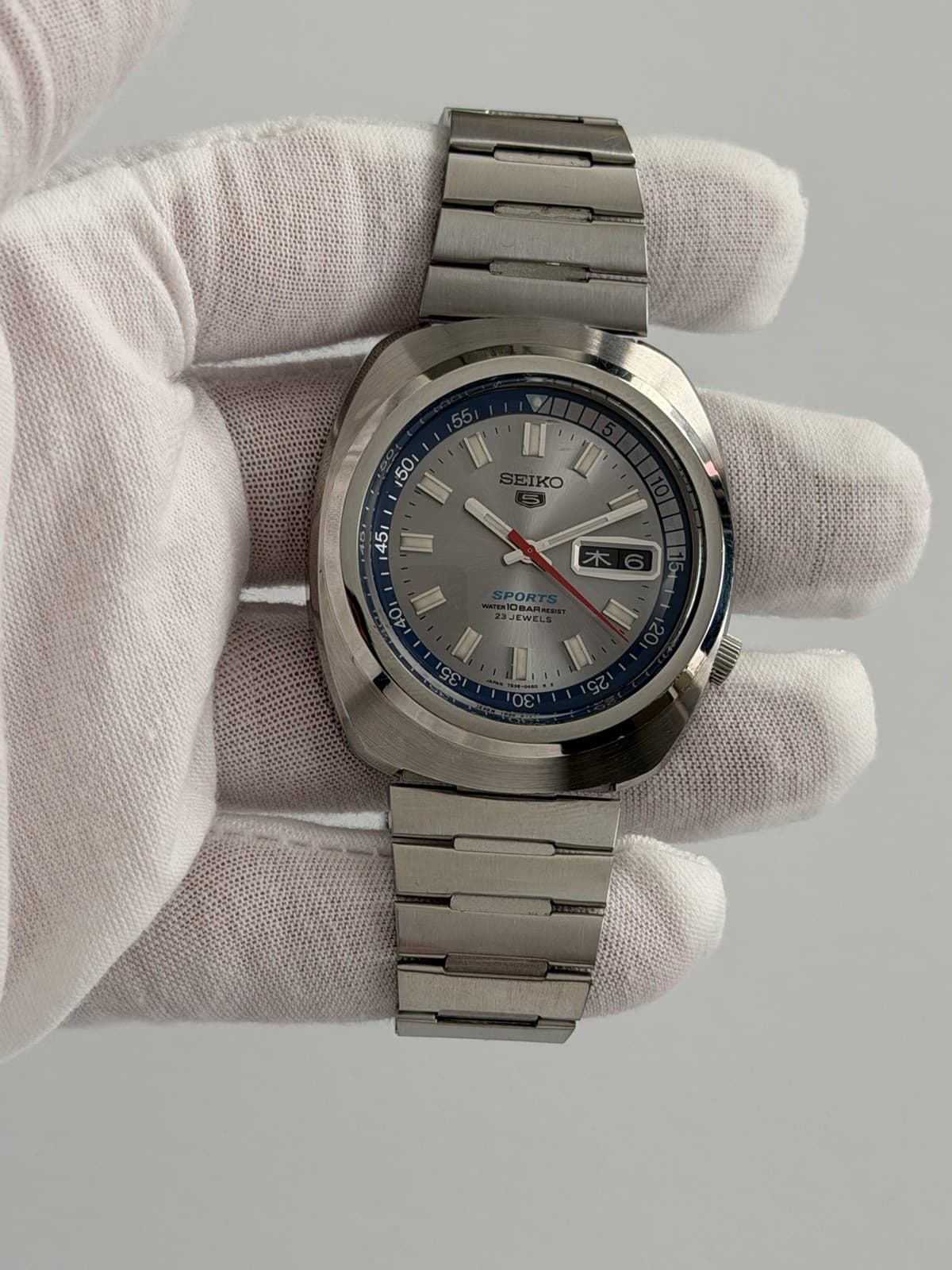
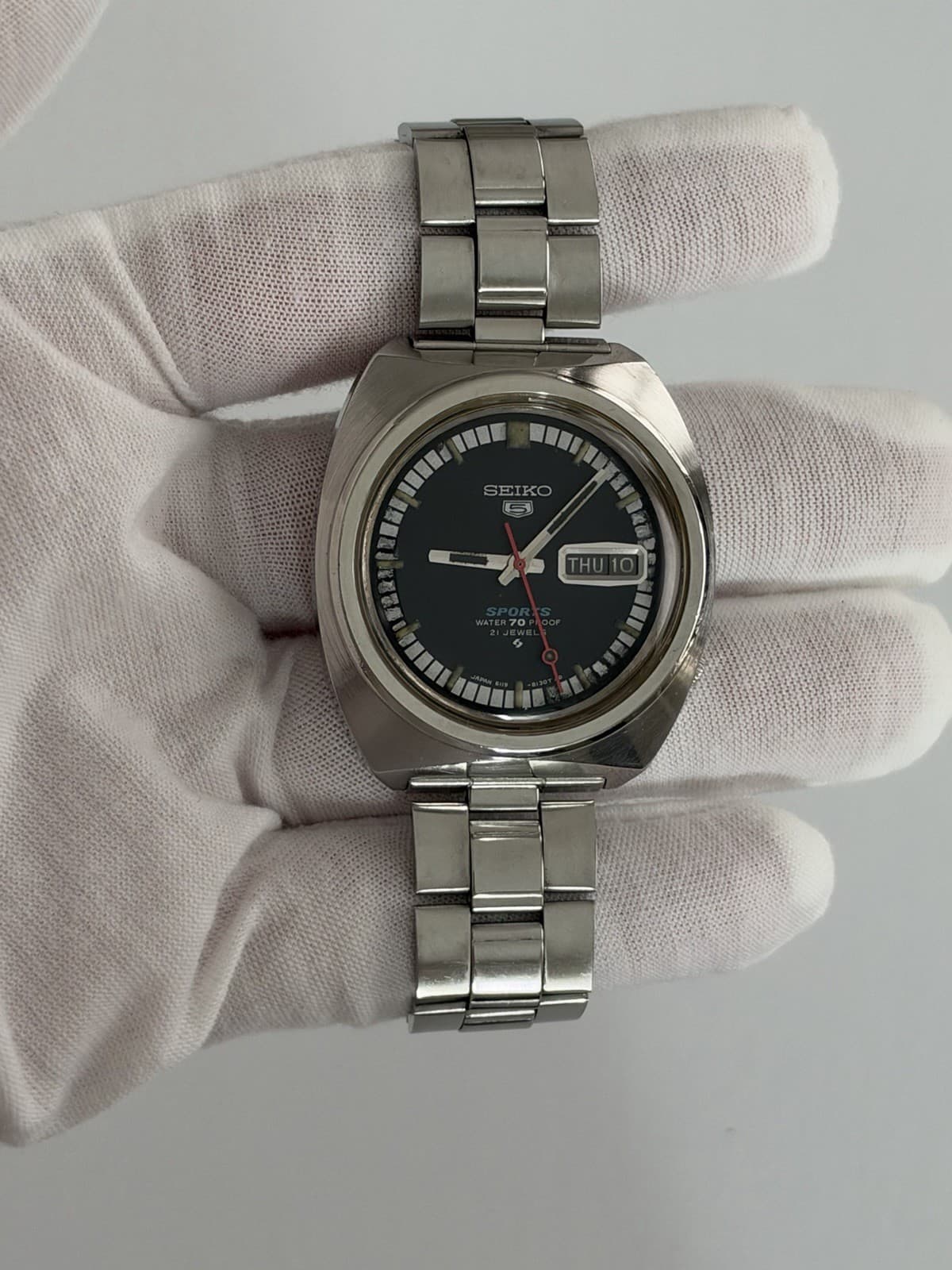
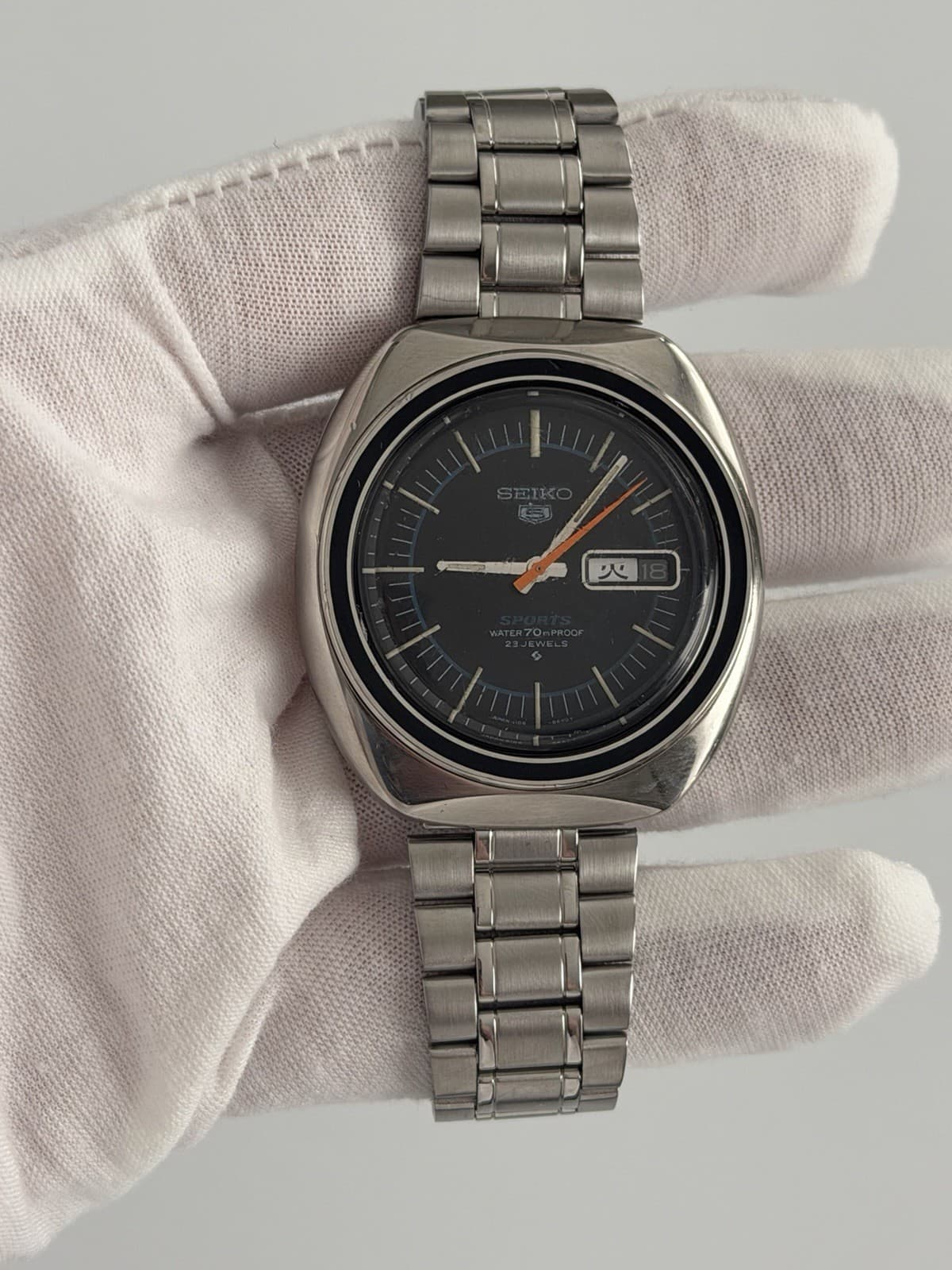
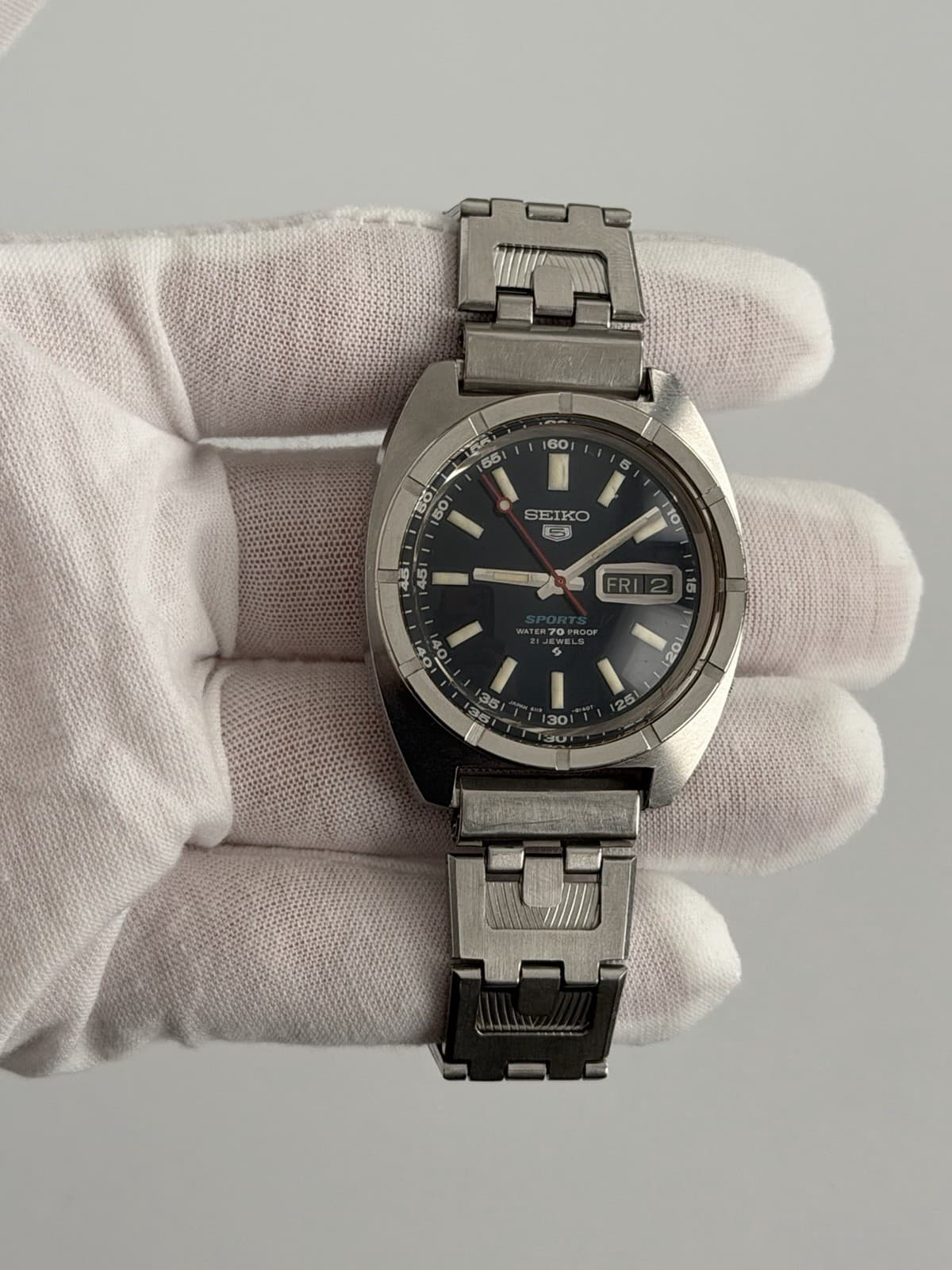
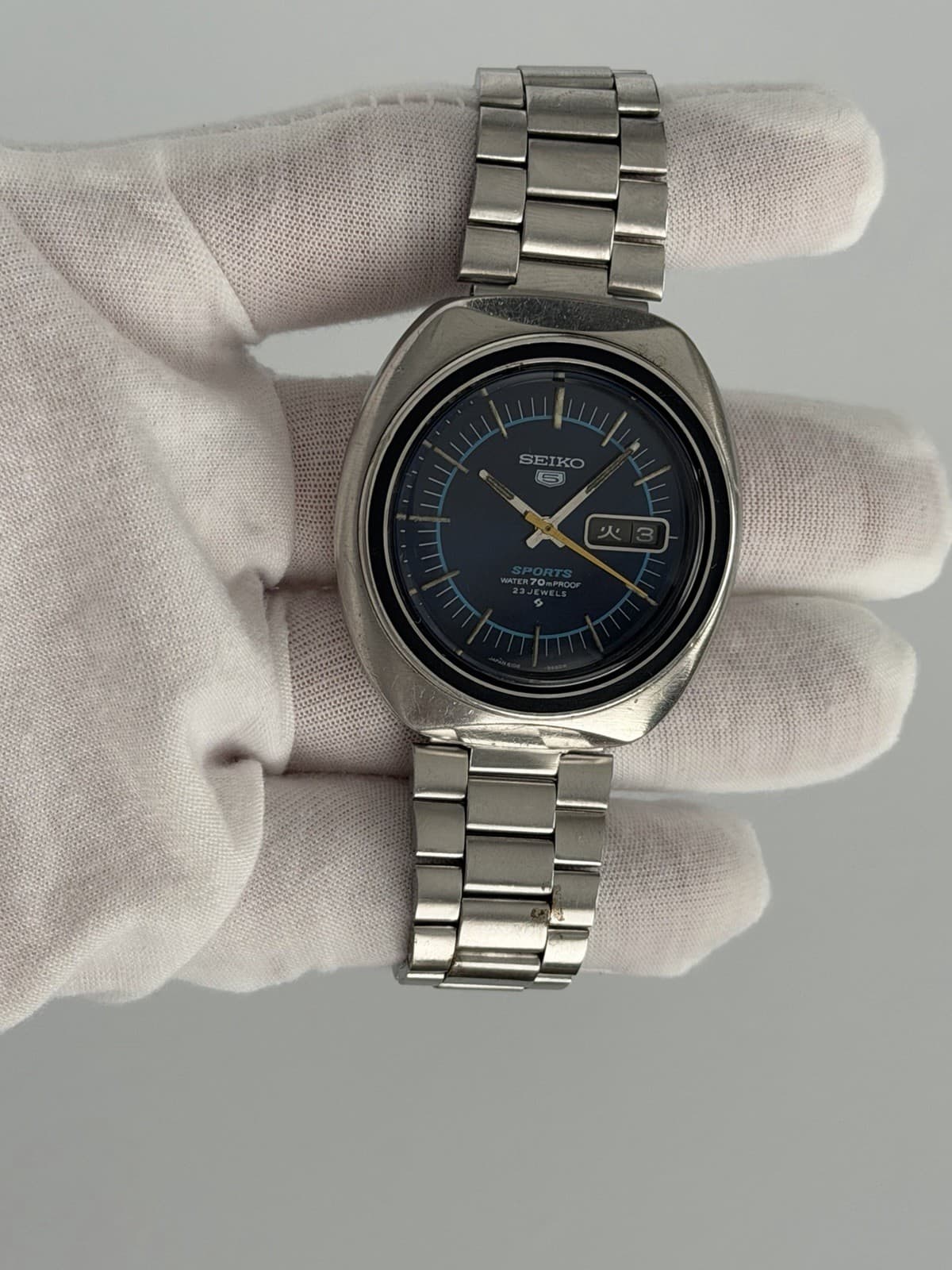
- Seiko 5 Sports 6106-8560 Men’s Vintage 23J Automatic Watch JDM 1970s — 7 available
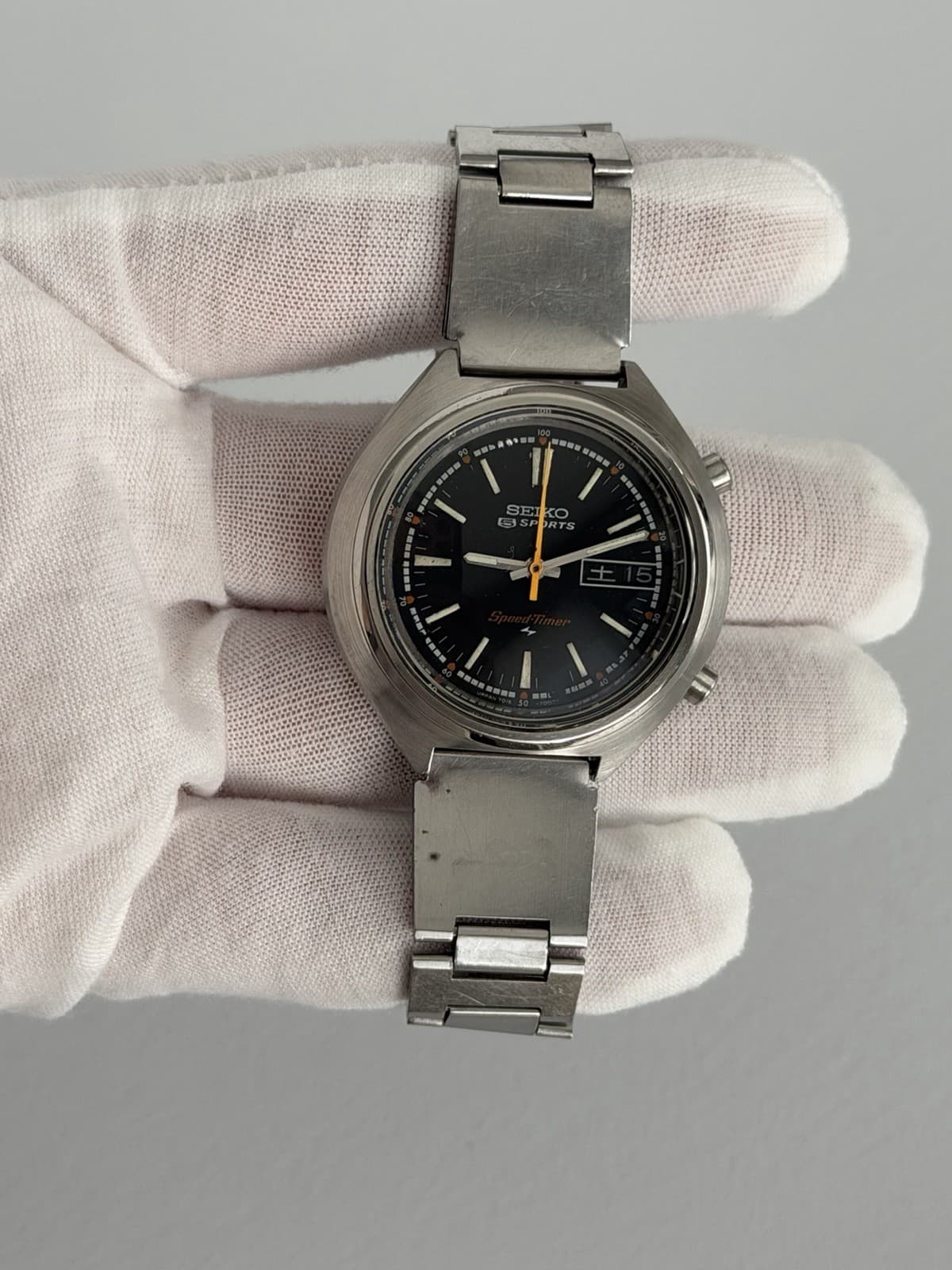
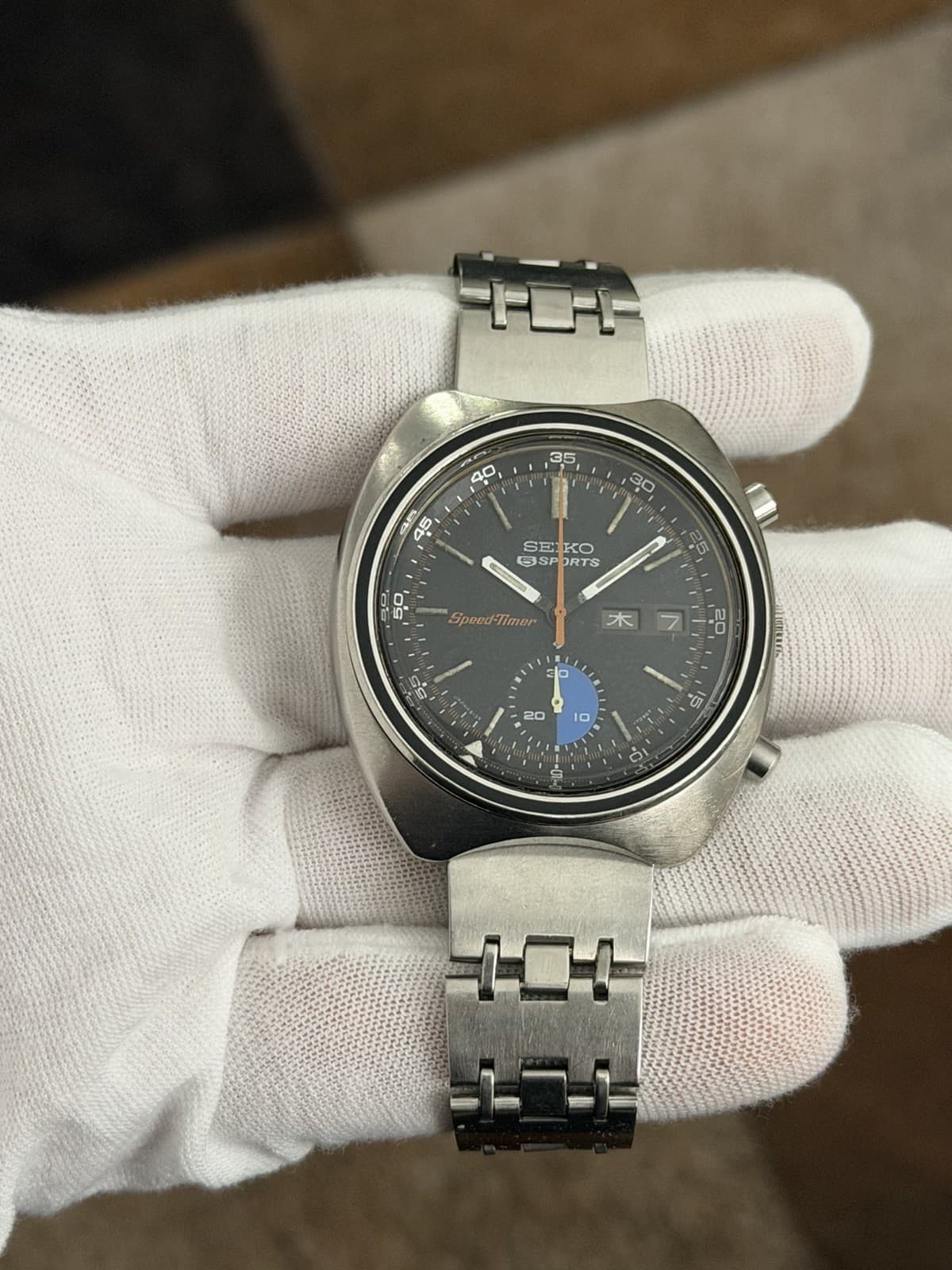
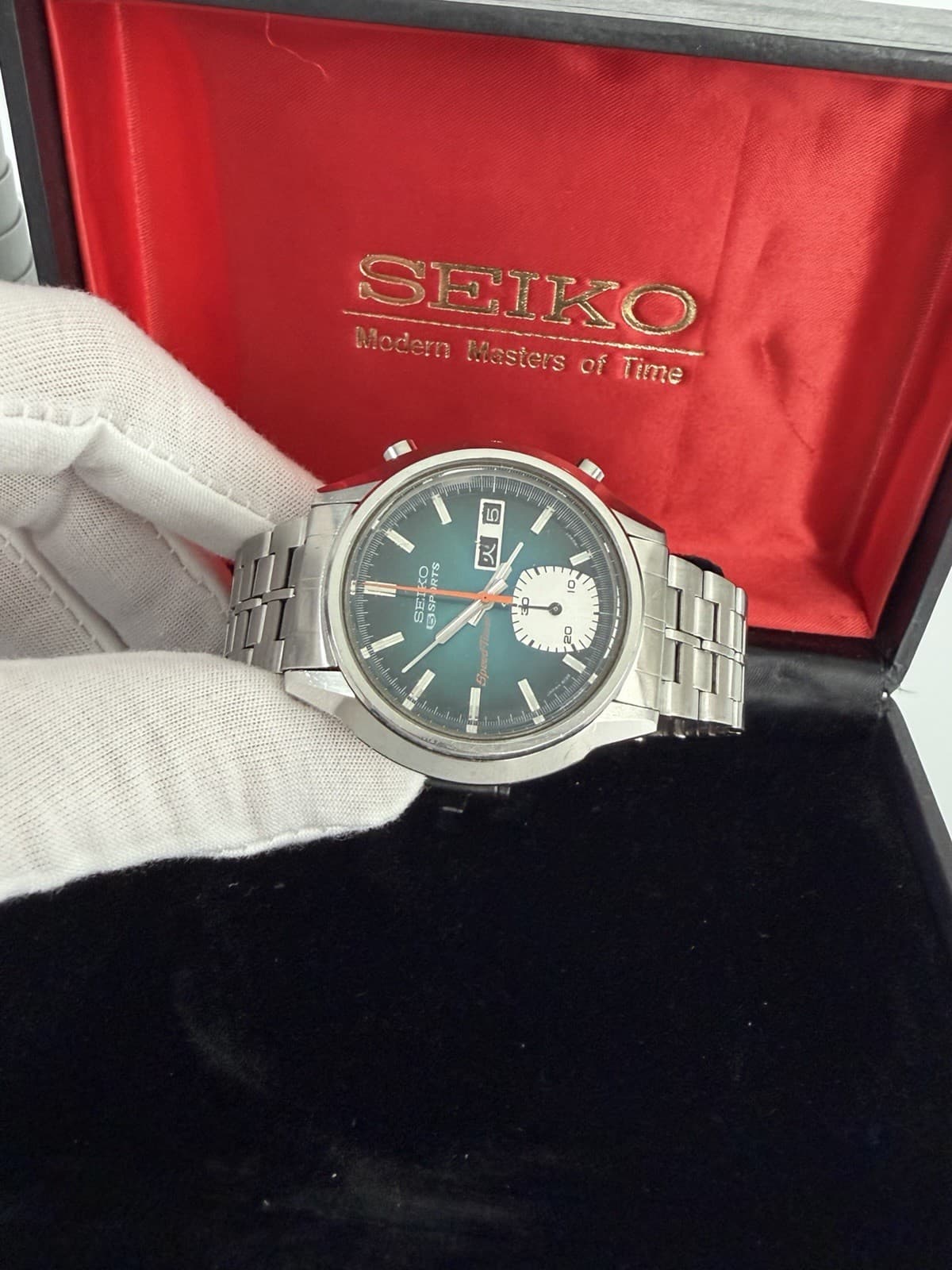
- Seiko 5 Sports Speedtimer 7015-7000 Vintage Automatic Chronograph Watch JDM 70s — 6 available
- Seiko 5 Actus 7019-5010 Men’s Vintage Automatic Dress Sports Watch JDM 1970s — 3 available
- Seiko 5 Sportsmatic 6619-9000 Men’s Vintage Automatic Dress Watch JDM 1960s — 2 available
- Seiko 5 5126-8110 Men’s Vintage 23J Automatic Dress Sports Watch JDM 1960s — 3 available
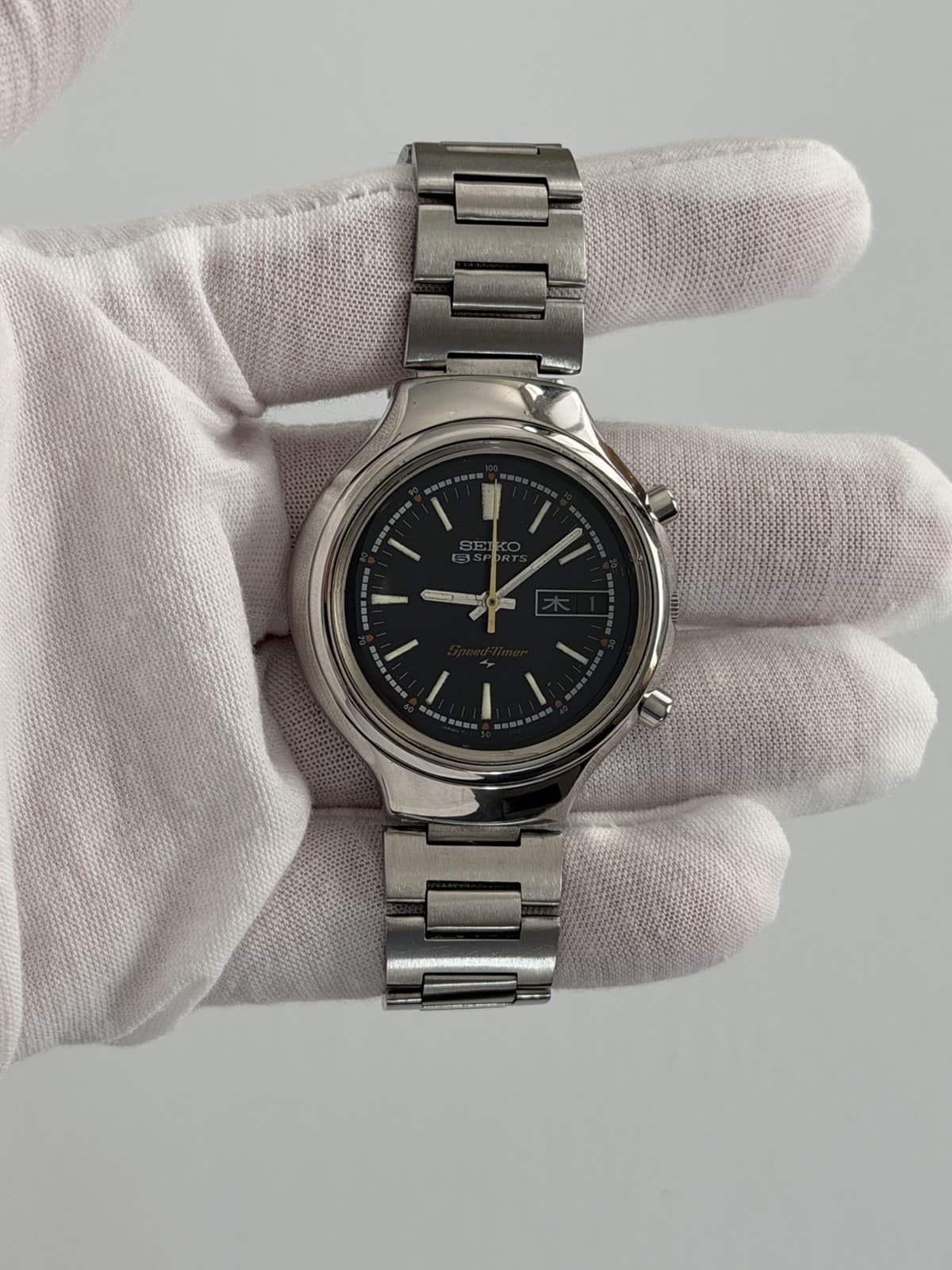
- Seiko 5 Sports Speedtimer 7015-8000 Vintage Automatic Chronograph Watch JDM 70s — 6 available
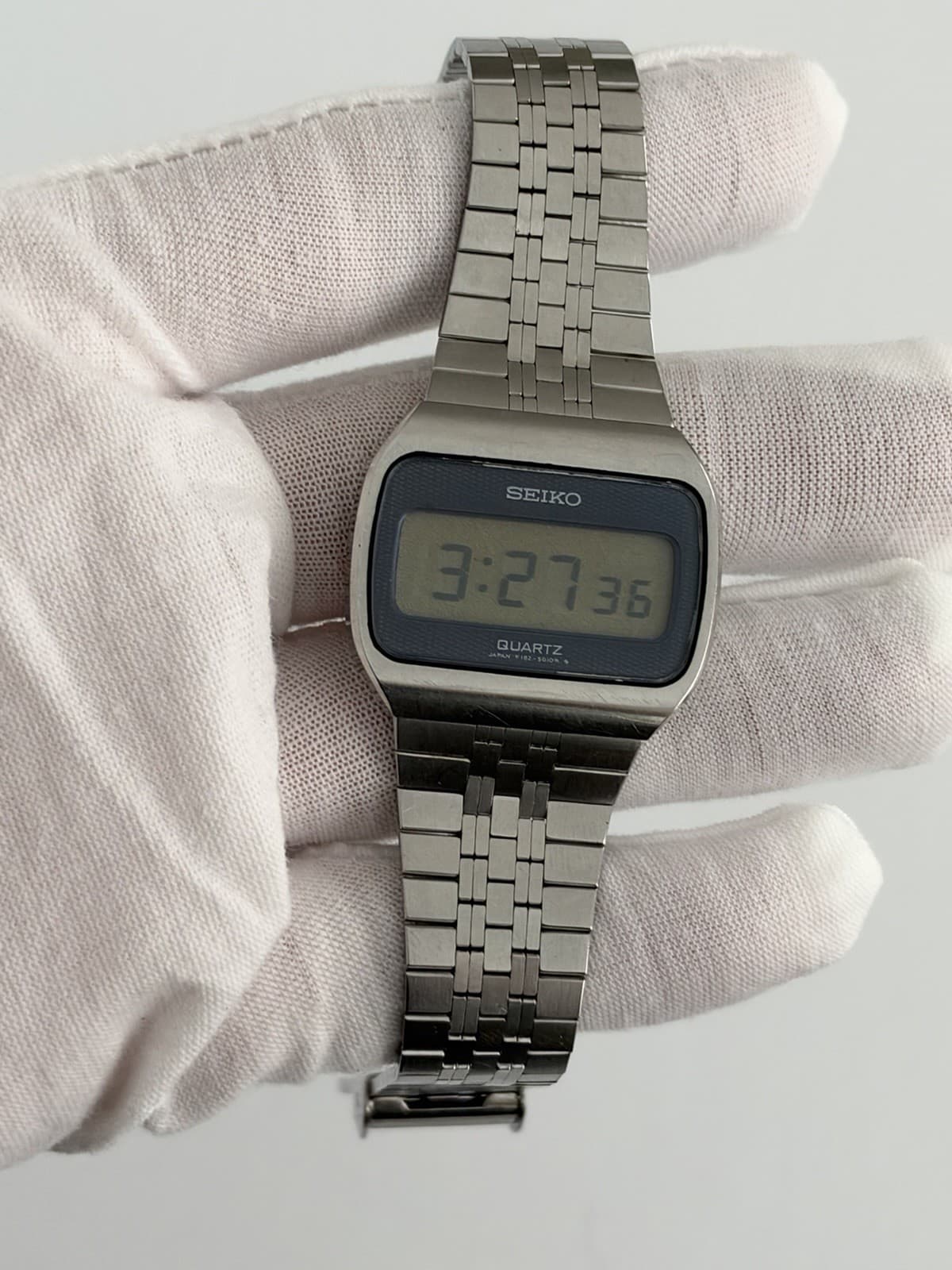
- Seiko Quartz F162-5010 Men’s Vintage Digital LCD Watch JDM 1970s — 5 available
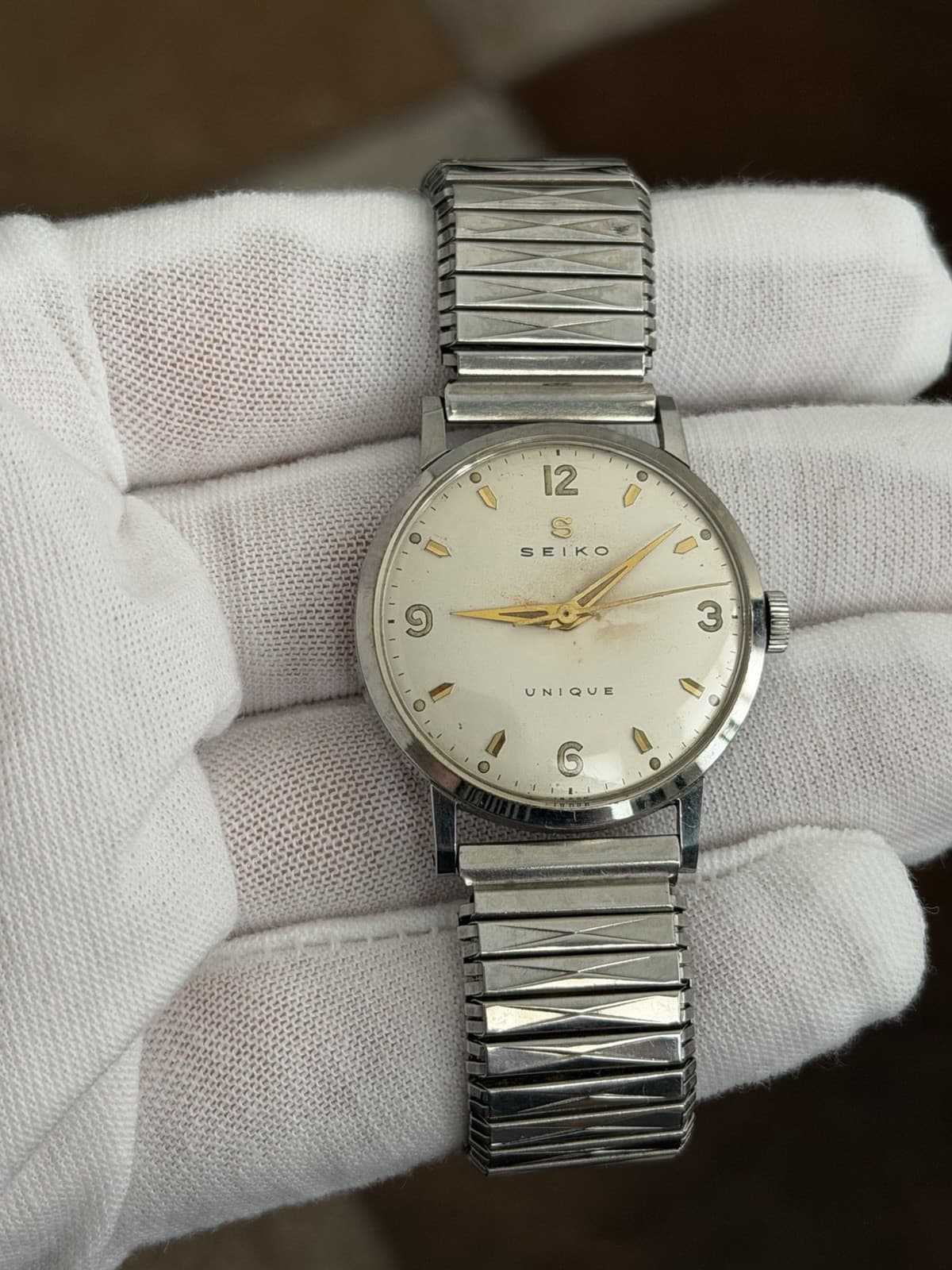
- Seiko Unique 14037 Vintage Seikosha 15J Men’s Classic Dress Watch JDM 1950s — 1 available
- Seiko Unique 14034 Men’s Vintage Seikosha 15J Classic Dress Watch JDM 1950s — 2 available
- Seiko 5 Actus 7019-7020 Men’s Vintage Automatic Dress Sports Watch JDM 1970s — 1 available
- Seiko 5 Actus 7019-7060 Men’s Vintage Automatic Dress Sports Watch JDM 1970s — 4 available
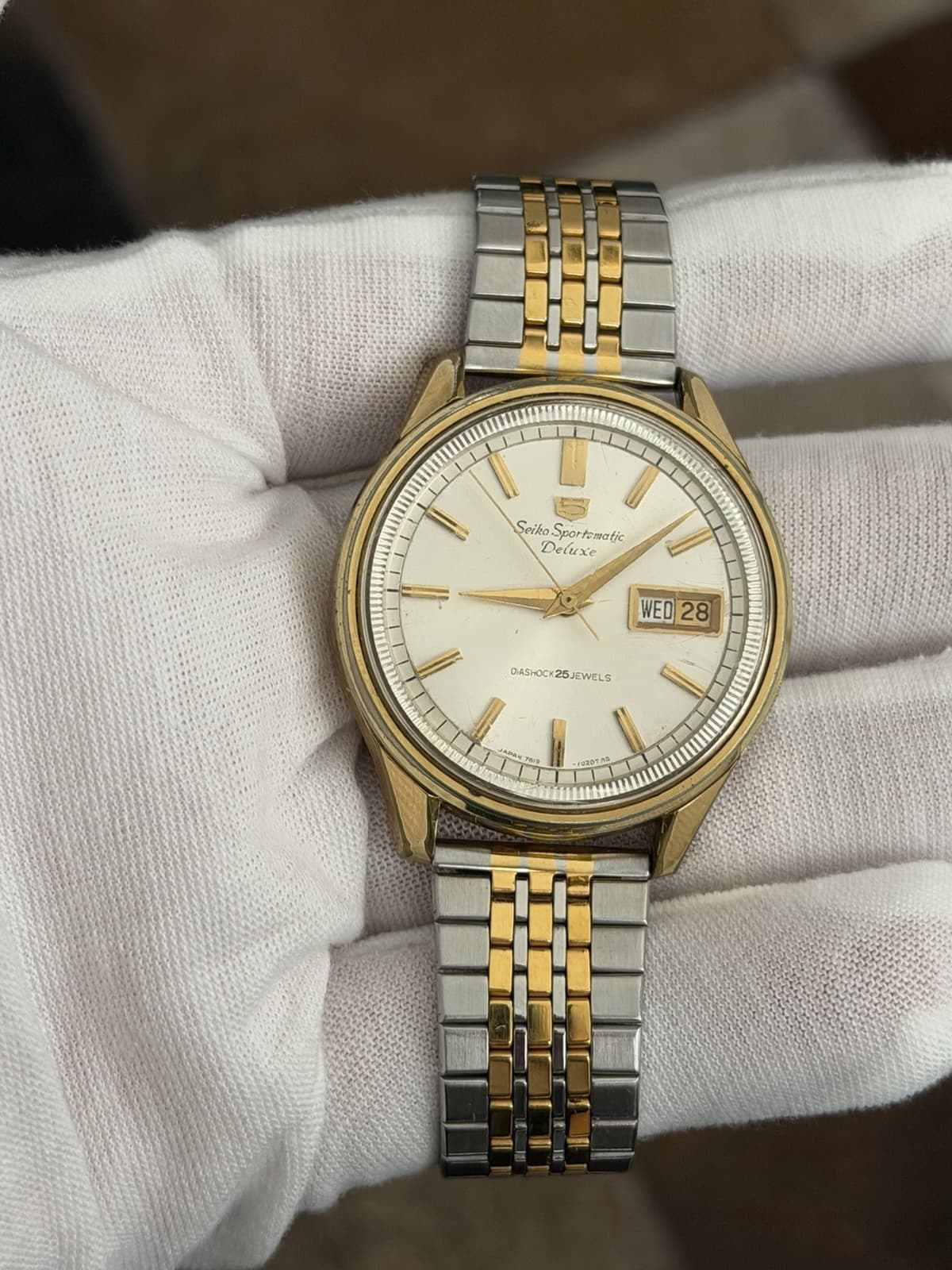
- Seiko 5 Sportsmatic Deluxe 7619-7010 Men’s Vintage Automatic Dress Watch JDM 60s — 5 available
- Seiko 5 5126-7020 Men’s Vintage 23J Automatic Dress Sports Watch JDM 1960s — 3 available
- Seiko 5 Actus 6106-7420 Men’s Vintage Automatic Dress Sports Watch JDM 1960s — 1 available
The Seiko Story
Six prototypes of a new wristwatch were finished in Tokyo the day before the Great Kanto earthquake. On September 1, 1923, quake and fire destroyed the Seikosha factory, the shop, Kintaro Hattori's house and roughly 1,500 customers' clocks and watches awaiting repair. Hattori, then 62, replaced every one free of charge and was back in business by November 20. When the watch shipped in 1924 he dropped its planned name, Glory, for Seiko, a fresh start and the first product to carry the brand. His first shop had opened in 1881 in present-day Ginza, Seikosha in 1892, and the Laurel of 1913 was Japan's first wristwatch.
Two rival plants drove the postwar catalog: Suwa Seikosha in Nagano built the first Grand Seiko in 1960, and Daini Seikosha in Tokyo answered with King Seiko in 1961. The Seiko 5 of 1963 was Japan's first automatic day-date, and Seiko timed the 1964 Tokyo Olympics. Then 1969: the 6139, the first automatic chronograph with a vertical clutch, and on December 25 the Quartz Astron, the first quartz wristwatch ever sold, at 450,000 yen.
The 06LC of 1973 was the first watch with a six-digit field-effect LCD. The 1980s went further: the 1982 TV watch, in Guinness by 1984 as the smallest television, and the 1984 UC-2000 computer watch, whose UC-2200 terminal ran Microsoft BASIC. The plain digital and ana-digi models sold alongside those experiments still surface in Japan by the drawerful.
As quartz took over, the mechanical flagships were cut: King Seiko and mechanical Grand Seiko both ended in 1975, and in 1985 Suwa Seikosha merged with its printer offshoot, Epson, to become Seiko Epson. Grand Seiko returned as quartz in 1988 and as mechanical with the 9S55 of 1998. Spring Drive, a mainspring regulated by quartz, followed in 1999.
The parent company, renamed Seiko Group Corporation in October 2022, sits in Ginza, where the group's 1932 clock tower reopened in June 2022 as Seiko House Ginza. Seiko Watch Corporation makes the Seiko lines, Seiko 5 Sports to GPS Solar Astron; Grand Seiko, a separate brand since 2017, is built in Iwate and, for Spring Drive, at Seiko Epson in Nagano. King Seiko returned in full in 2022, the Seiko name turned 100 in 2024, and 2026 brought 145th anniversary limited editions. Every vintage Seiko in this shop carries the name Hattori chose after the fire of 1923.