Vintage Orient Watches
Vintage Orient is genuinely hard to find outside Japan, which is exactly where these come from. King Divers, dress automatics, and oddball quartz all pass through here, each one photographed individually. There is only one of each, and similar pieces can take a while to resurface.
Read the detailed Orient history17 Orient timepieces in stock


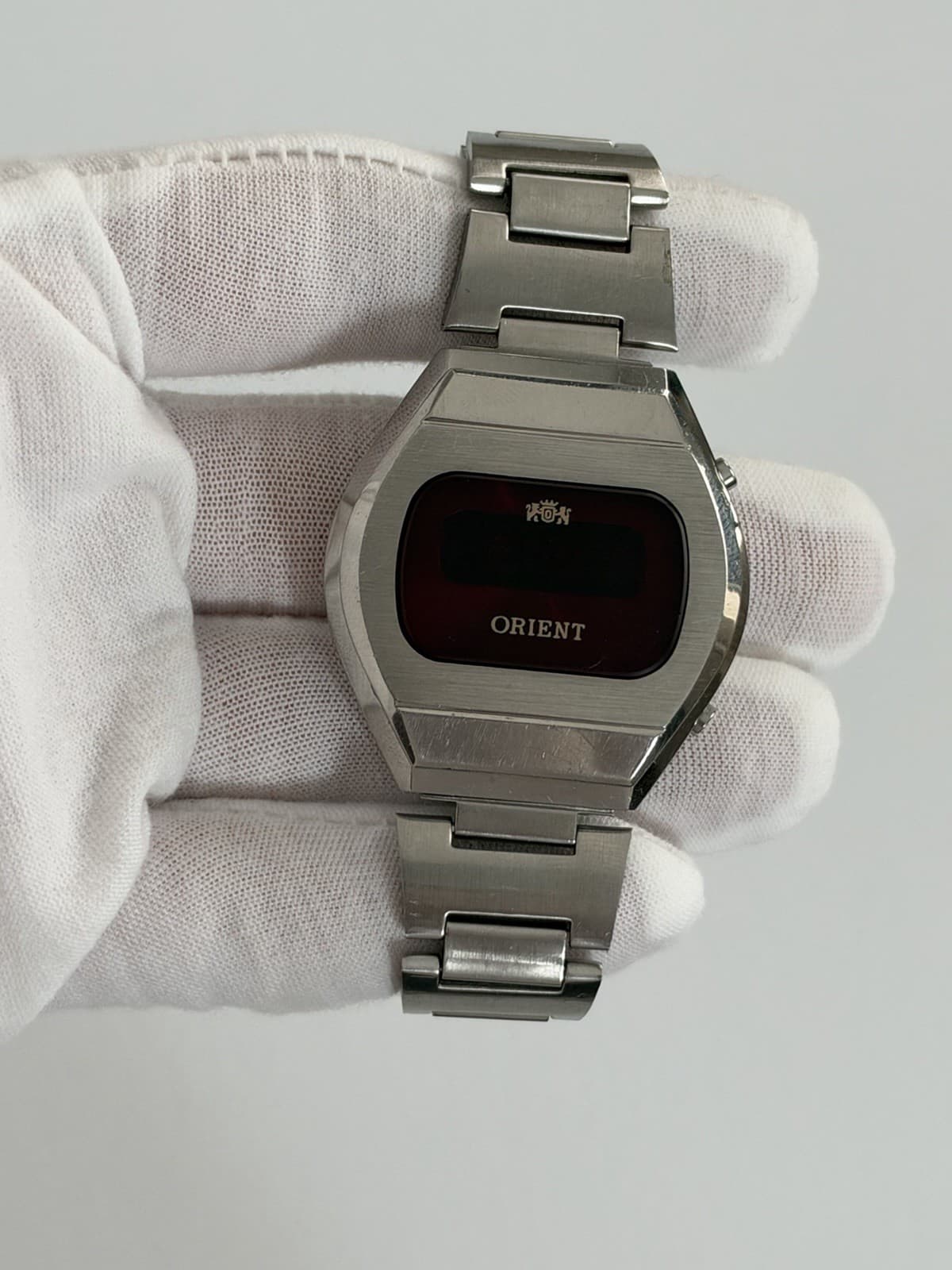
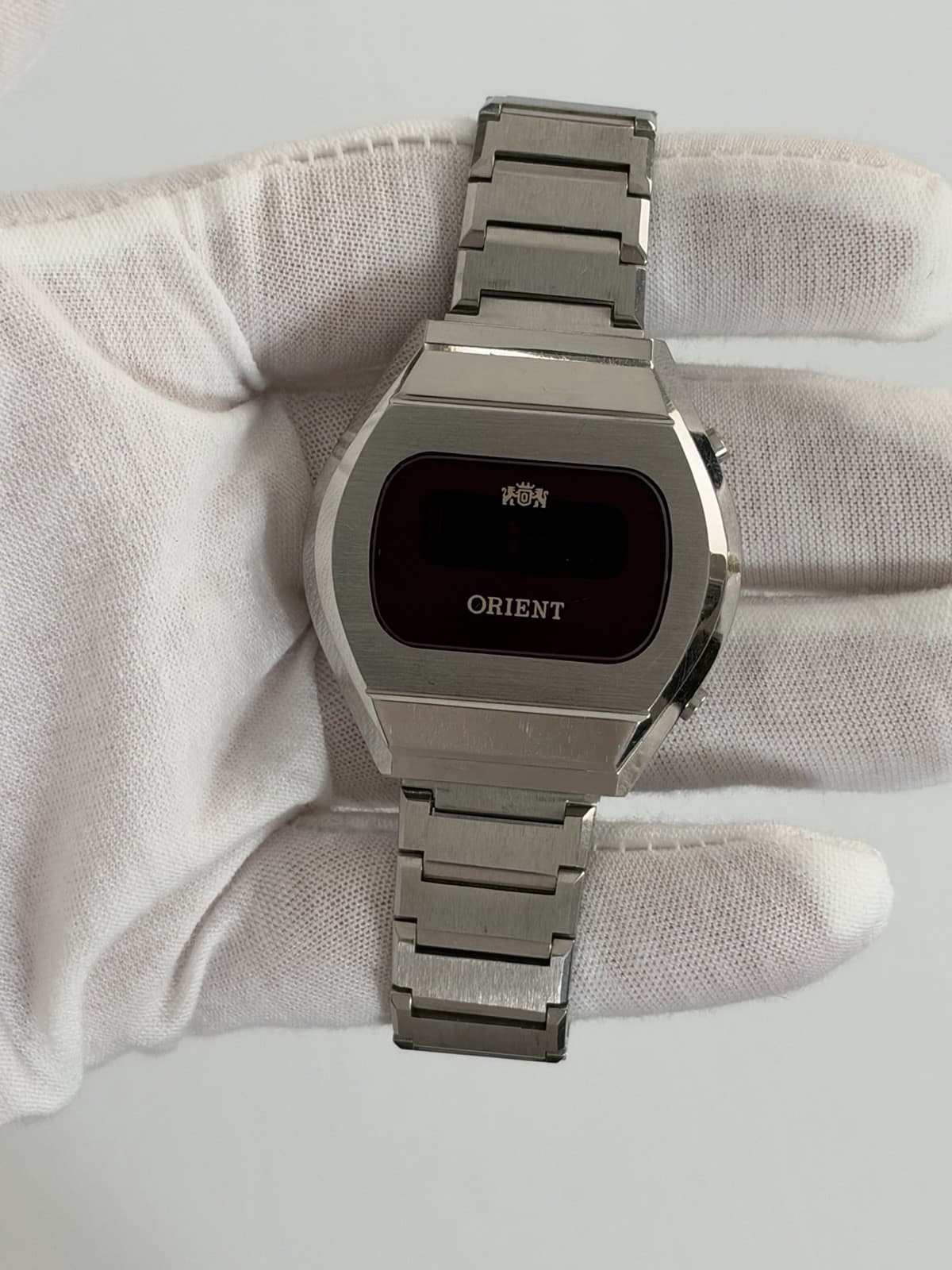


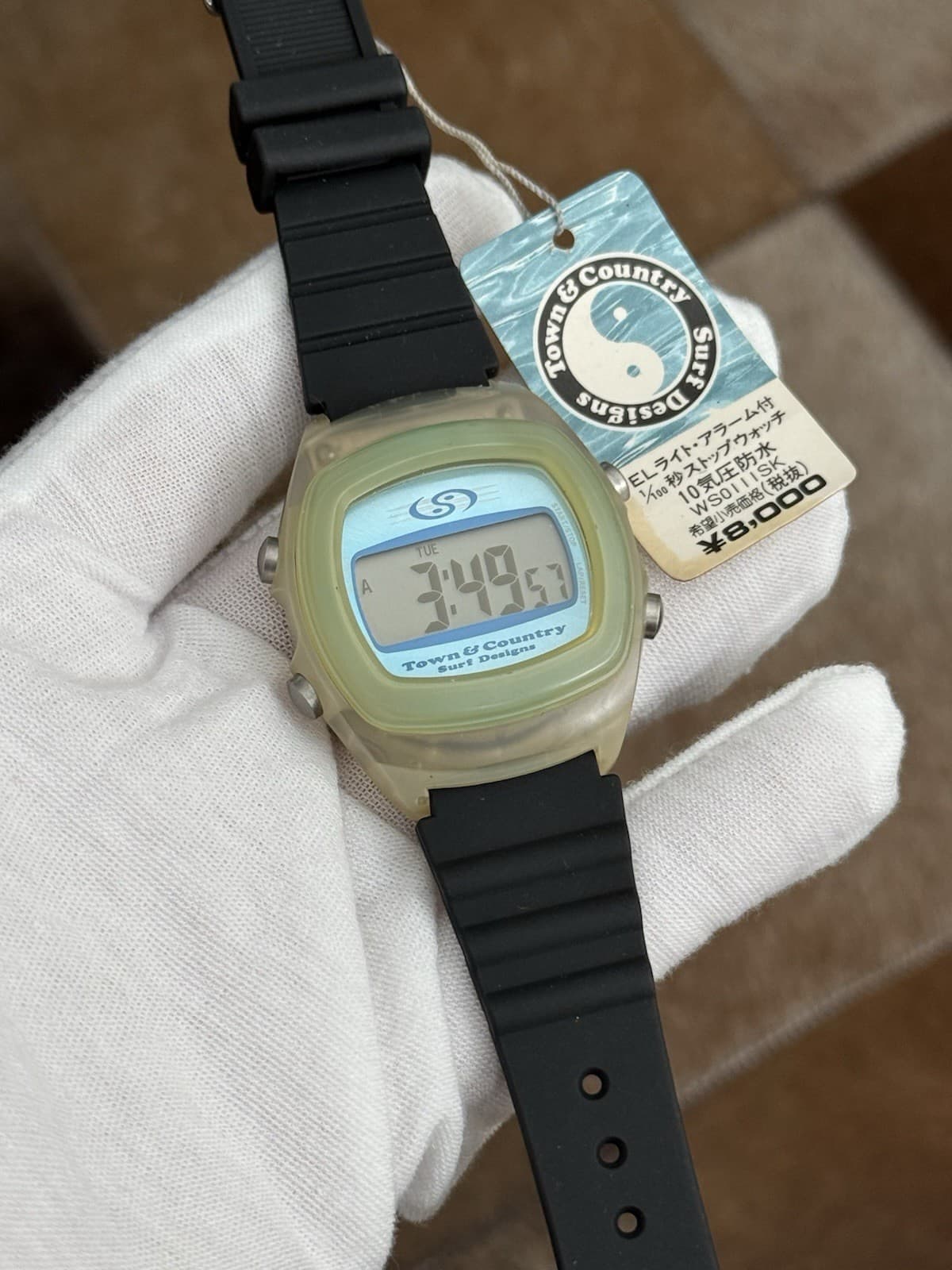
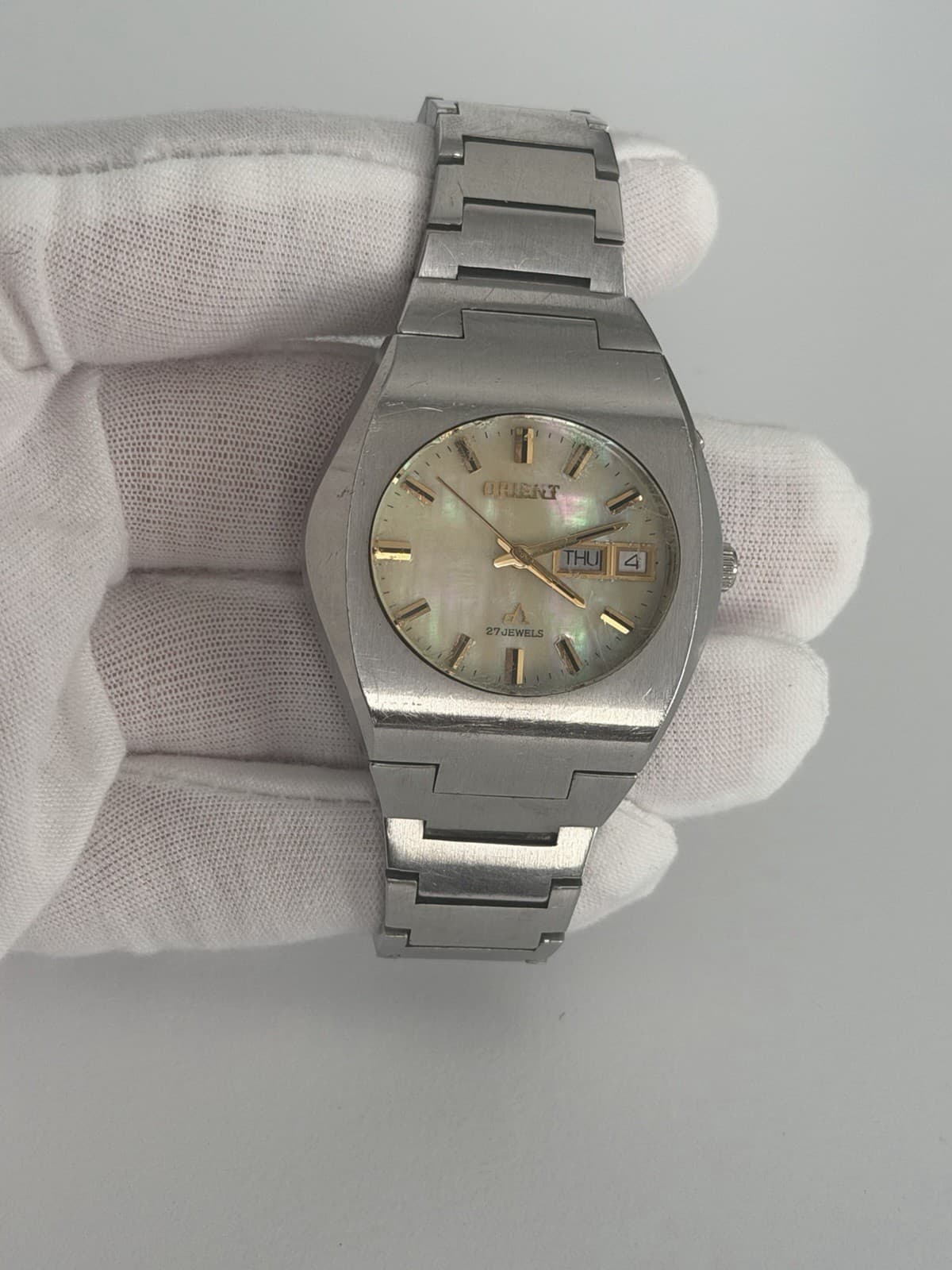

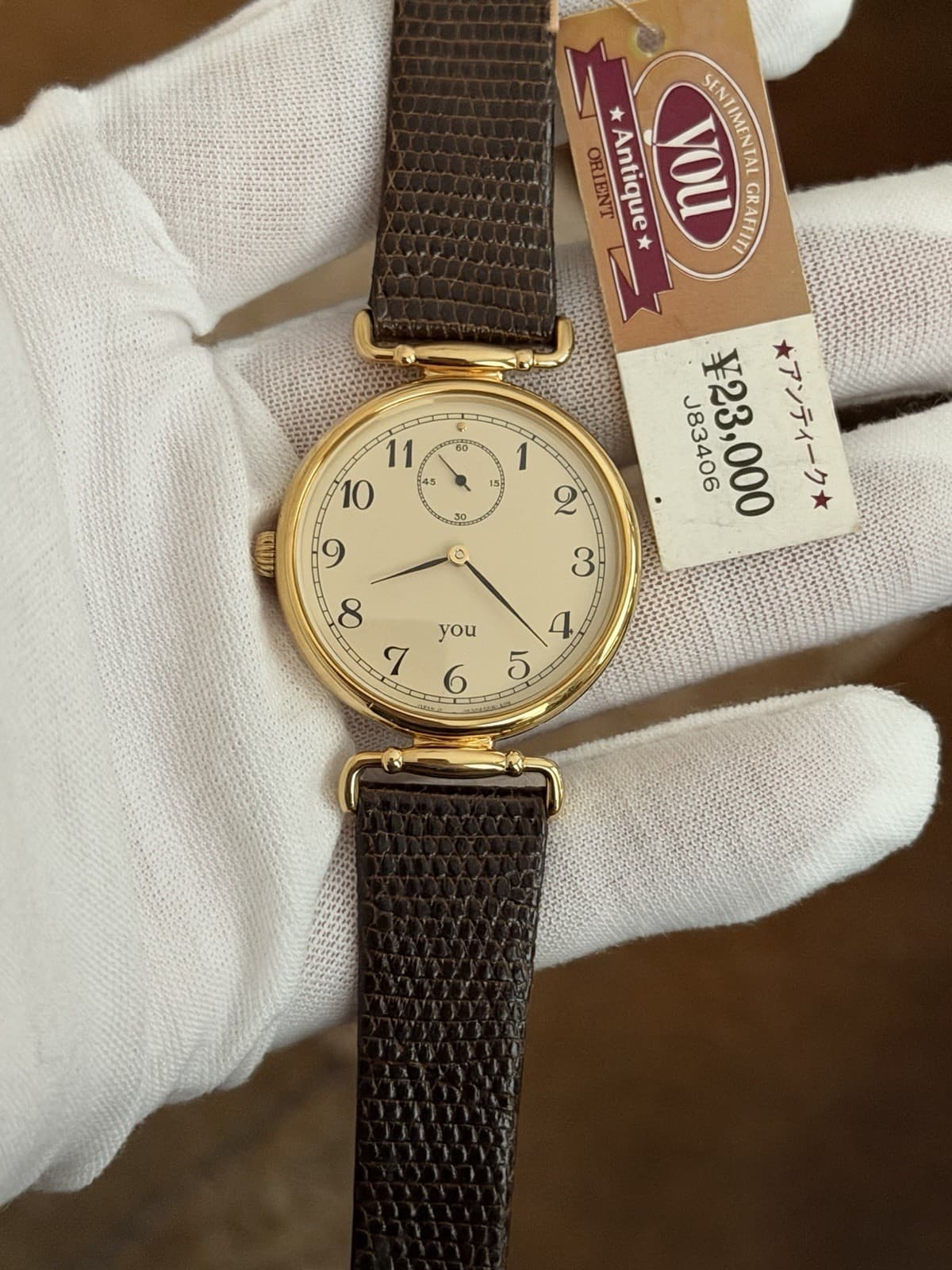
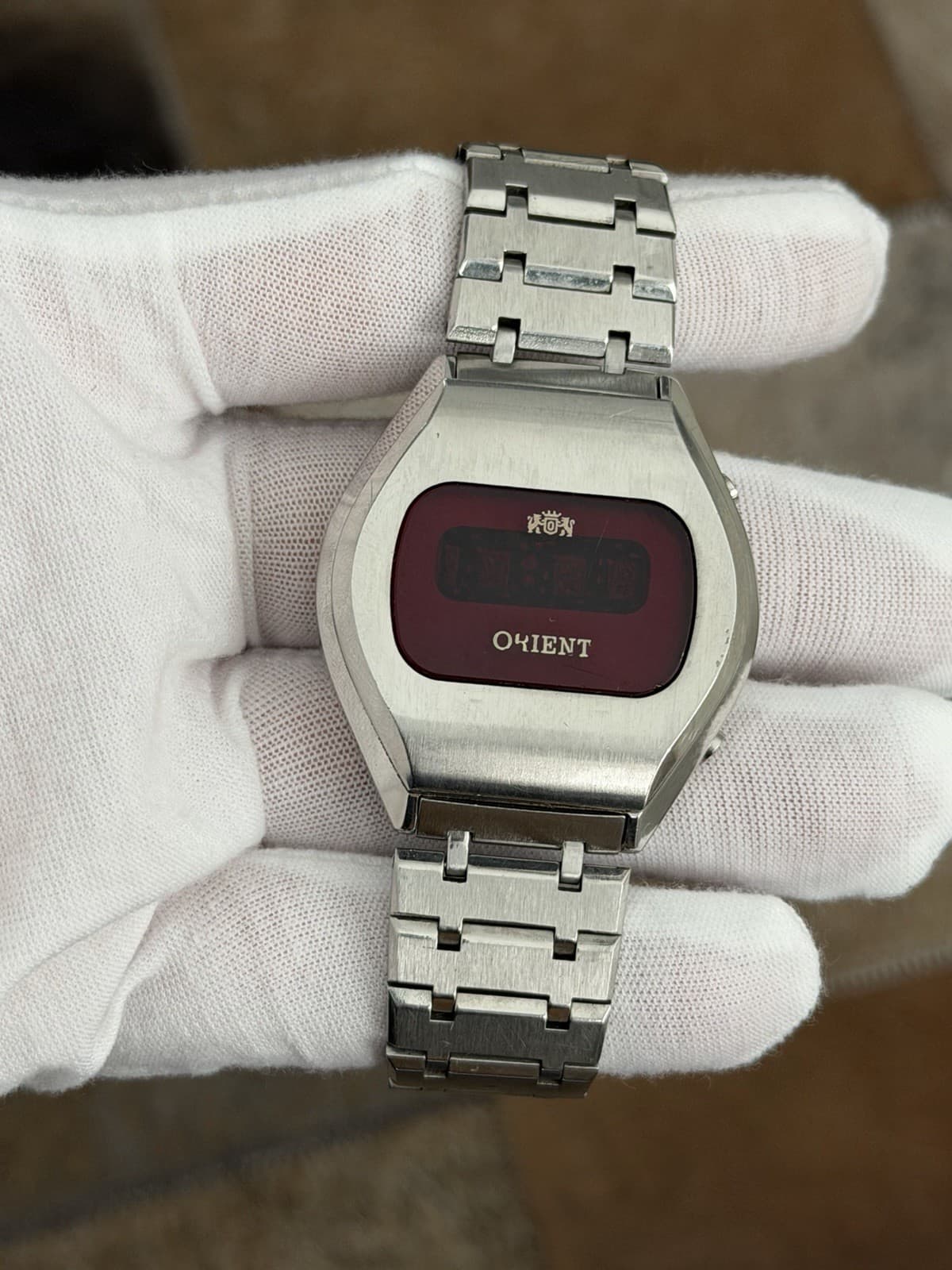

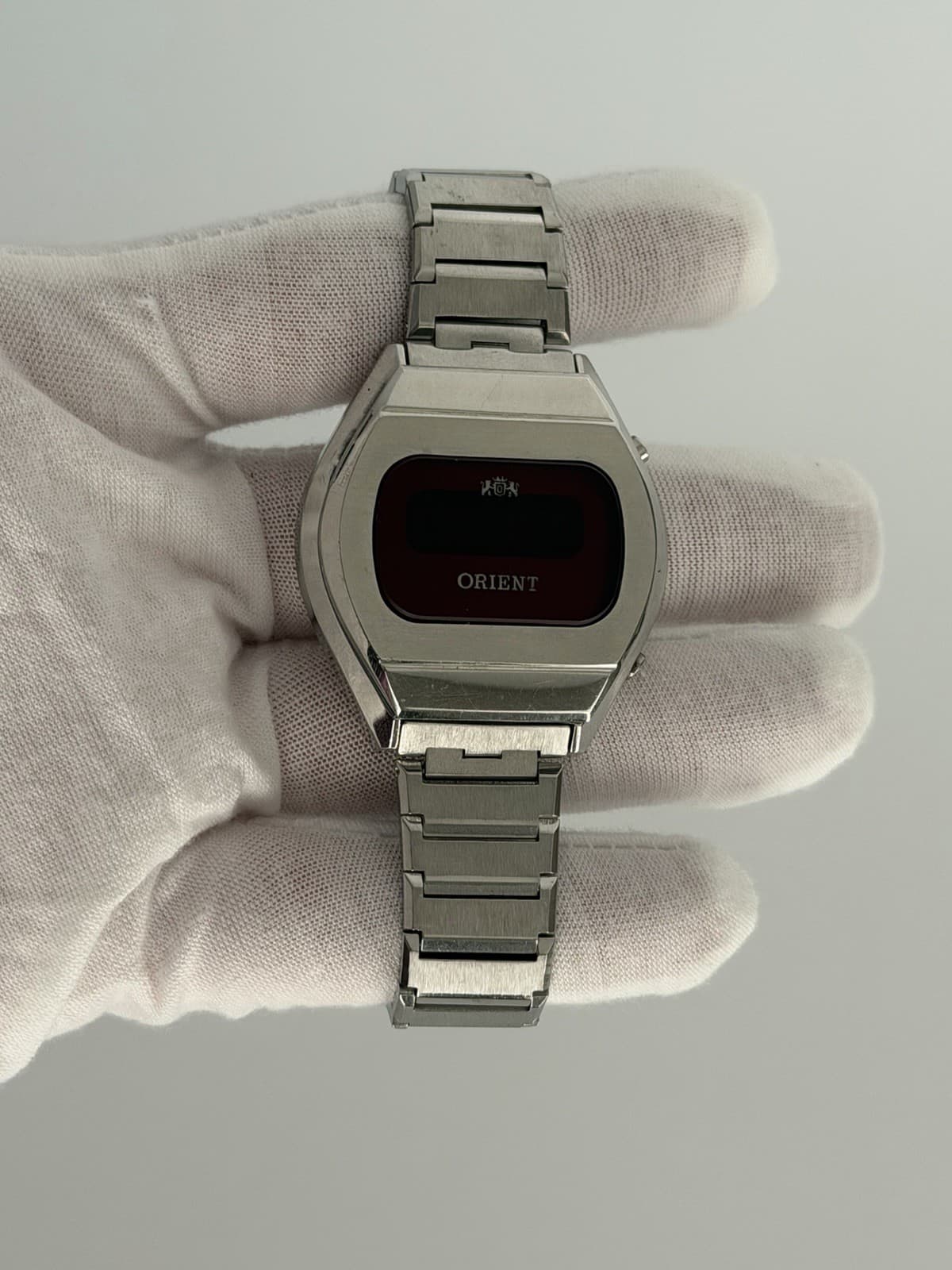
Compare Orient watches by model
The Orient Story
Orient began in a dead company's factory. Toyo Tokei, descended from Shogoro Yoshida's 1901 Ueno shop selling imported pocket watches, built a Hino, Tokyo plant in 1936 and closed in 1949, a casualty of the postwar devastation. In July 1950 former Toyo Tokei employees founded Tama Keiki, rented the idle Hino plant and mass-produced the New Orient wristwatch. In 1951 it became Orient Watch Company and launched the Orient Star.
In the 1960s jewel race, the 1964 Grand Prix 100 jumped from 64 to 100 jewels, far more than it needed. The 1965 Weekly Auto Orient King Diver put its rotating dive bezel inside the case, under the crystal; the 1967 Fineness carried the 3.9 mm caliber 3900, then billed as the world's thinnest automatic day-date movement. The keystone came in 1971: the caliber 46, a practical automatic built under license from Seiko's 7006 design, which Orient says has been its base movement for fifty years.
Quartz hit in the 1970s and Orient answered sideways. With Sharp it built the 1976 TouchTron, an LED watch that lit up when you touched the case, yet kept building automatics on the 46 while rivals went quartz. Seiko Epson, a printer-parts partner since the mid-1980s, bought a majority stake in 2001, the rest in 2009, and in 2017 moved the watch business into the Epson group, leaving the old company a dormant shell.
Seiko Epson, based in Nagano Prefecture, runs Orient and Orient Star as separate brands, mostly automatics on in-house movements from Akita Epson in Akita Prefecture. That shell is gone too, absorbed on February 1, 2026. Orient turned 75 in 2025 with limited Bambinos wearing the cursive 1950s logo; Orient Star, counting from 1951, marked its own 75th in 2026 with serial-numbered editions. A new Bambino's F6 caliber is still a 46-type movement, so a 1970s Orient automatic shares its bones with the movements leaving Akita now.