Vintage Waltham Watches
Vintage Waltham watches sit at the center of American industrial watchmaking, spanning dependable pocket watches, precision railroad pieces, military watches, and dress wristwatches. Every watch is individually photographed and sold exactly as shown. Movement serials and grade markings make research unusually rewarding, while originality, case condition, and recent service should guide any purchase.
Read the detailed Waltham history6 Waltham timepieces in stock
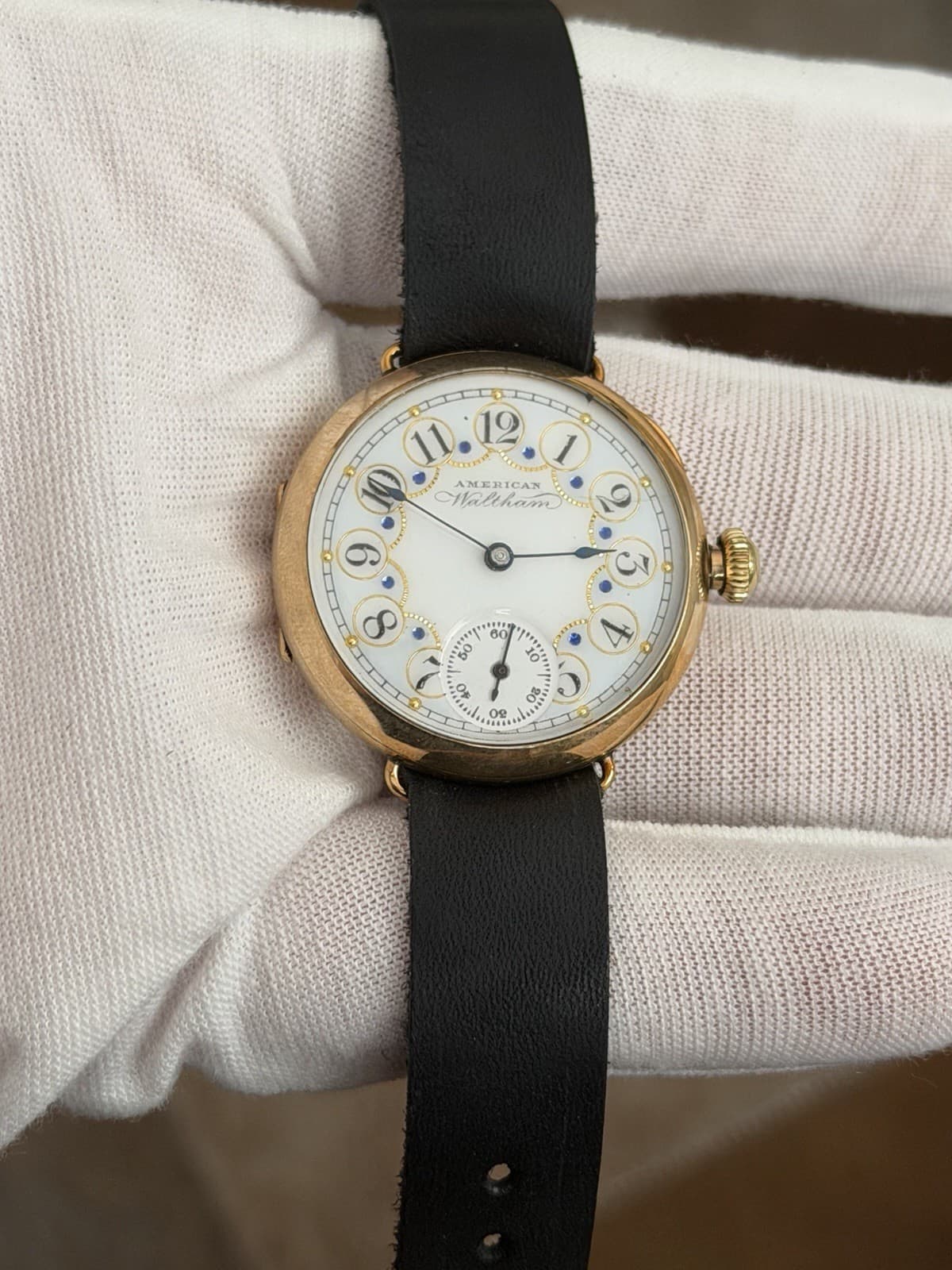
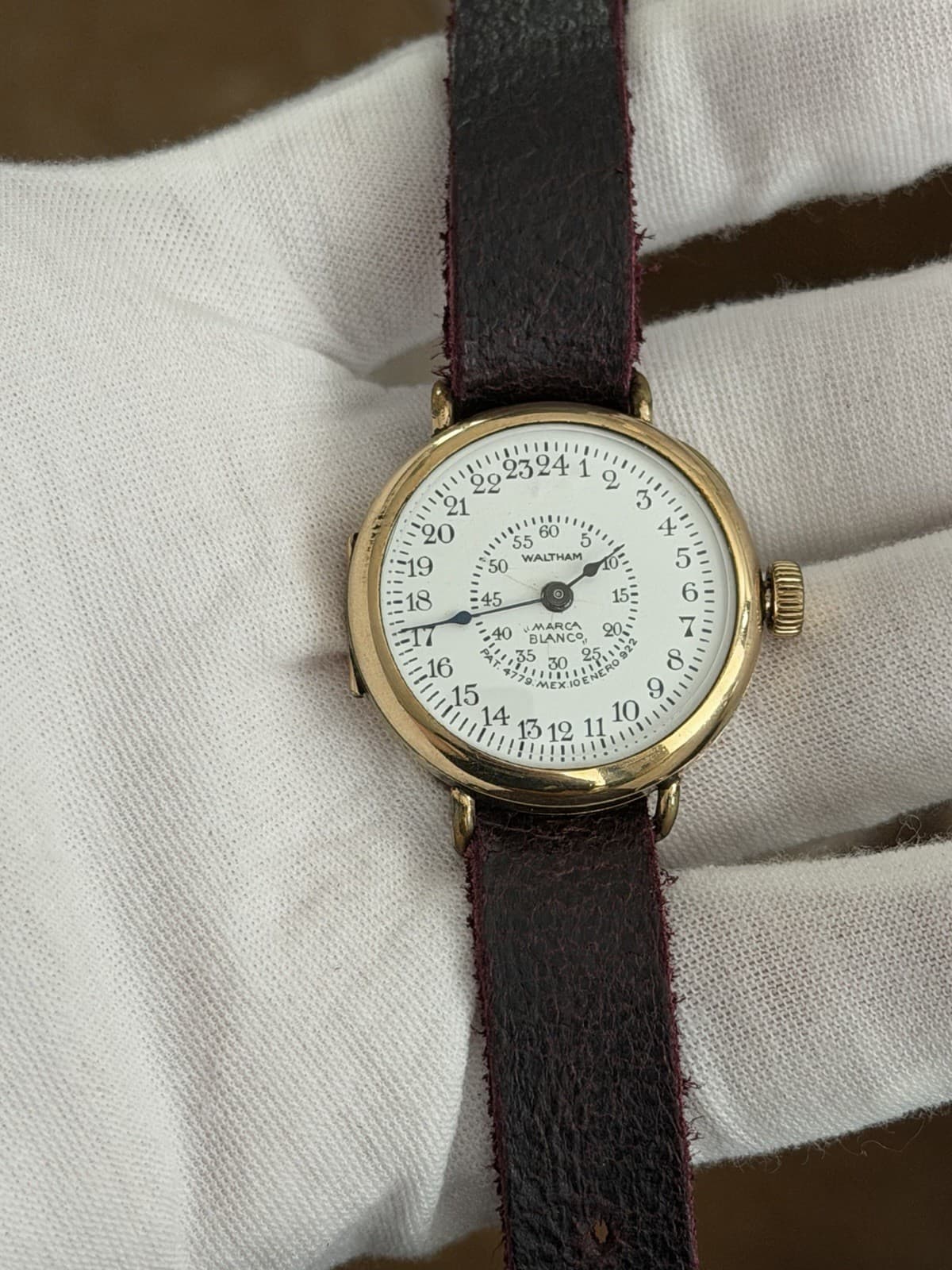
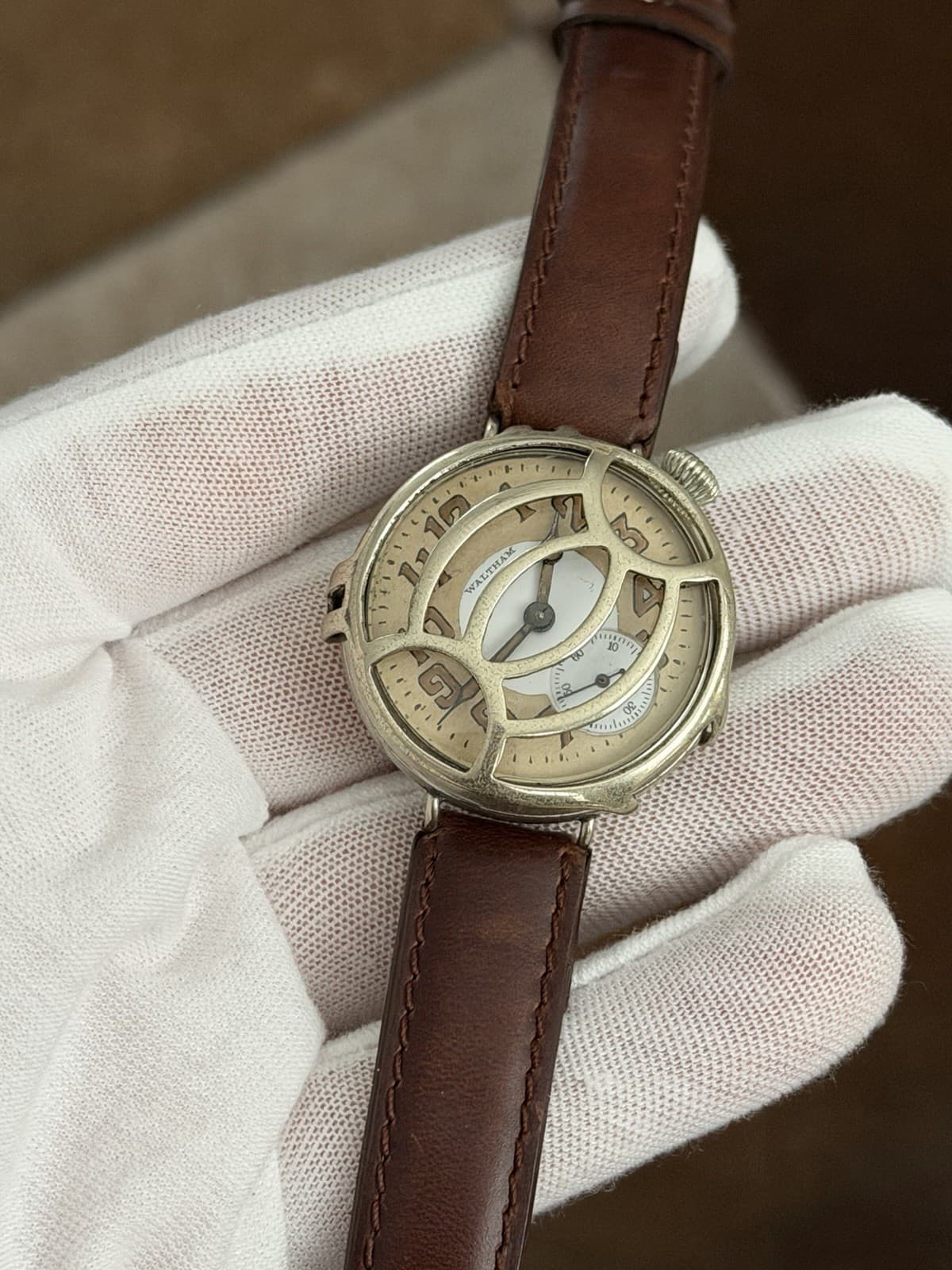
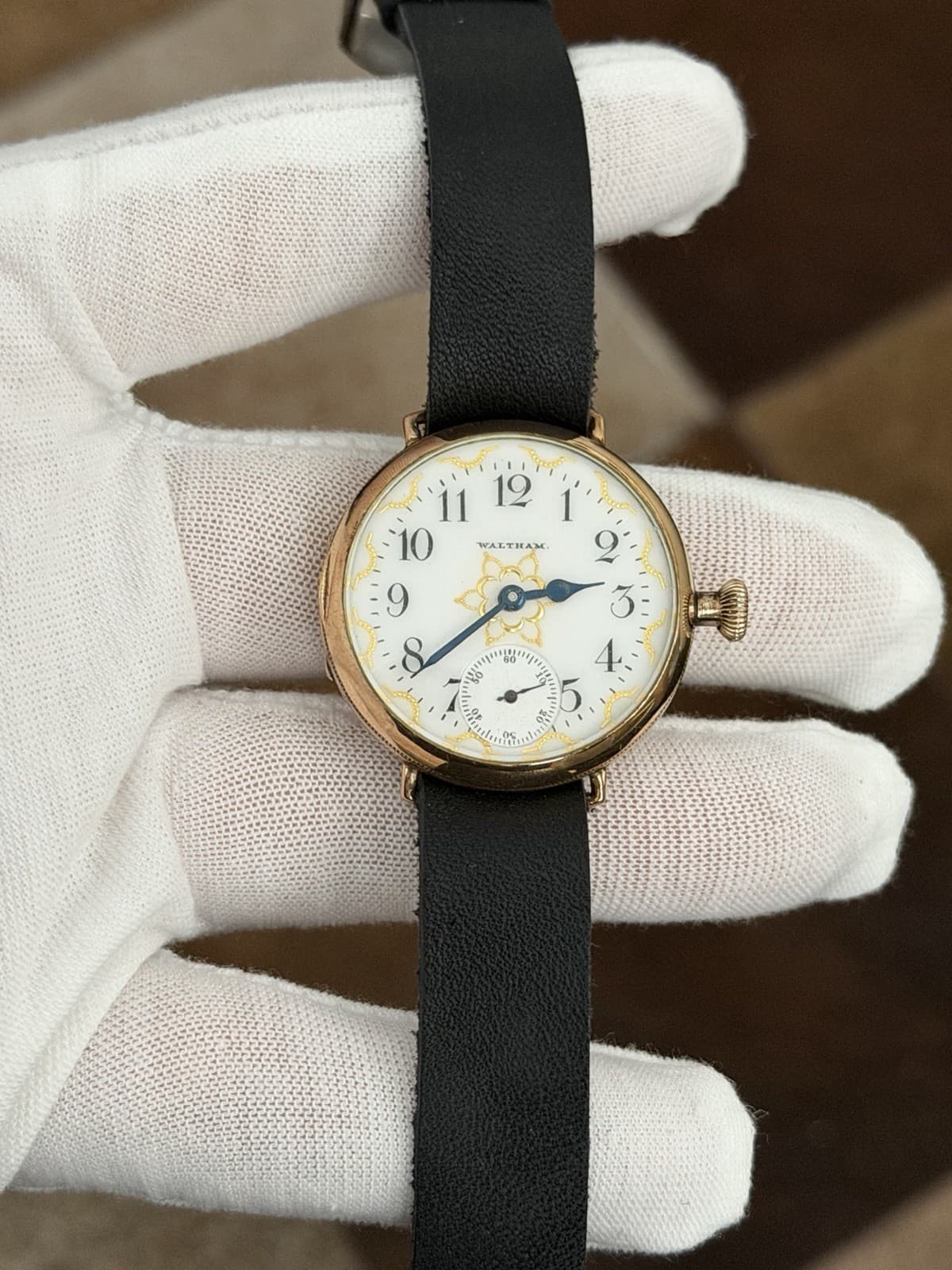
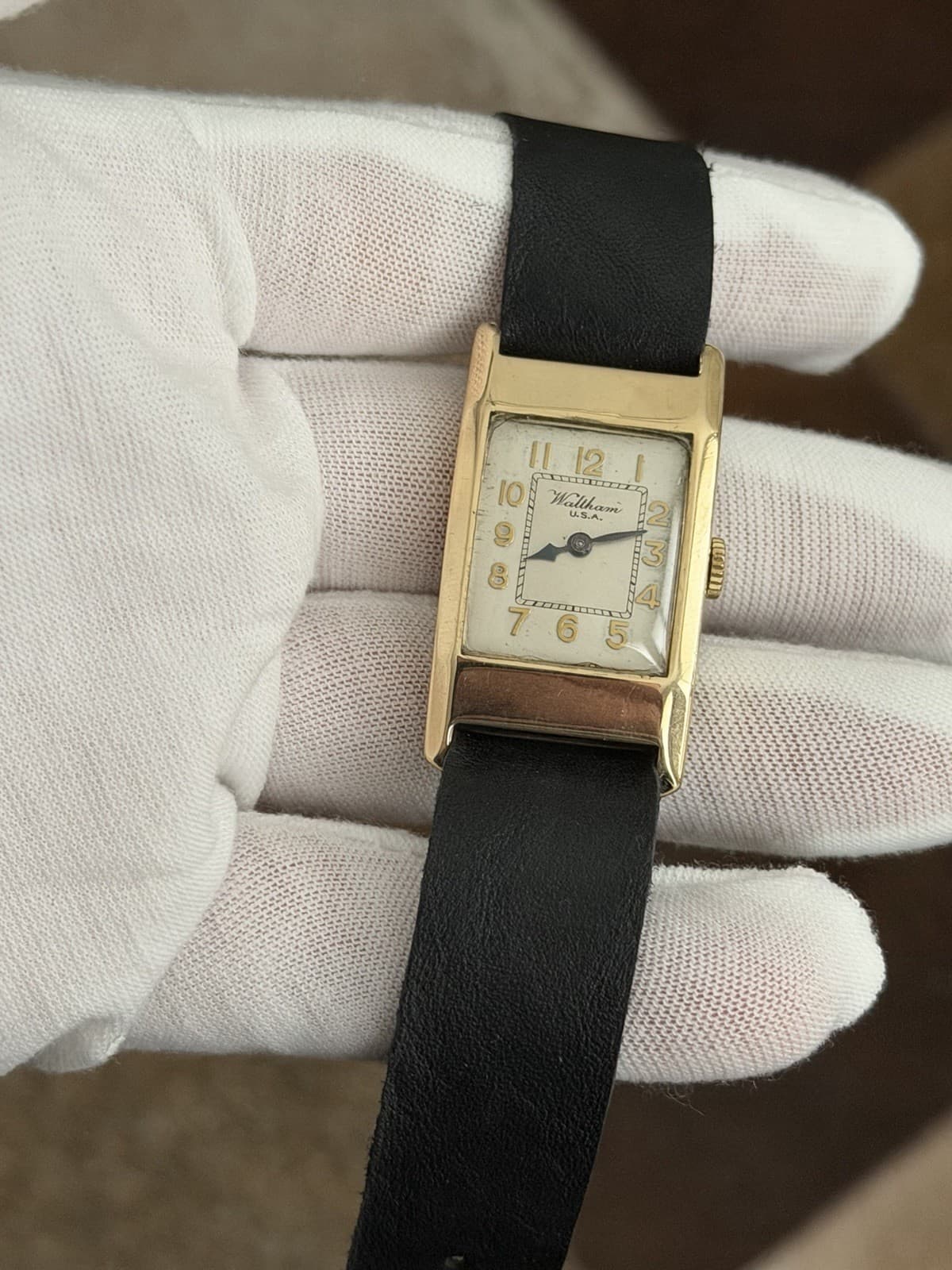
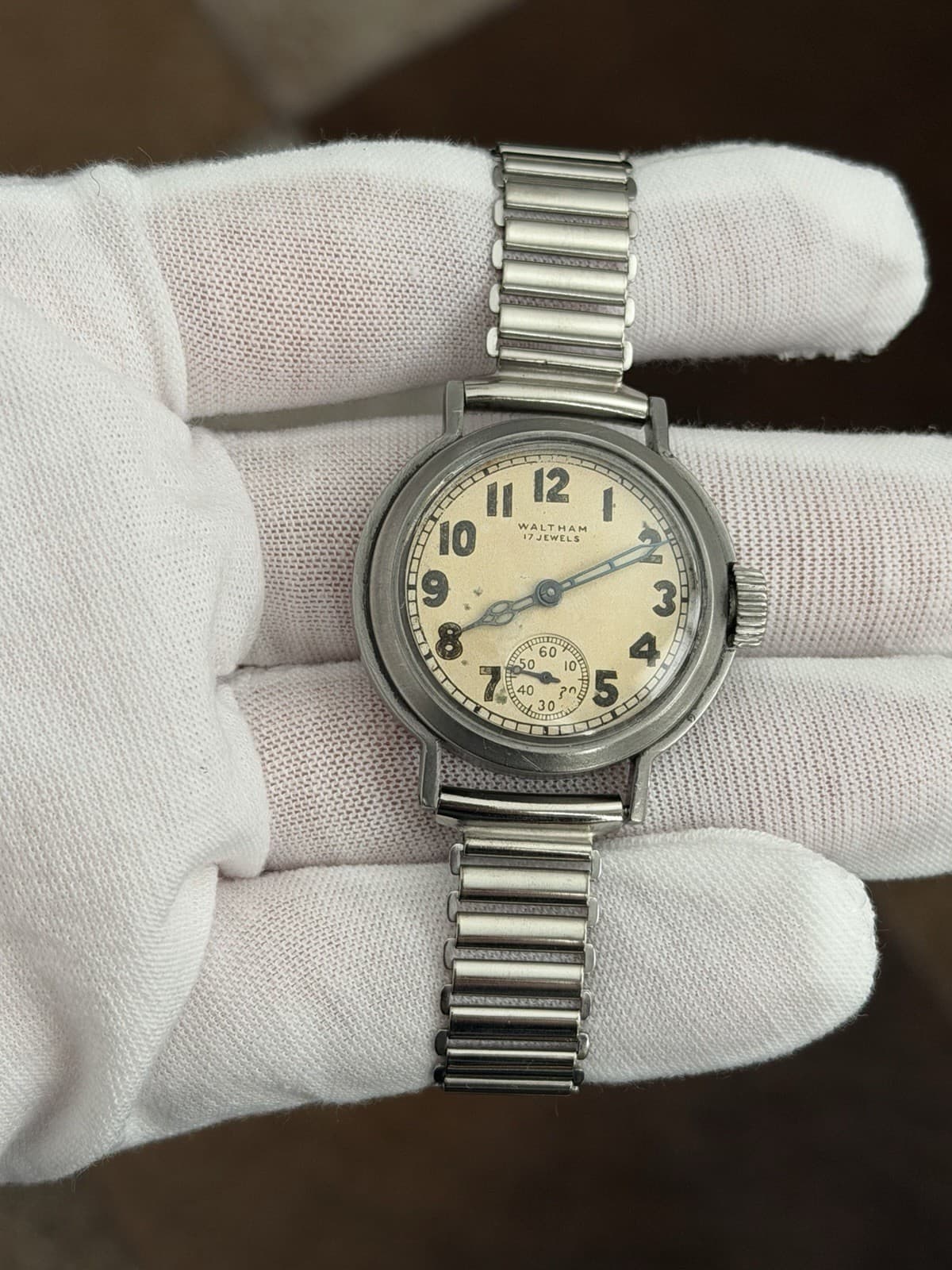
Compare Waltham watches by model
The Waltham Story
Waltham's roots reach to 1849–50, when watchmaker Aaron Lufkin Dennison and clockmaker Edward Howard set out in Roxbury, Massachusetts, to build watches with purpose-made machinery and repeatable parts. The operation moved to Waltham in 1854, seeking more room and cleaner conditions for precision work, and survived an 1857 insolvency under new owner-manager Royal E. Robbins. Its changing signatures trace the corporate succession: American Watch Company from 1859, American Waltham Watch Company from 1885, and Waltham Watch Company from 1906.
The company's defining achievement was a production system rather than one famous model. Waltham redesigned movements for machine production, developed specialized tooling, and organized work into repeatable factory operations, making reliable watches in quantities traditional hand fitting could not match. Civil War sales helped stabilize the business, and by the 1870s its exhibitions and exports advertised an American method that influenced both domestic rivals and Swiss manufacturing. Early parts were not interchangeable in the absolute modern sense, but Waltham moved watchmaking decisively toward standardized industrial production.
Scale did not mean a single level of quality. Waltham made affordable daily-use movements alongside finely finished and adjusted work, progressing from key-wound full-plate pocket watches to stem-wound designs in many sizes and to precision watches accepted for railroad service. As the wristwatch displaced the pocket watch, the company produced smaller calibers and dress and military wristwatches, while its machinery and skills also served clocks, speedometers, aircraft instruments, and wartime contracts. That breadth explains why jewel count, adjustment, grade, model, and condition matter more than the name alone when comparing vintage Walthams.
The enormous plant that enabled Waltham's success became difficult to sustain amid changing demand, internal instability, and foreign competition. Financial and managerial trouble deepened from the 1910s, a strike beginning in 1924 lasted thirteen months, the Depression weakened the company, and World War II contracts brought only a temporary revival. Waltham filed for federal reorganization in 1948; limited watch and defense work resumed, but Massachusetts watchmaking wound down during the 1950s as the watch and precision-instrument businesses separated. Specialized clocks and instruments continued under successors, which is why a simple closed-in-1957 ending misses part of the story.
For collectors, start with the movement rather than the dial signature. Waltham's surviving production records allow a movement serial number to estimate date and identify model, grade, size, jewel count, and adjustment, although surviving tables can contain mixed runs and approximate dates. Pocket-watch cases were often supplied separately, so their maker and serial should be evaluated independently; railroad claims should be checked against the watch's actual specifications and period rules. Later imported, licensed, or successor-made watches can also bear the Waltham name, so Massachusetts provenance, originality, and recent competent service all deserve verification.