Vintage Alba Watches
Alba was Seiko's Japan-only youth brand, which means almost none of these watches were ever sold in the West. What you see is the exact watch that ships, and there is only one of each. When it goes, the next one to surface may take months.
Read the detailed Alba history55 Alba timepieces in stock
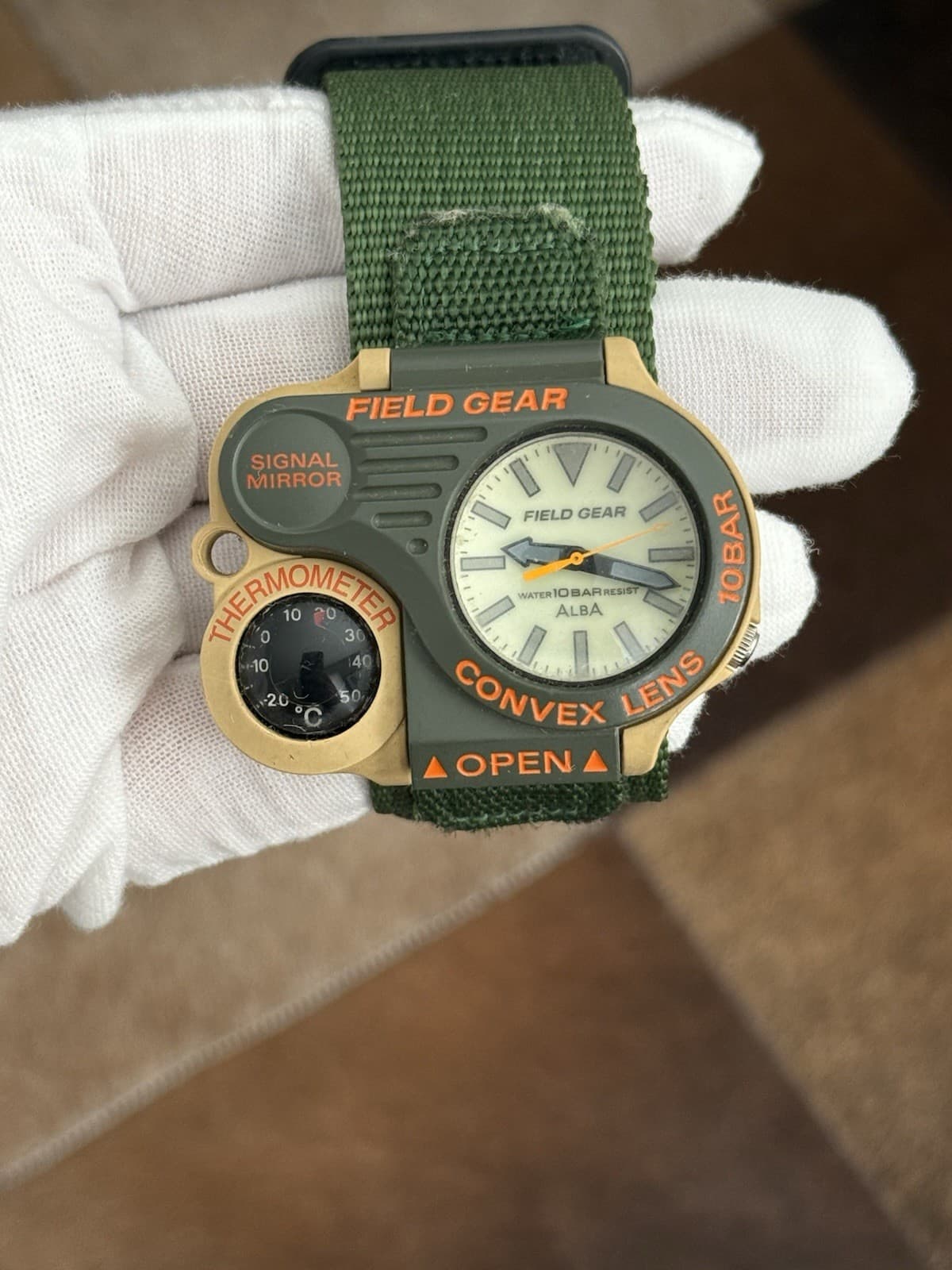
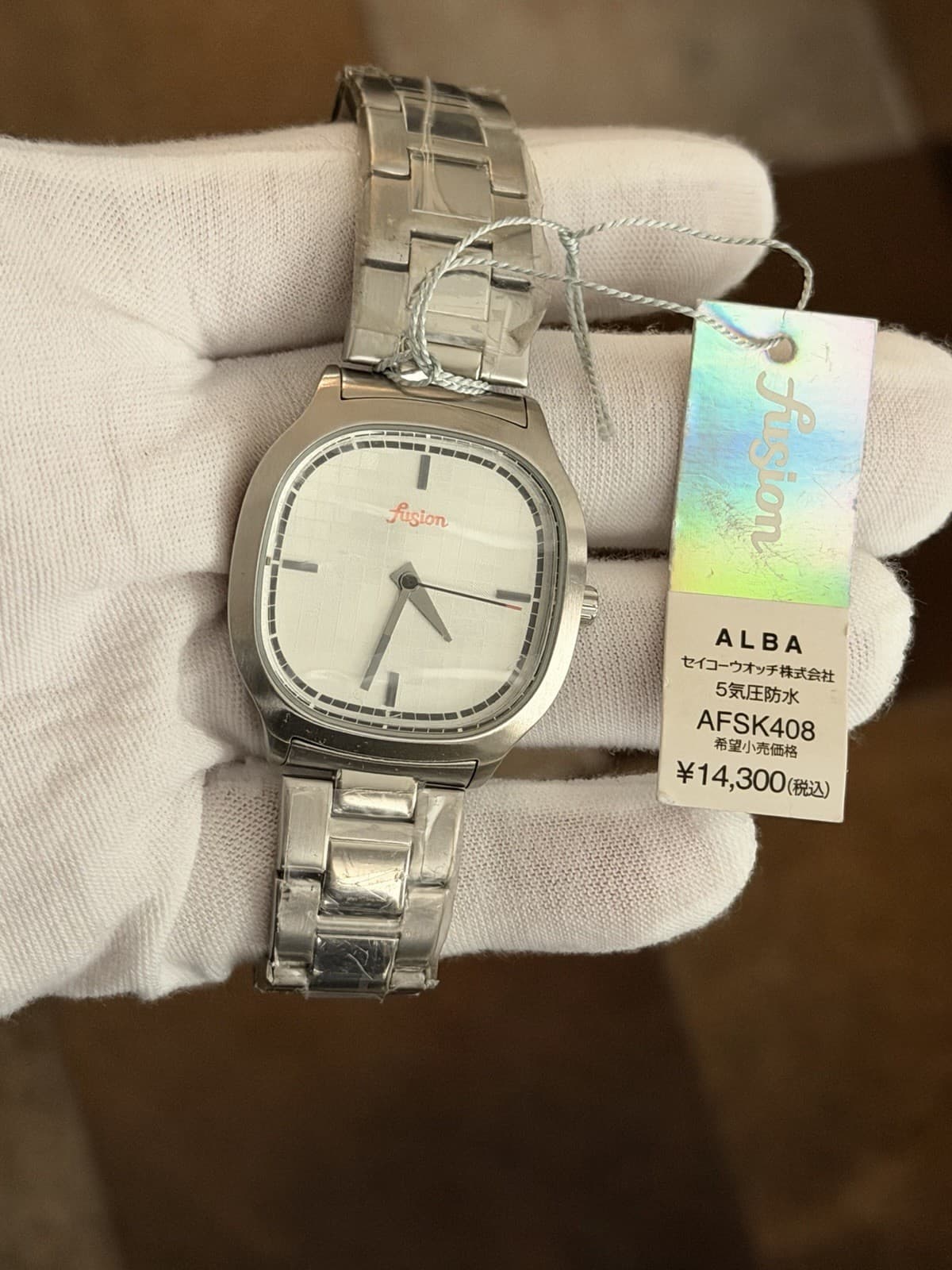
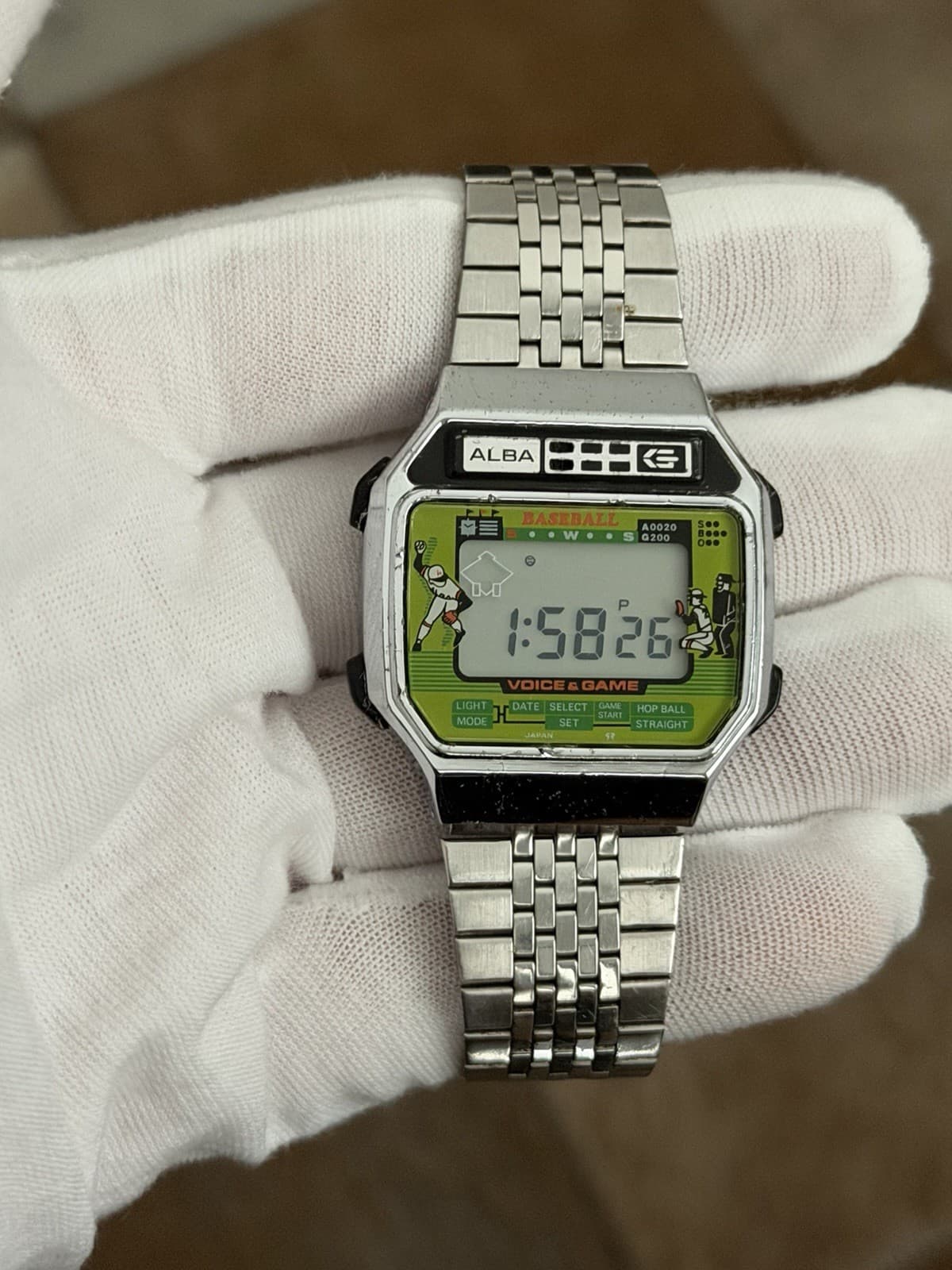
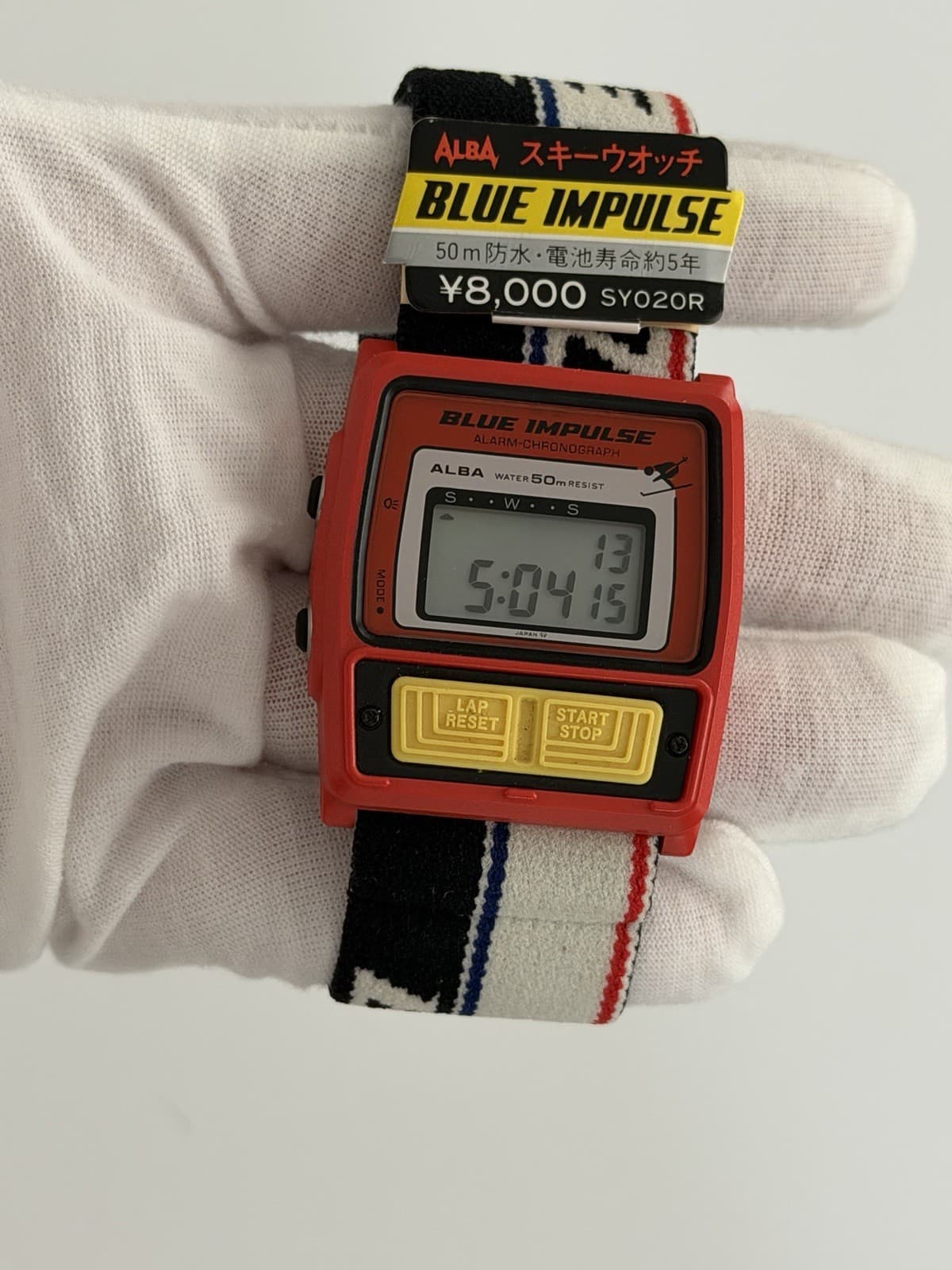
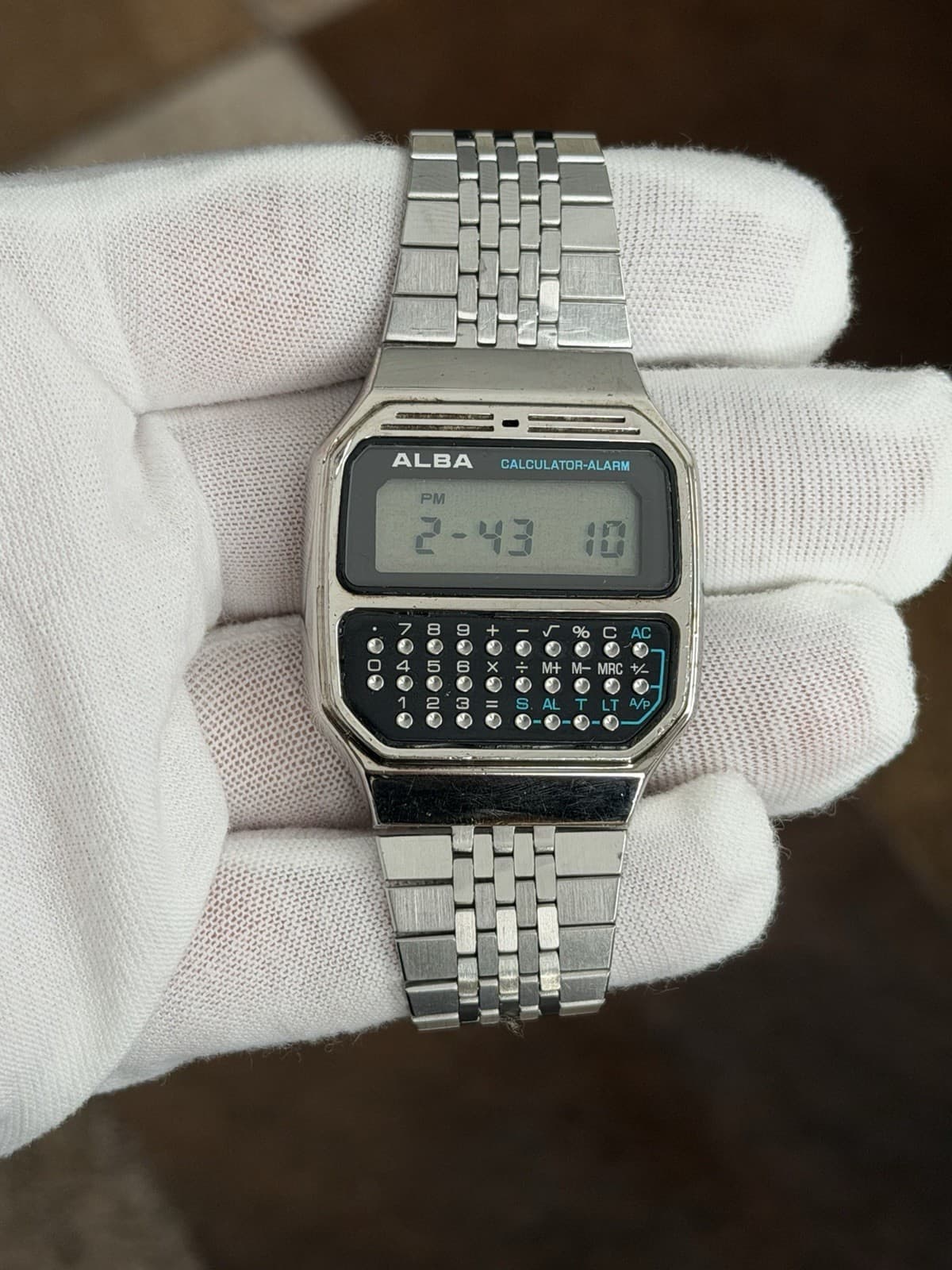
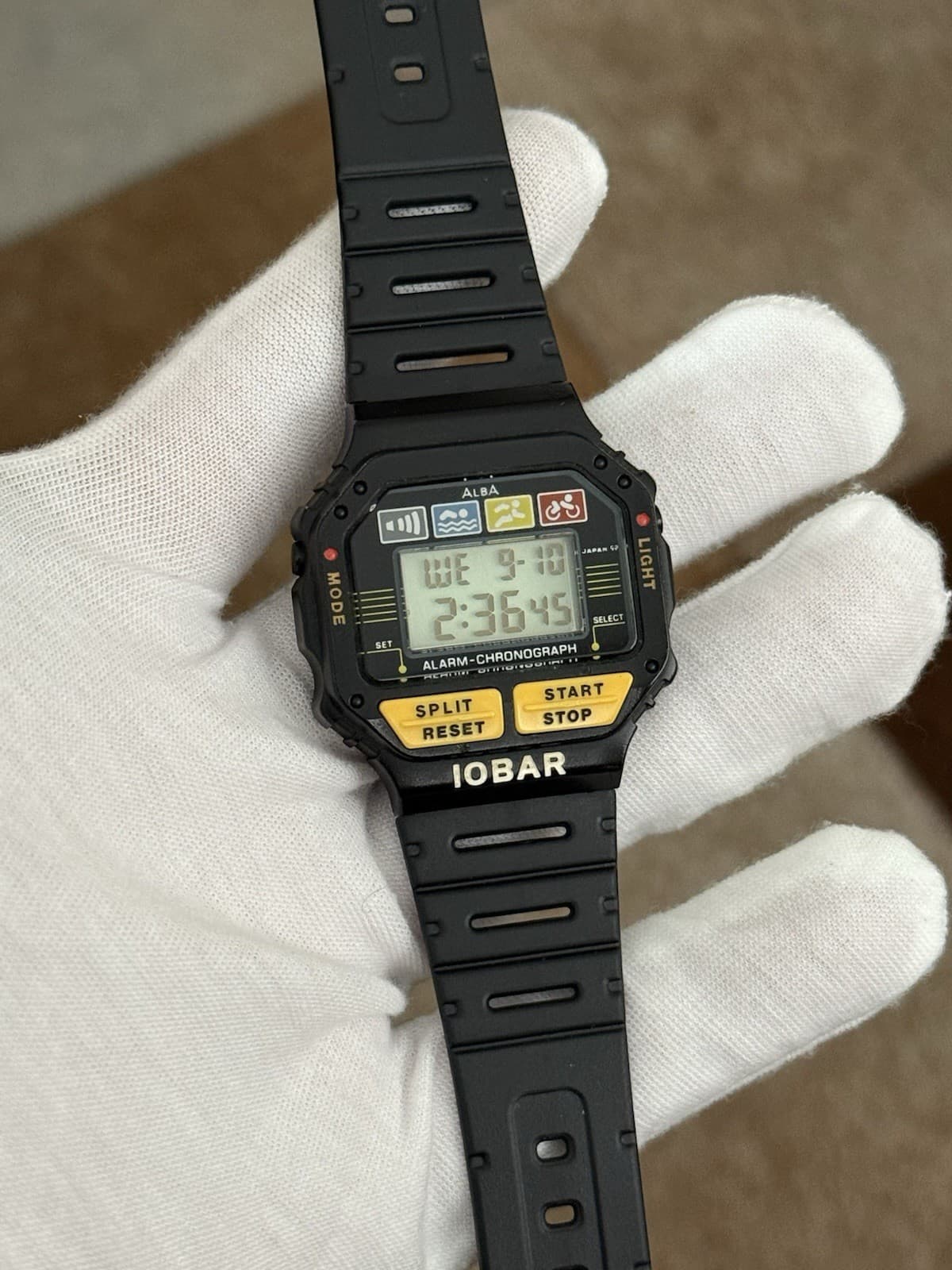
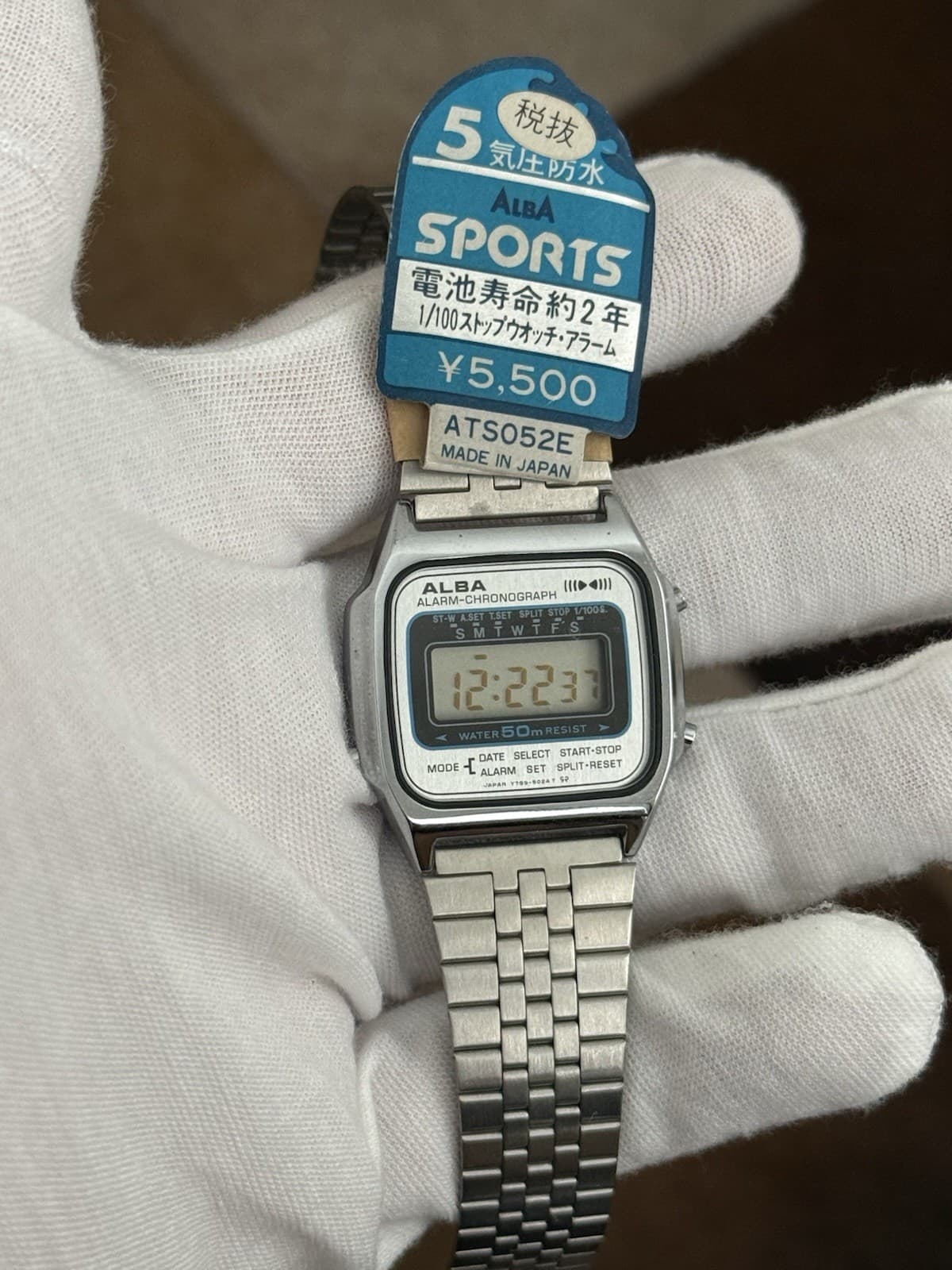
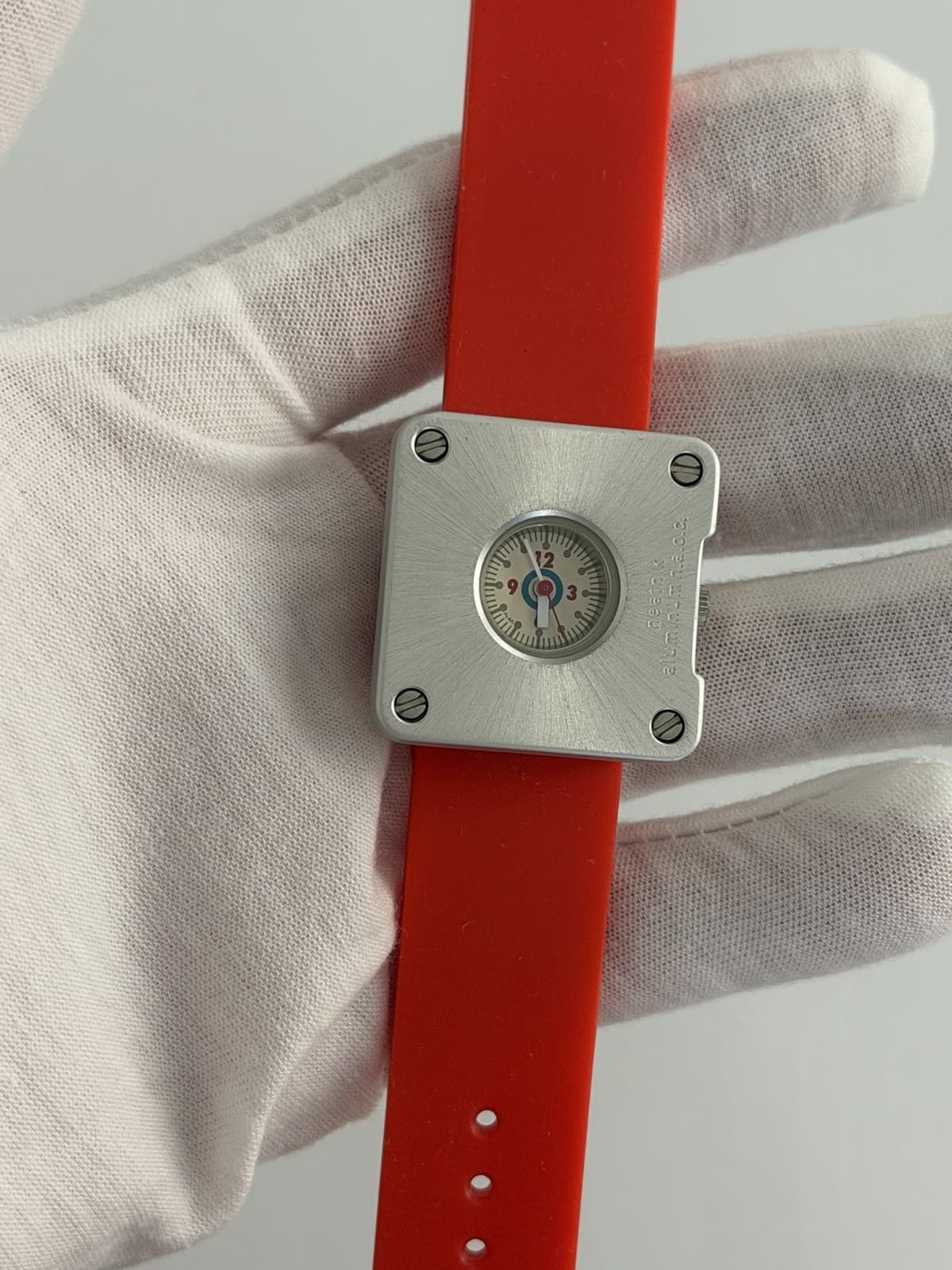
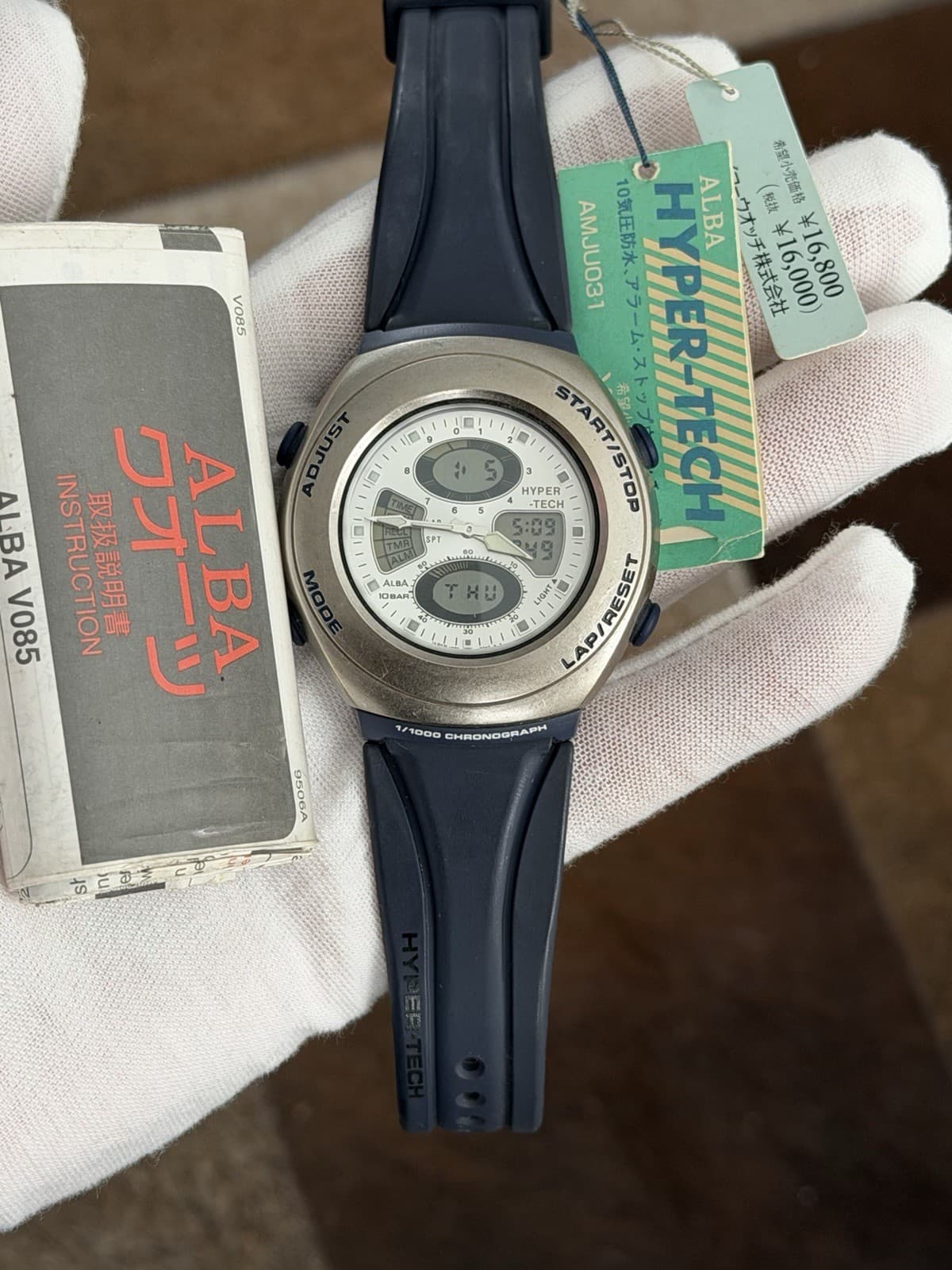
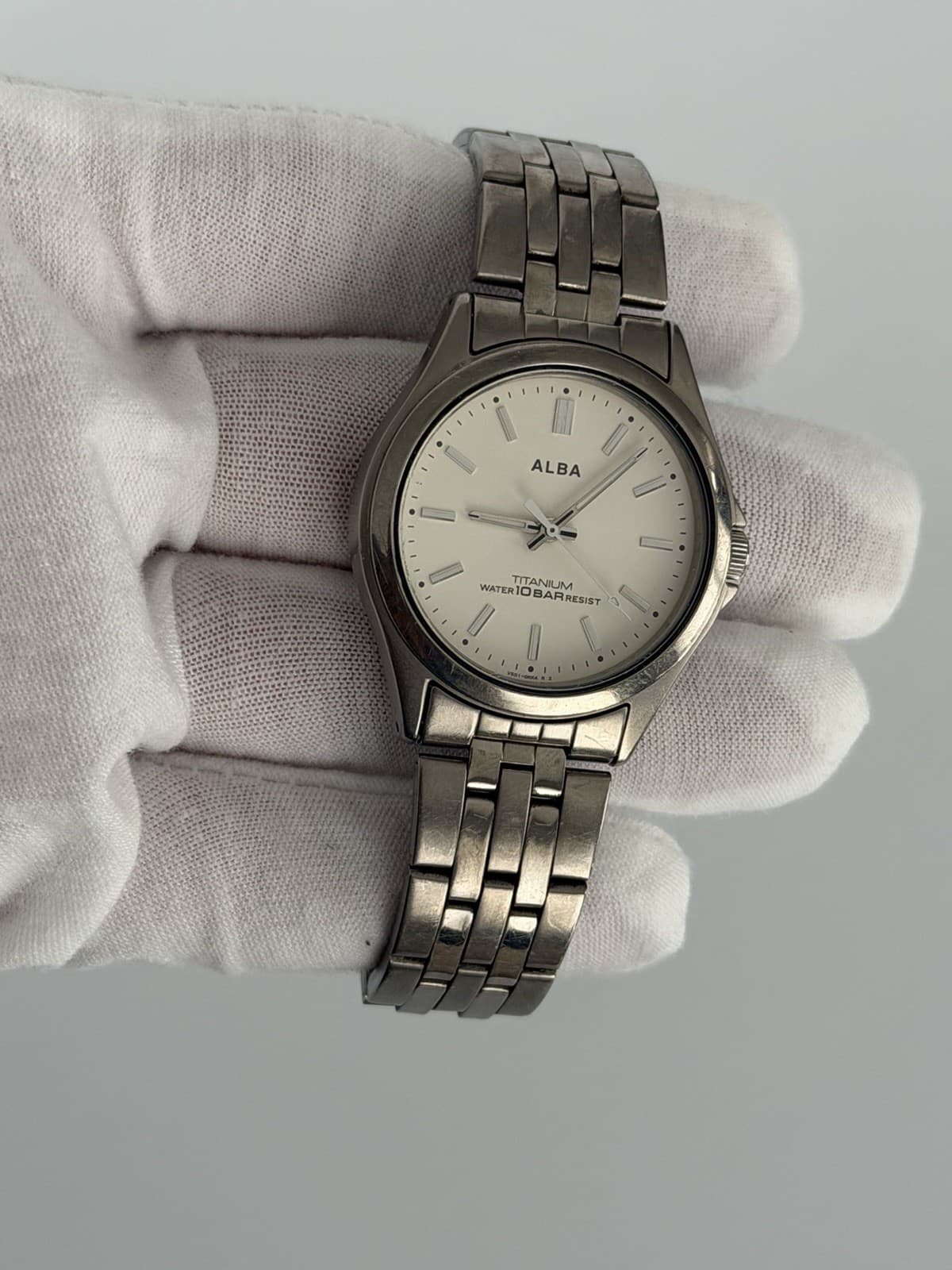
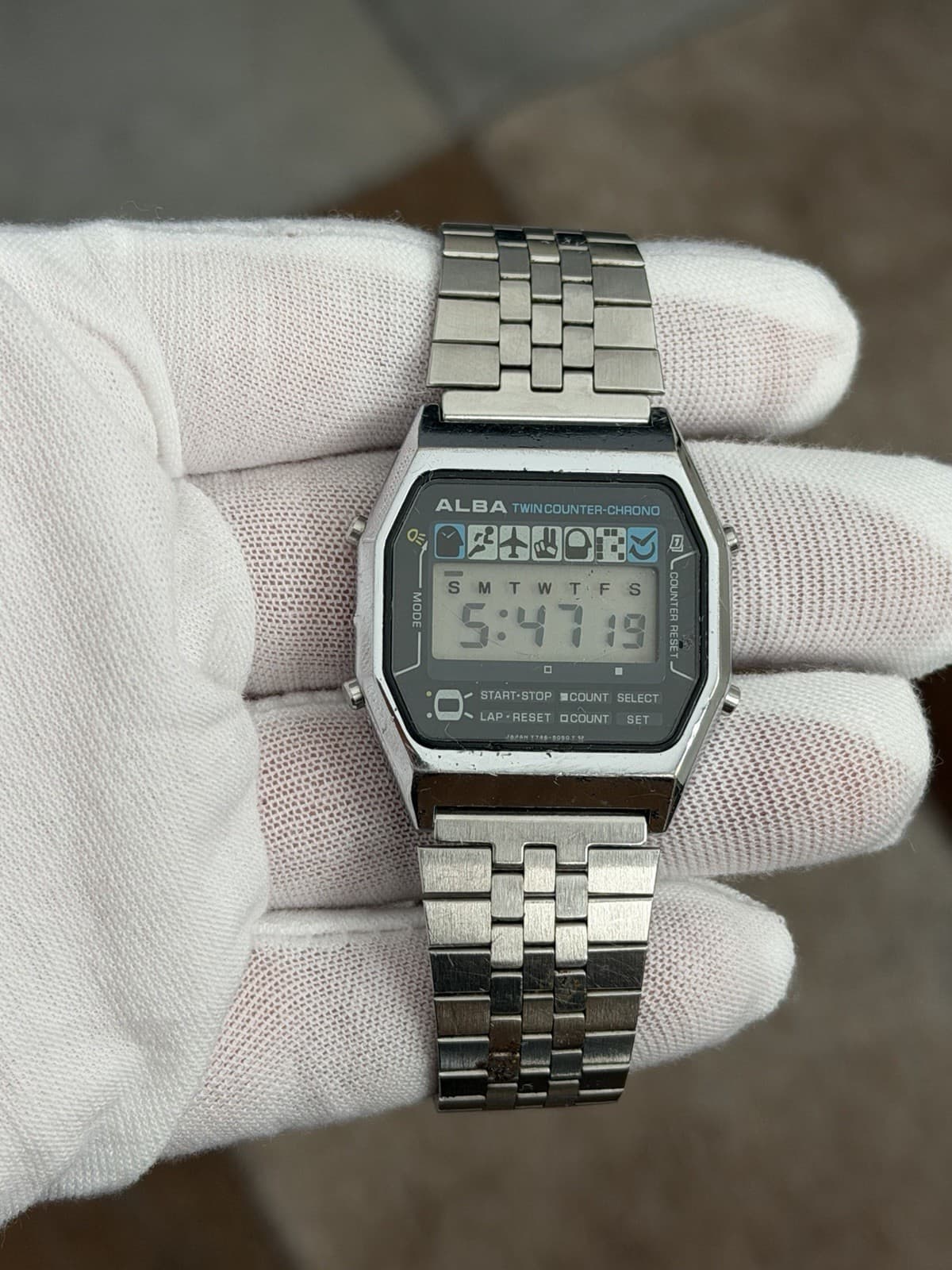
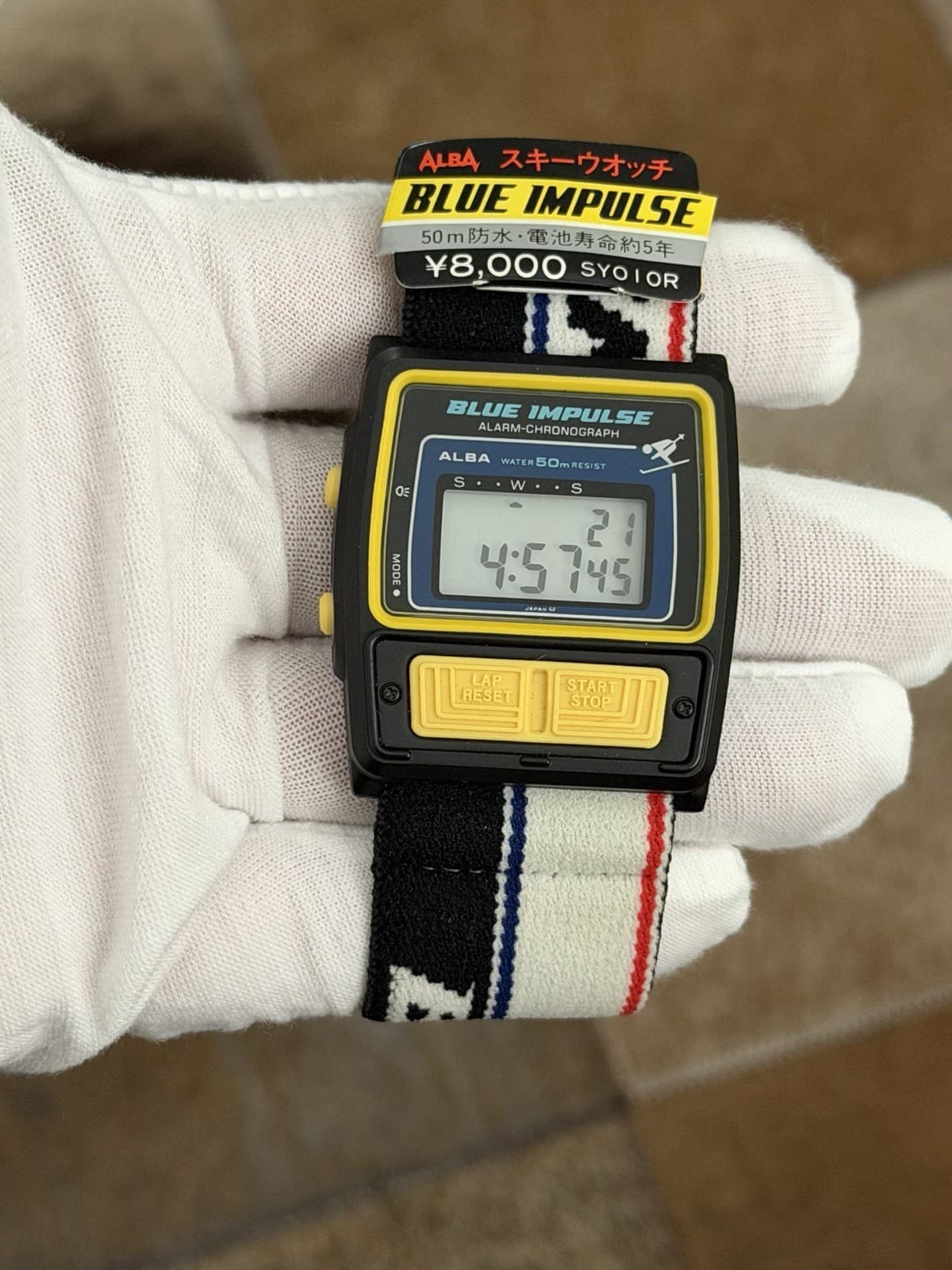
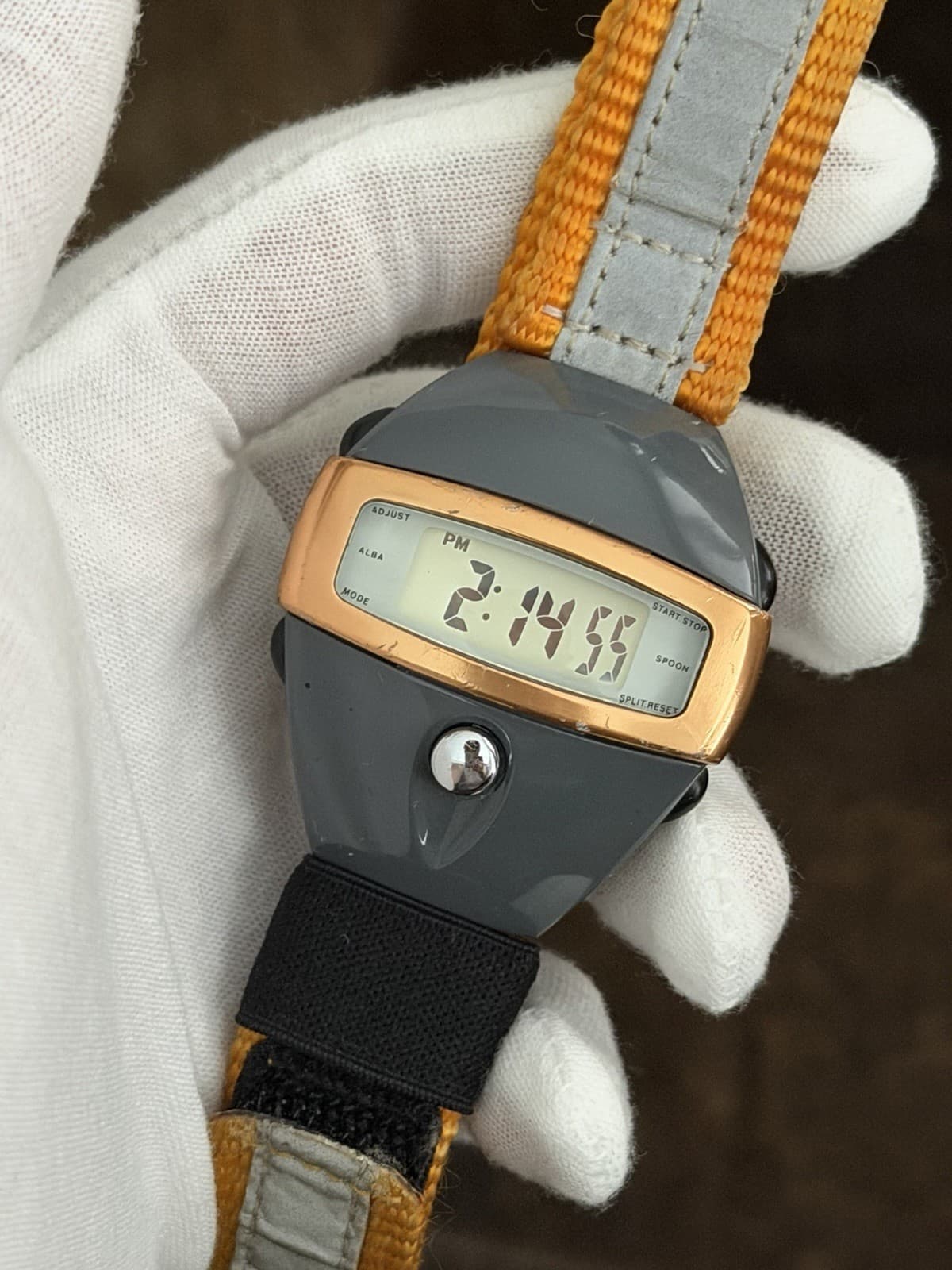
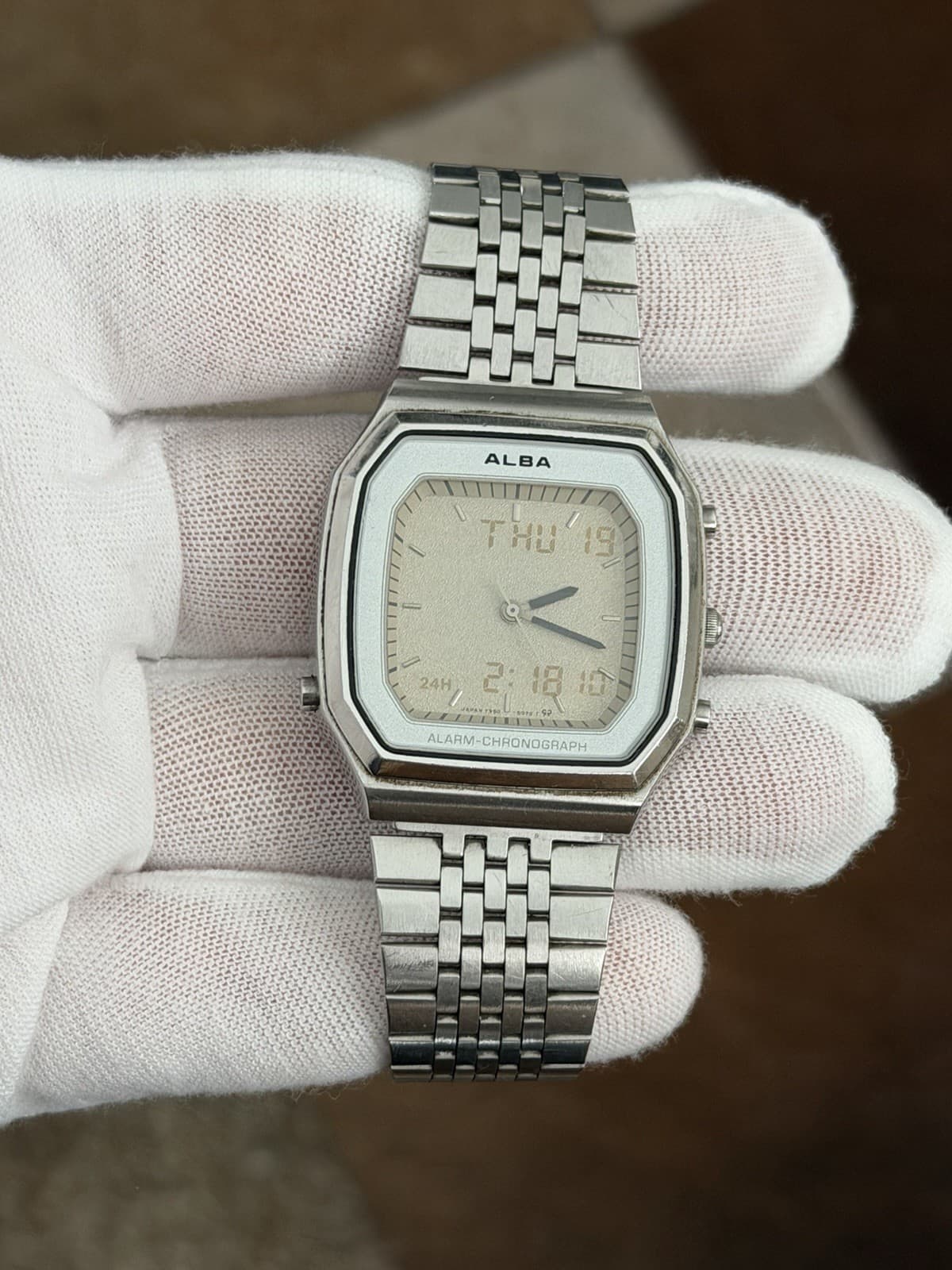
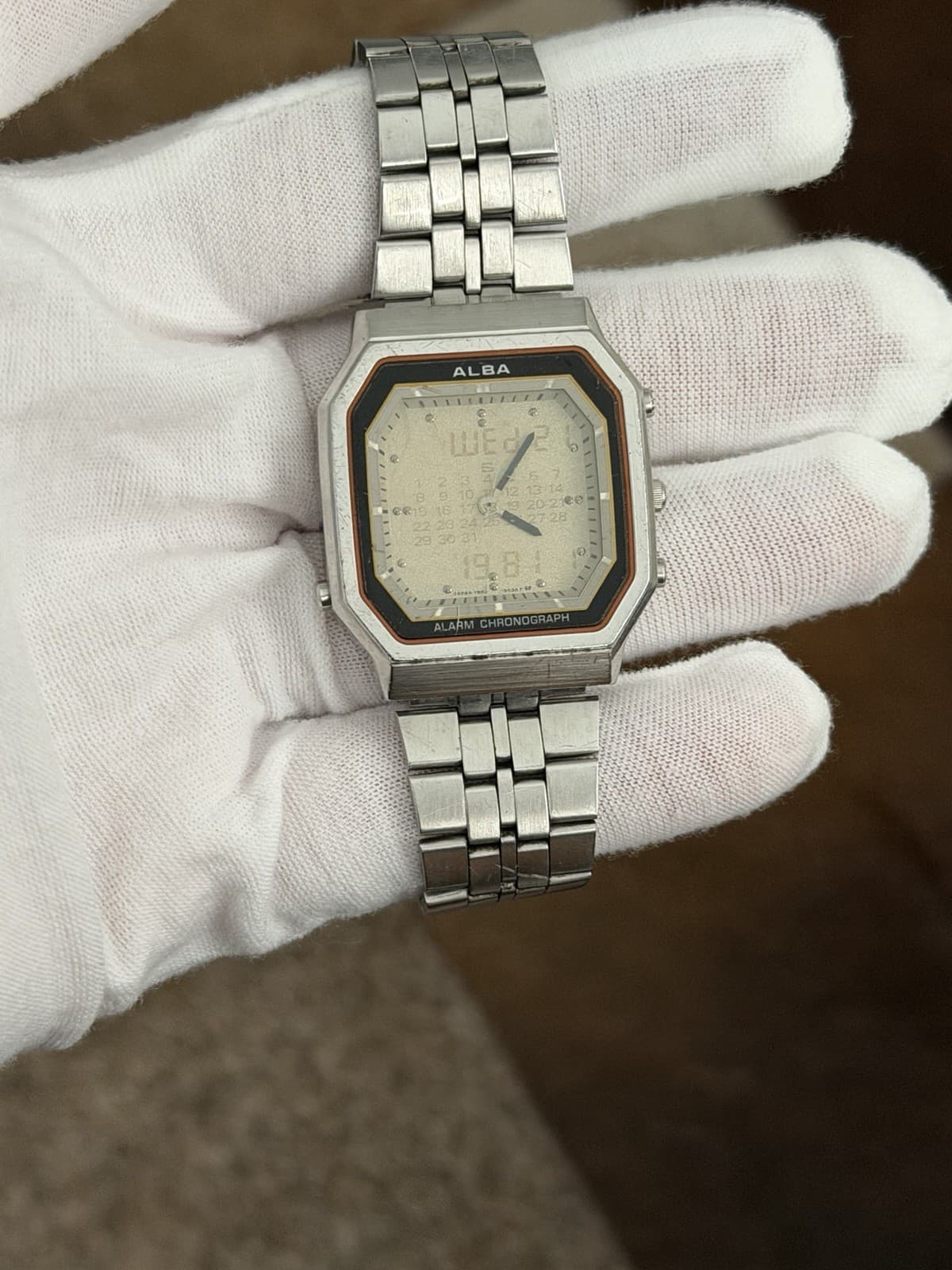
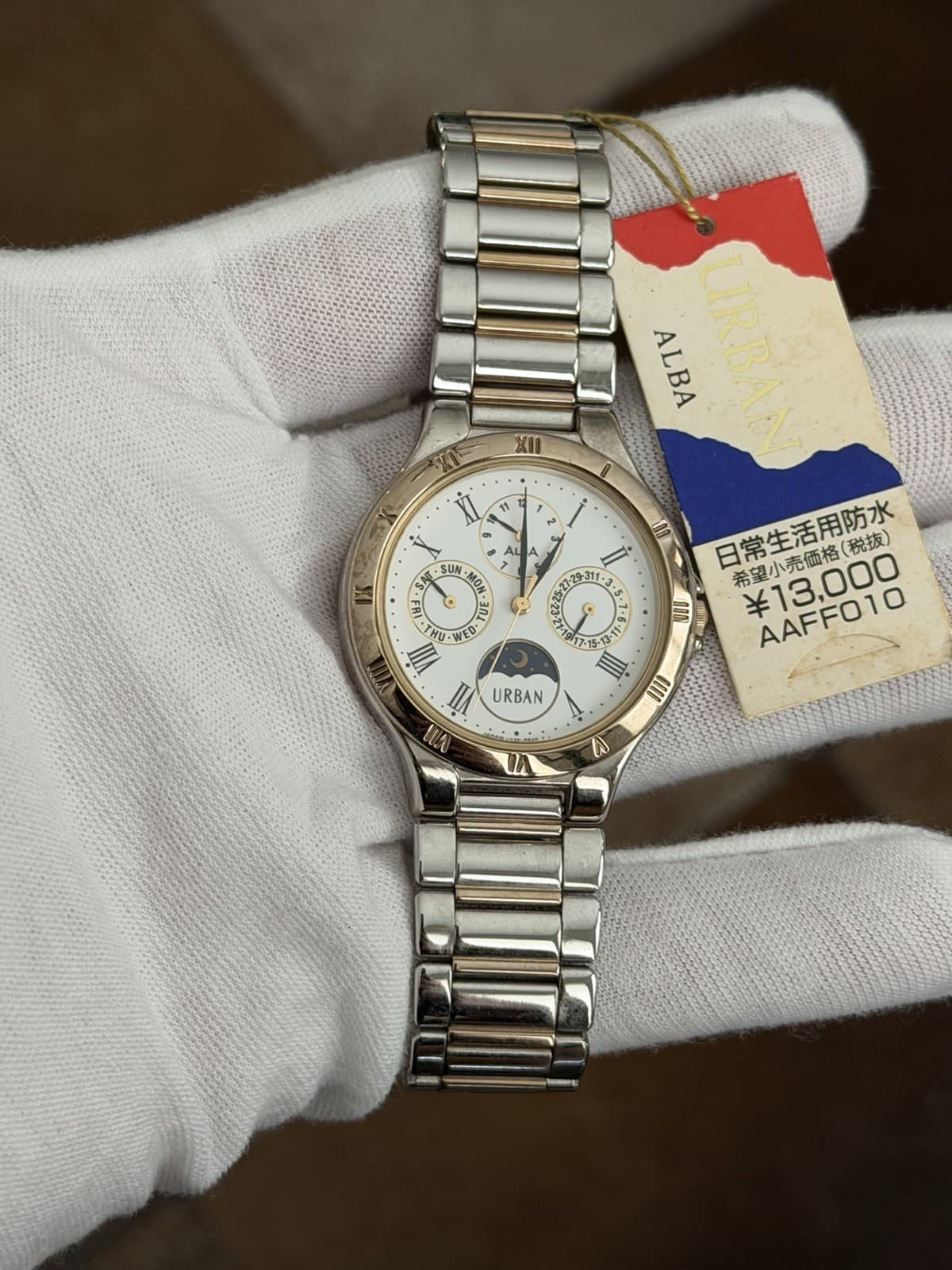
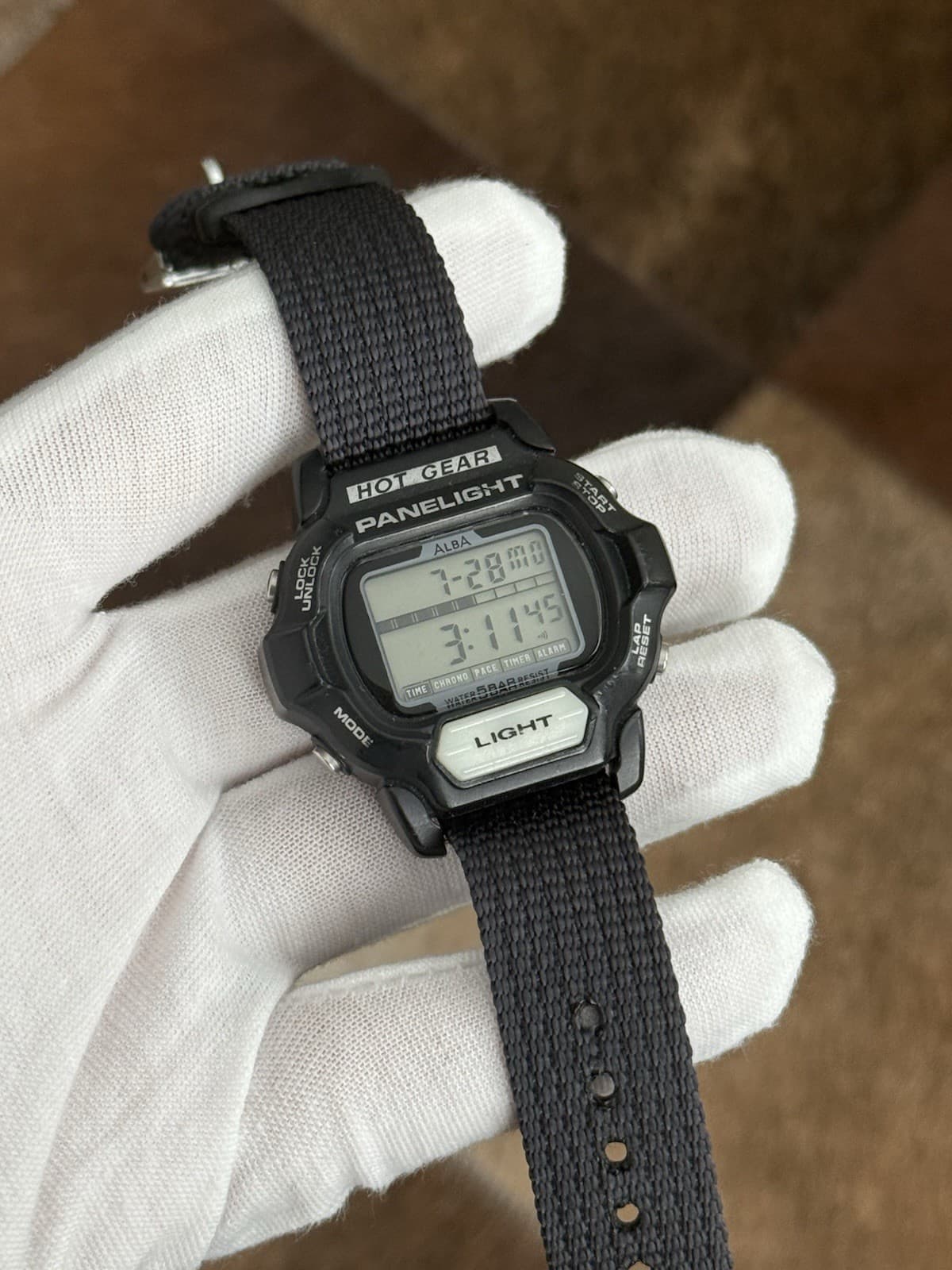
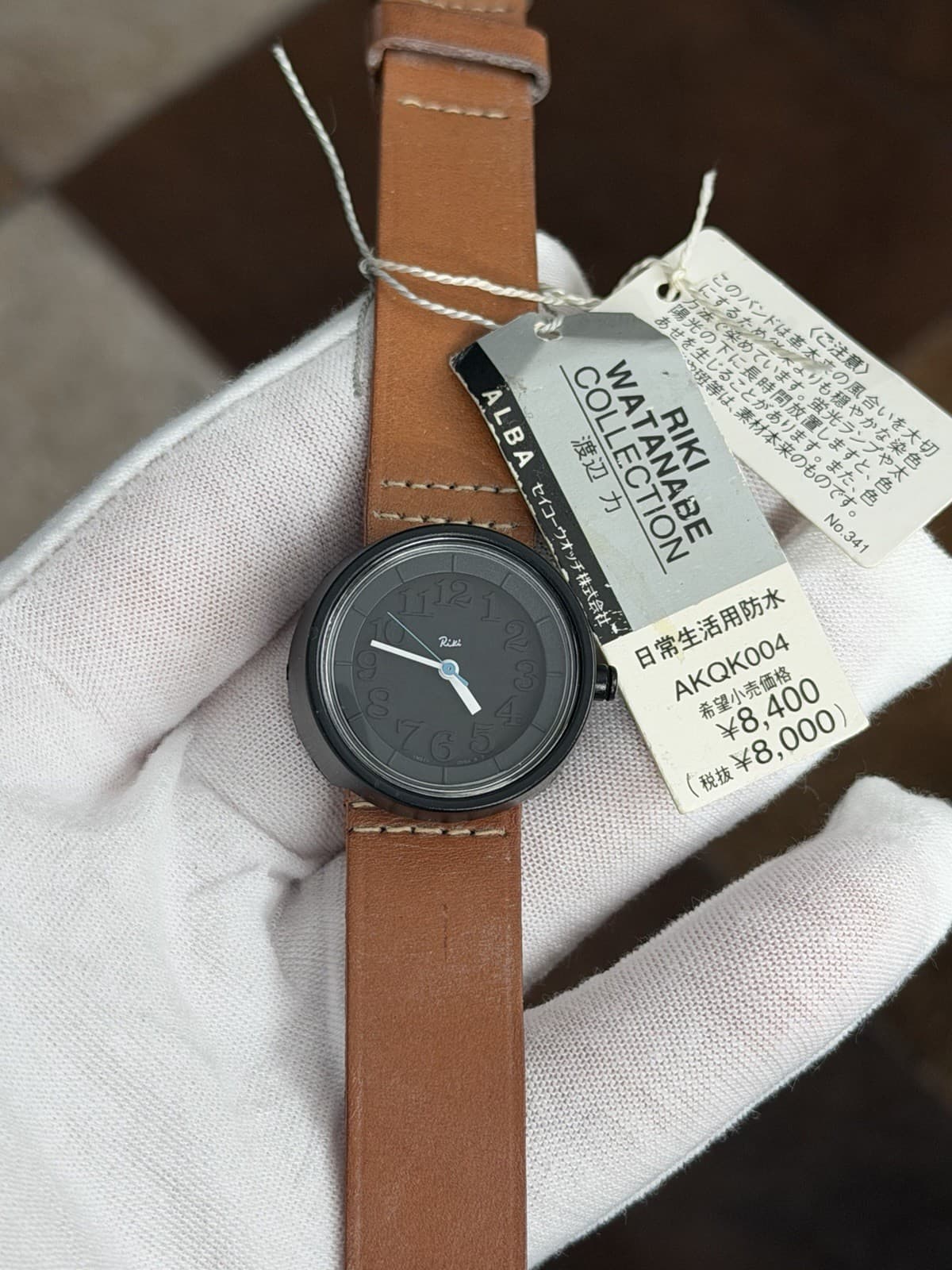
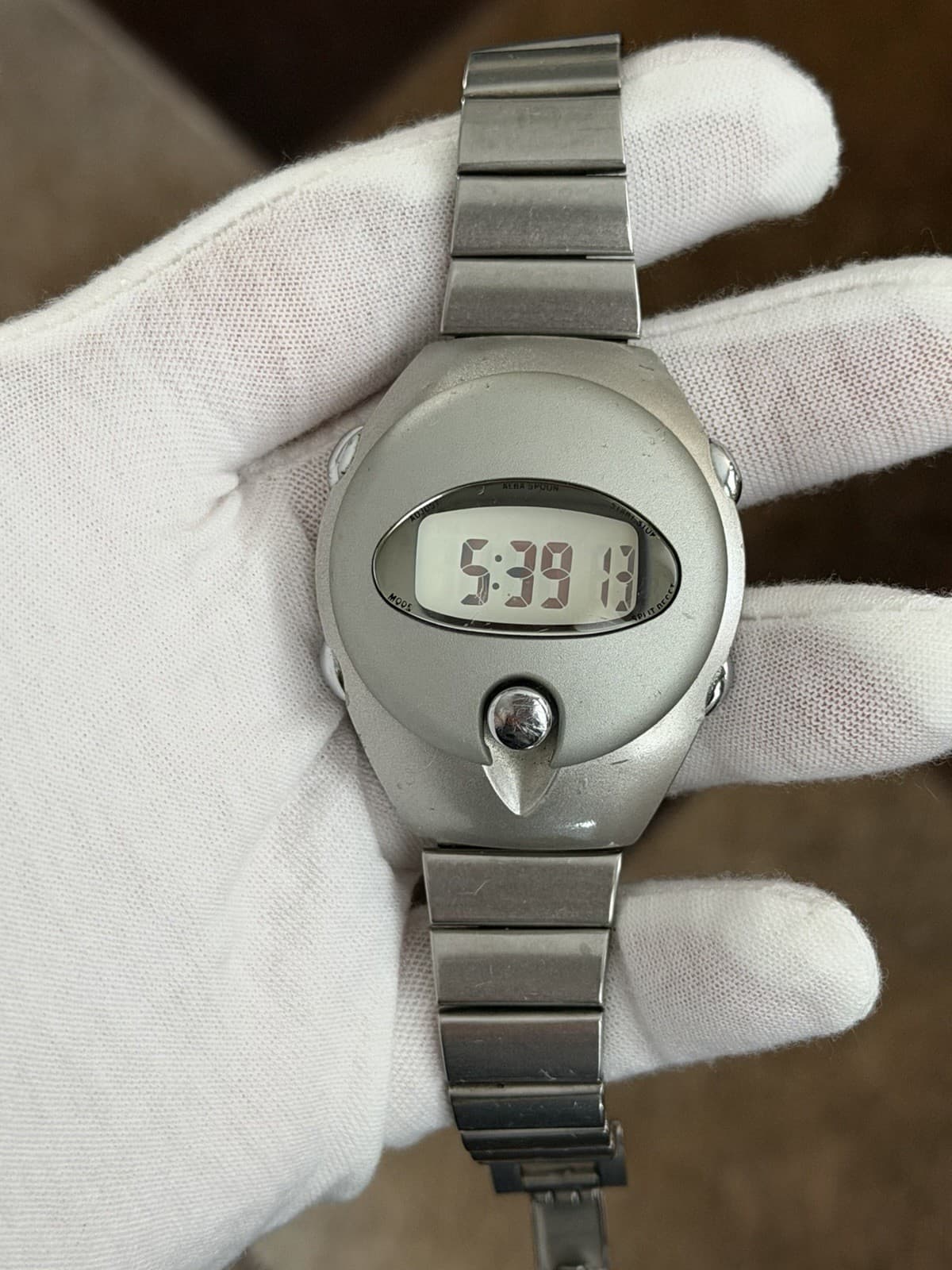
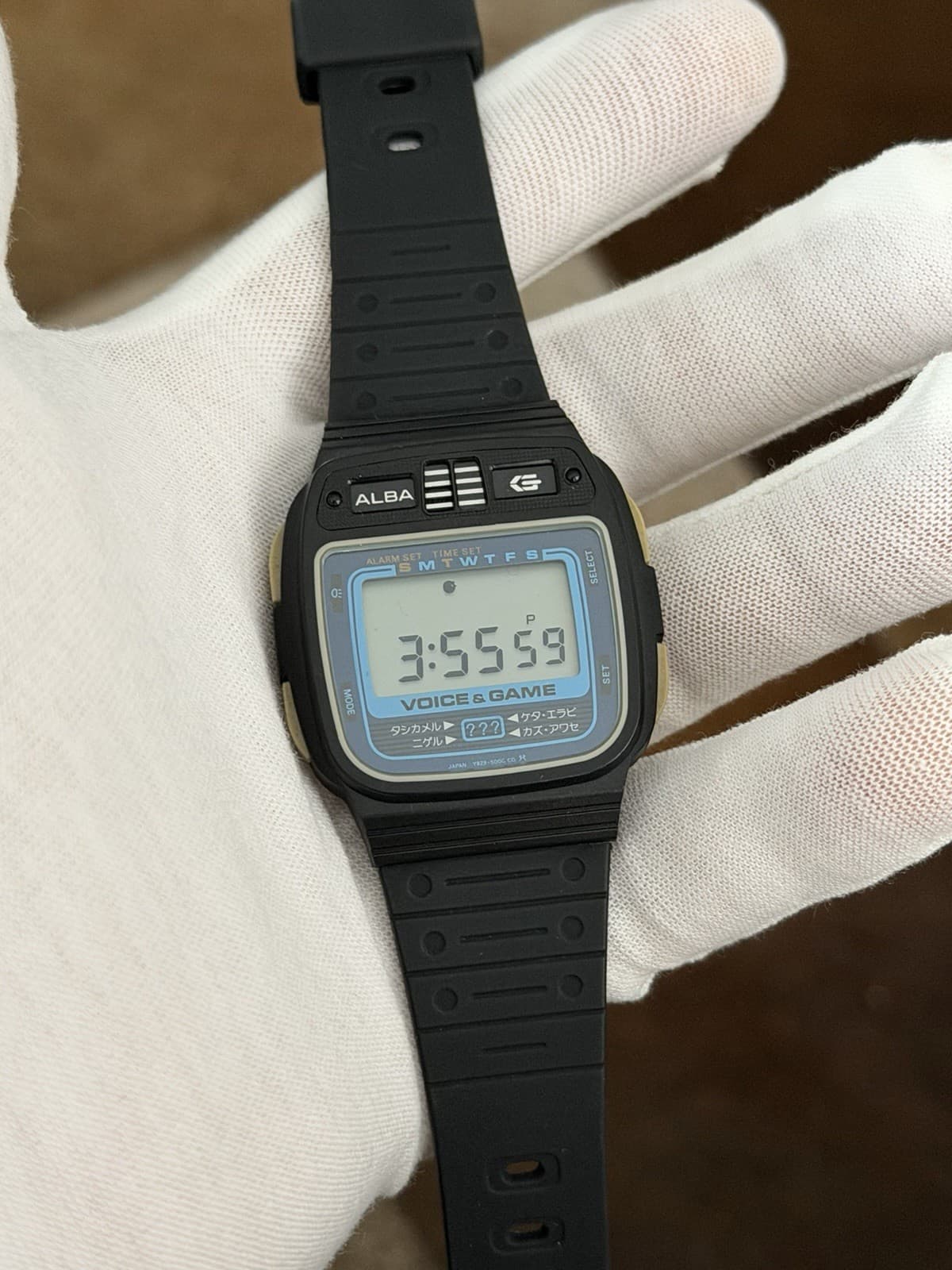
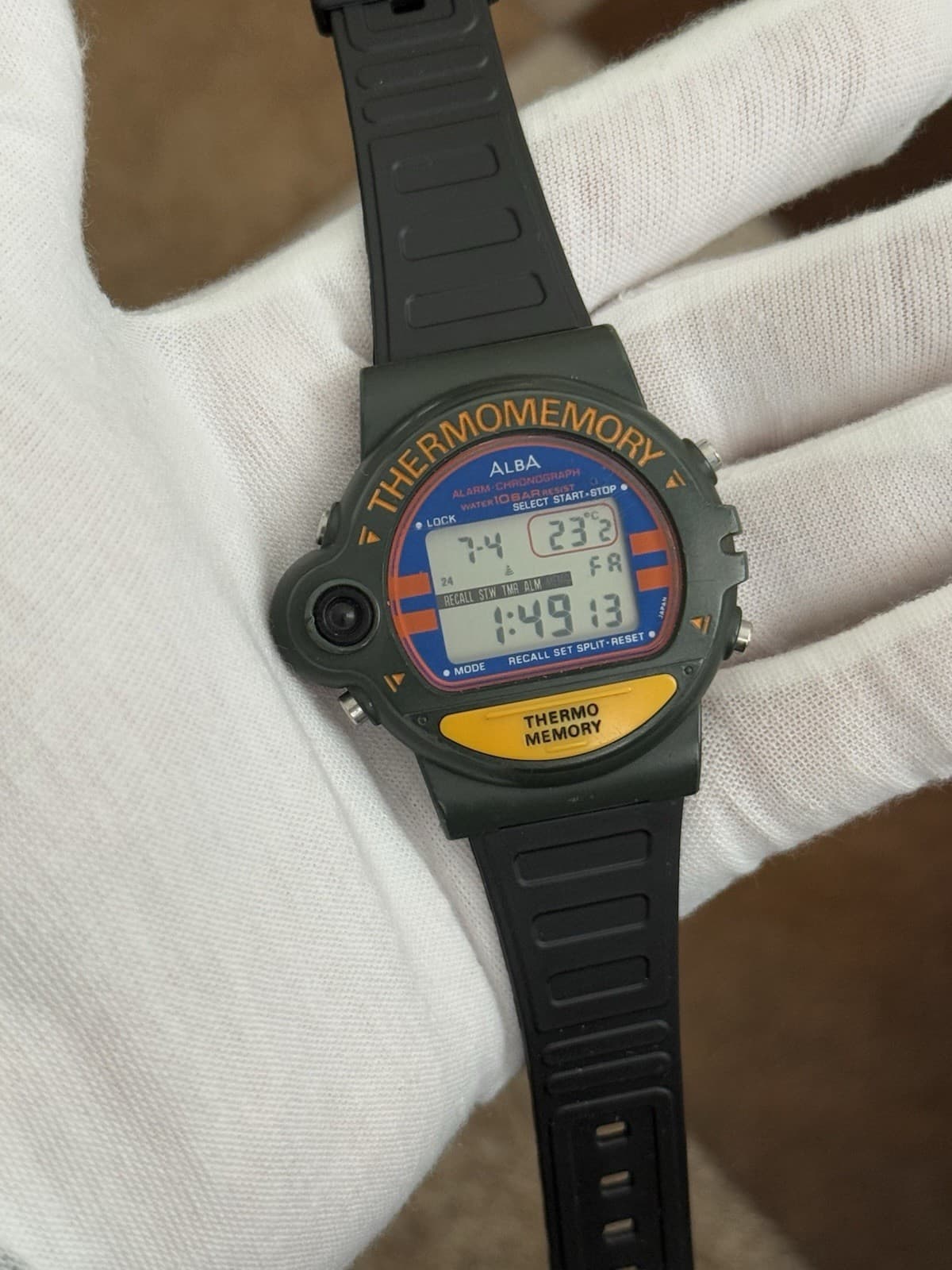
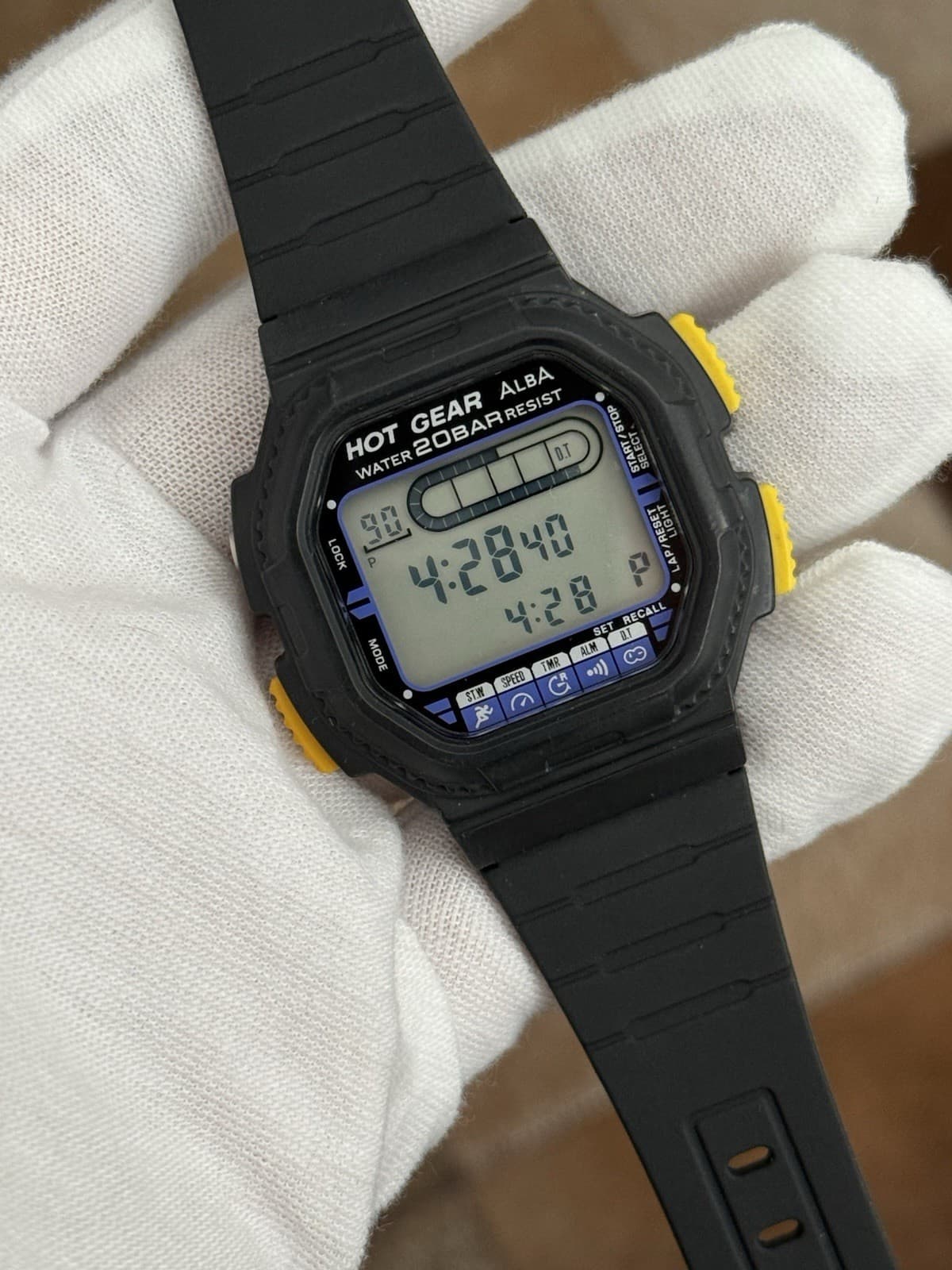
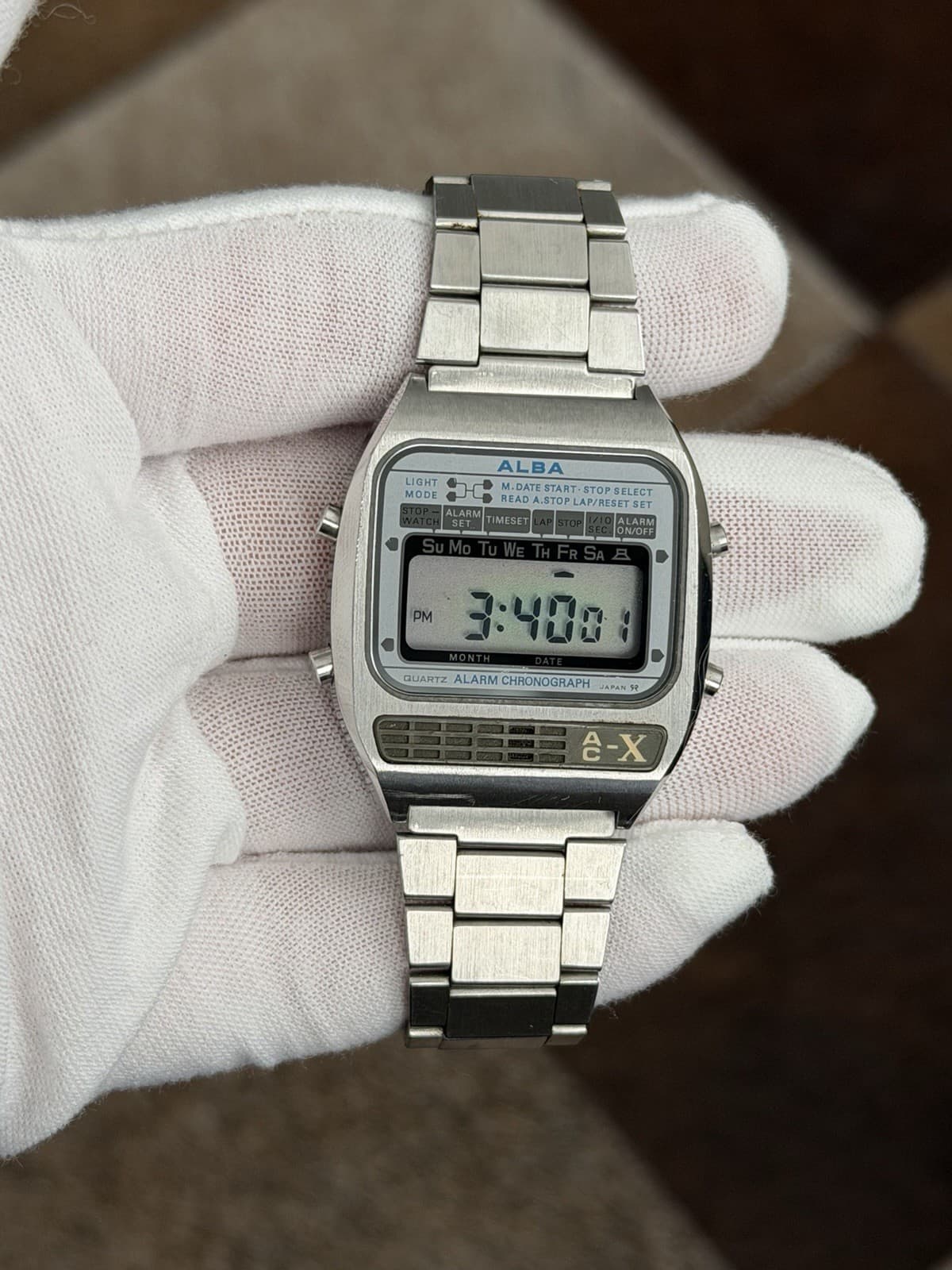
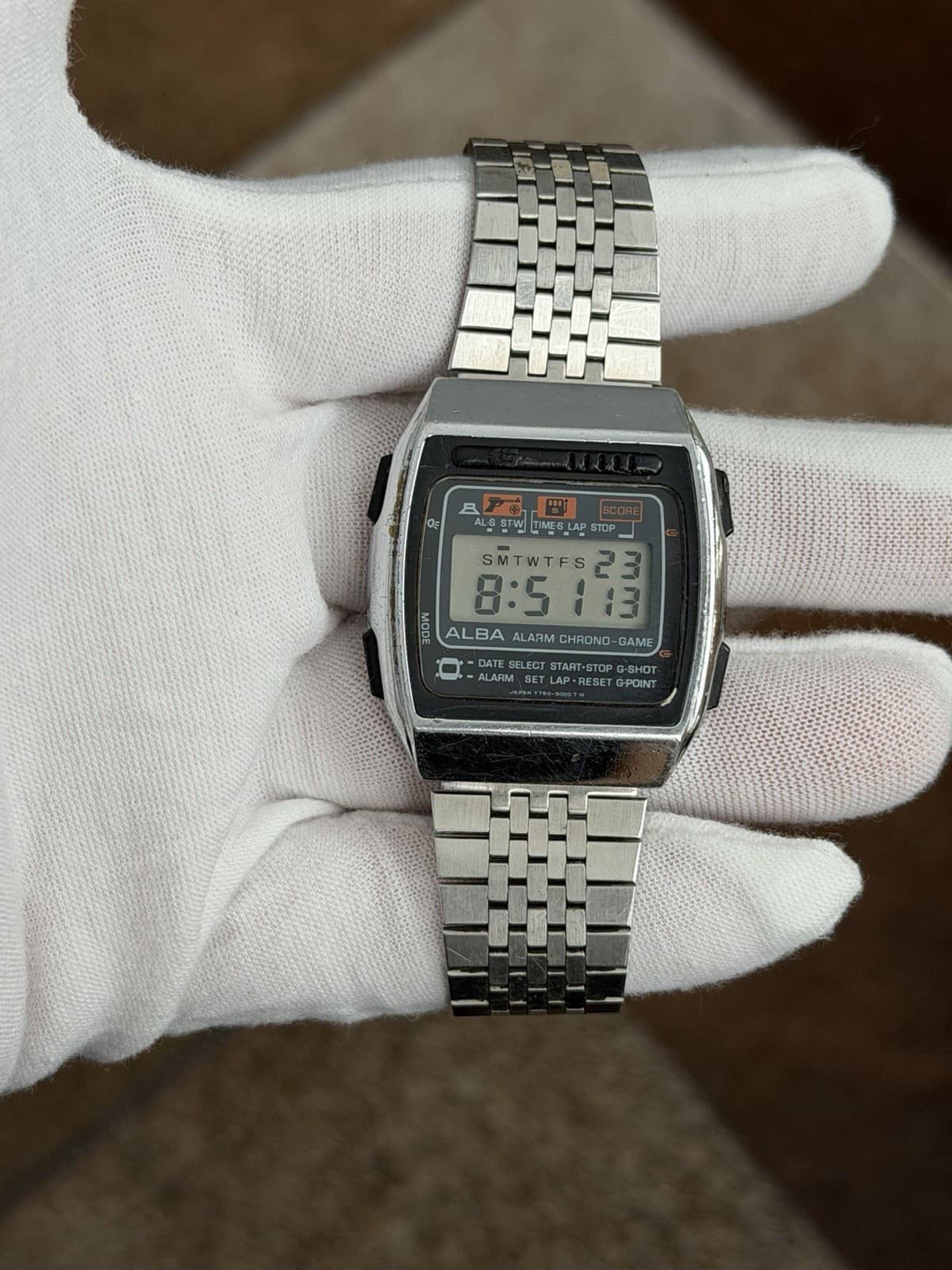
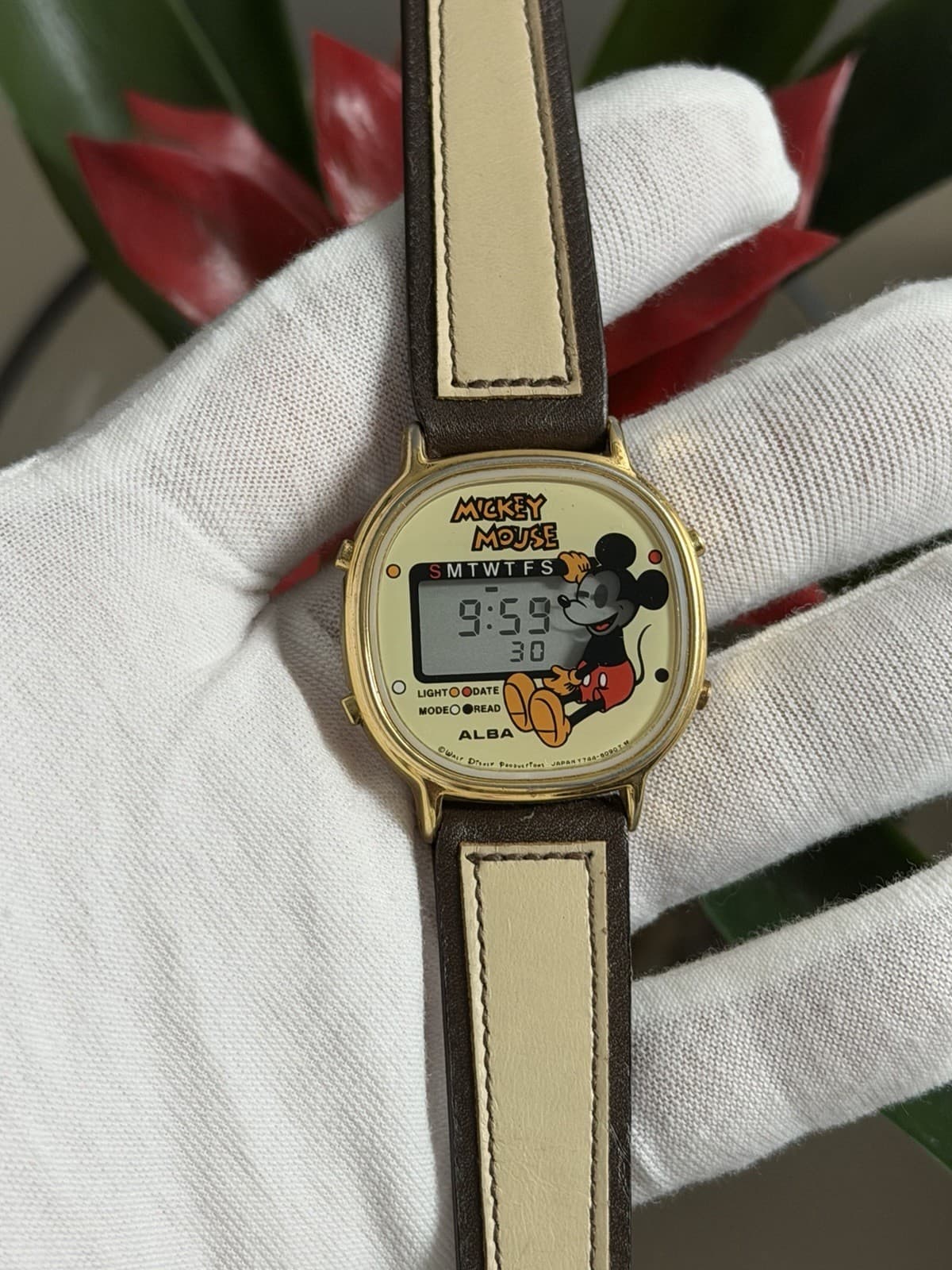
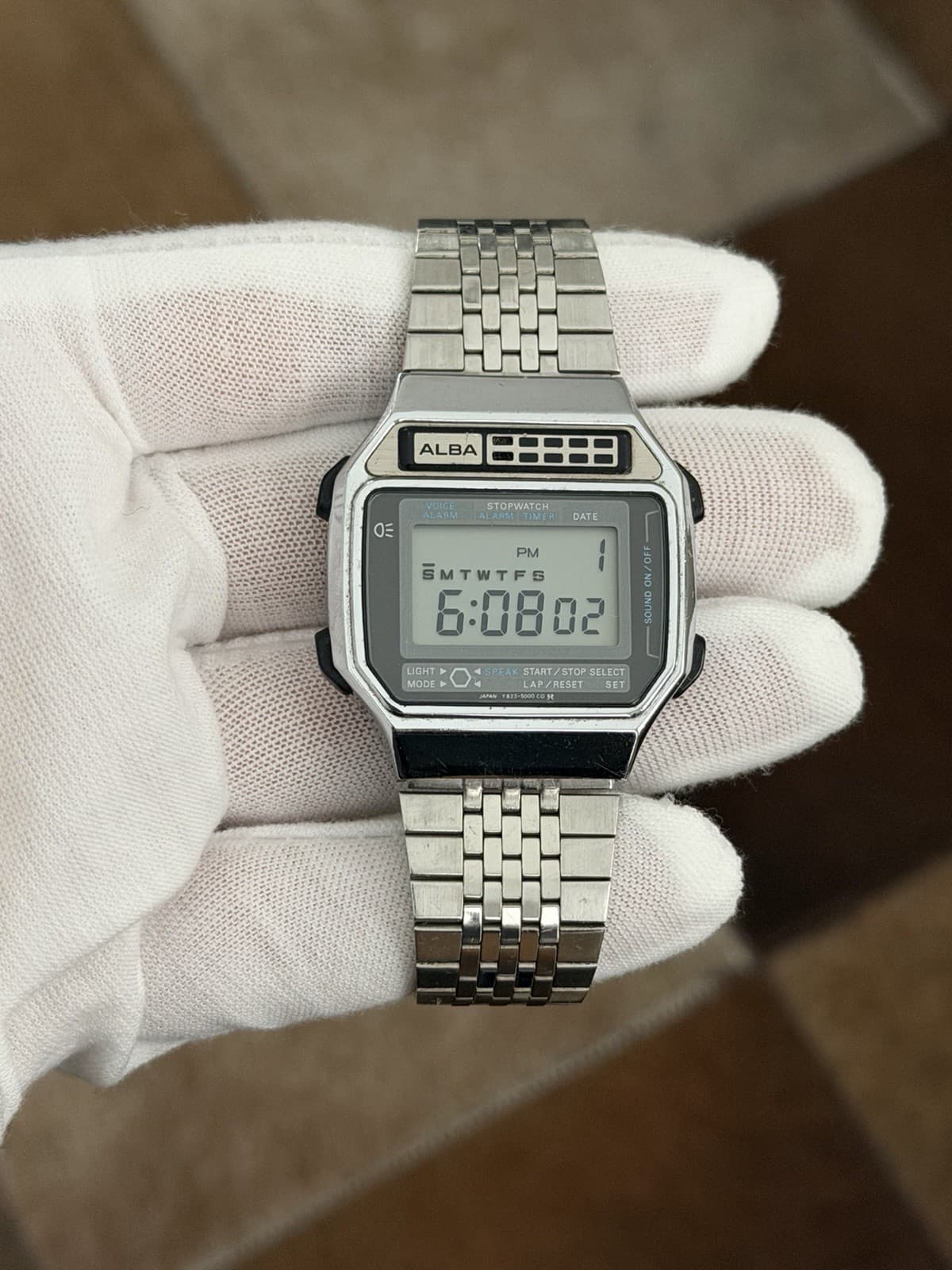
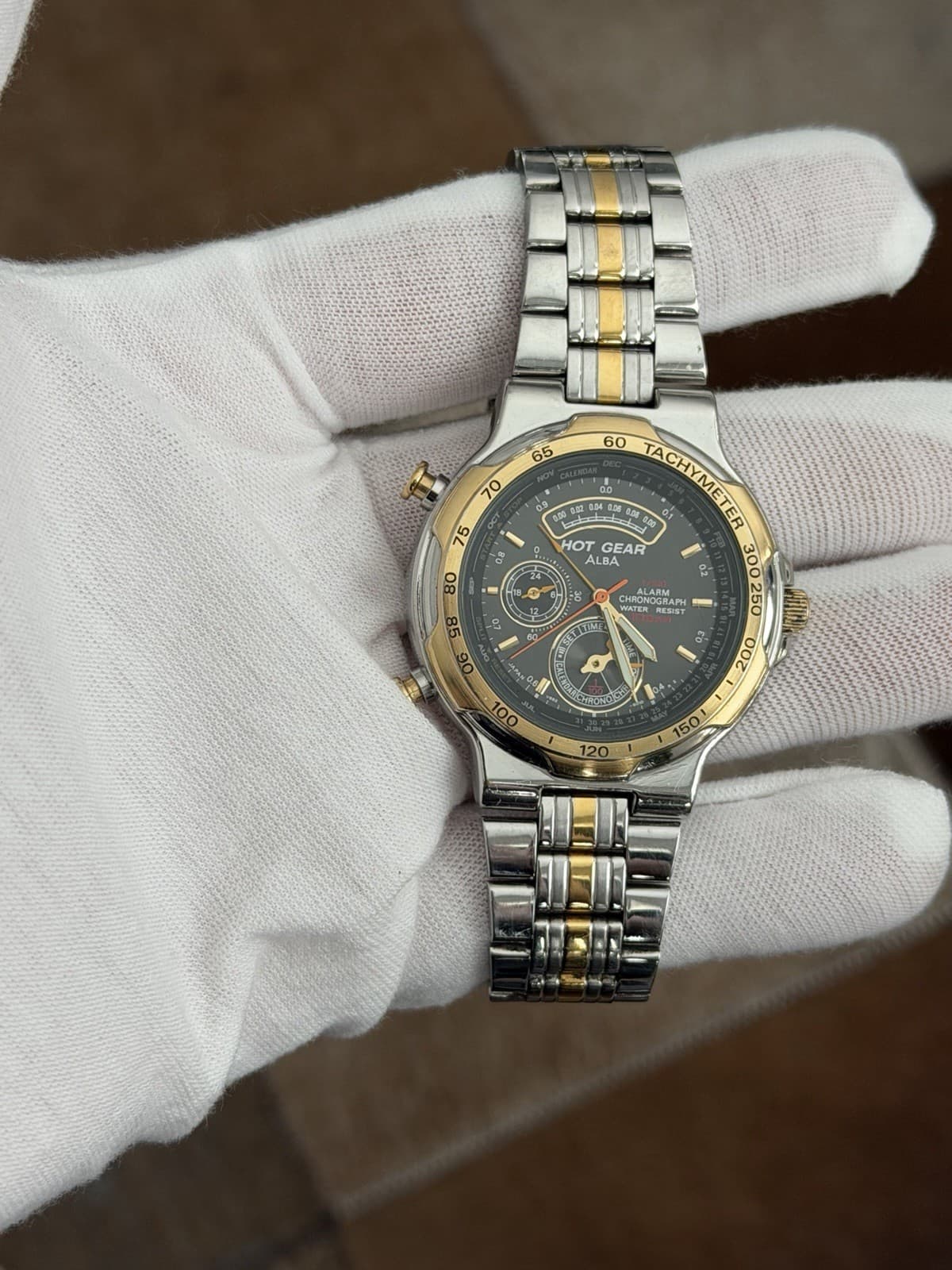
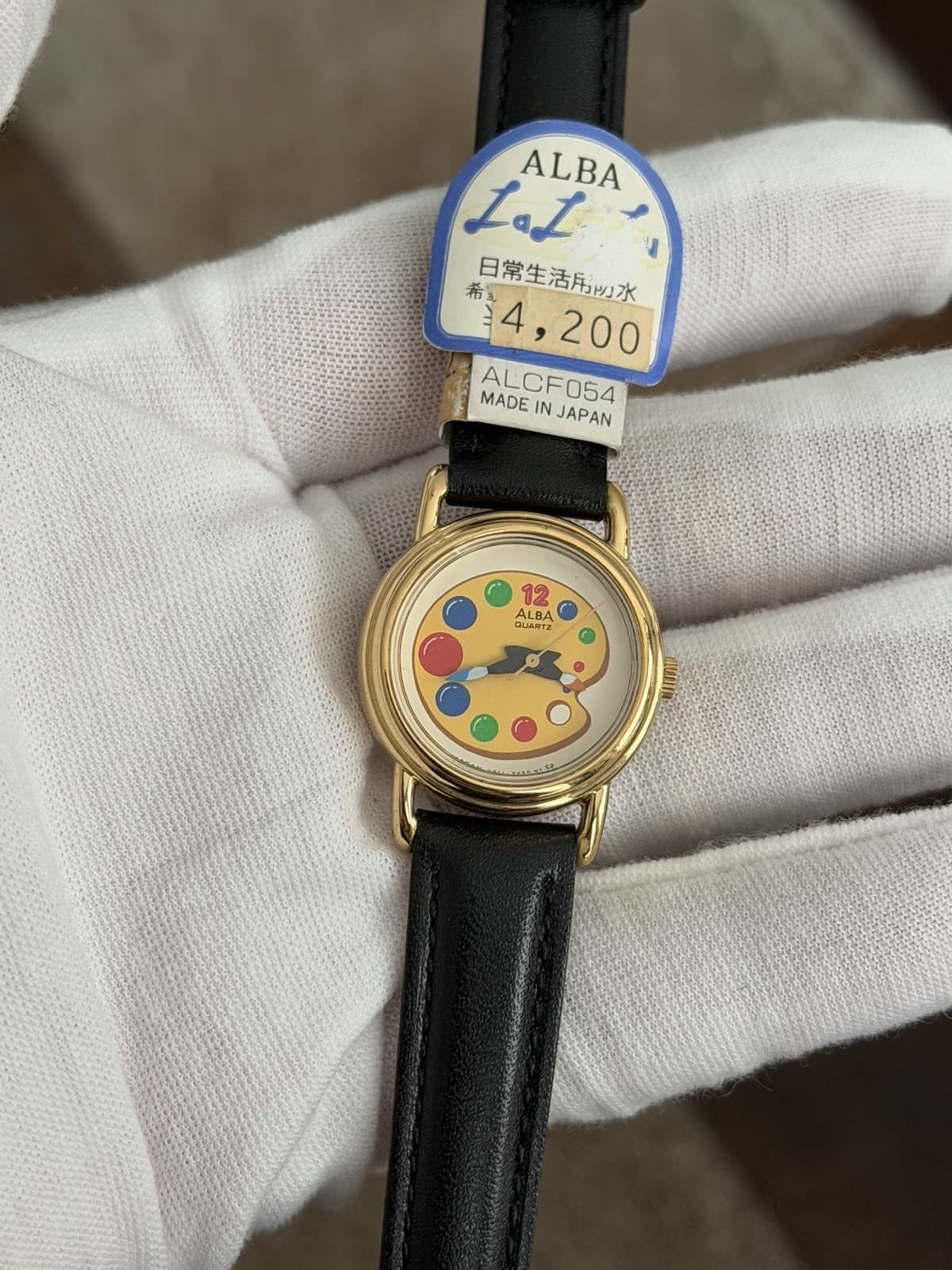
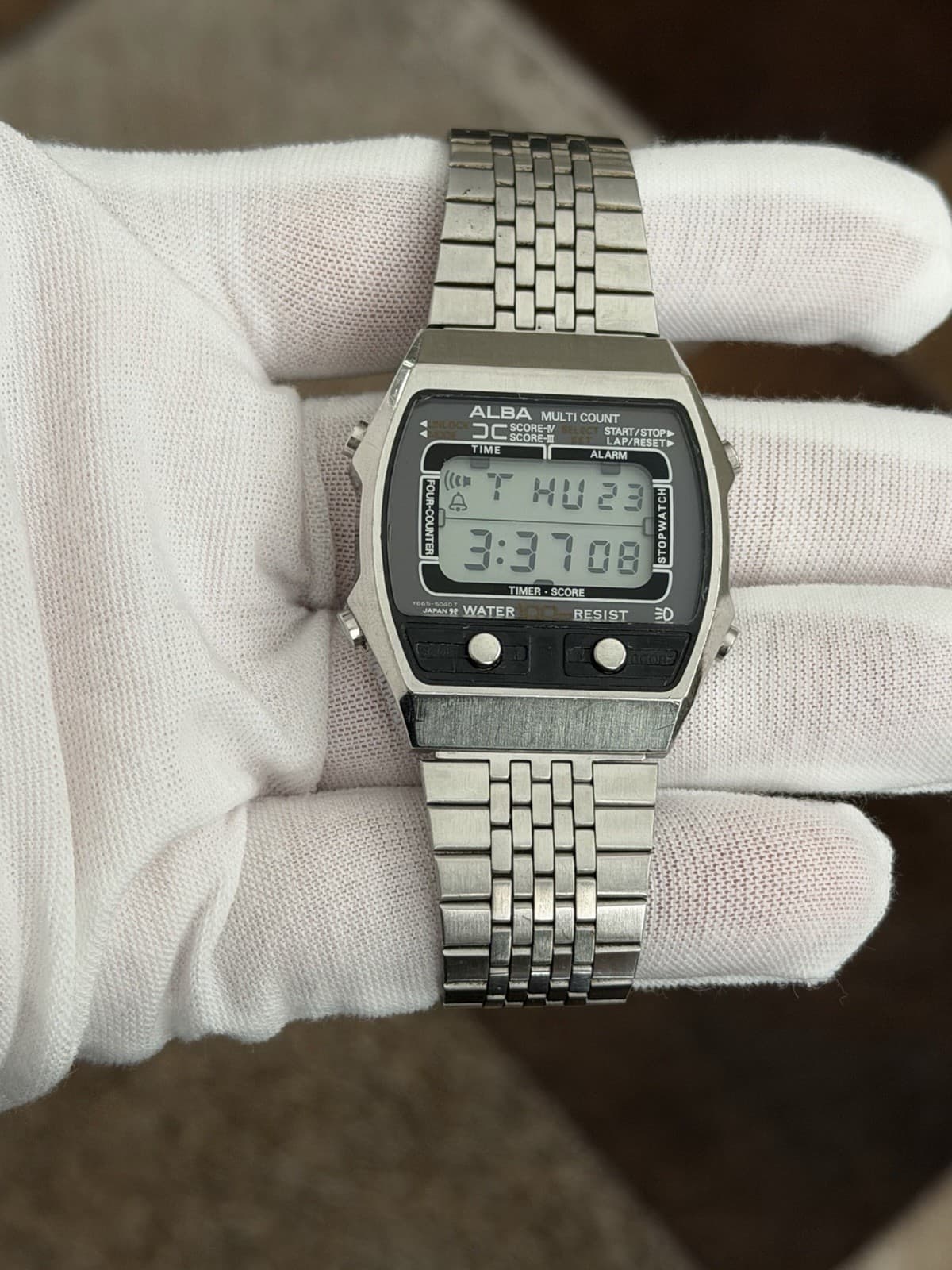
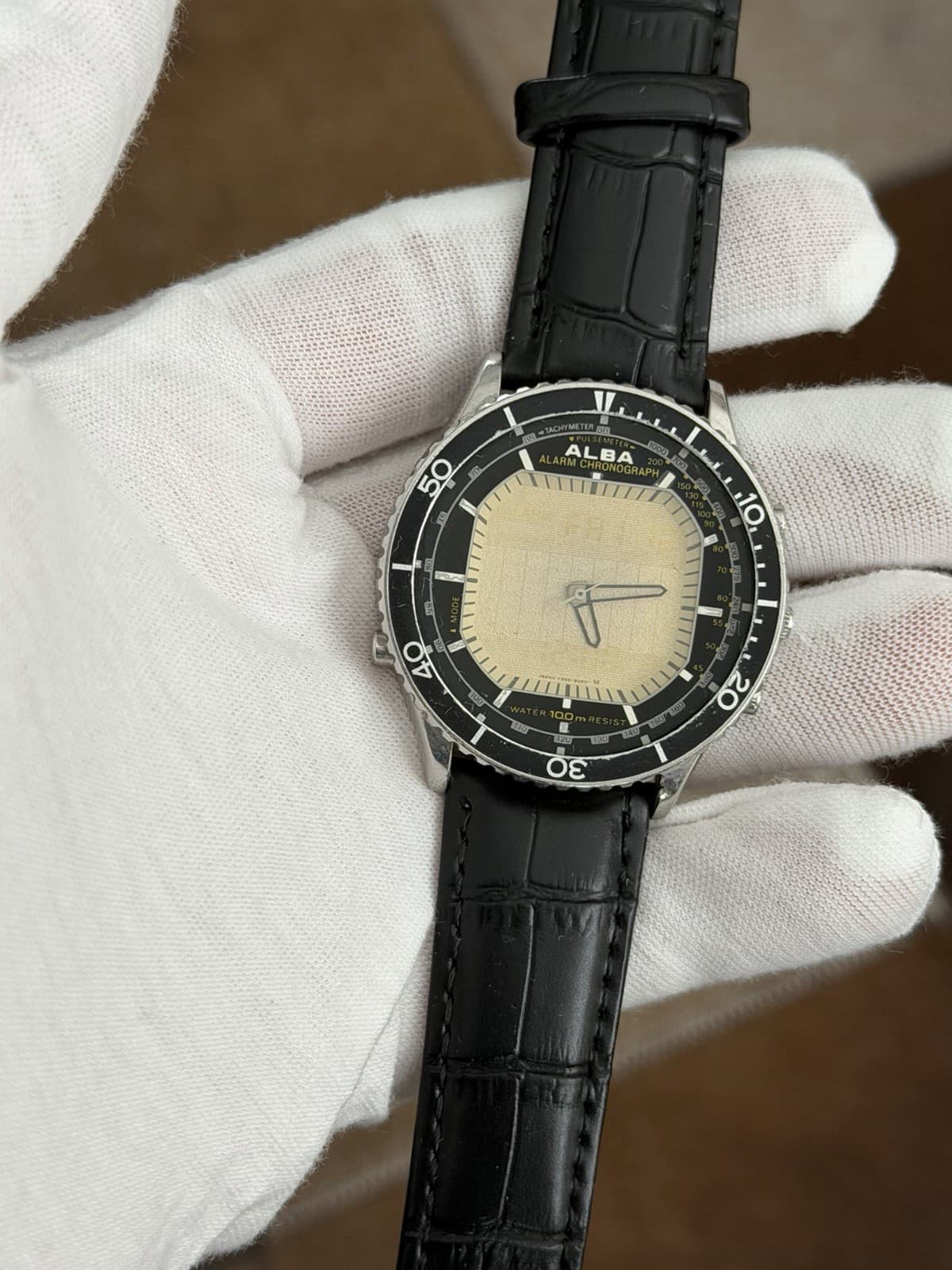
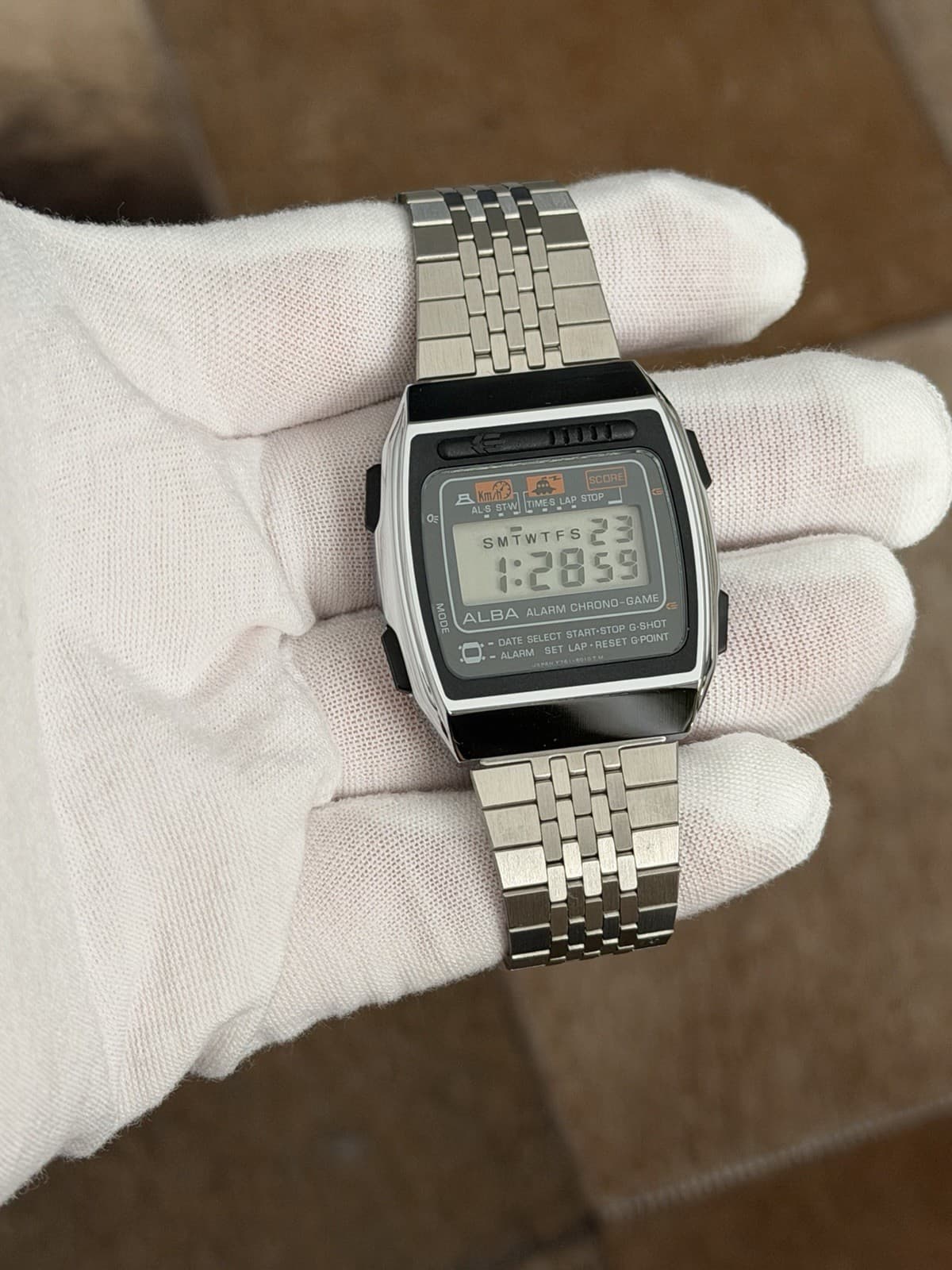
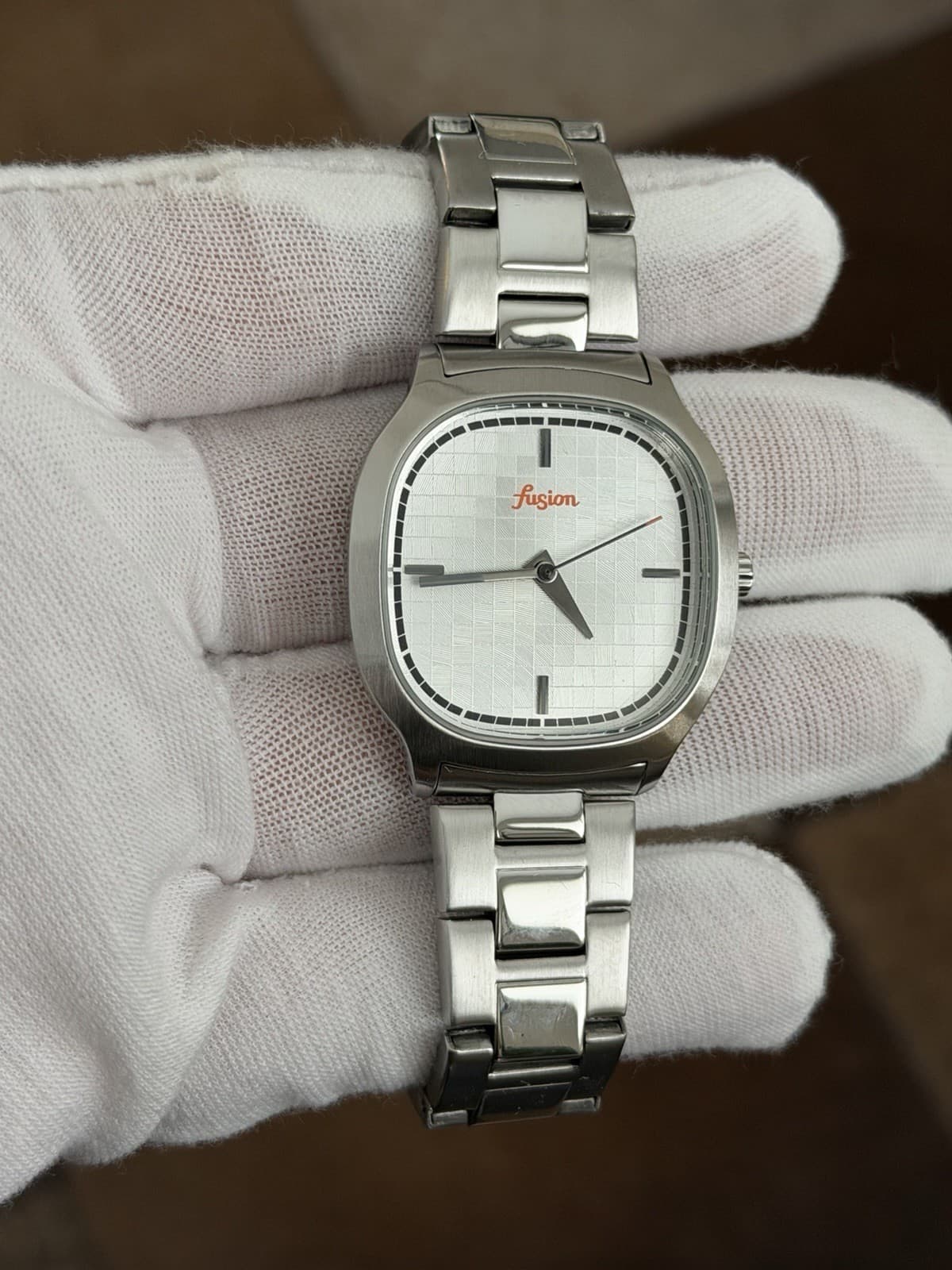
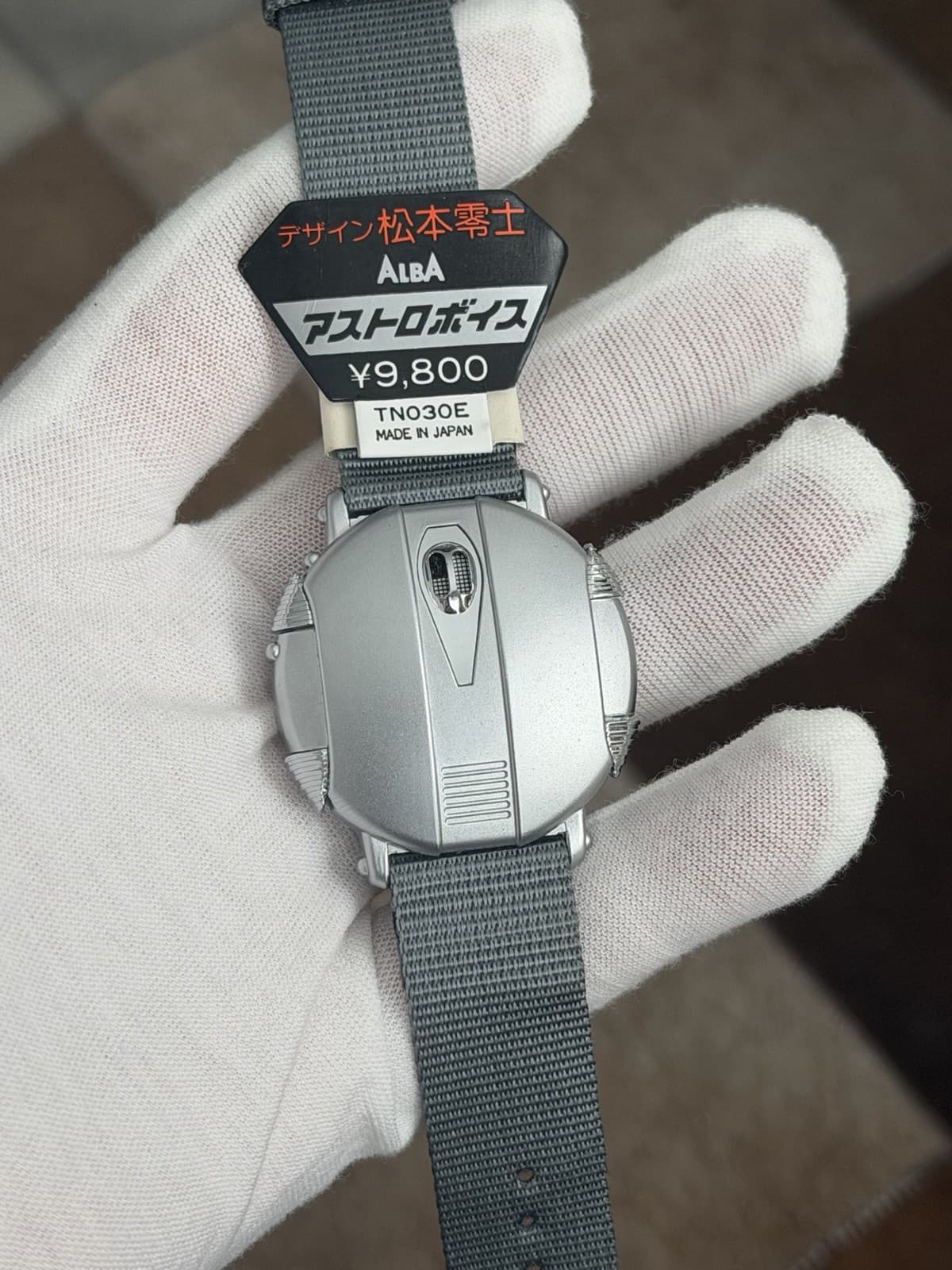
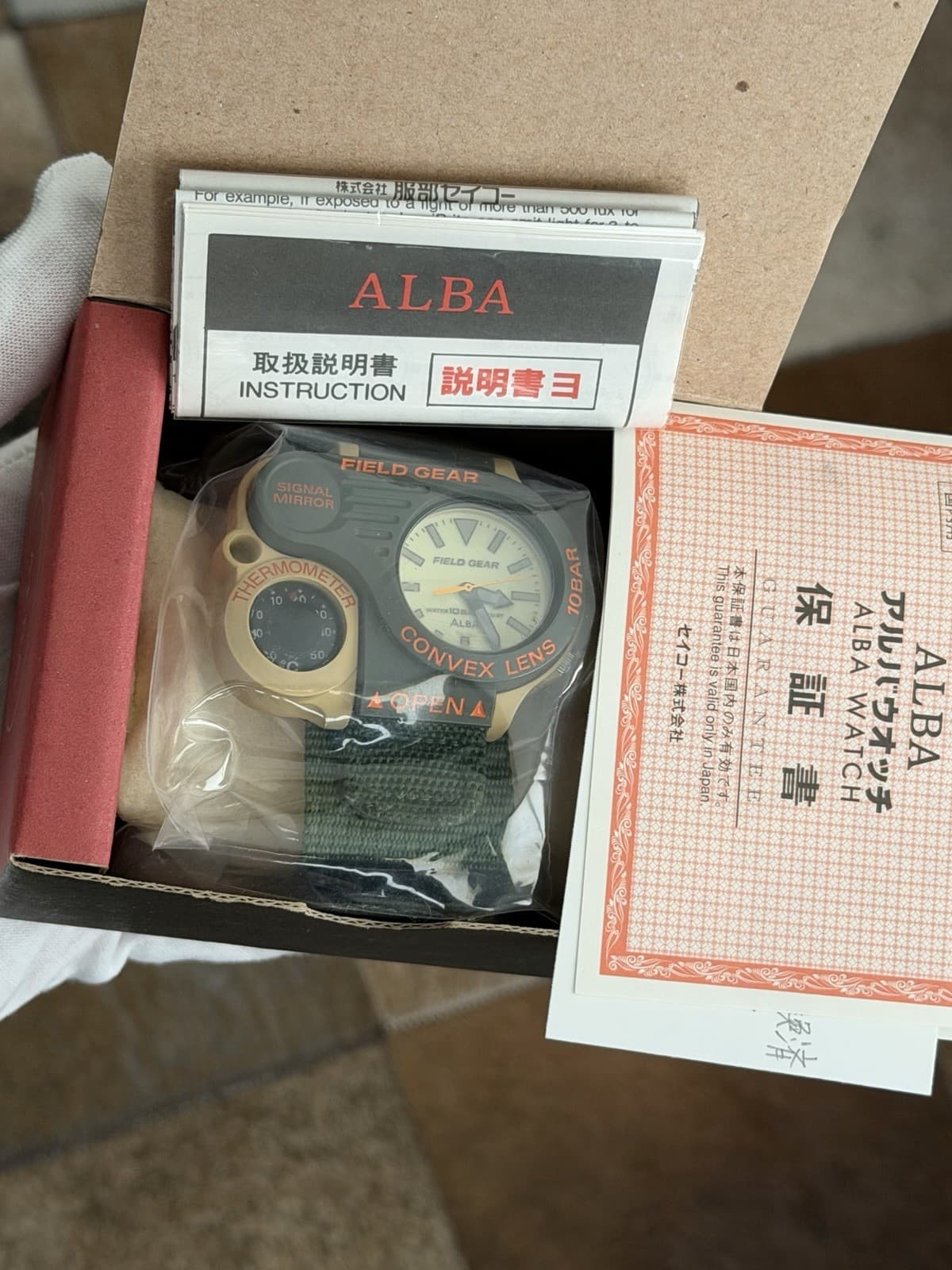
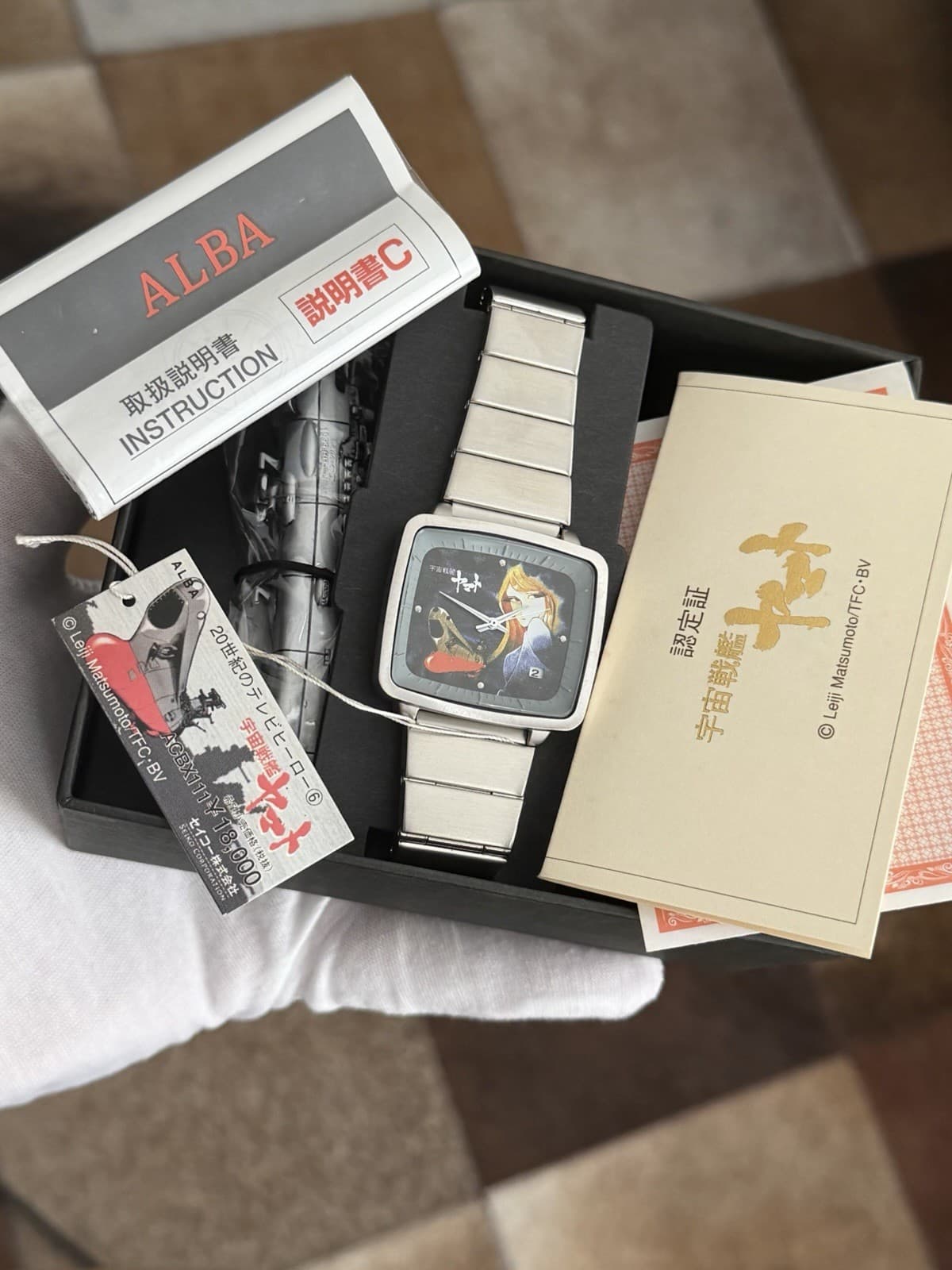
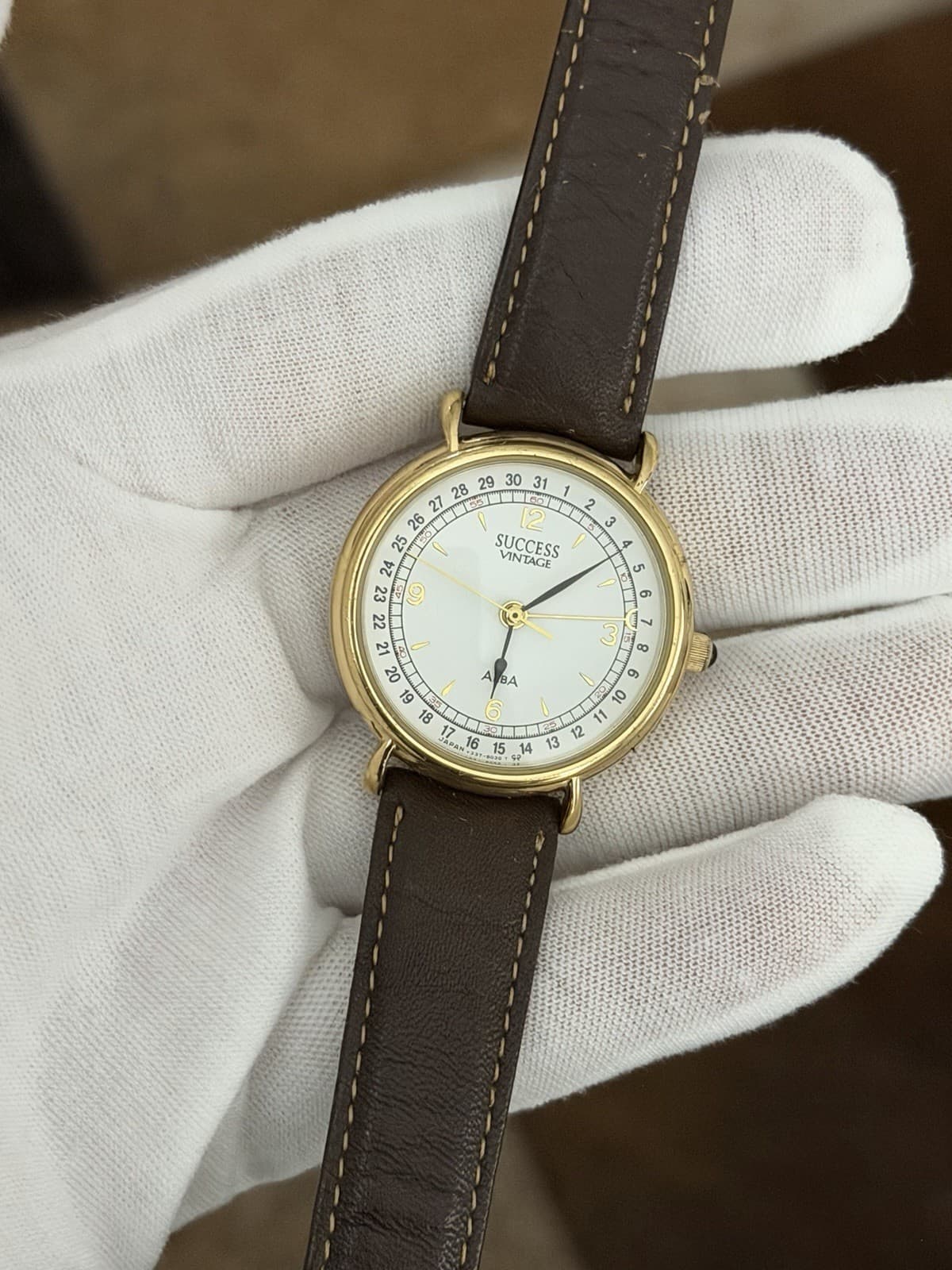
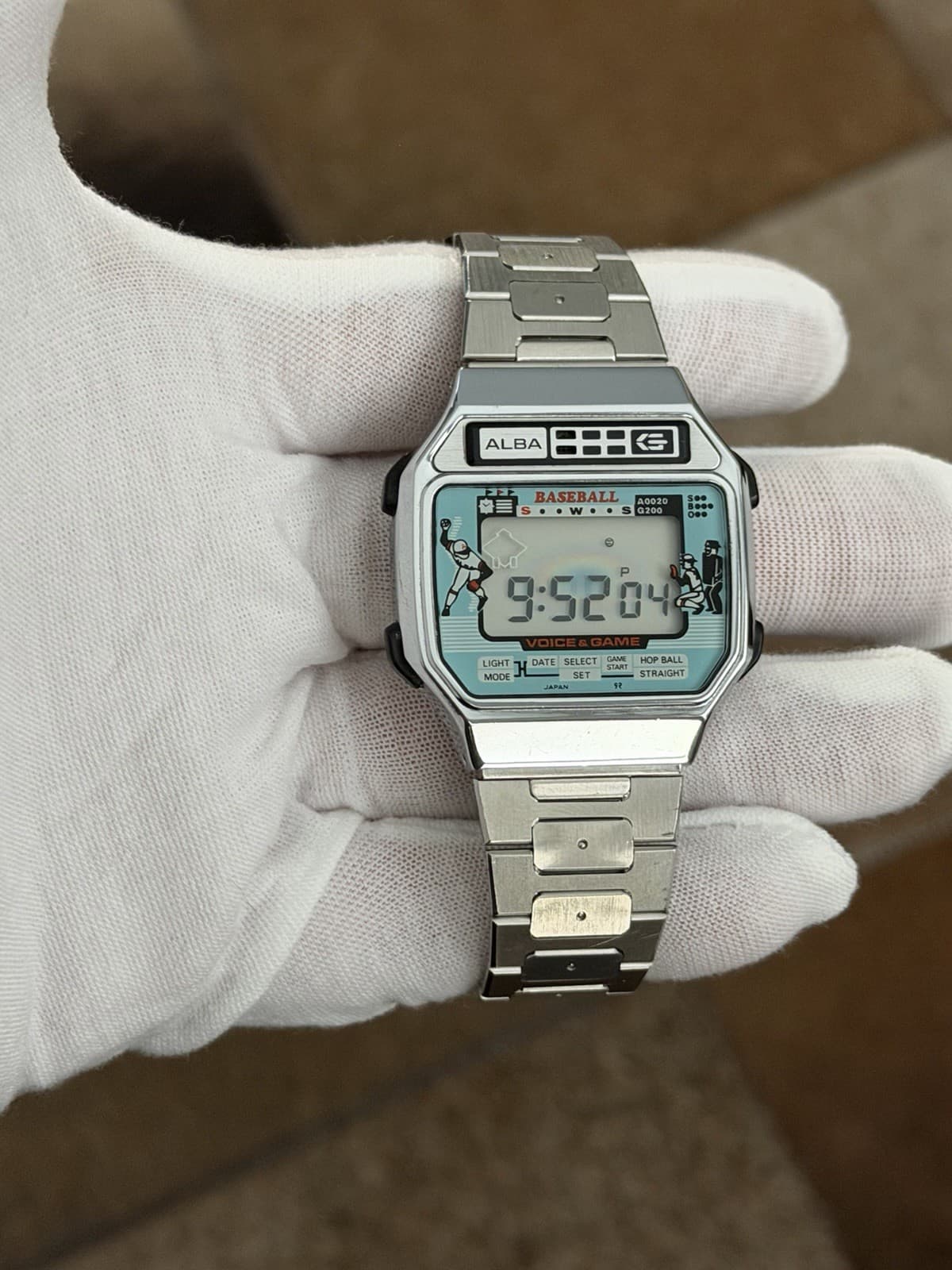
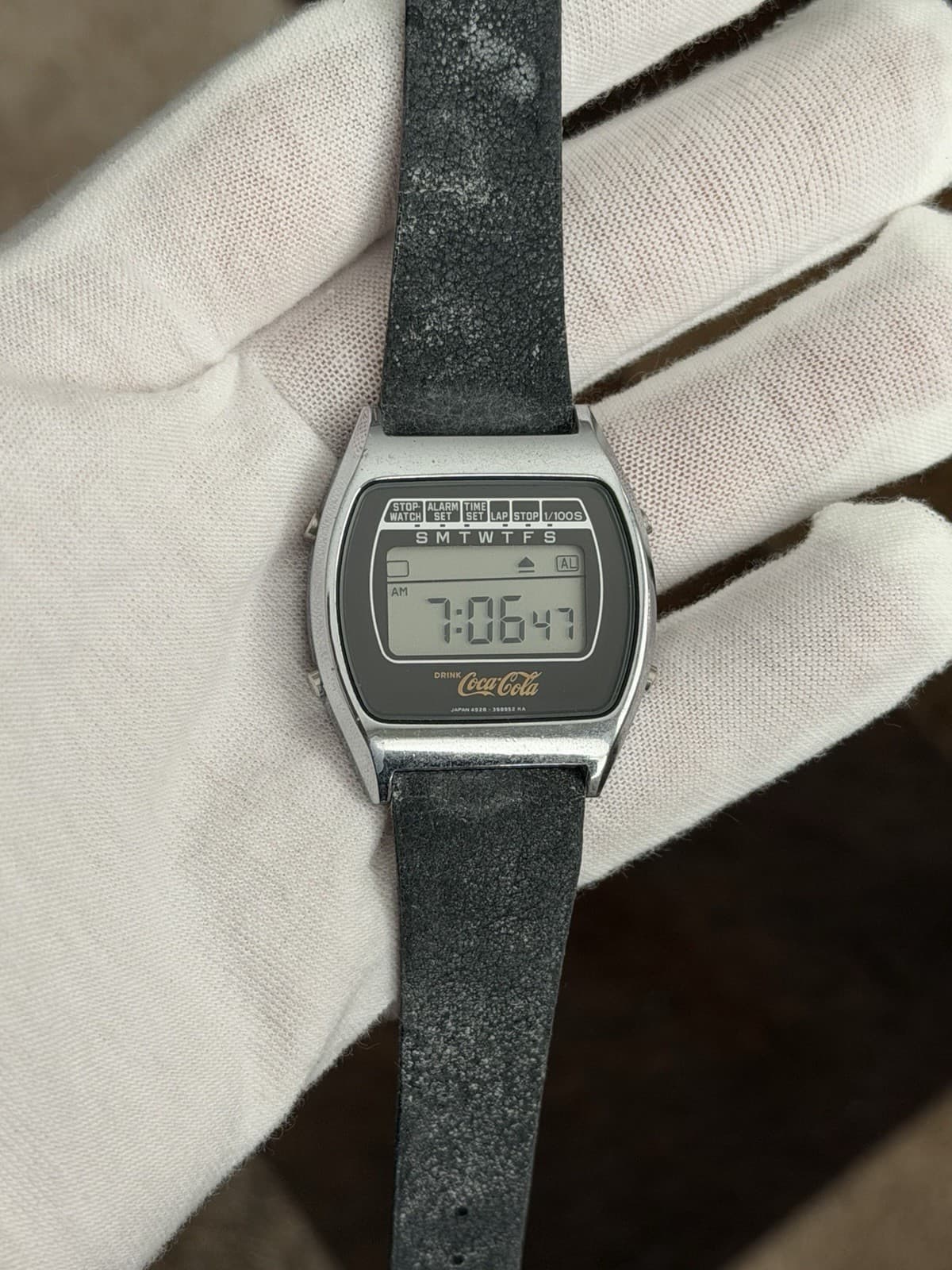
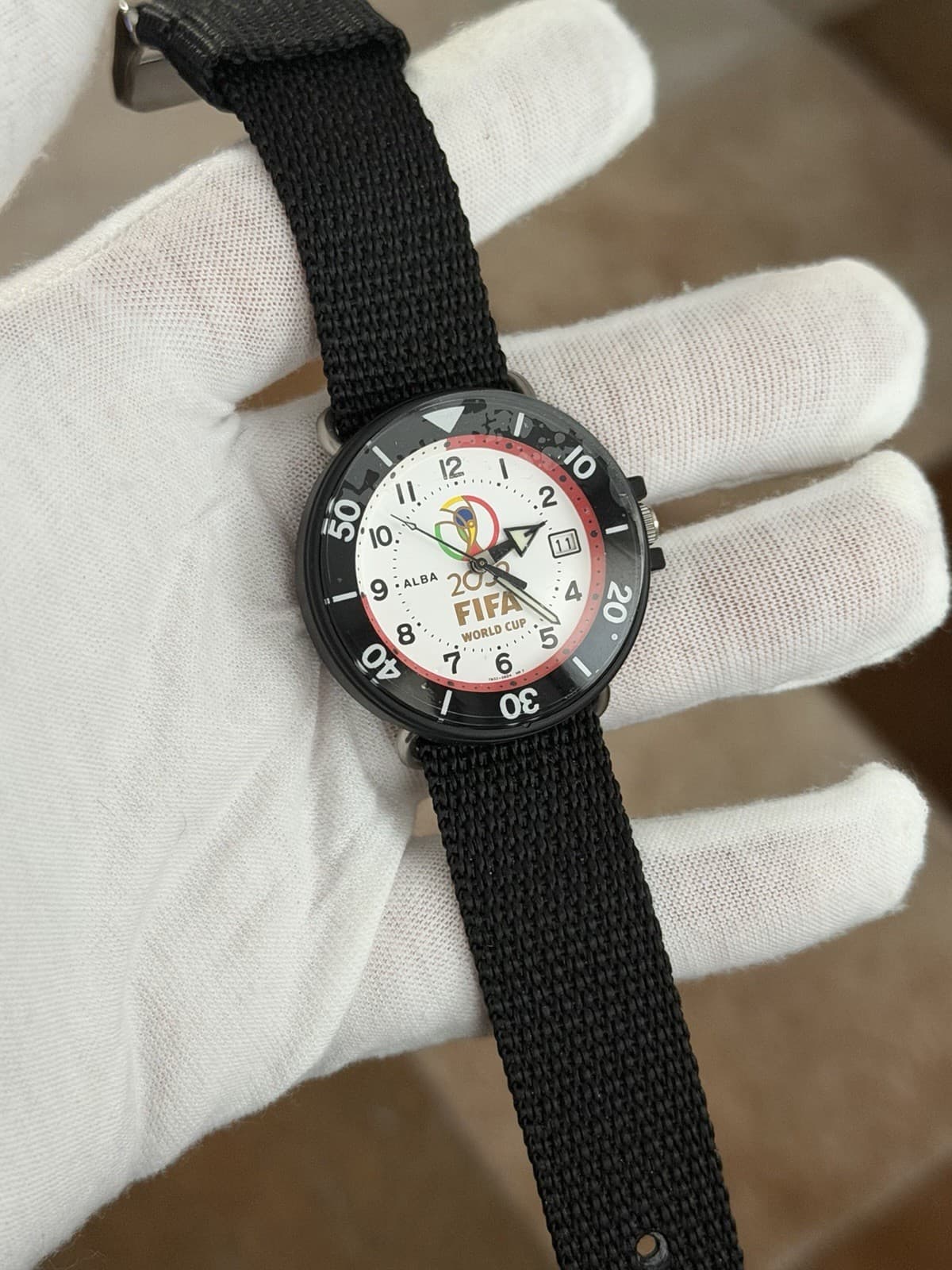
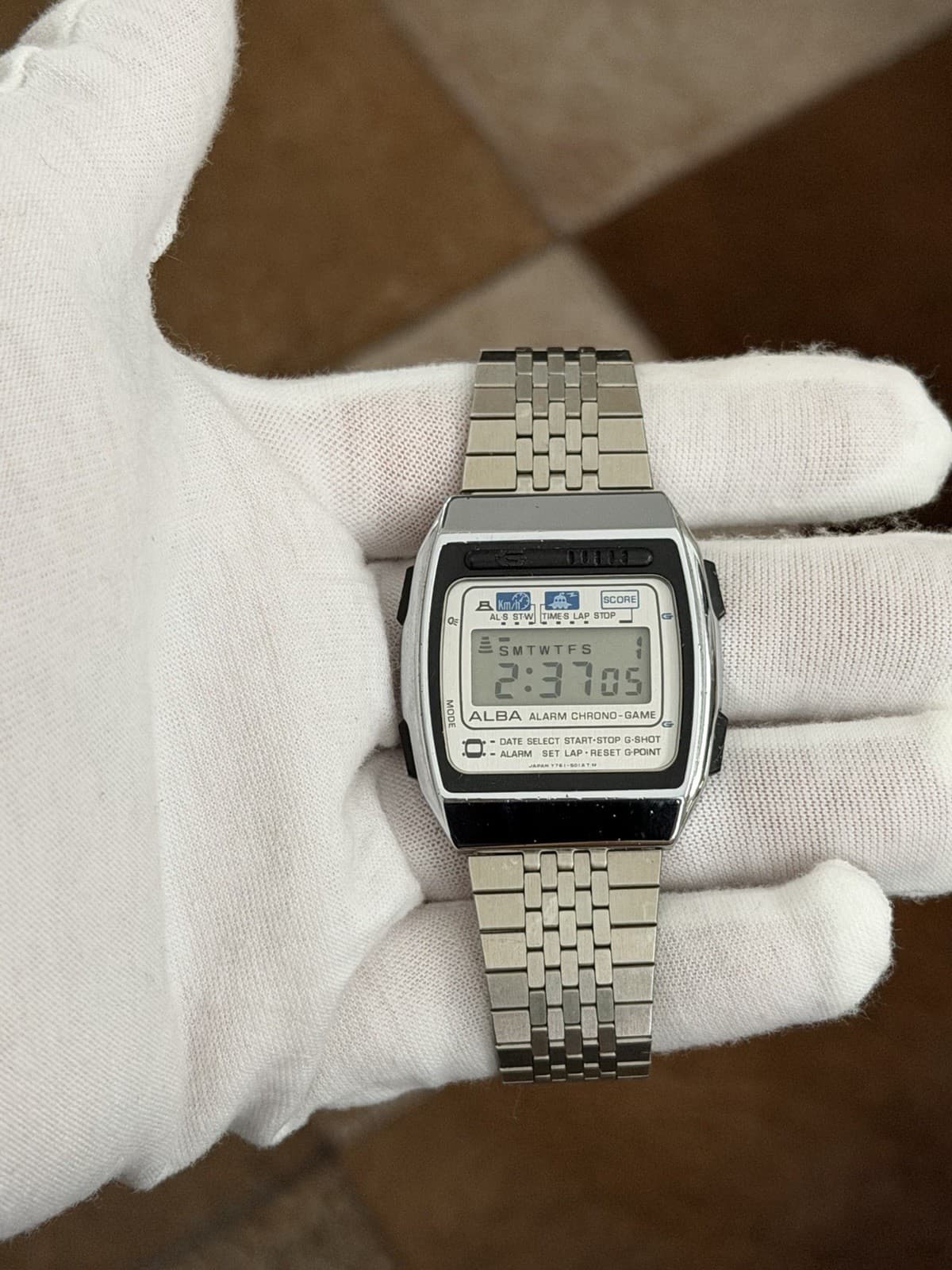
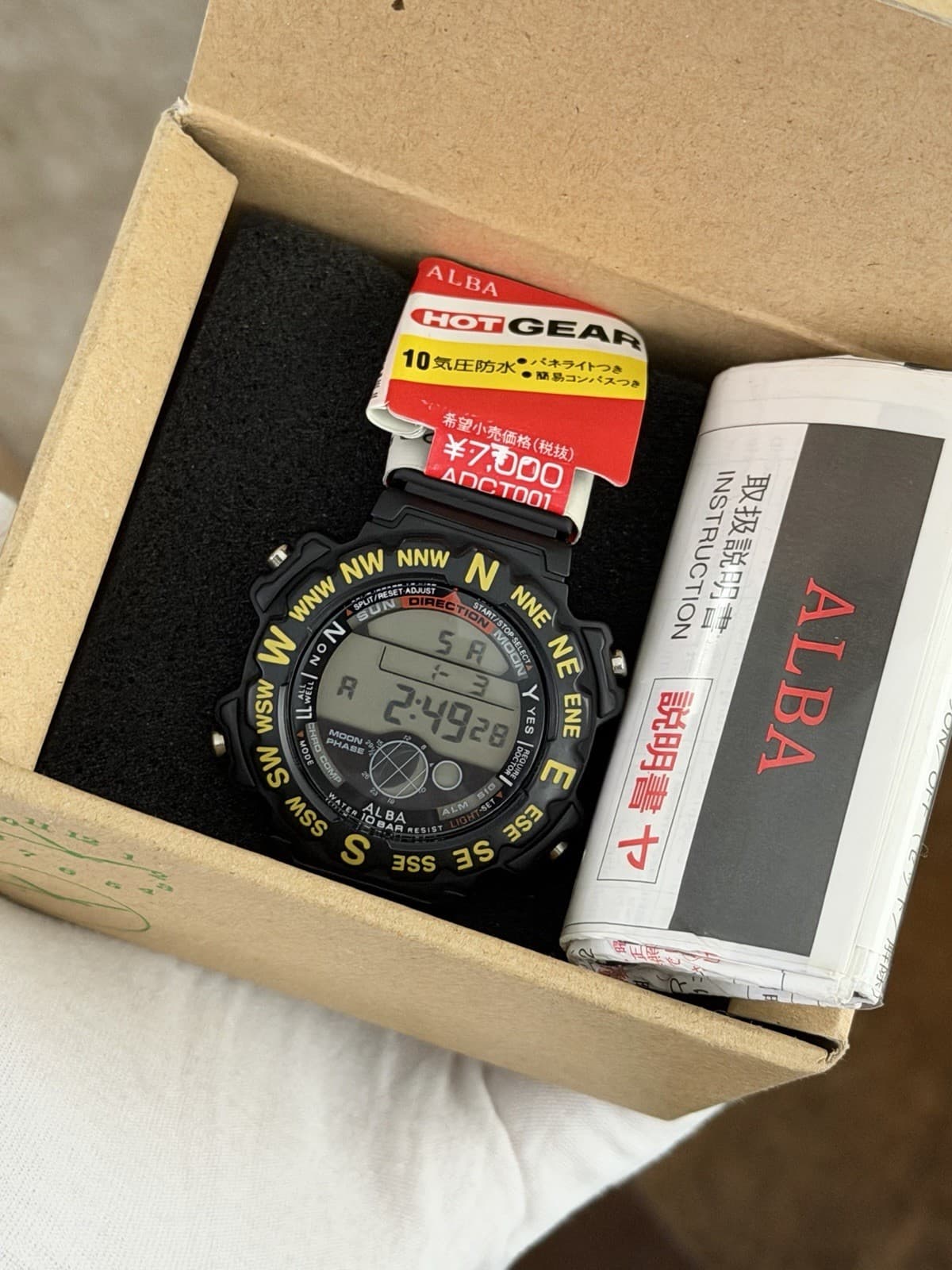
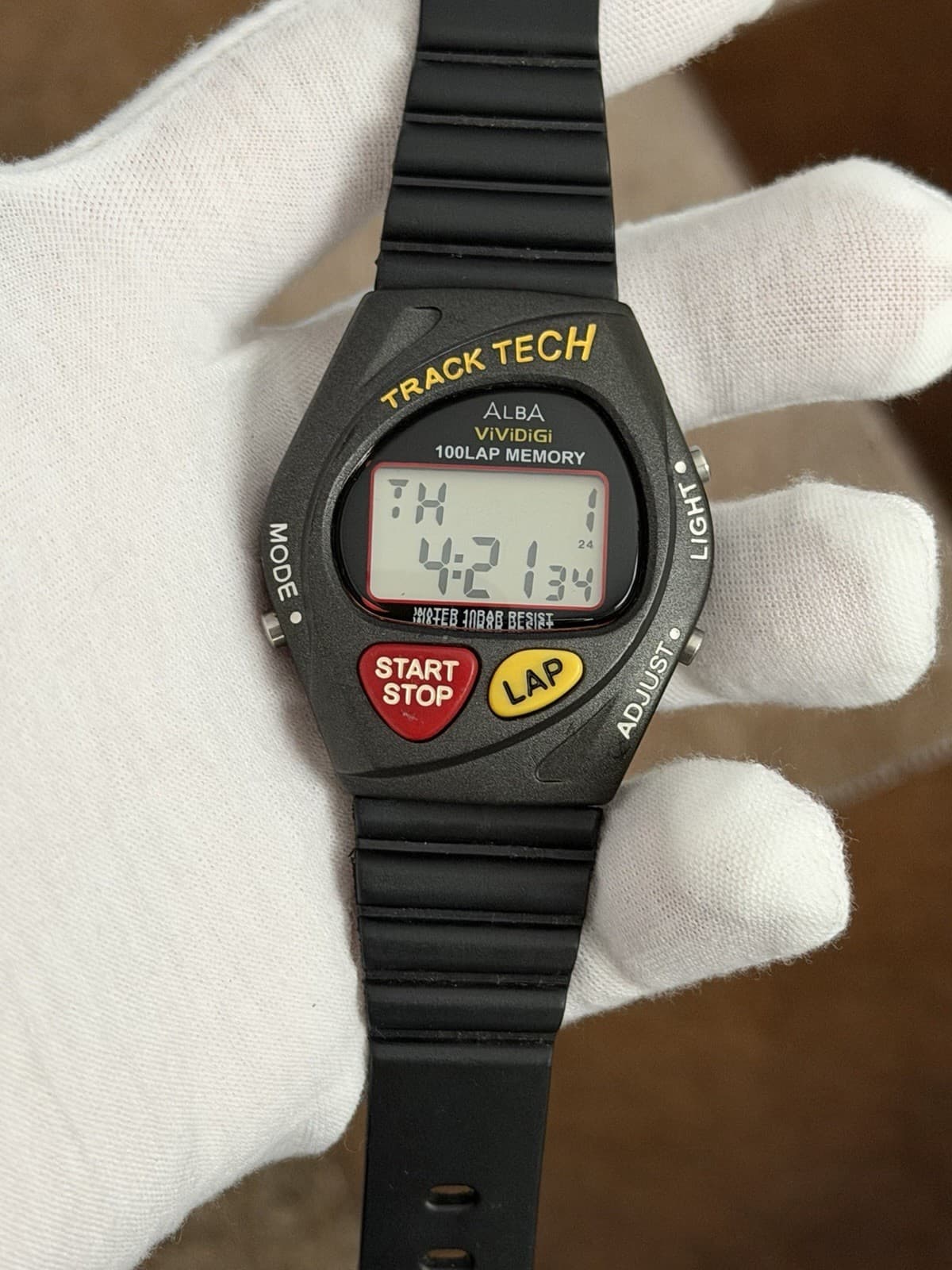
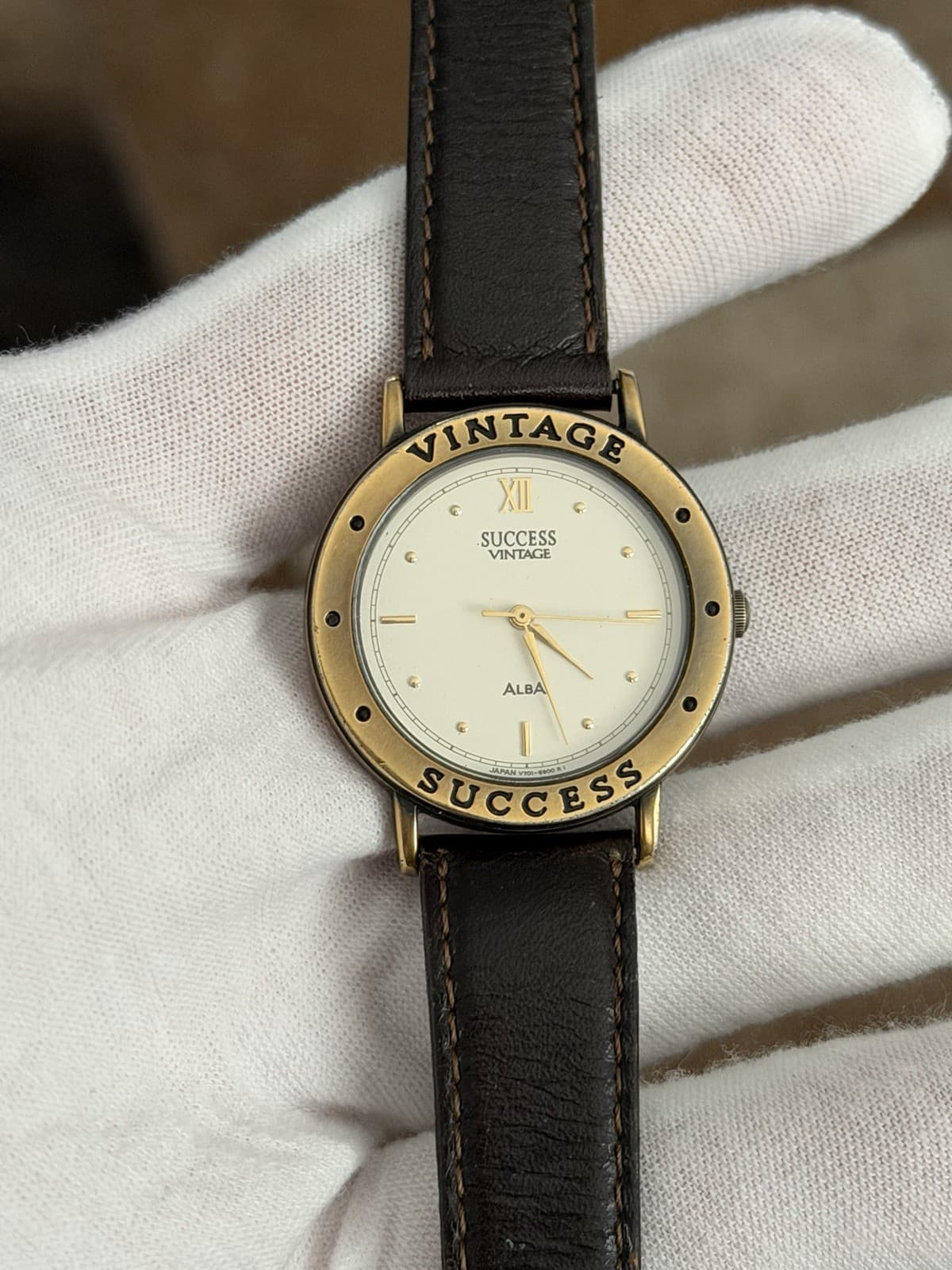
Compare Alba watches by model
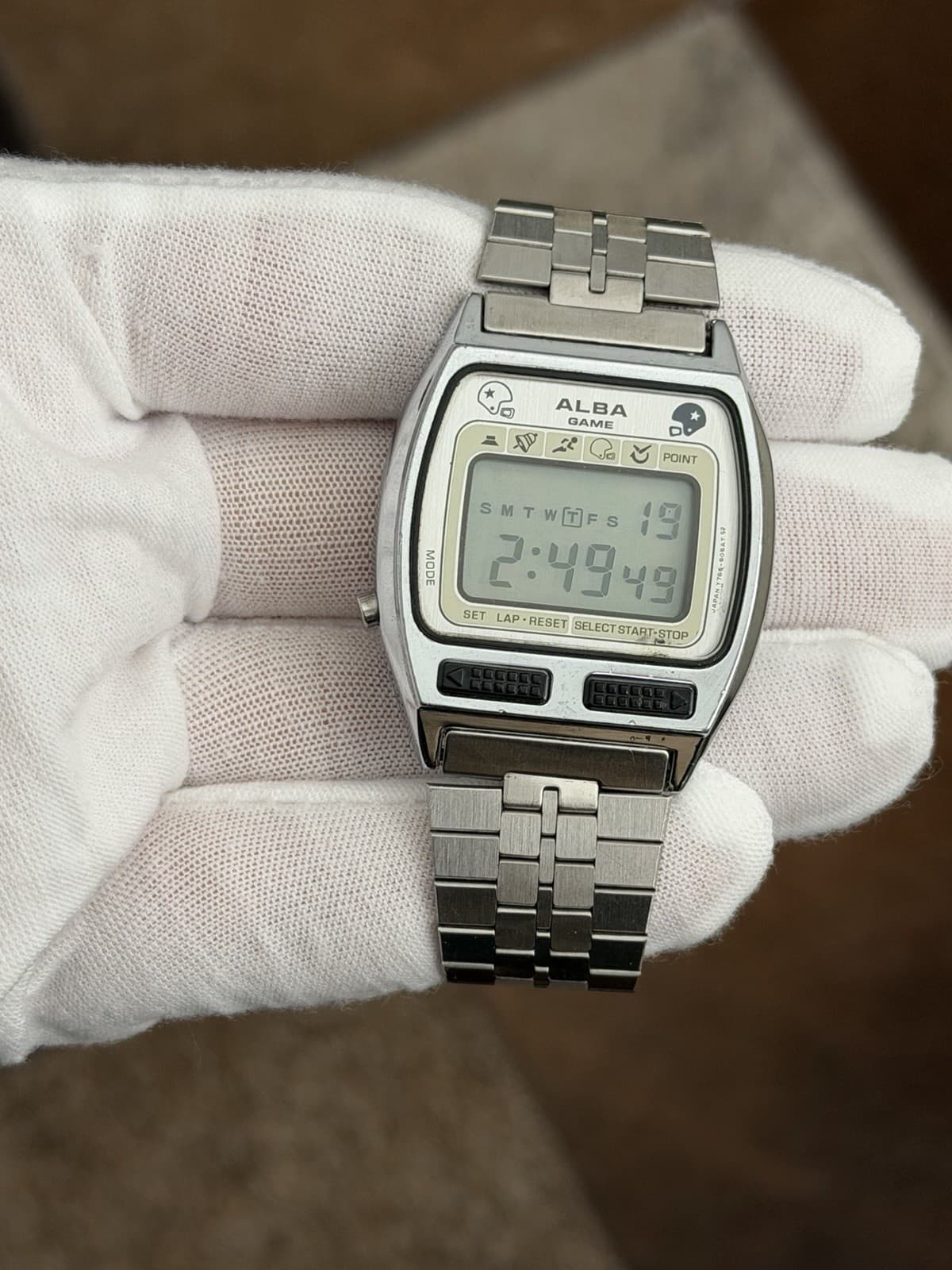
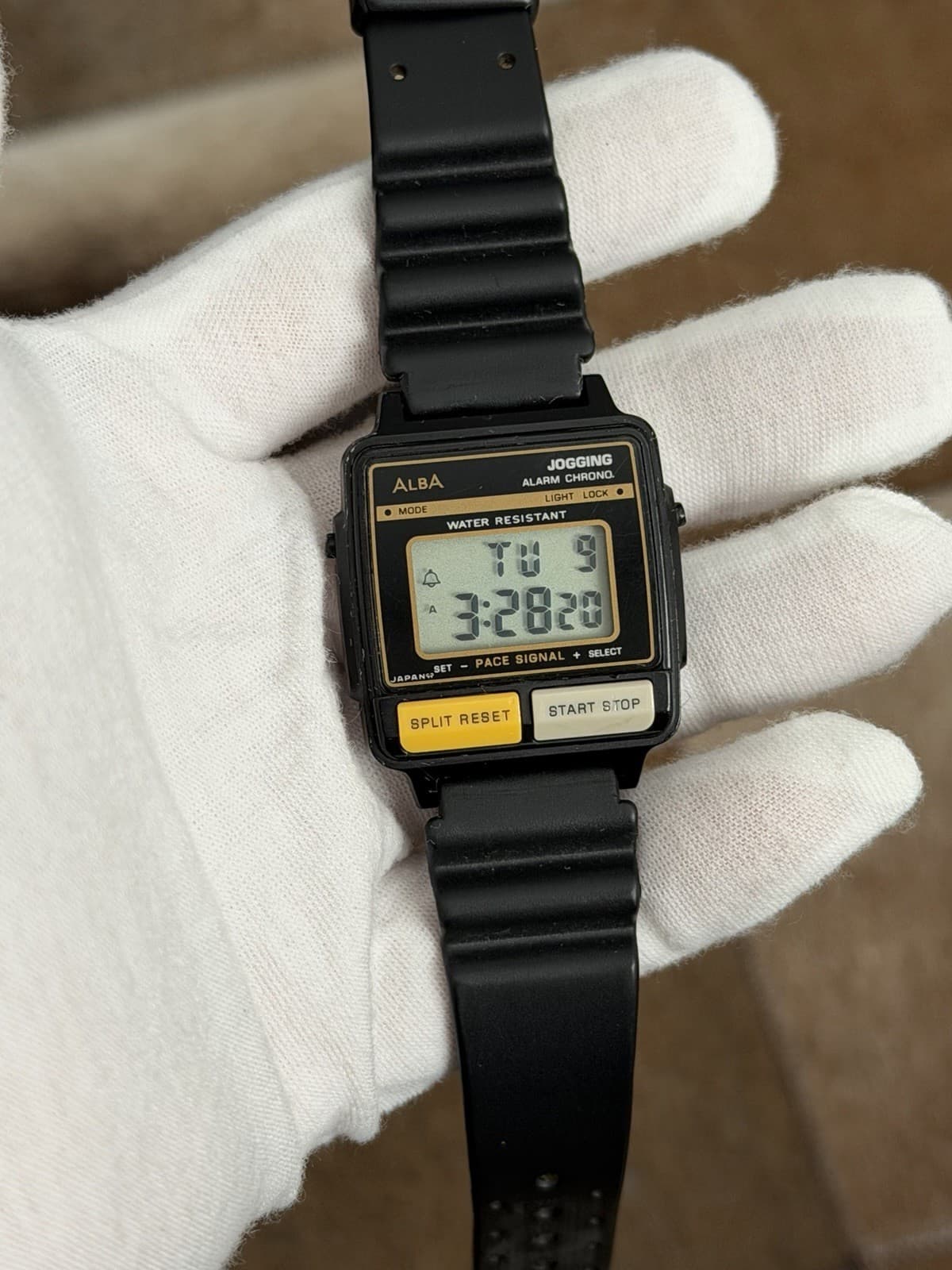
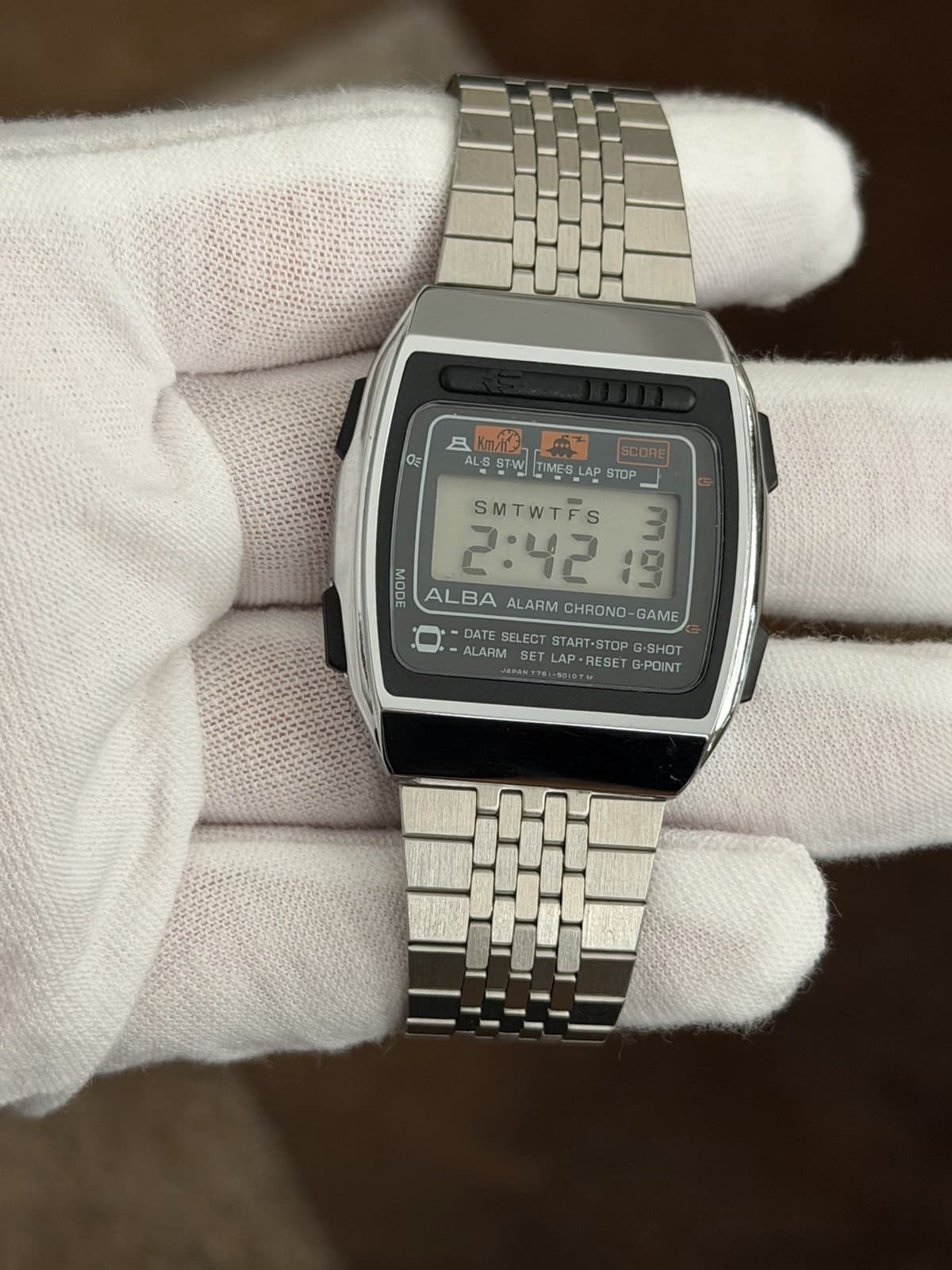
- Rare Vintage Alba Alarm Chrono Game Y761-5010 Men’s Digital Sports Watch JDM 80s — 3 available
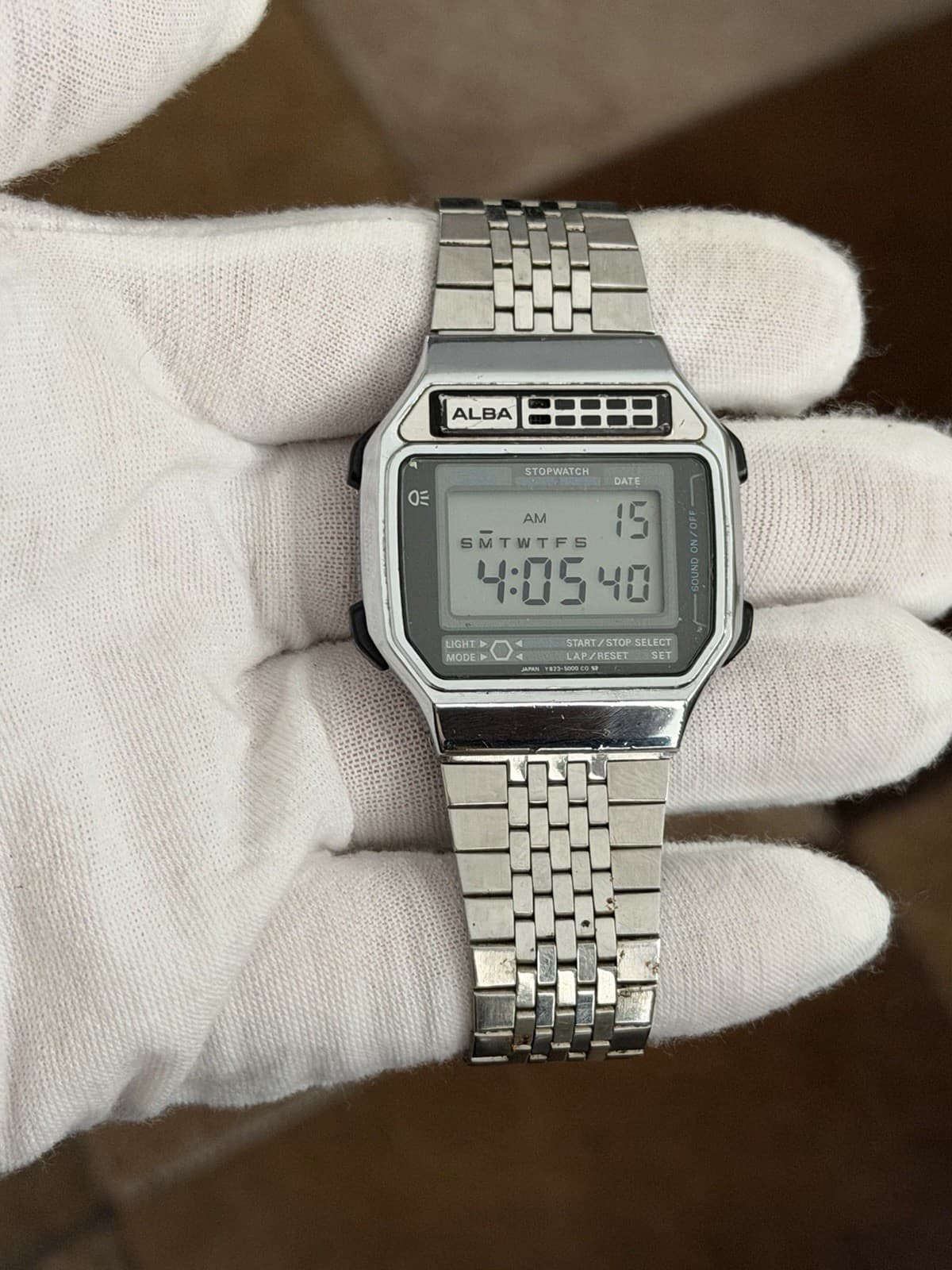
- Rare Vintage Alba Y823-5000 Men’s Alarm Chronograph Digital Sports Watch JDM 80s — 1 available
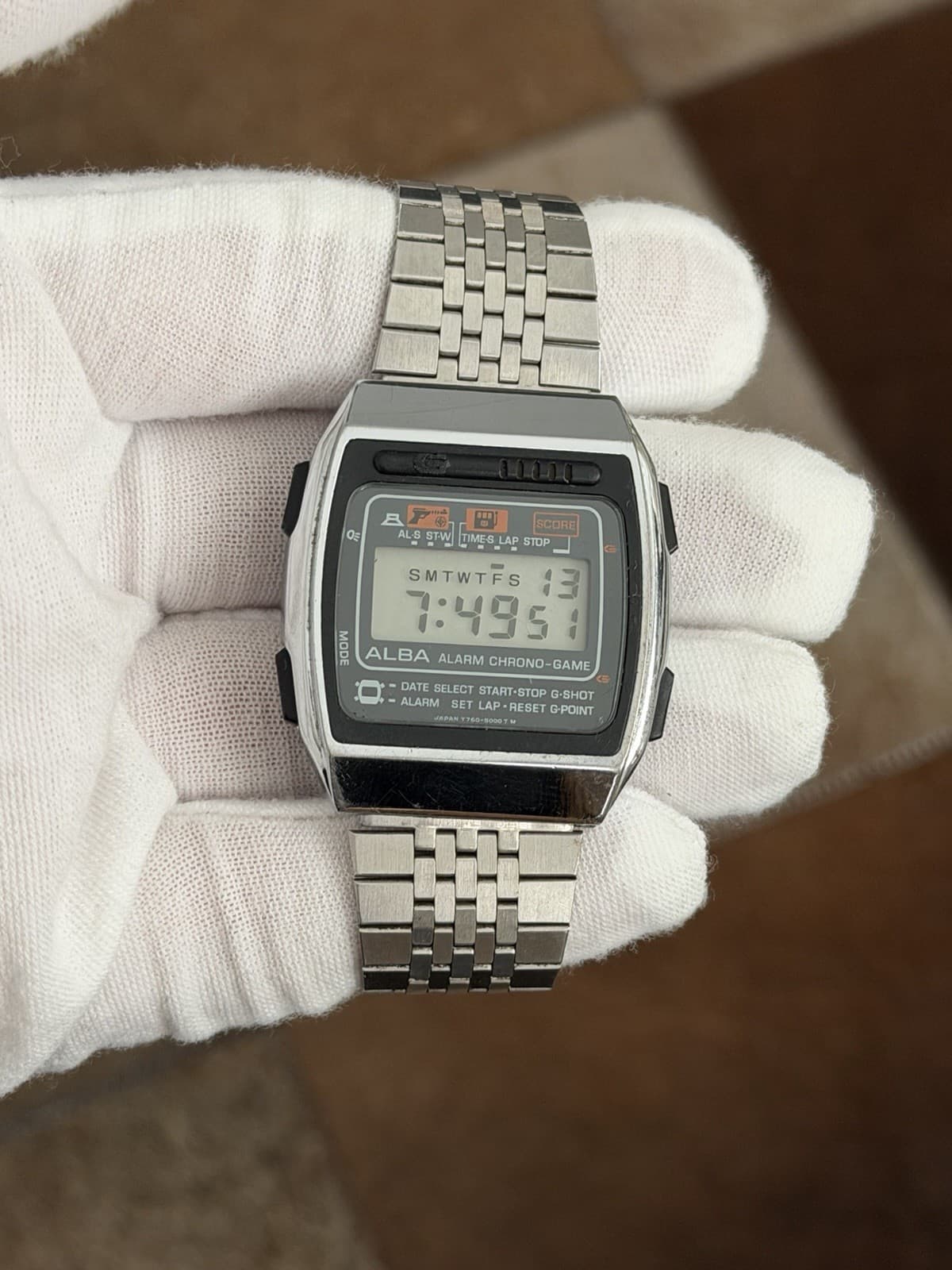
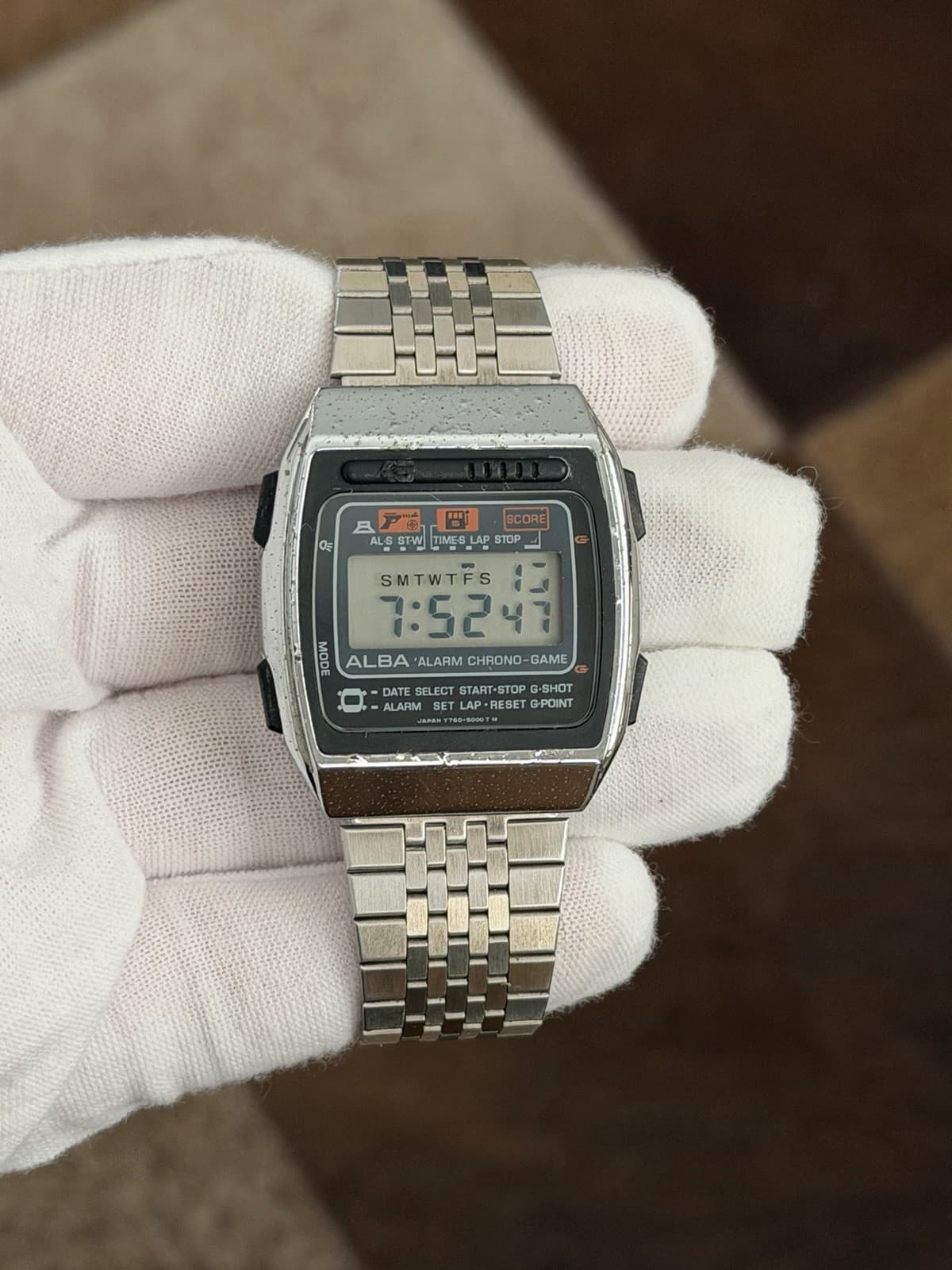
- Rare Vintage Alba Alarm Chrono Game Y760-5000 Men’s Digital Sports Watch JDM 80s — 2 available
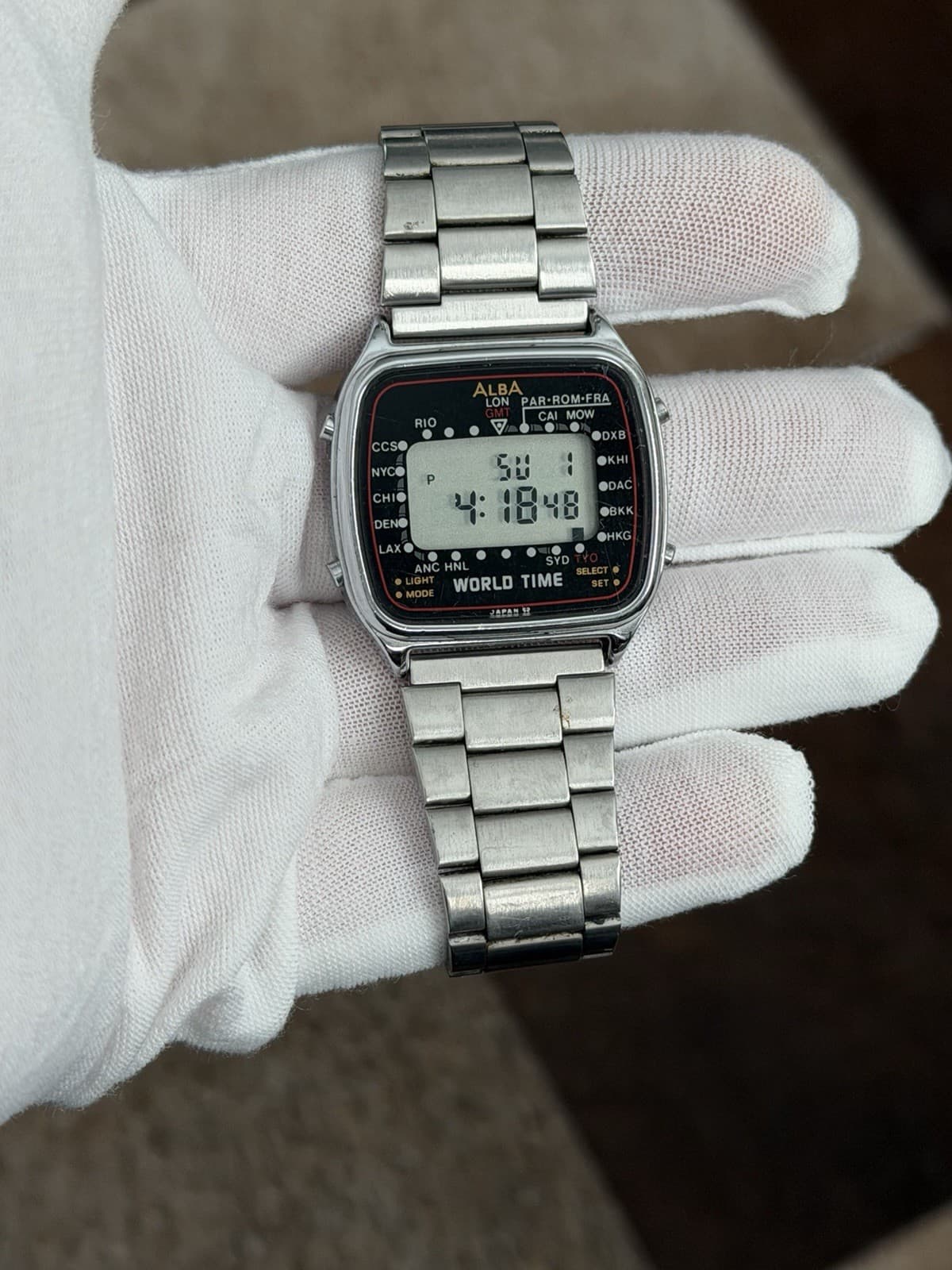
- Rare Vintage Alba World Time W308-4000 Men’s Digital Sports Travel Watch JDM 80s — 1 available
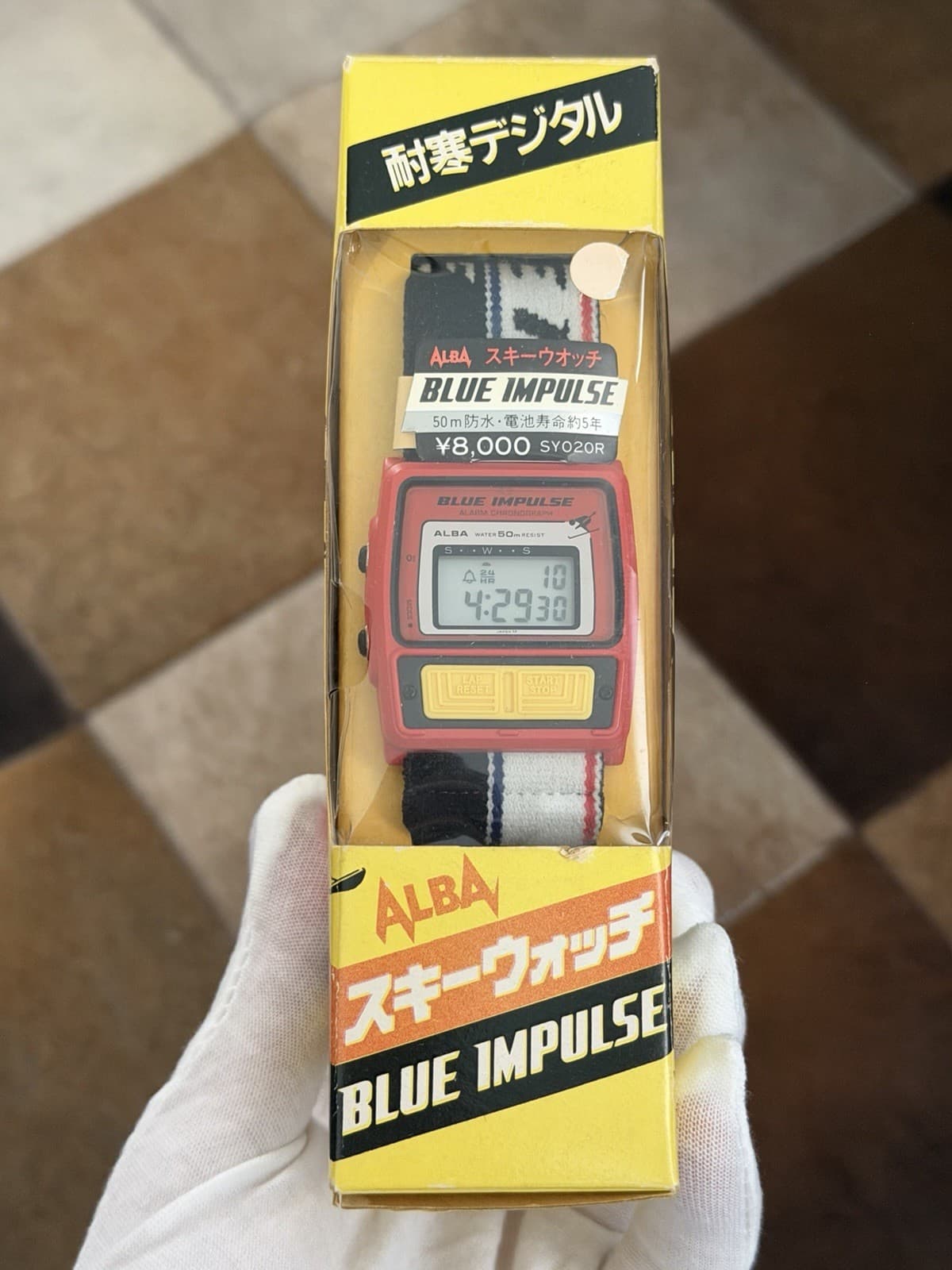
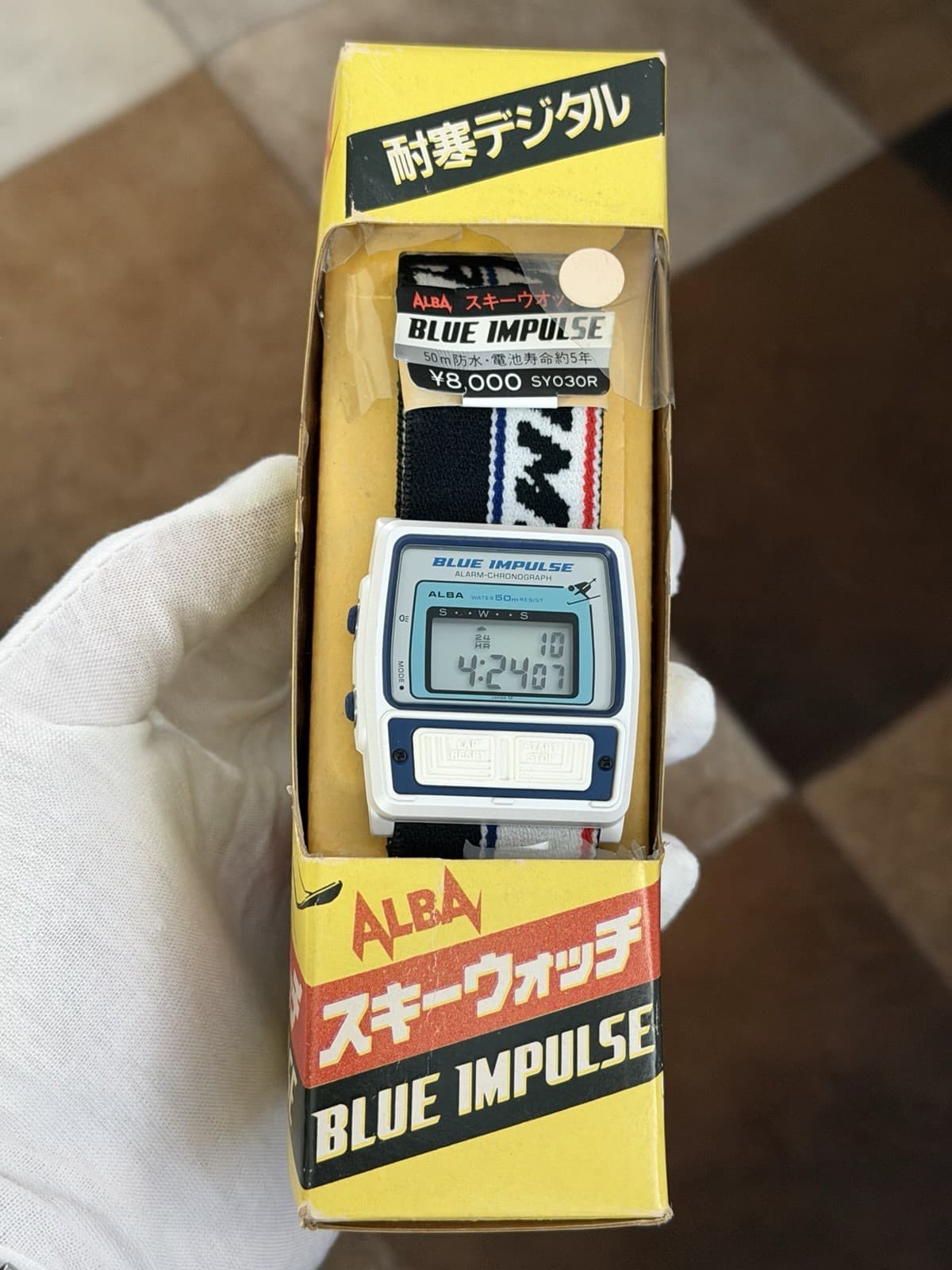
- NOS Seiko Alba Blue Impulse Y785-4000 Vintage Digital Sports Ski Watch JDM 1980s — 2 available
The Alba Story
Alba is Seiko's other answer to the 1970s upheaval it had itself created. Seiko launched the brand in 1979 as a youth-oriented value line, a name taken from the word for dawn, slotted beneath Seiko proper just as Pulsar, acquired in 1978, served the same role in export markets. Alba watches were designed and built within the Seiko group, using its quartz calibers and factories, but were sold almost exclusively in Japan and Southeast Asia, which is why most of the world has never seen one in a shop window.
Freed from the flagship's dignity, Alba spent the 1980s having fun. The catalog filled with multifunction digitals and ana-digi hybrids built on Seiko group quartz modules, including the V-series calibers that also served dearer watches in the family. Lines like Hyper Tech wrapped alarms, chronographs, and dual displays in angular cases with bold typography aimed at students and young office workers, and because Alba answered to fashion rather than tradition, its designers chased ideas quickly. The result was a stream of short-run models that Seiko itself would never have dared to badge.
The 1990s brought Alba its cult hit, the Spoon, a rounded multifunction digital that became a genuine youth fashion item in Japan and ran through dozens of variants. Sportier needs were covered by the Carib line of divers and chronograph-styled quartz models, while later collections such as Riki, drawn from the clock designs of industrial designer Riki Watanabe, gave the brand unexpected design credibility. Through all of it Alba stayed cheap and stayed home: official distribution reached across Asia, but the watches remained effectively unknown in Europe and the United States until the import scene found them.
For collectors, Alba is Seiko at its least self-conscious, and the JDM-only distribution does the work scarcity usually does: almost nothing made before the 2000s turns up naturally outside Asia. Casebacks carry Seiko-style codes pairing the caliber with a case number, which makes identifying modules straightforward, and many movements interchange with Seiko and Pulsar equivalents when service is needed. Buy on condition, since resin cases, painted bezels, and LCD panels age in ways steel does not, and prices remain low enough that an honest 1980s ana-digi still costs less than a dinner out.