Vintage Seiko Watches
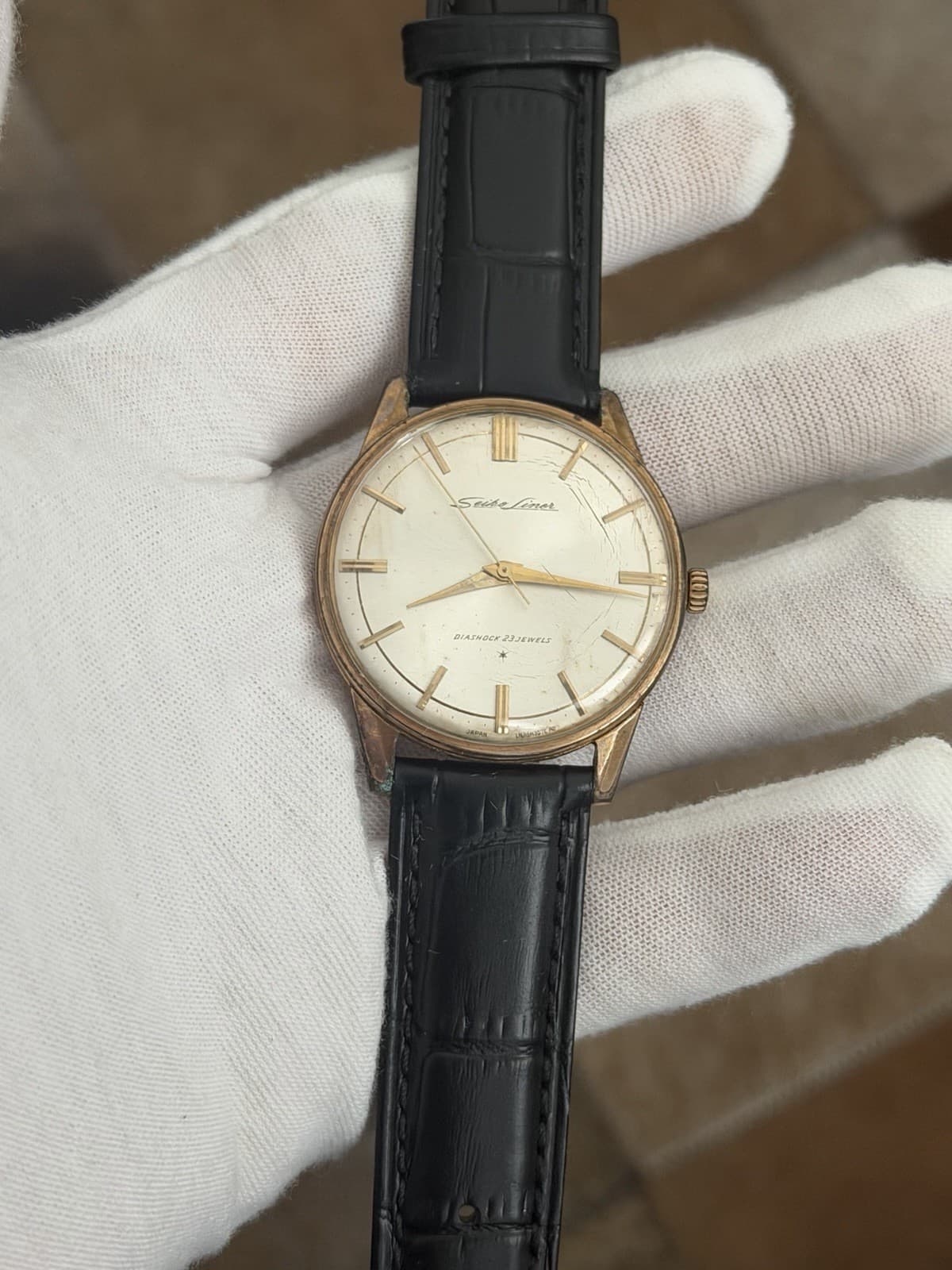
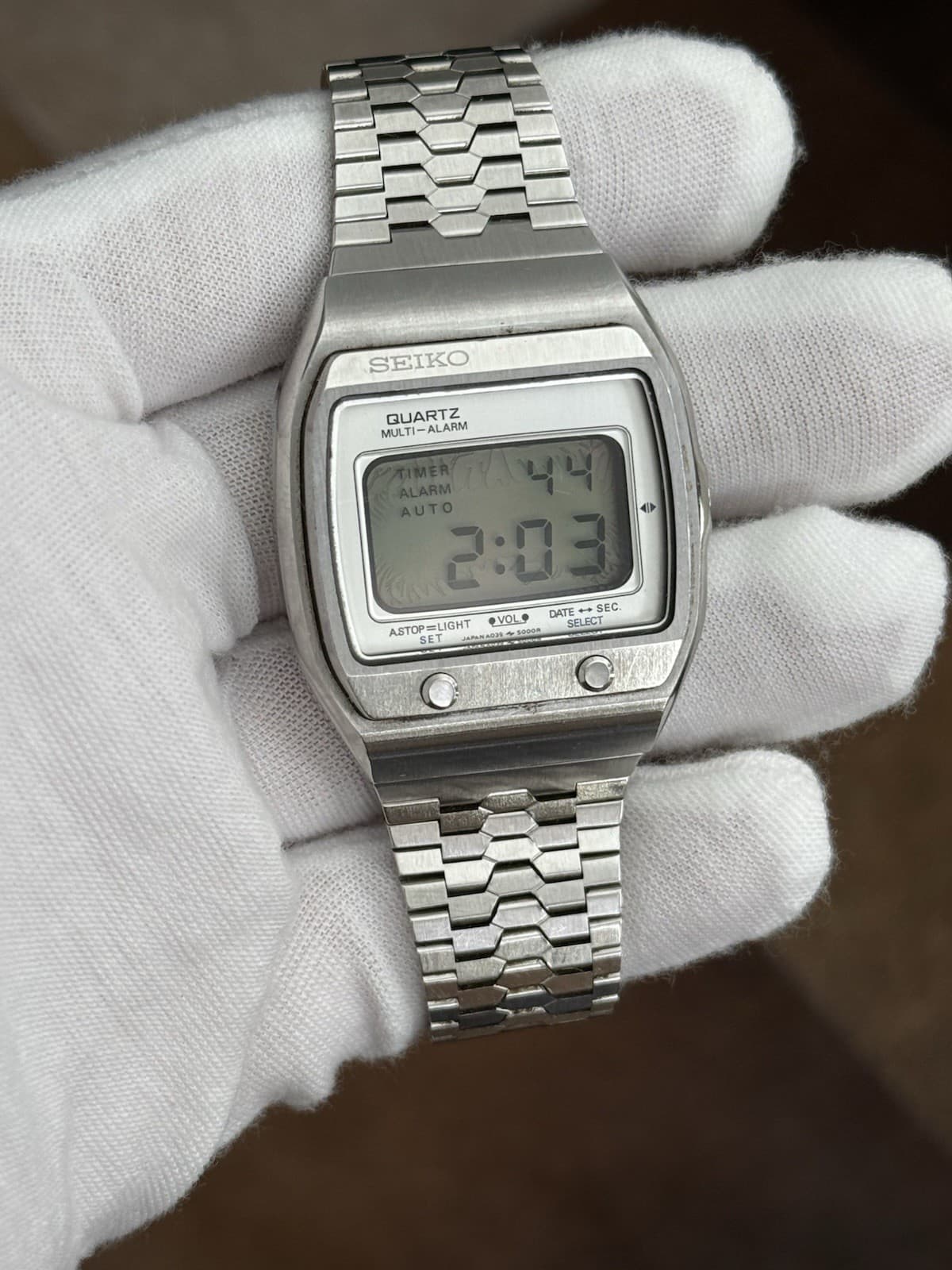
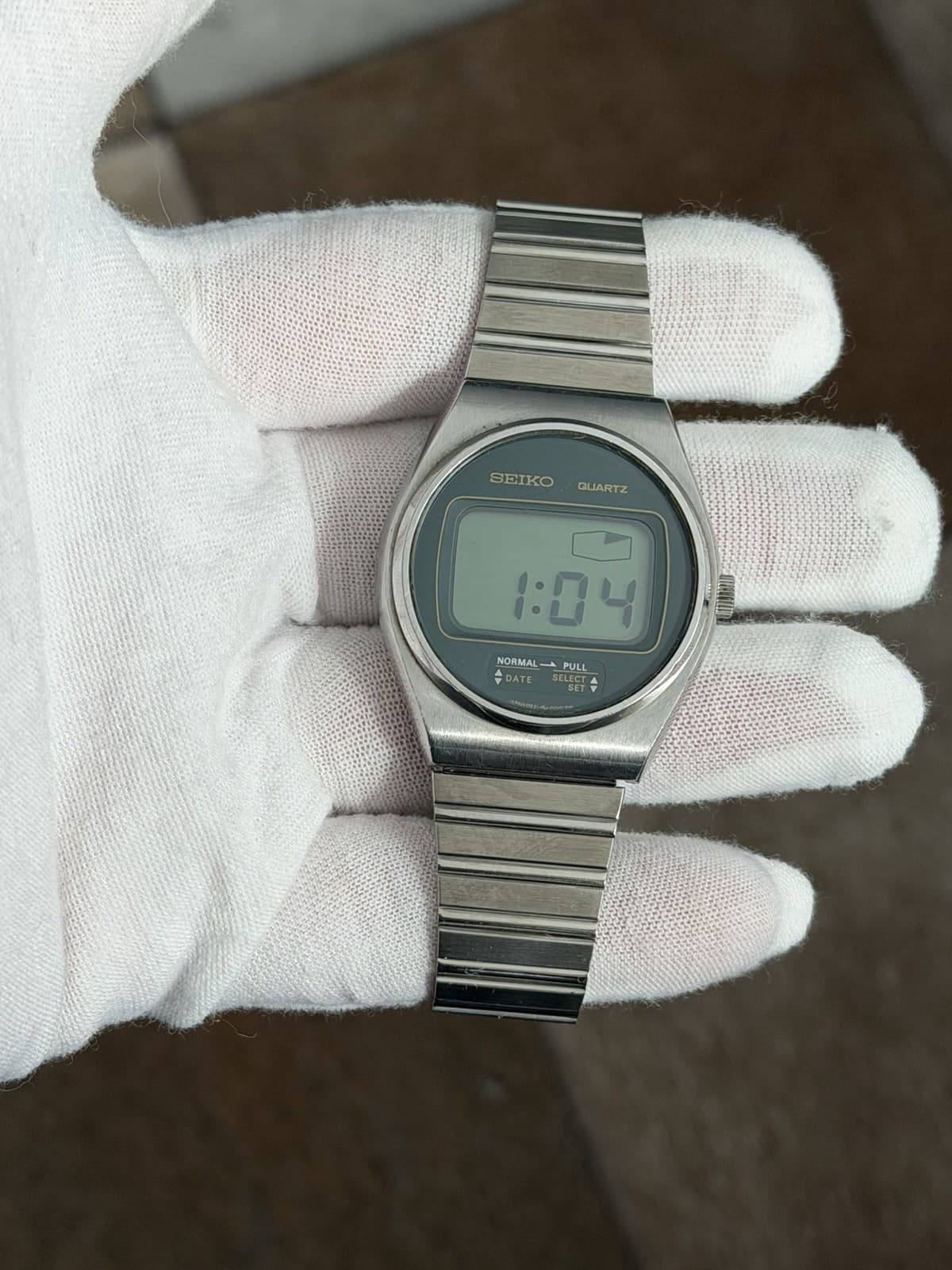
Vintage Seiko spans an unusually wide range of mechanical, quartz, digital, and hybrid watchmaking from Japan and the wider world. Every listing shows the exact watch offered, photographed front and back, with new finds from Japan added regularly.
Read the detailed Seiko history467 Seiko timepieces in stock — page 2 of 5
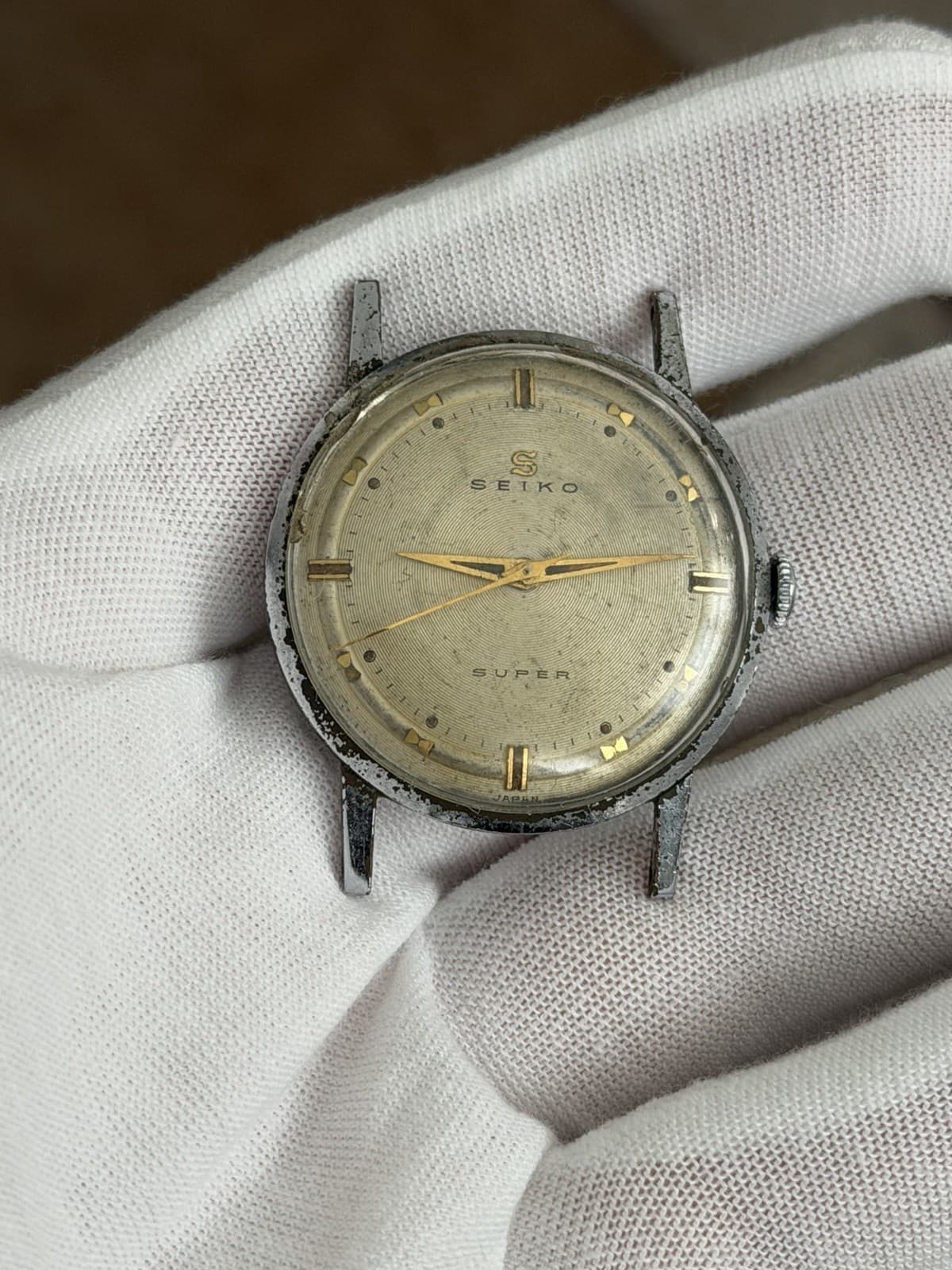
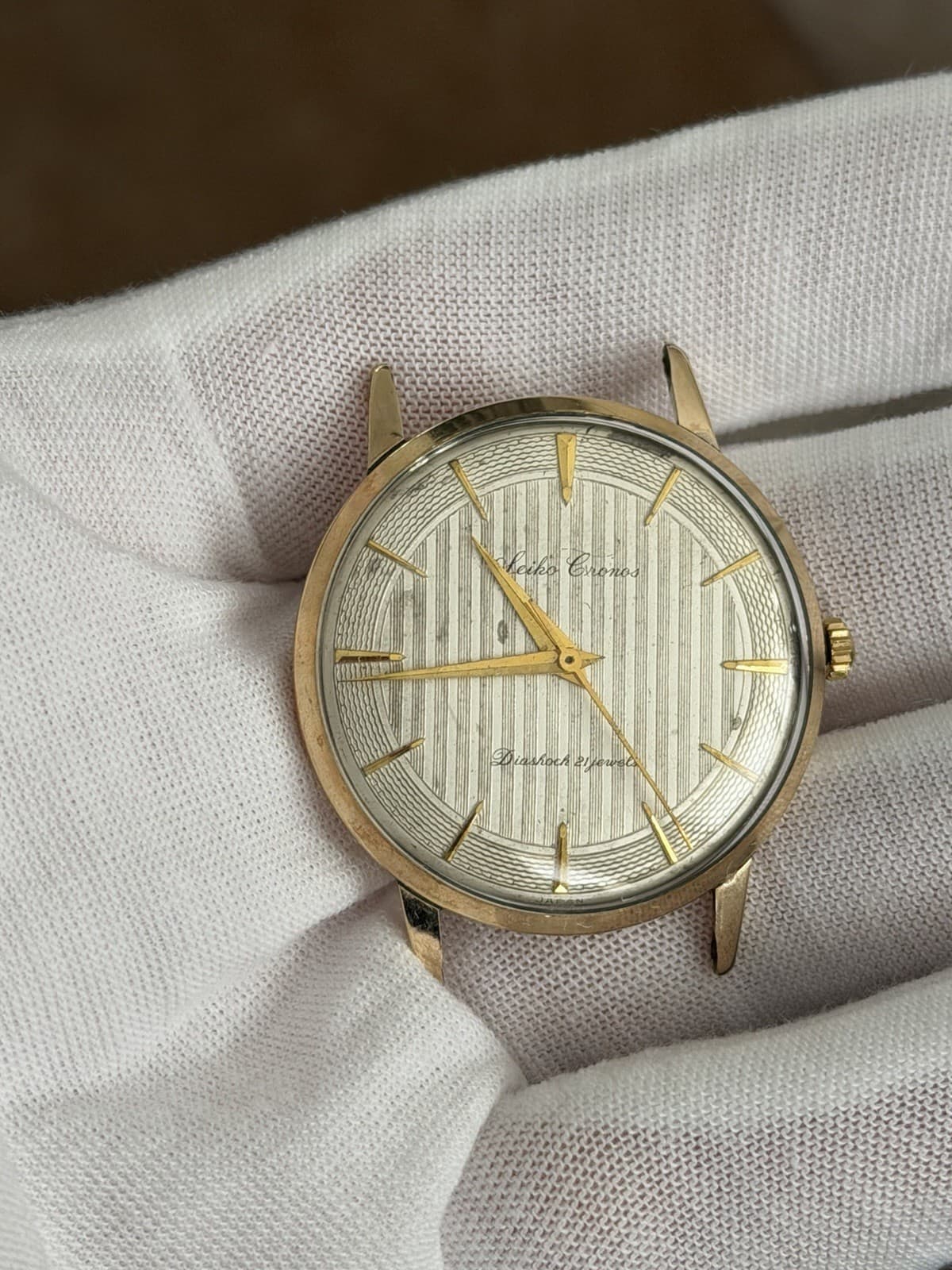
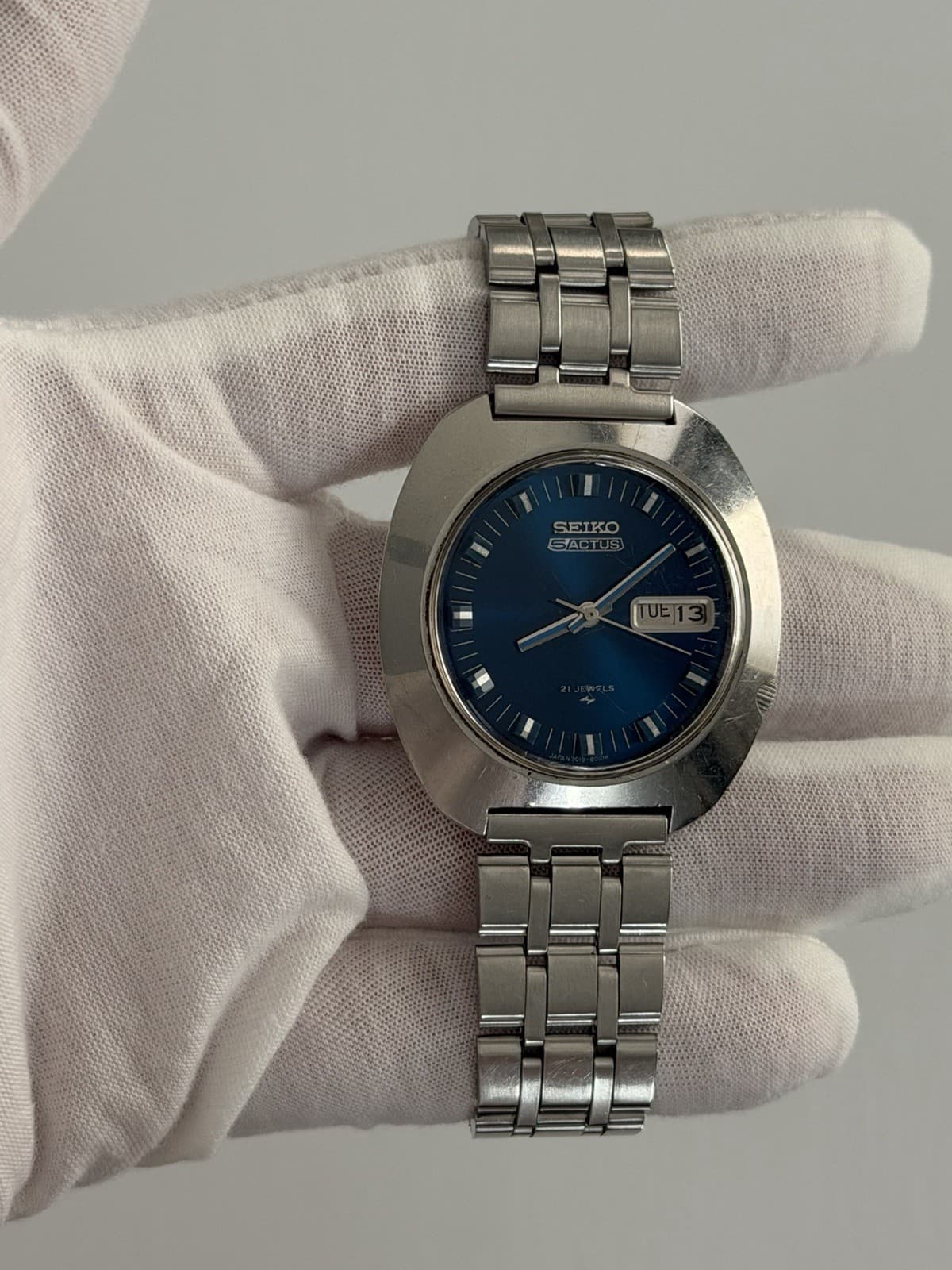
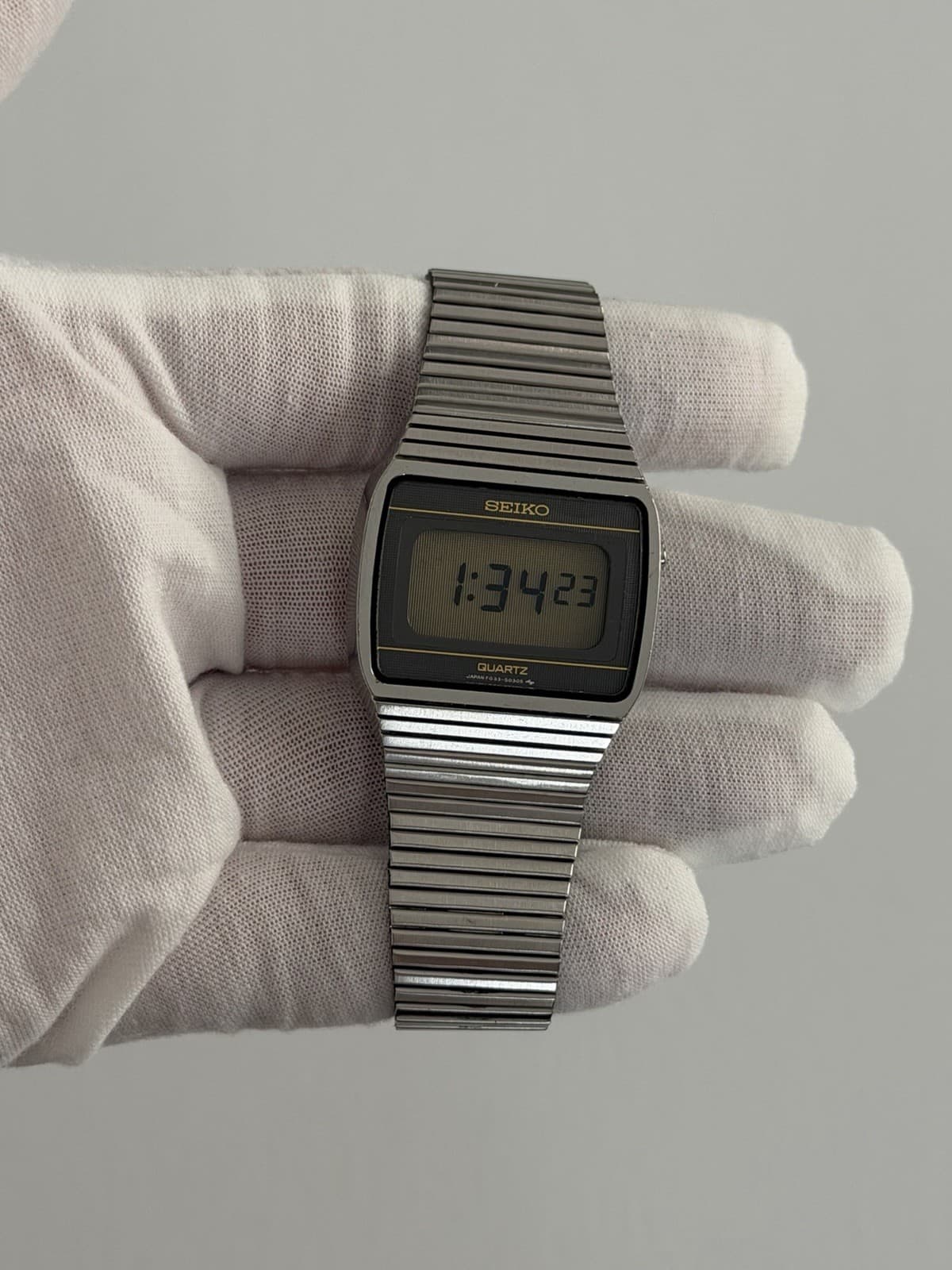
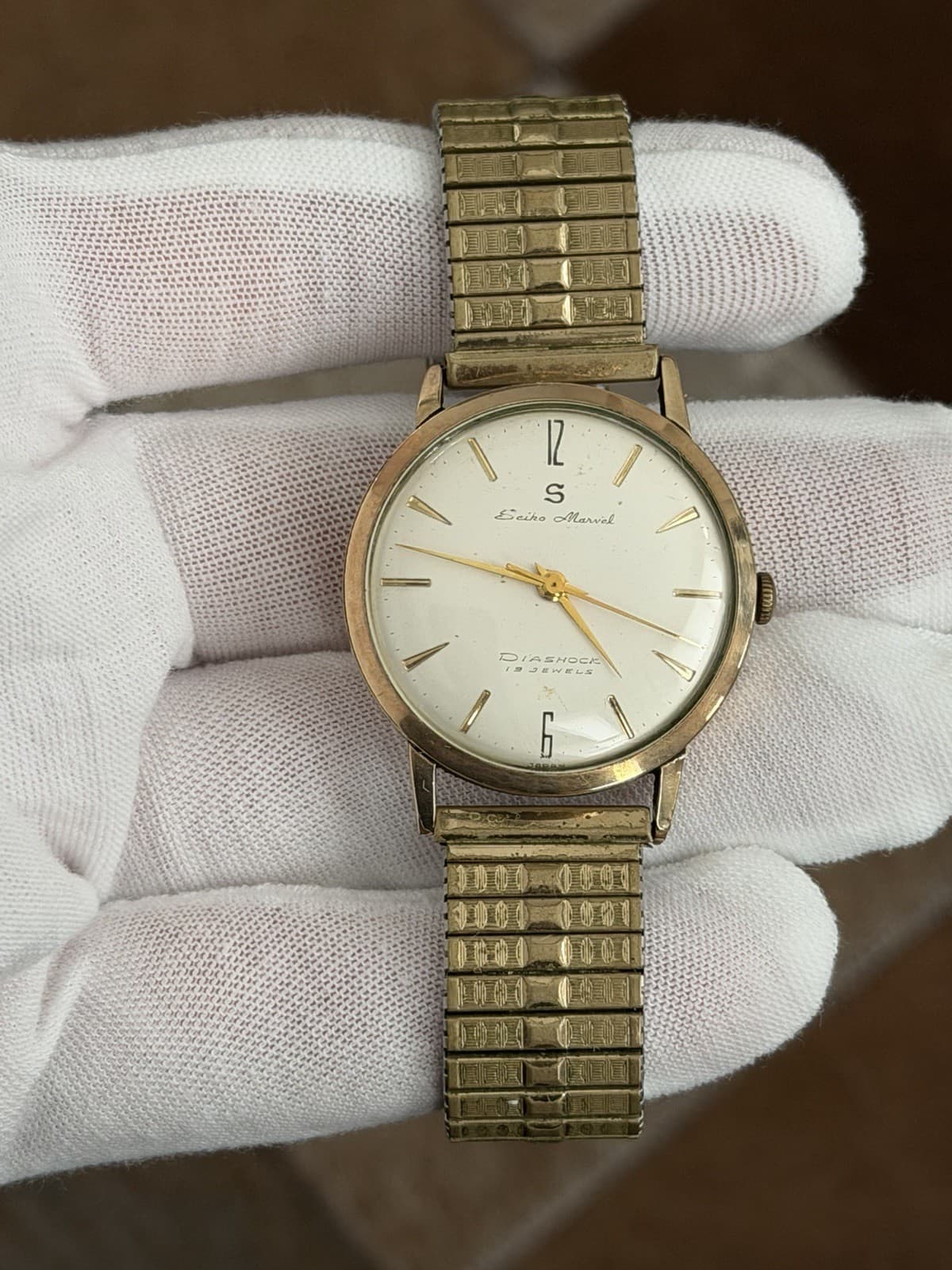
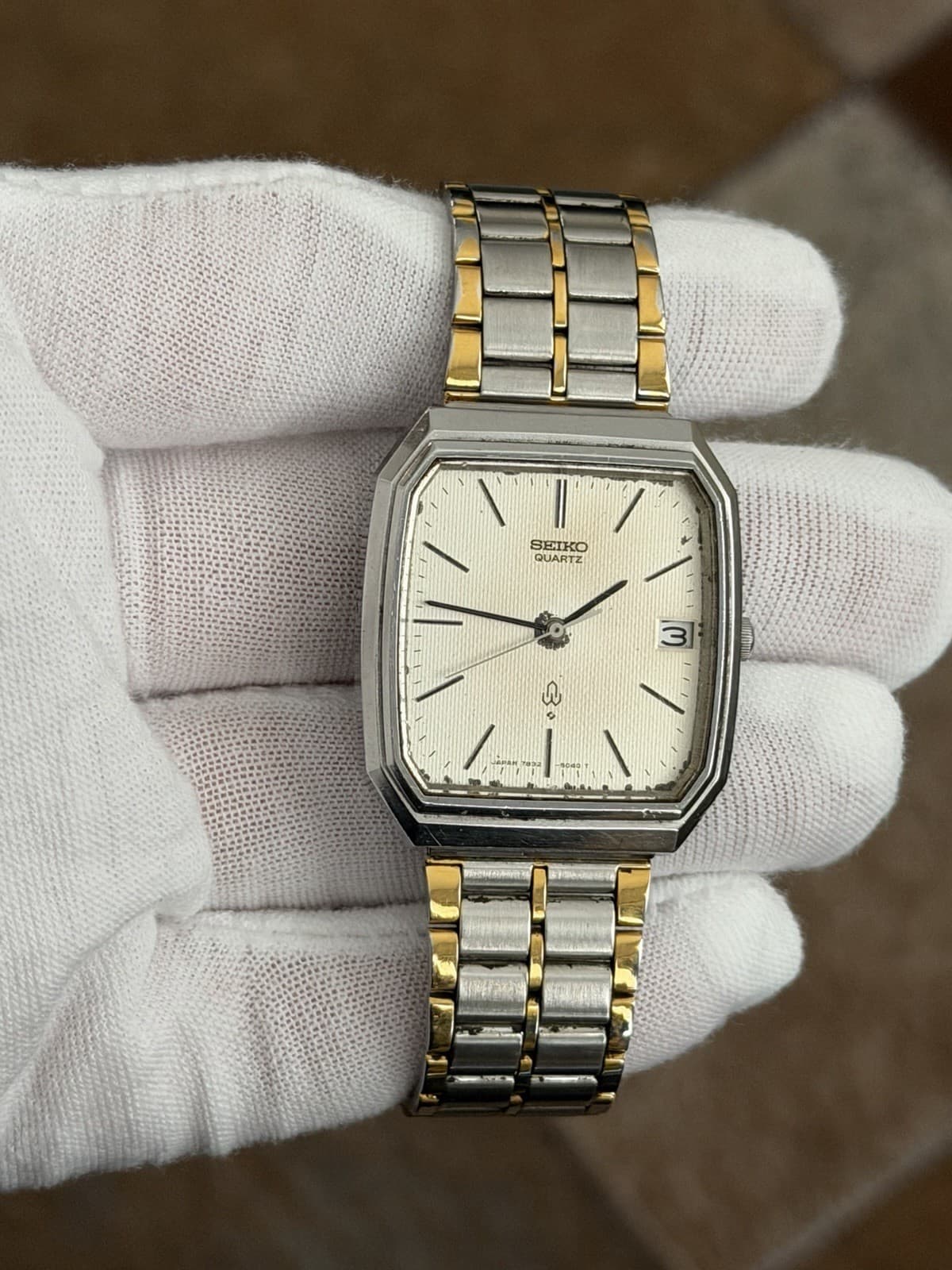
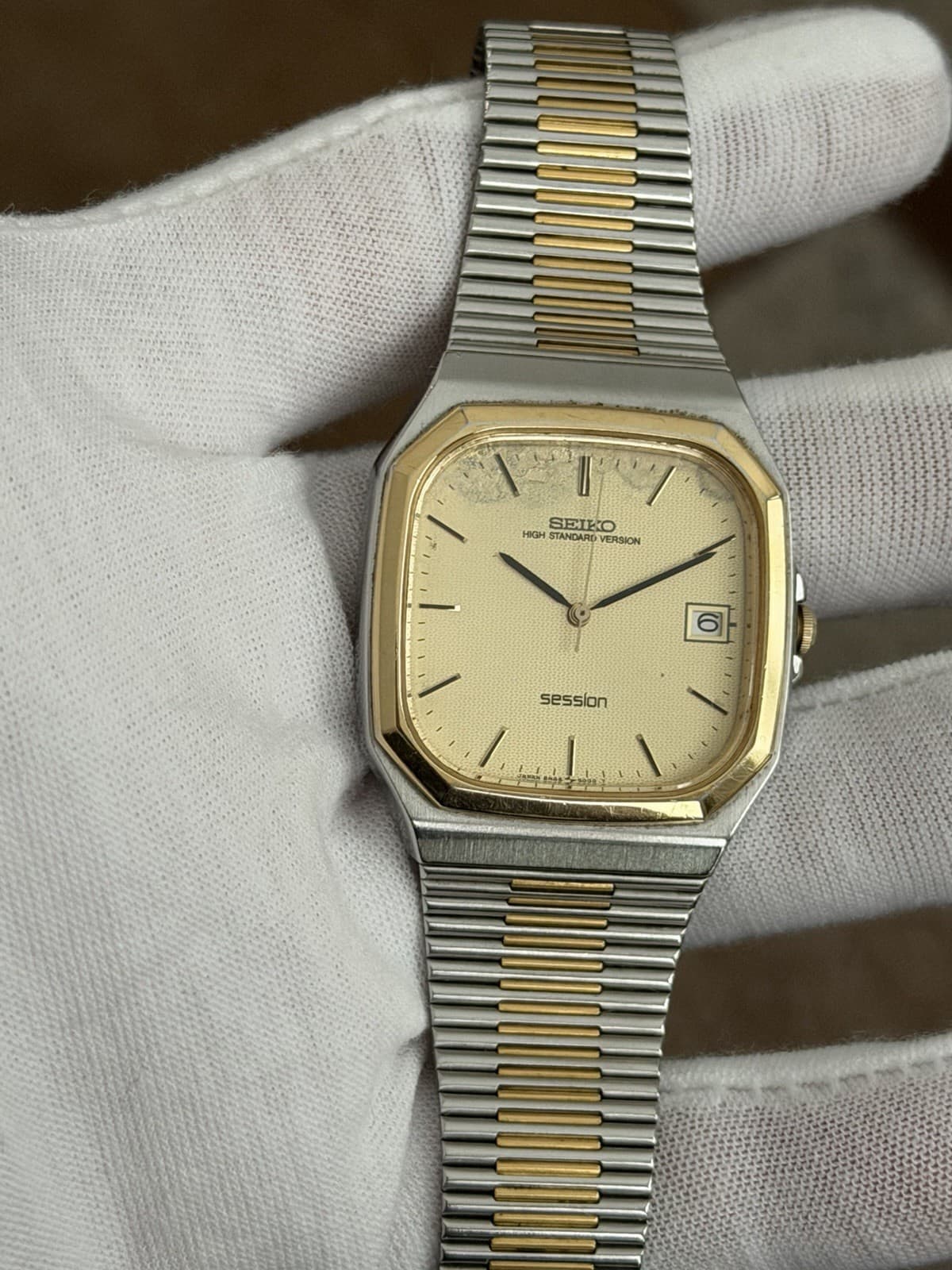
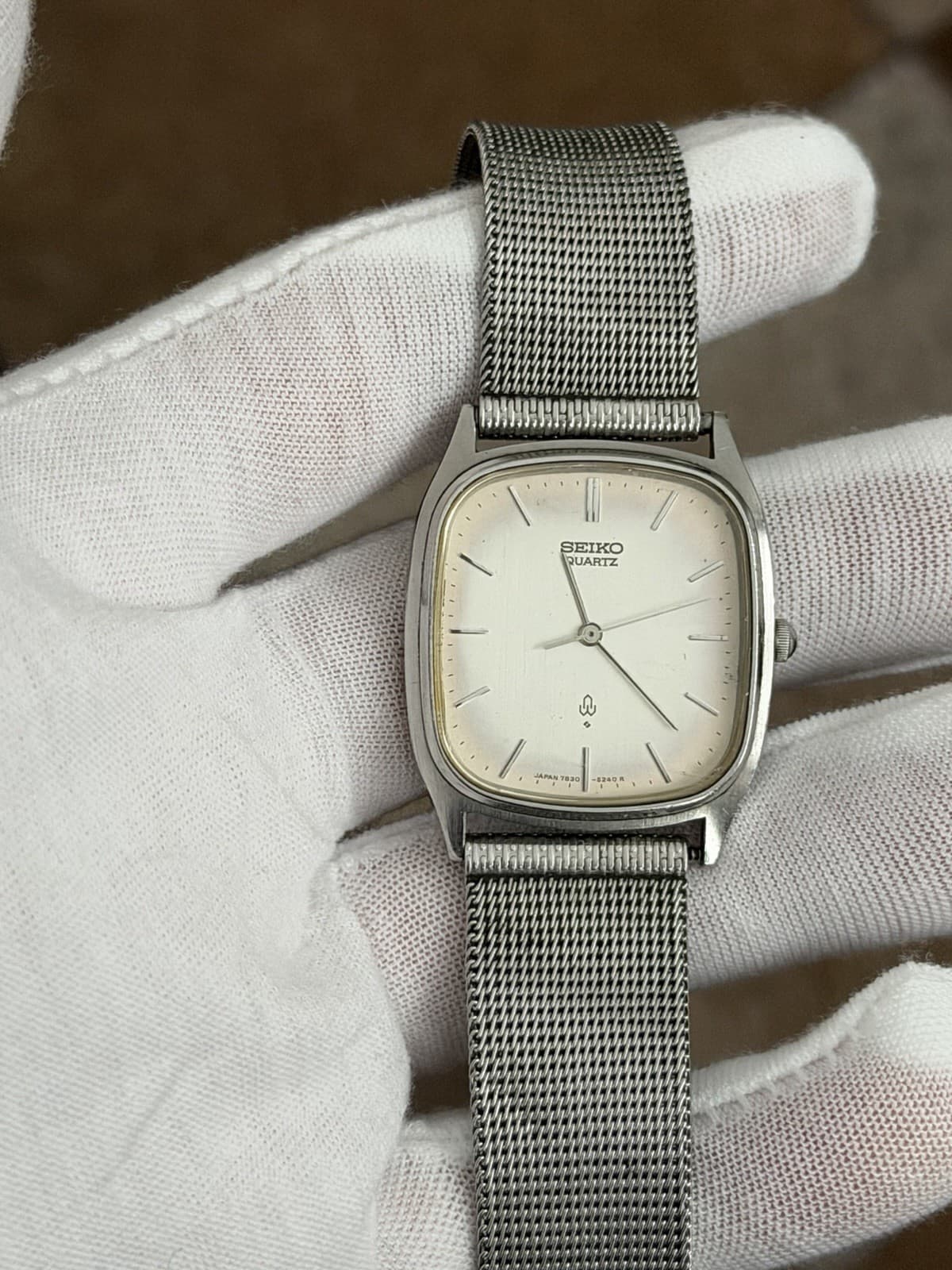
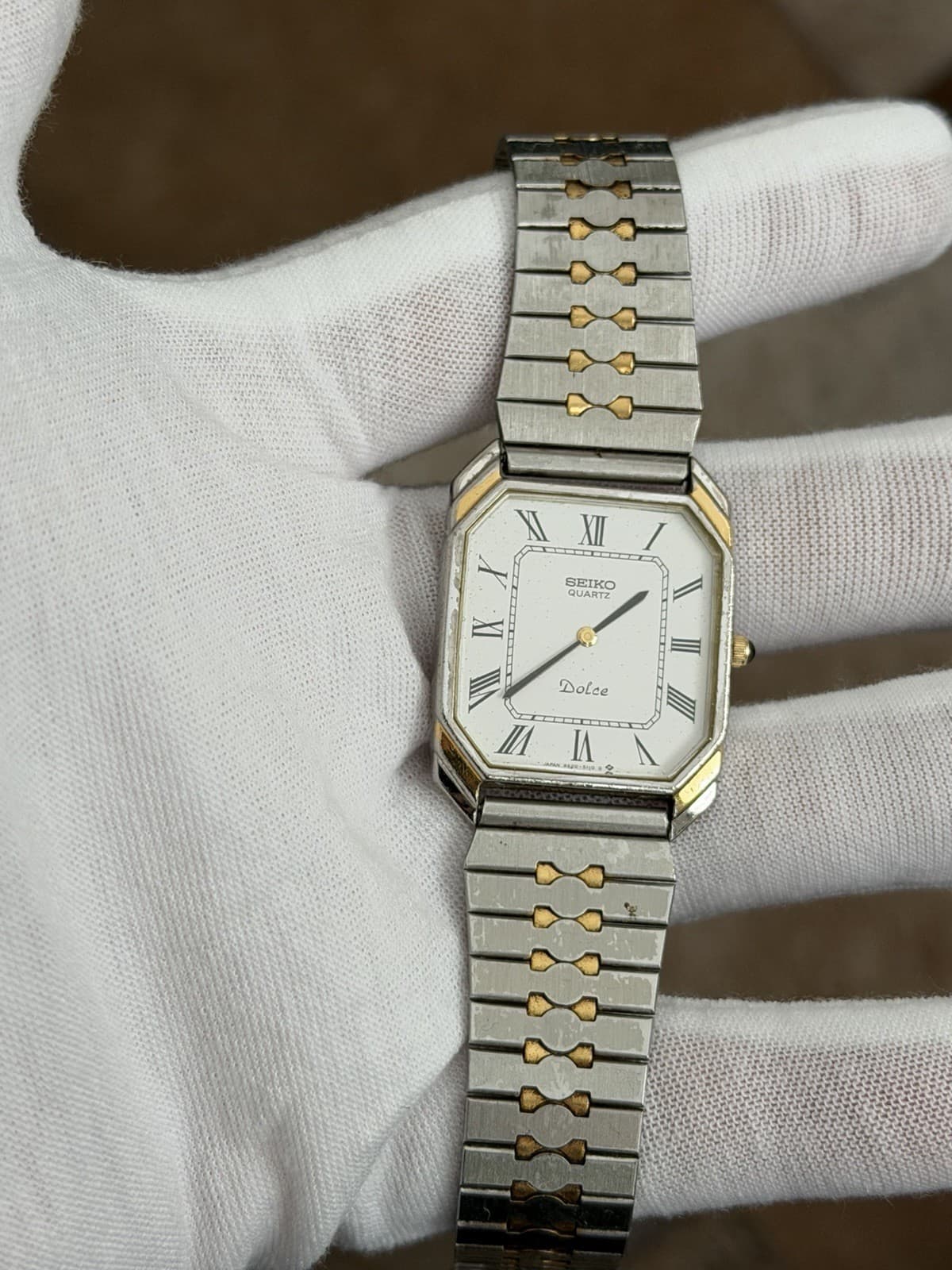
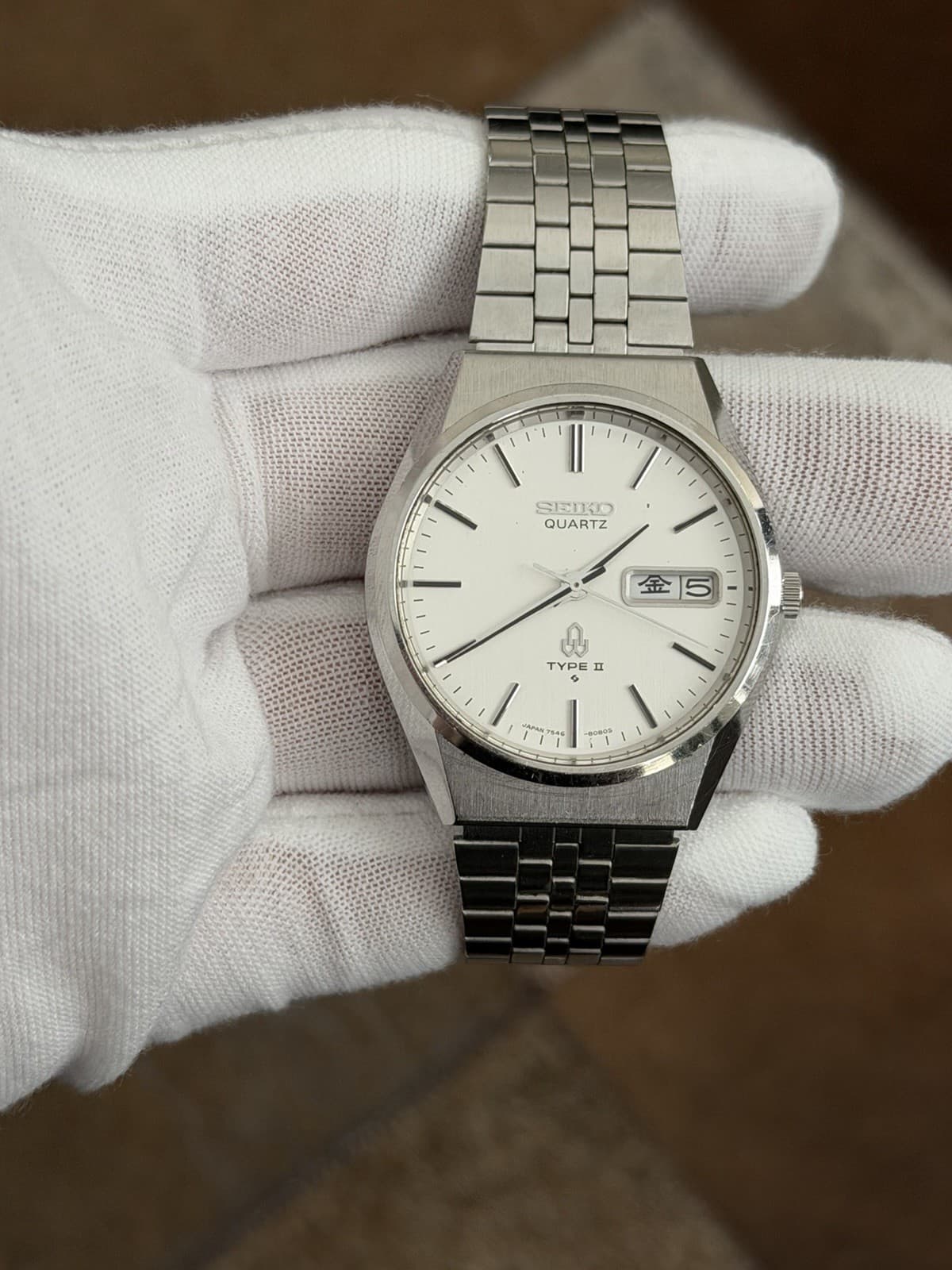
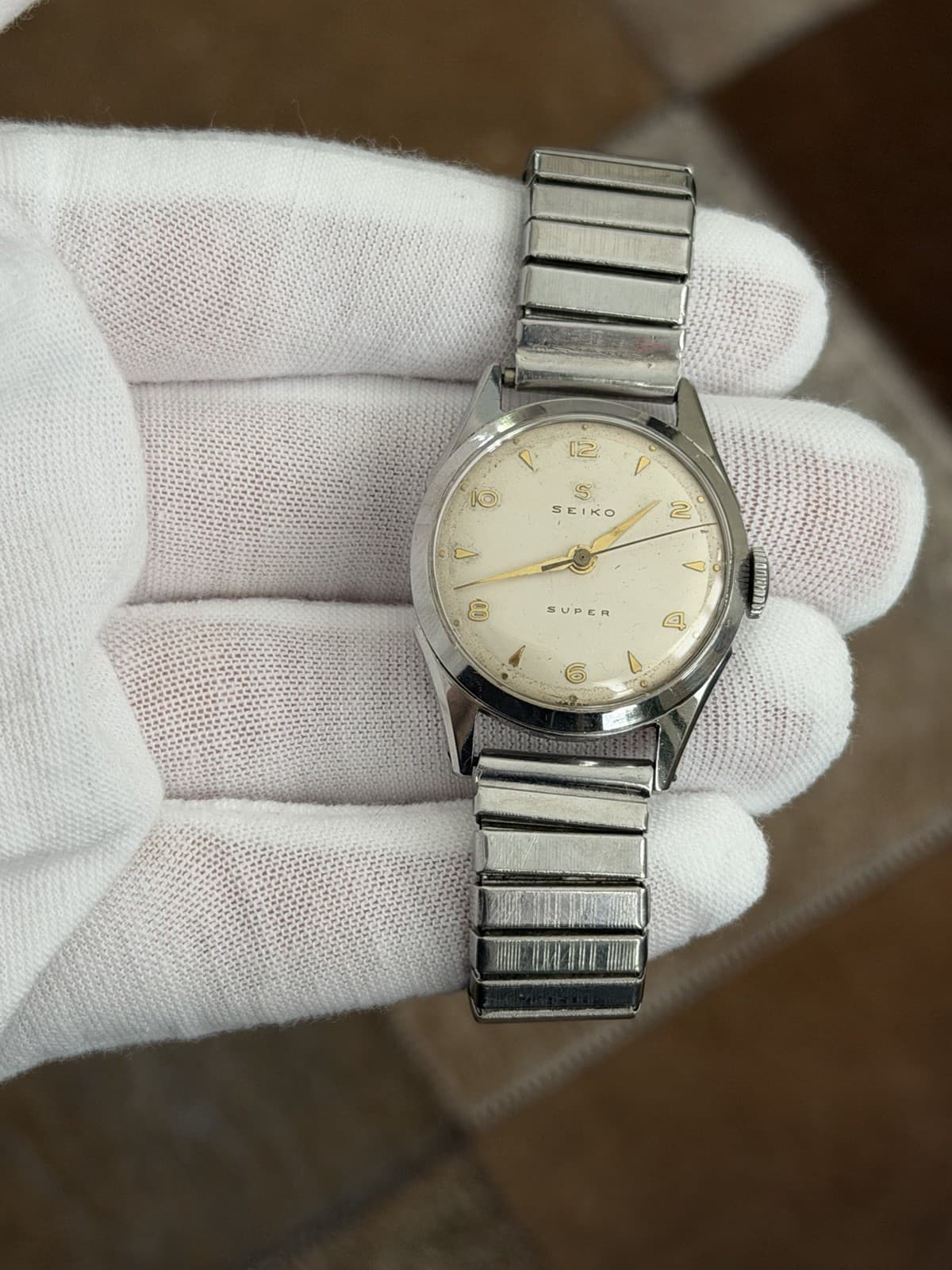
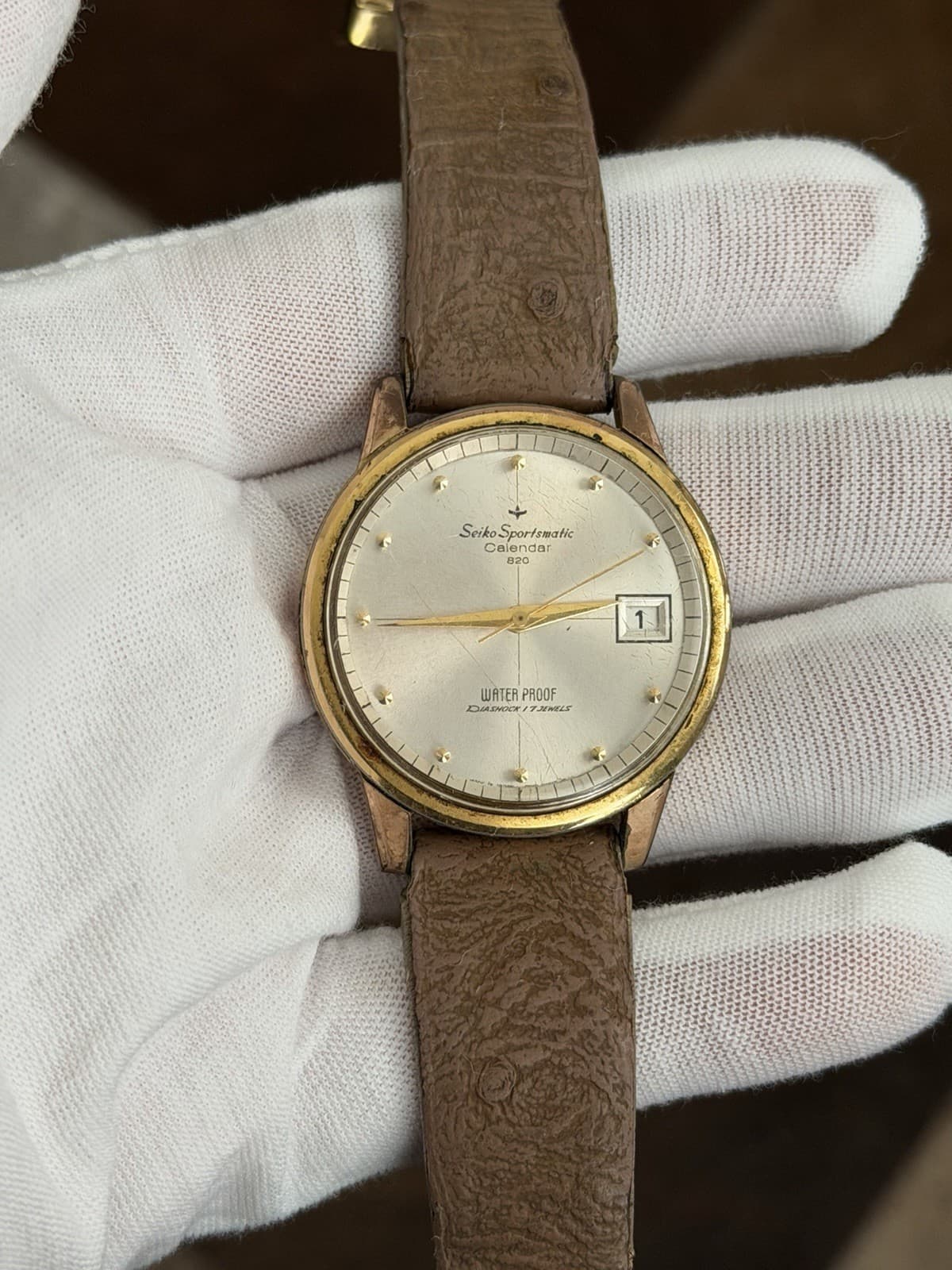
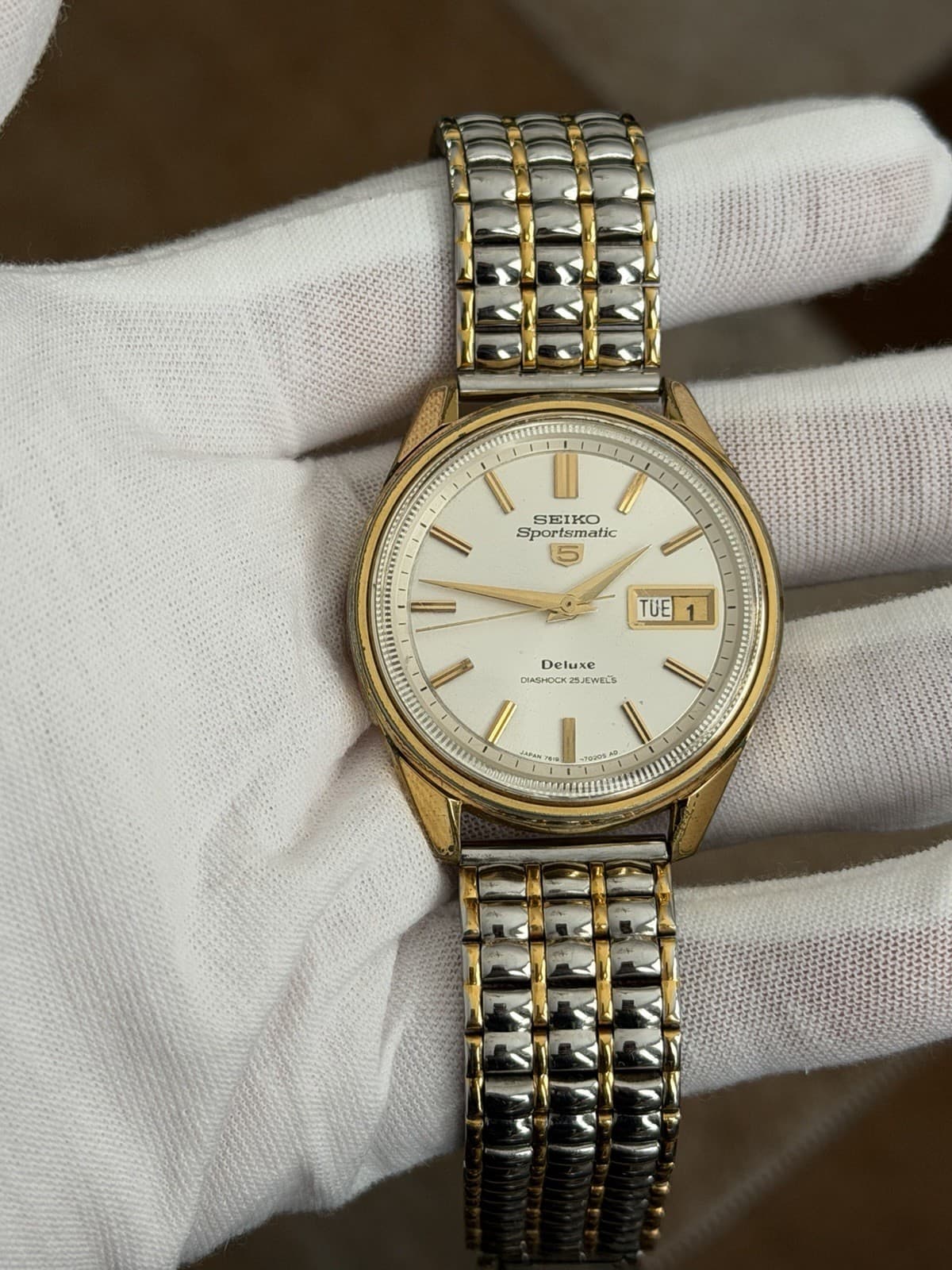
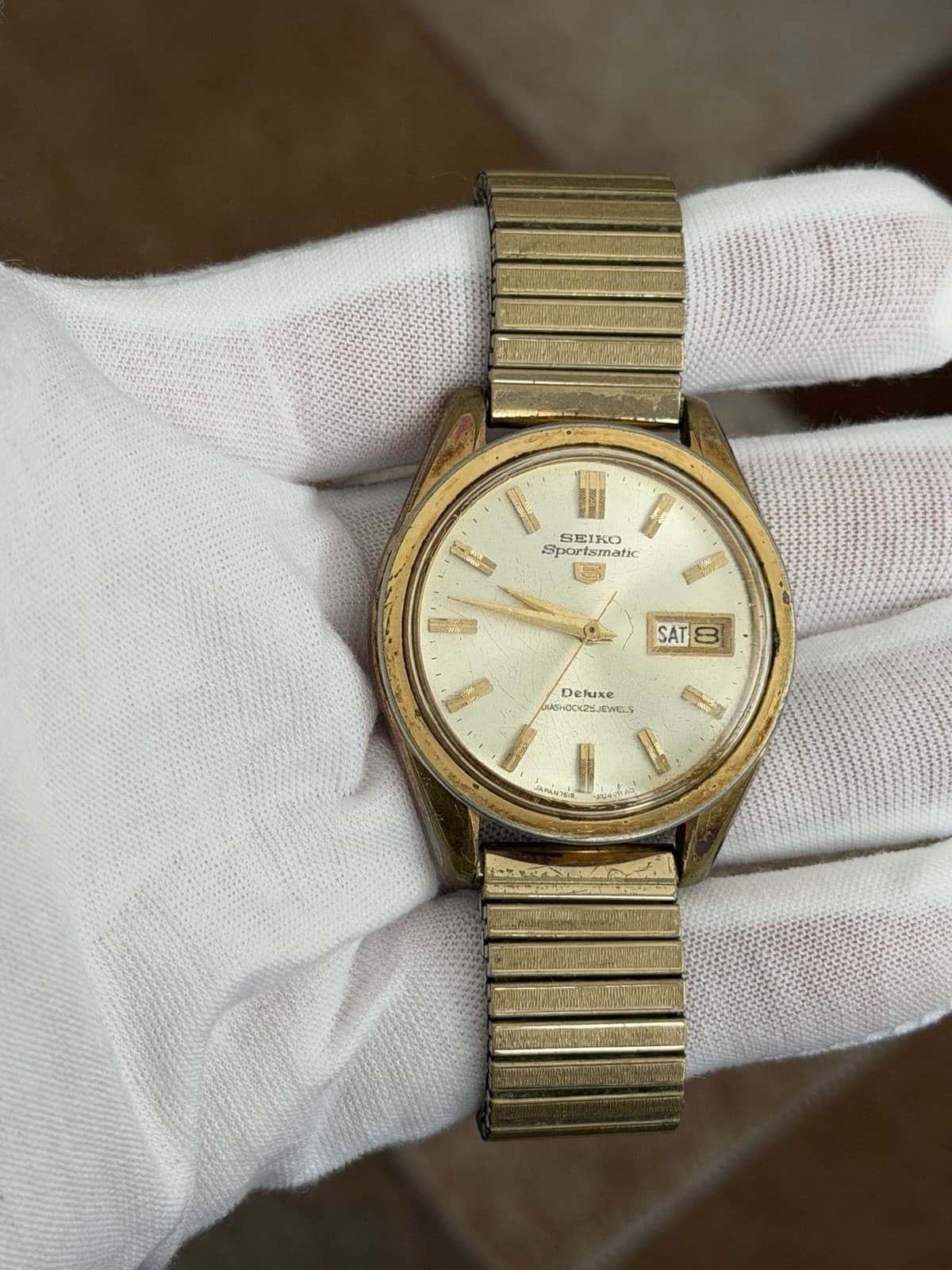
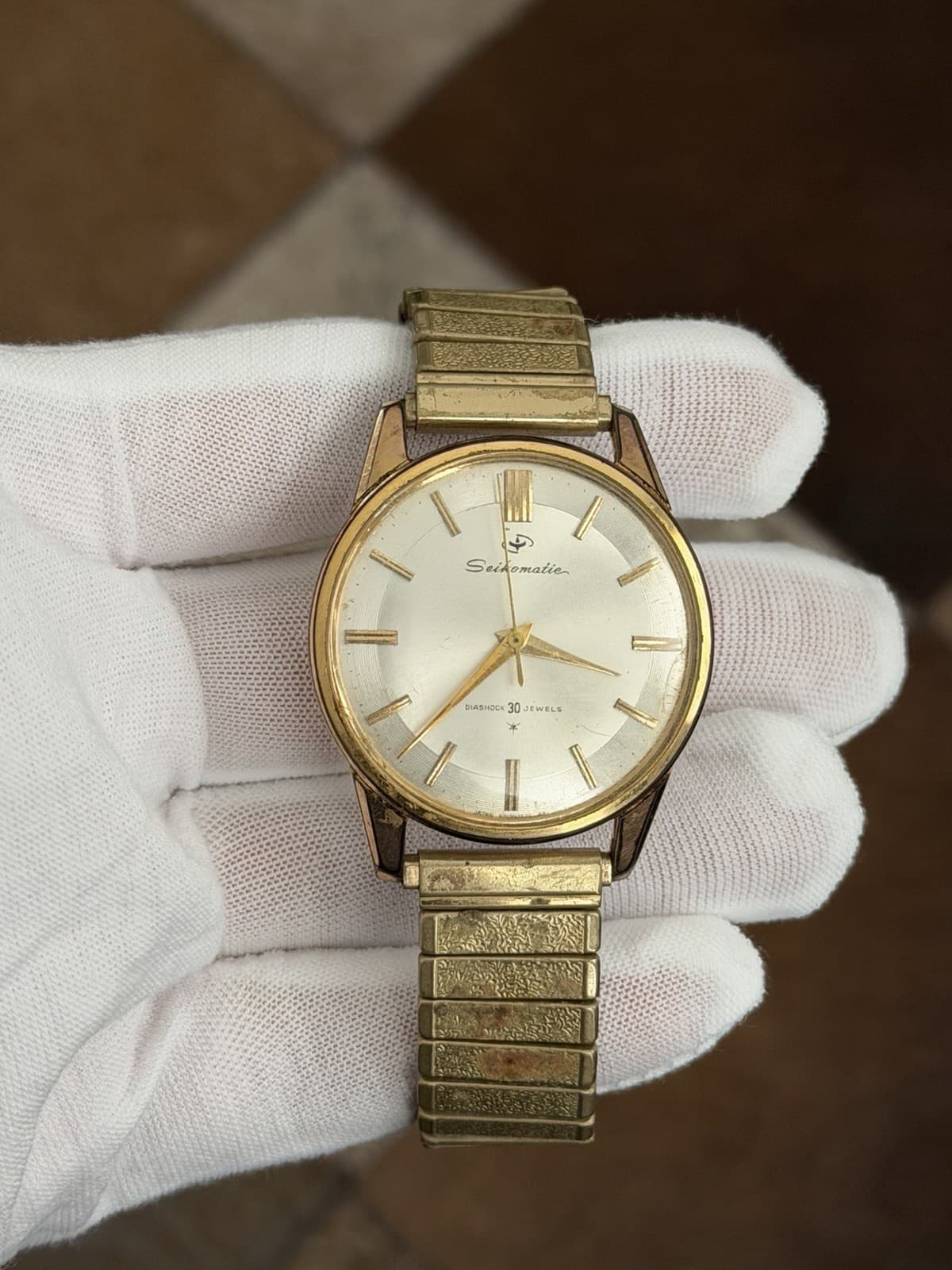
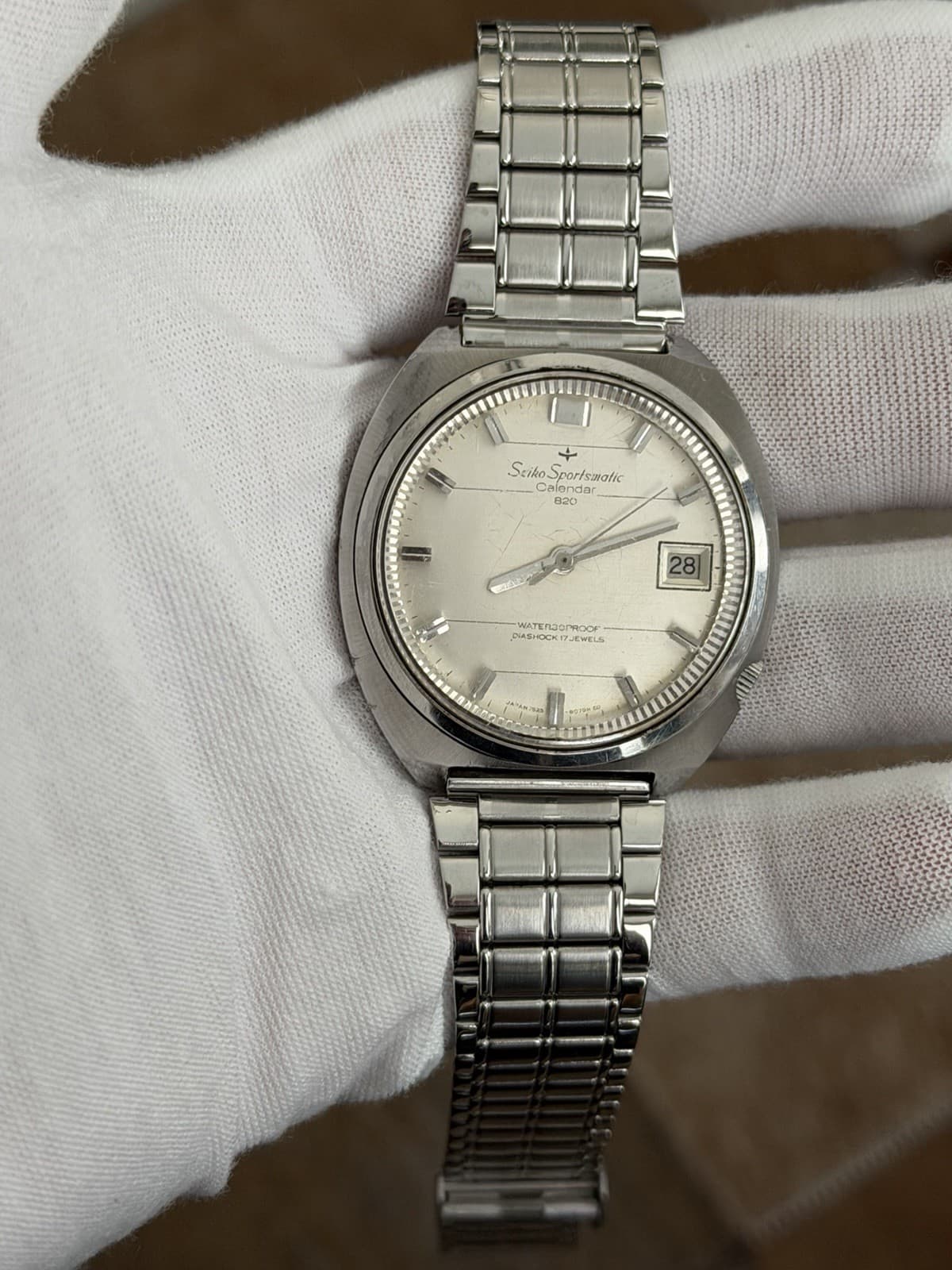
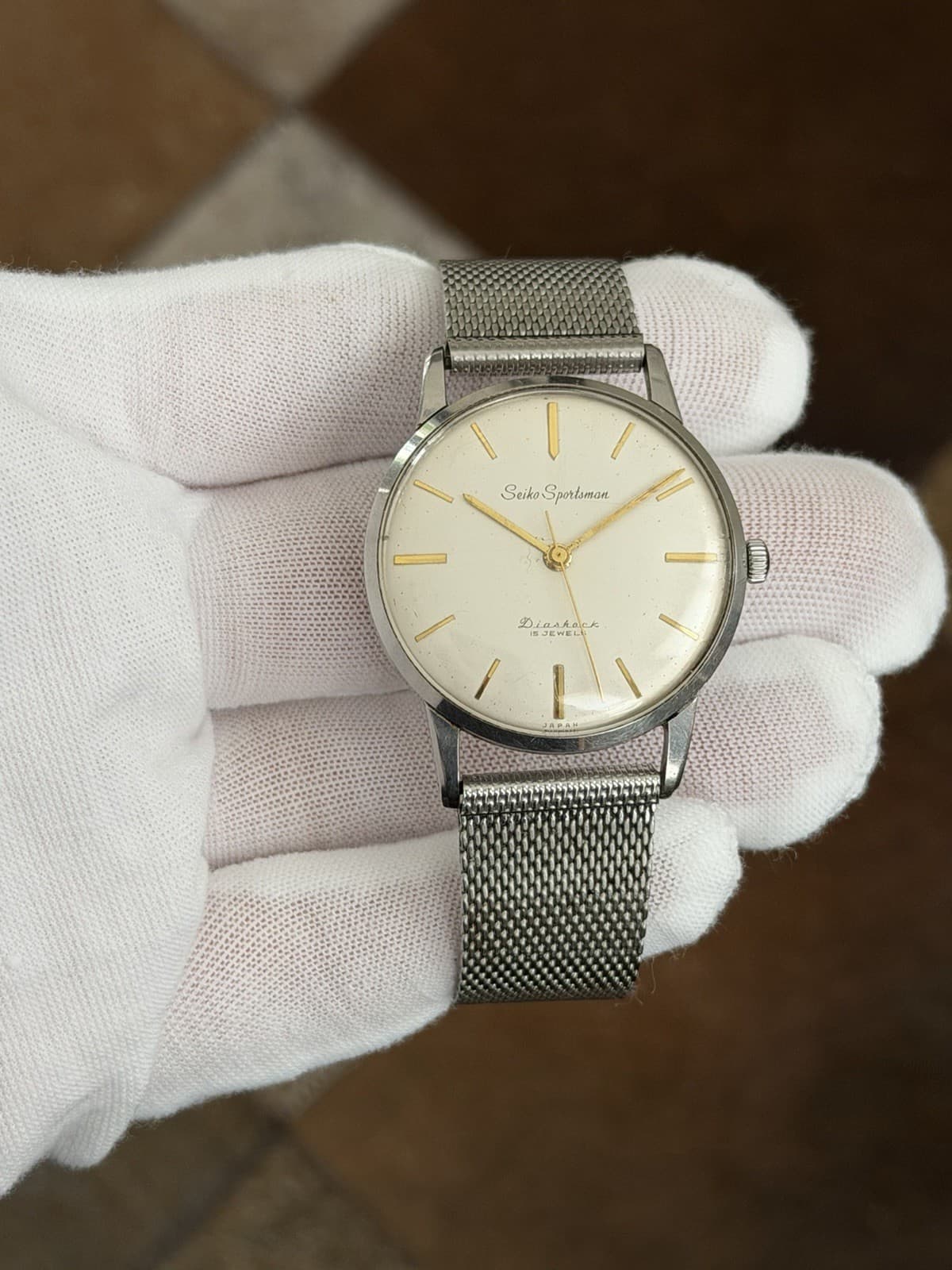
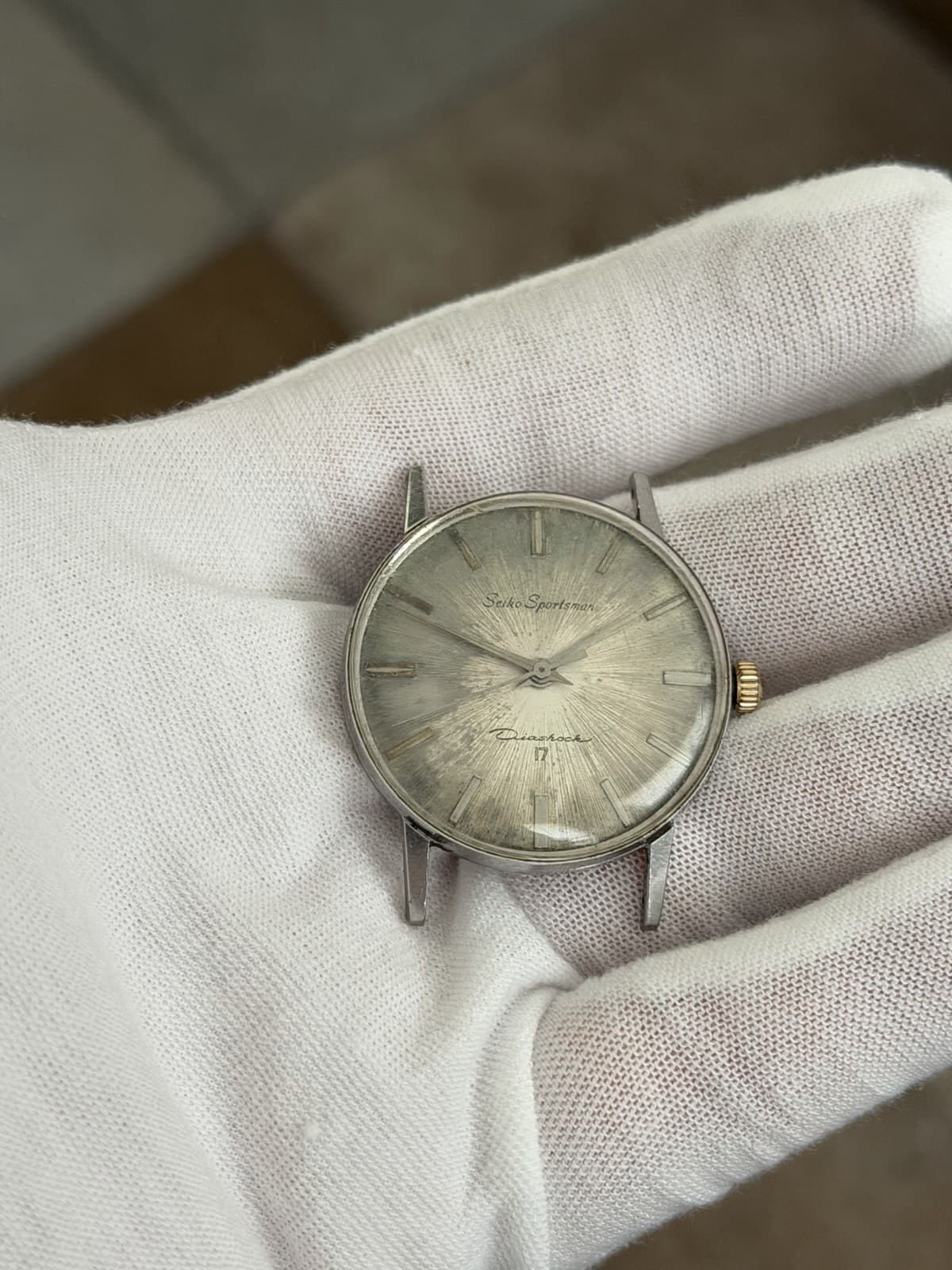
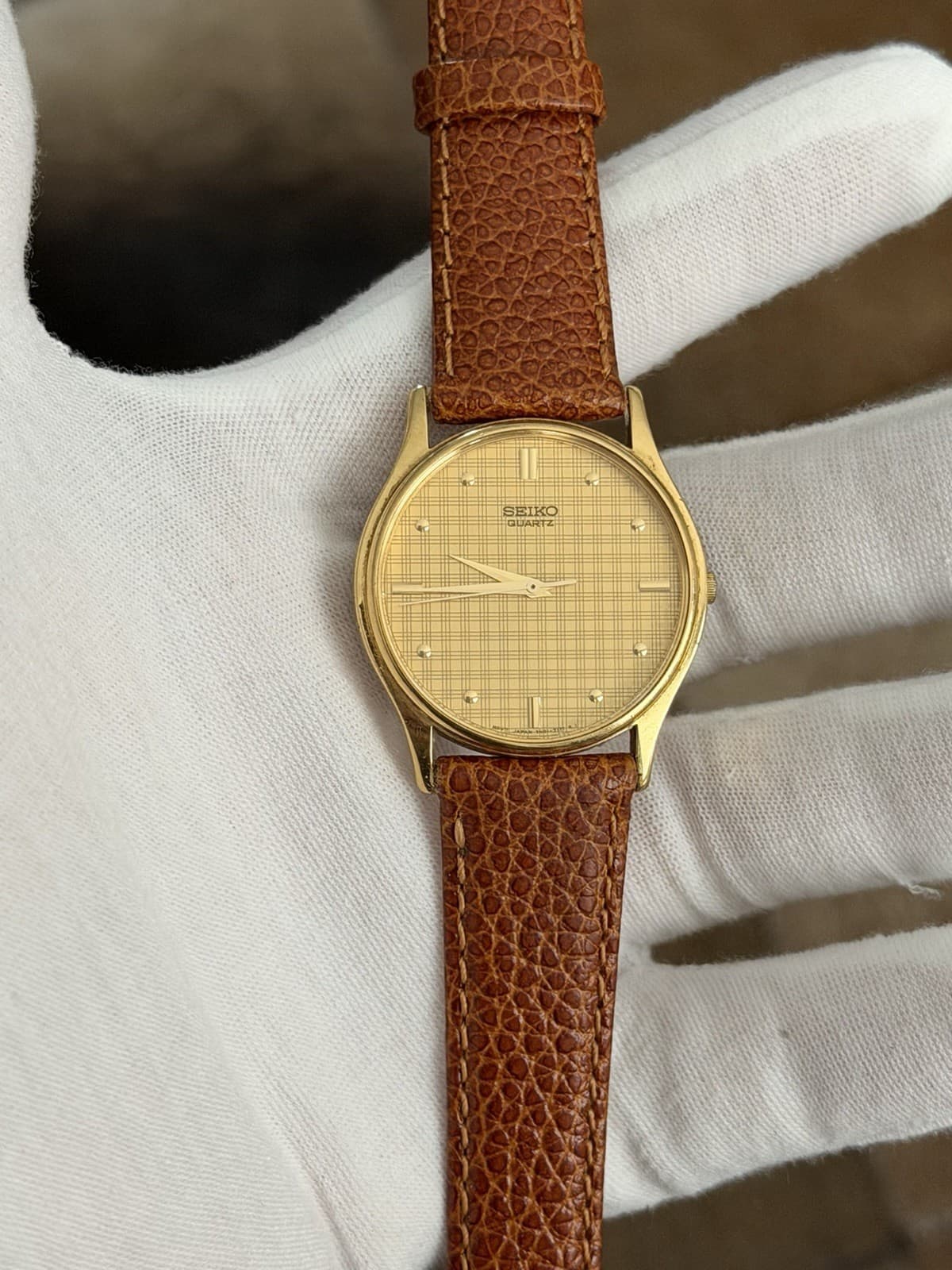
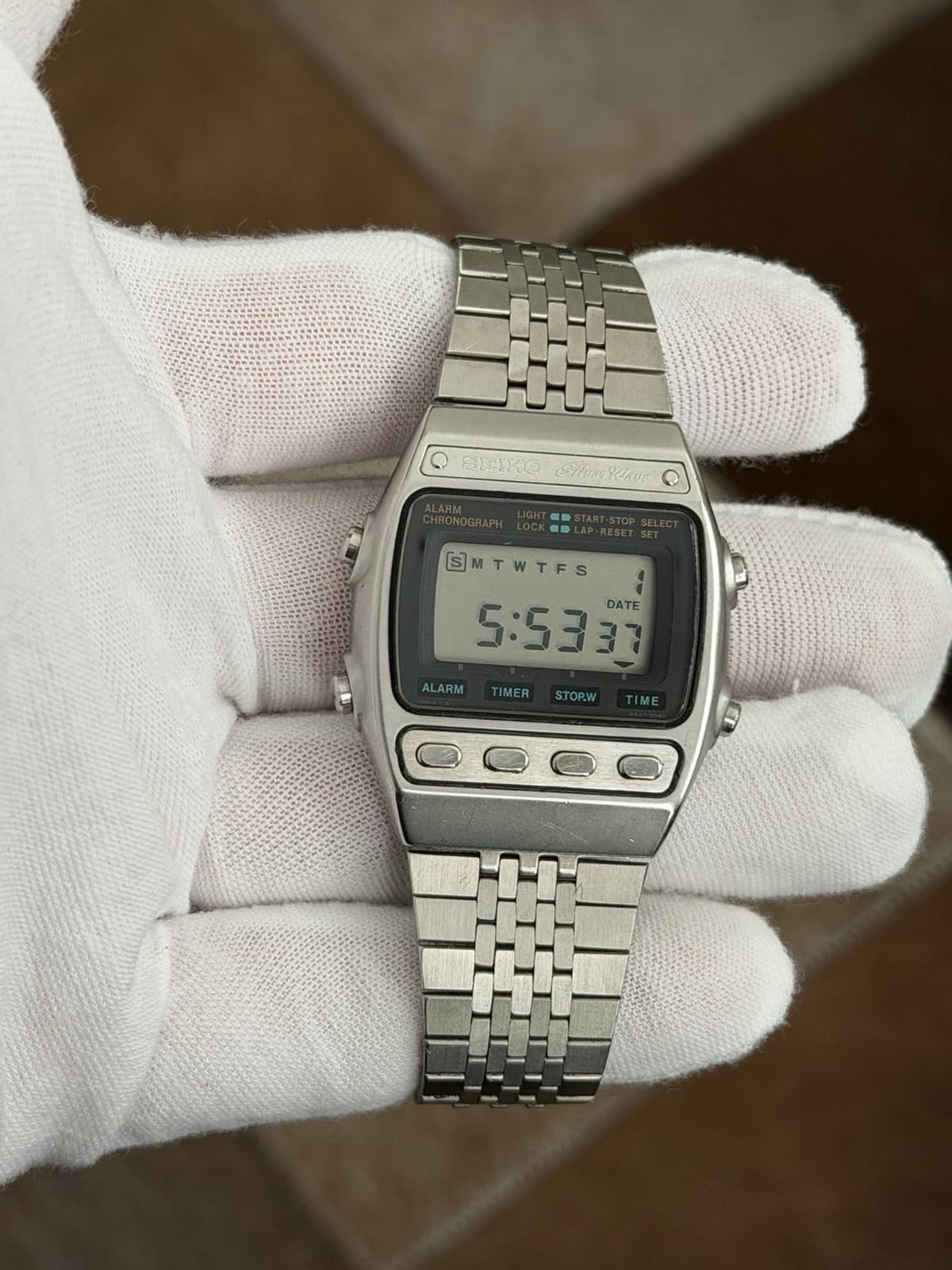
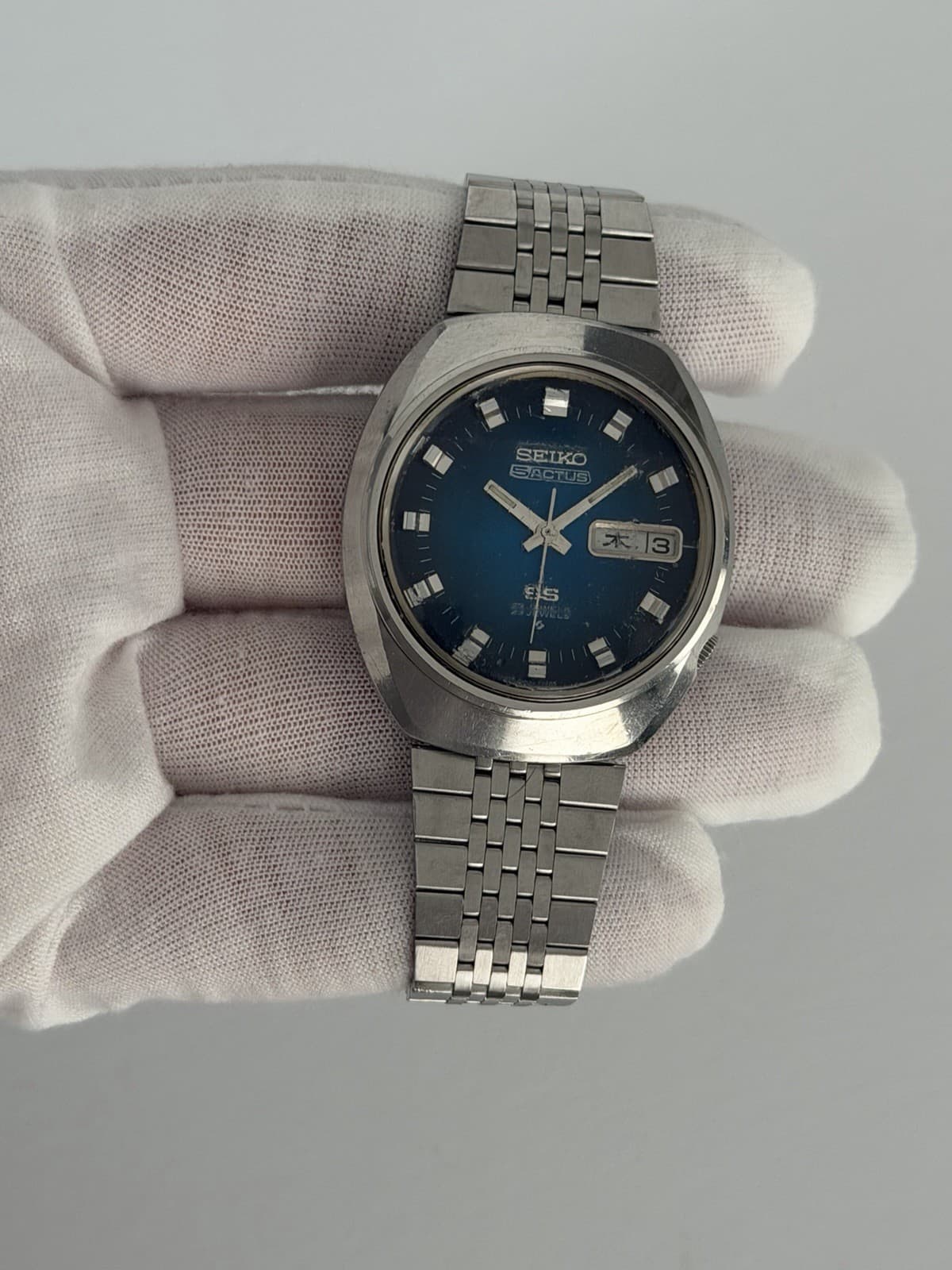
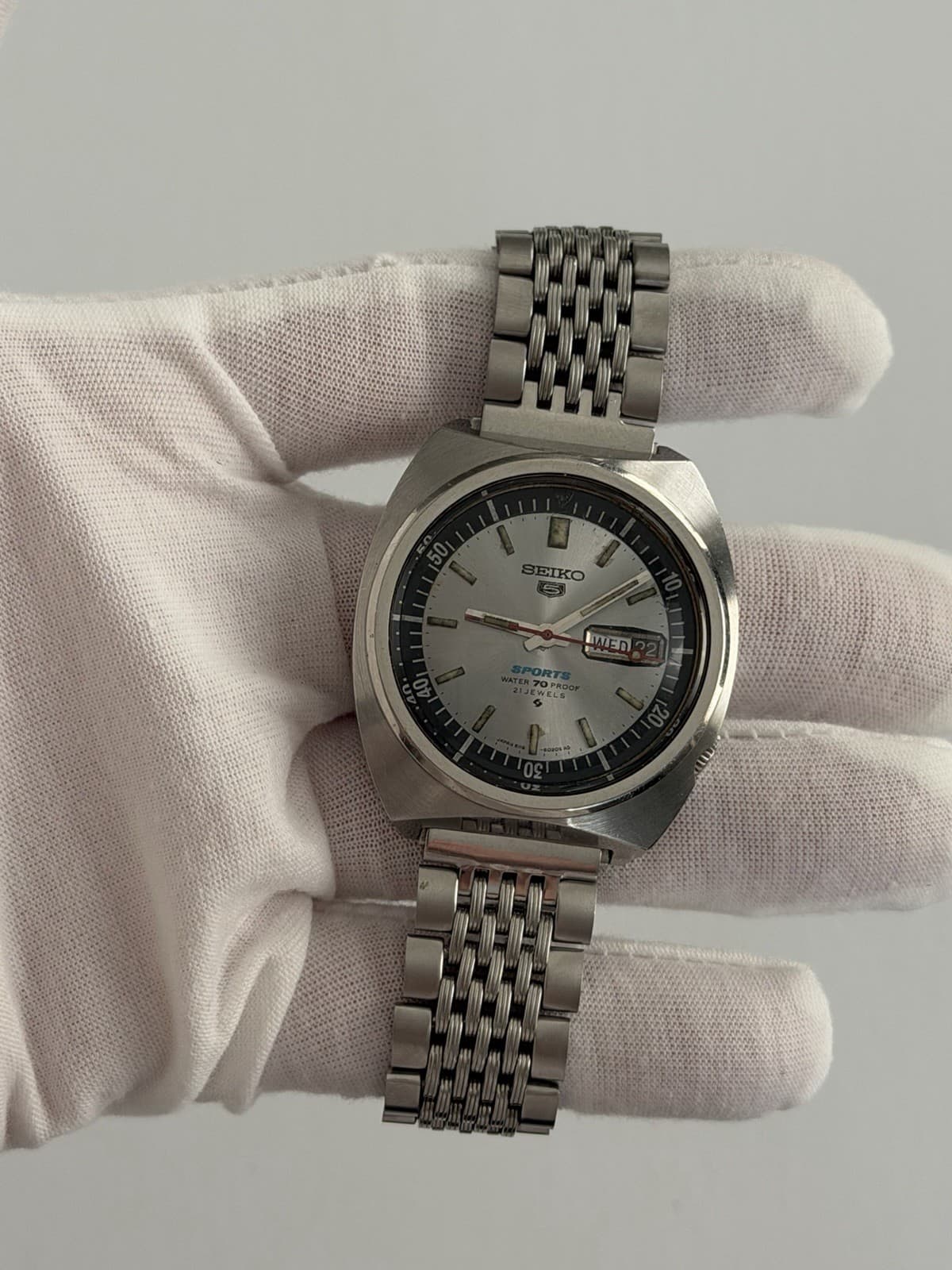
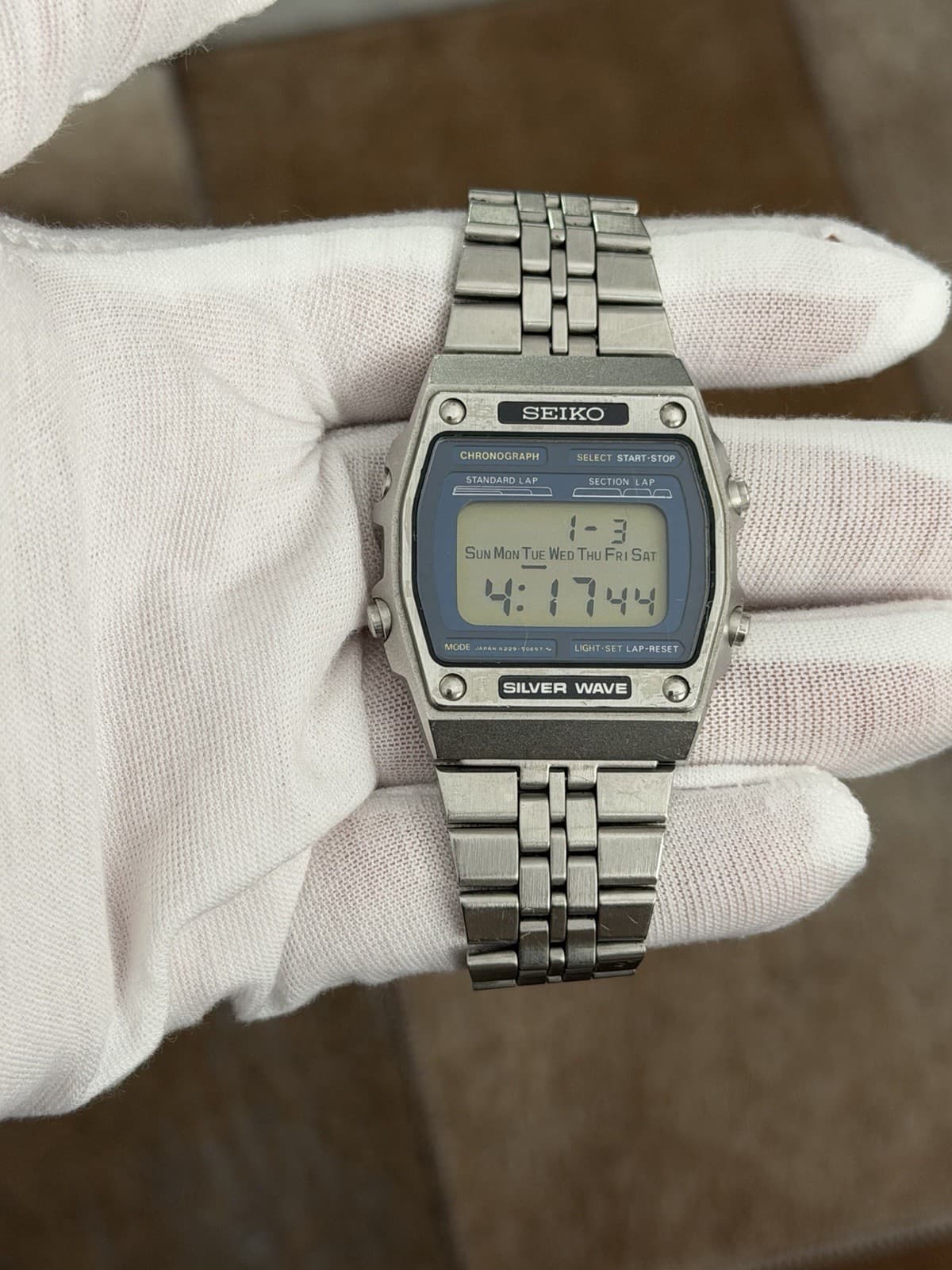
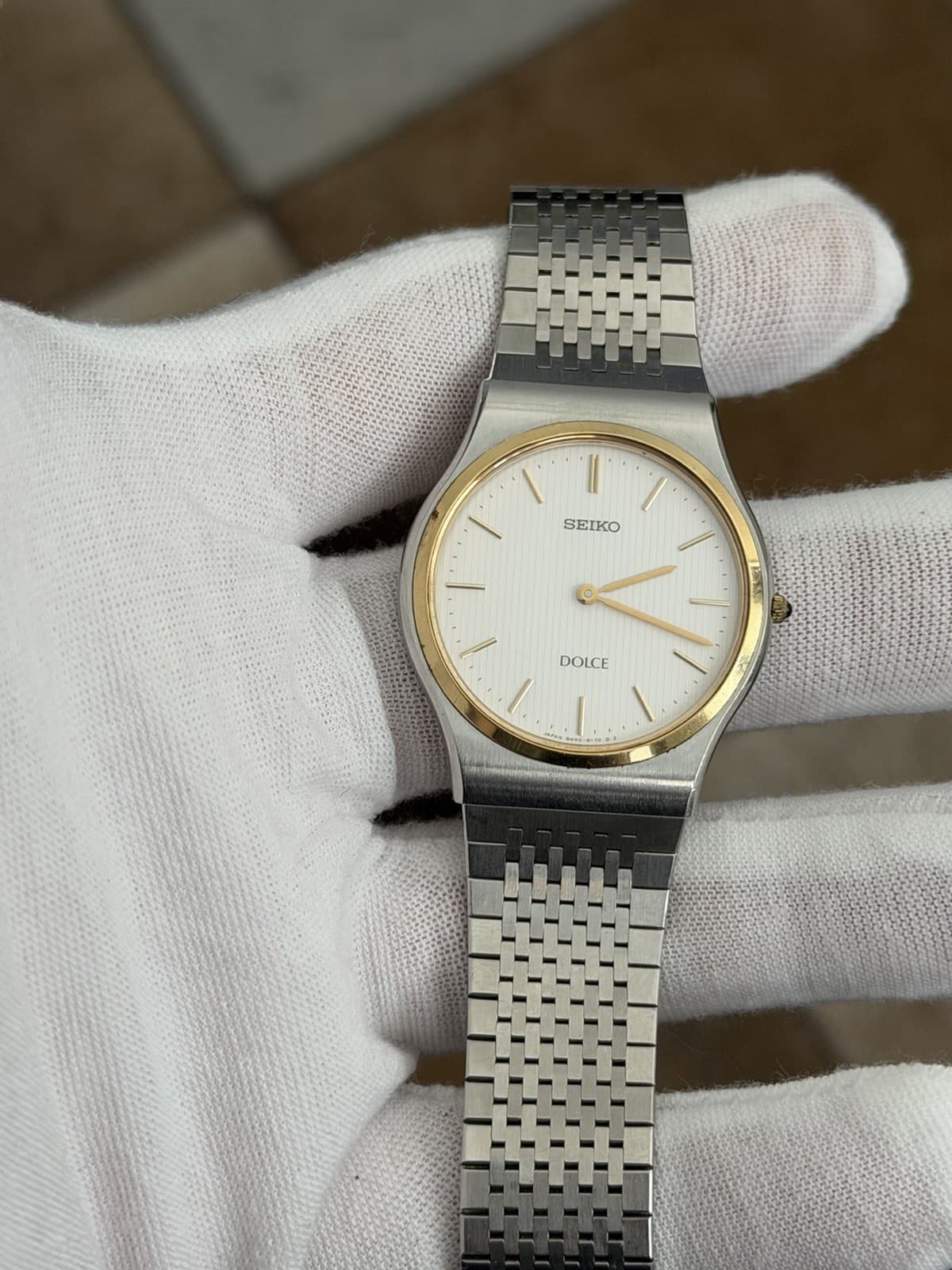
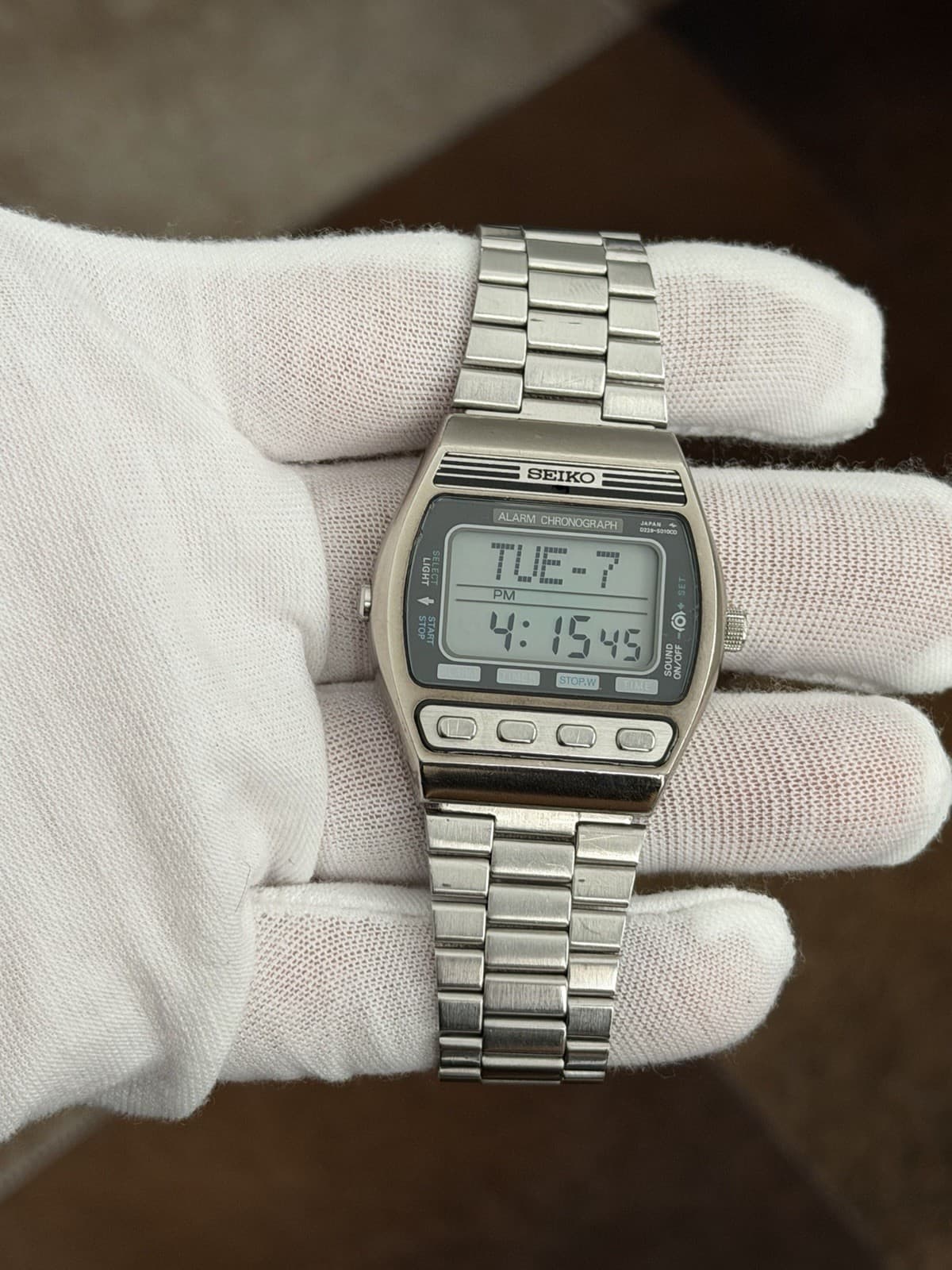
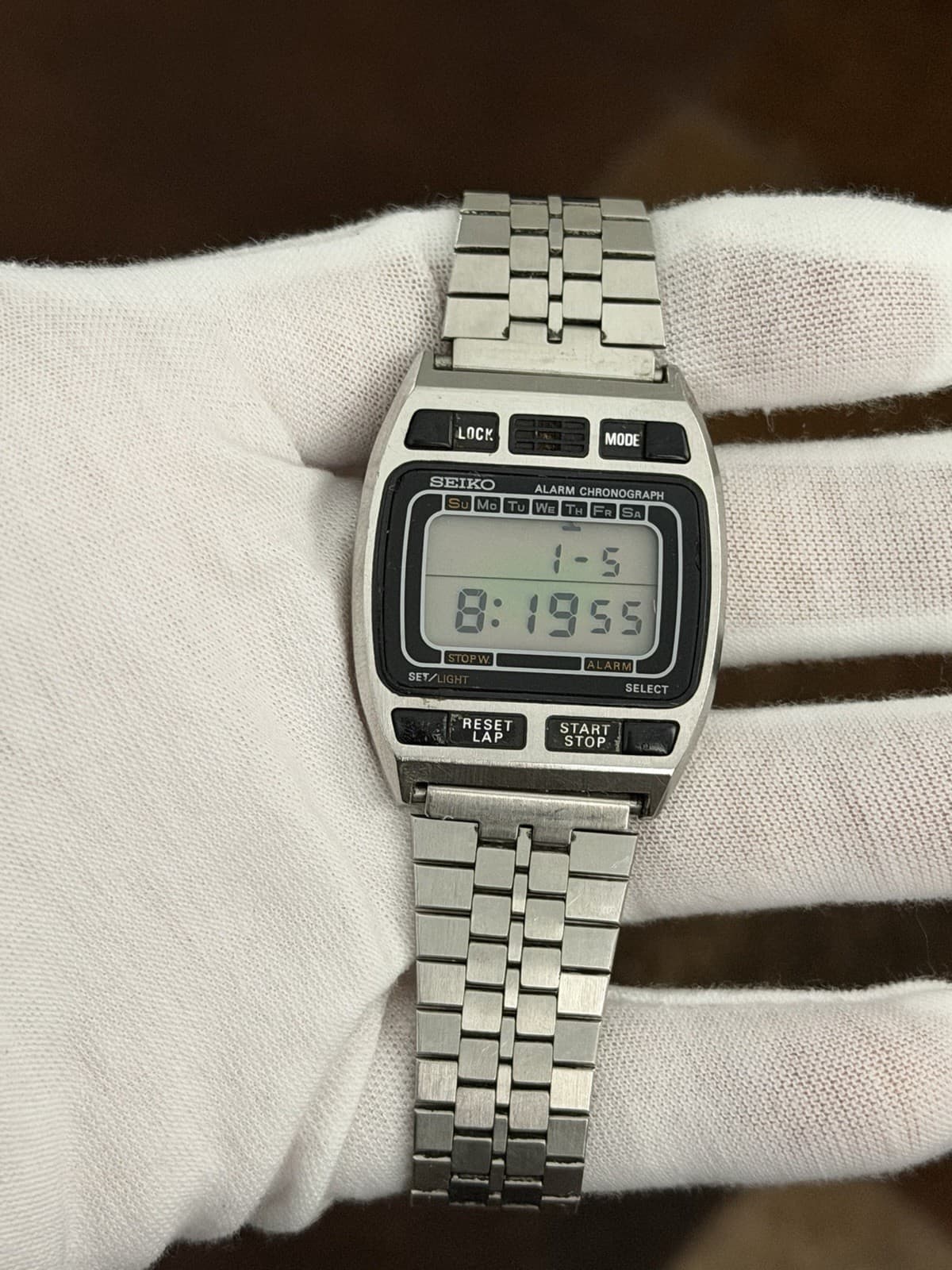
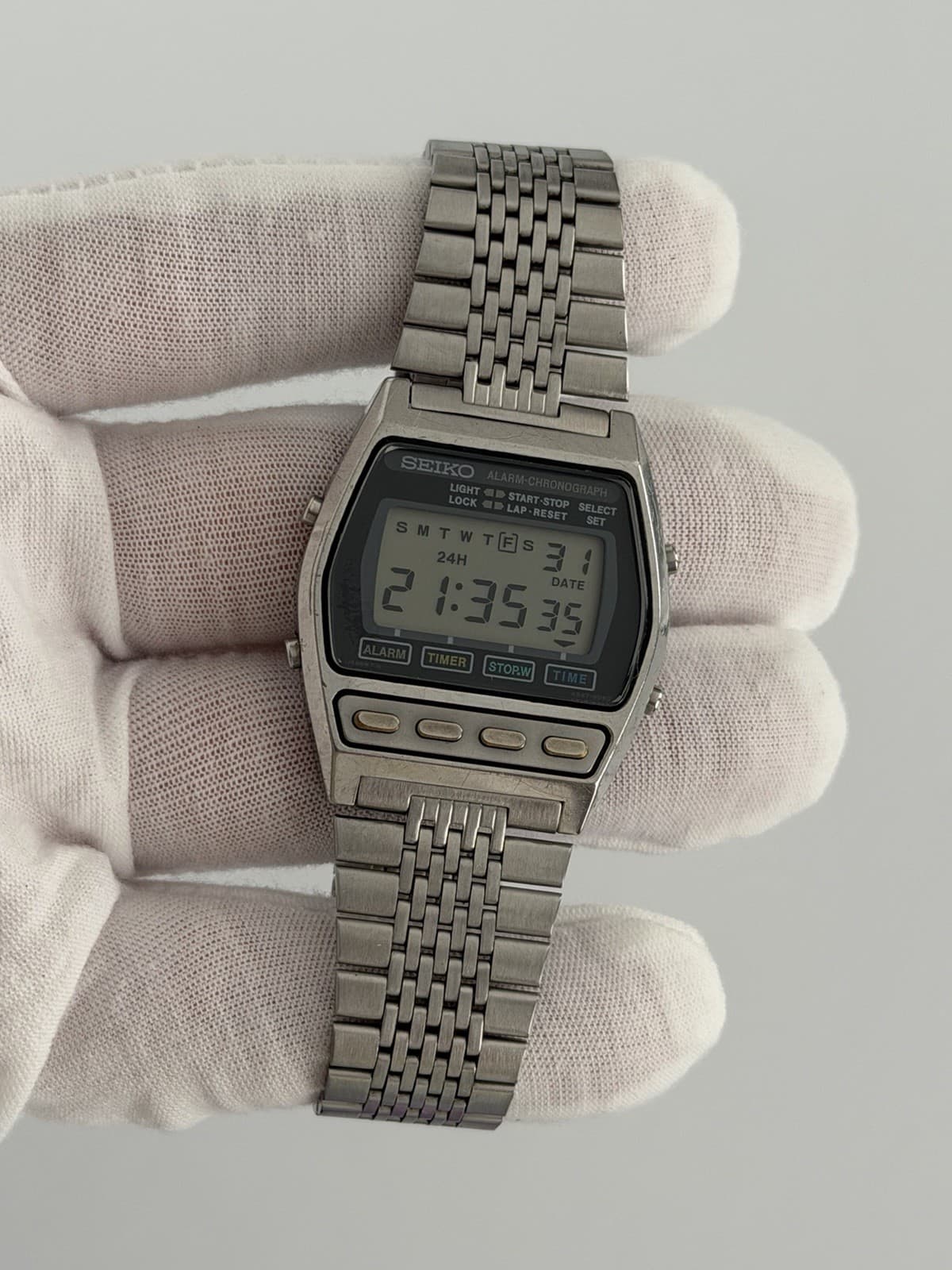
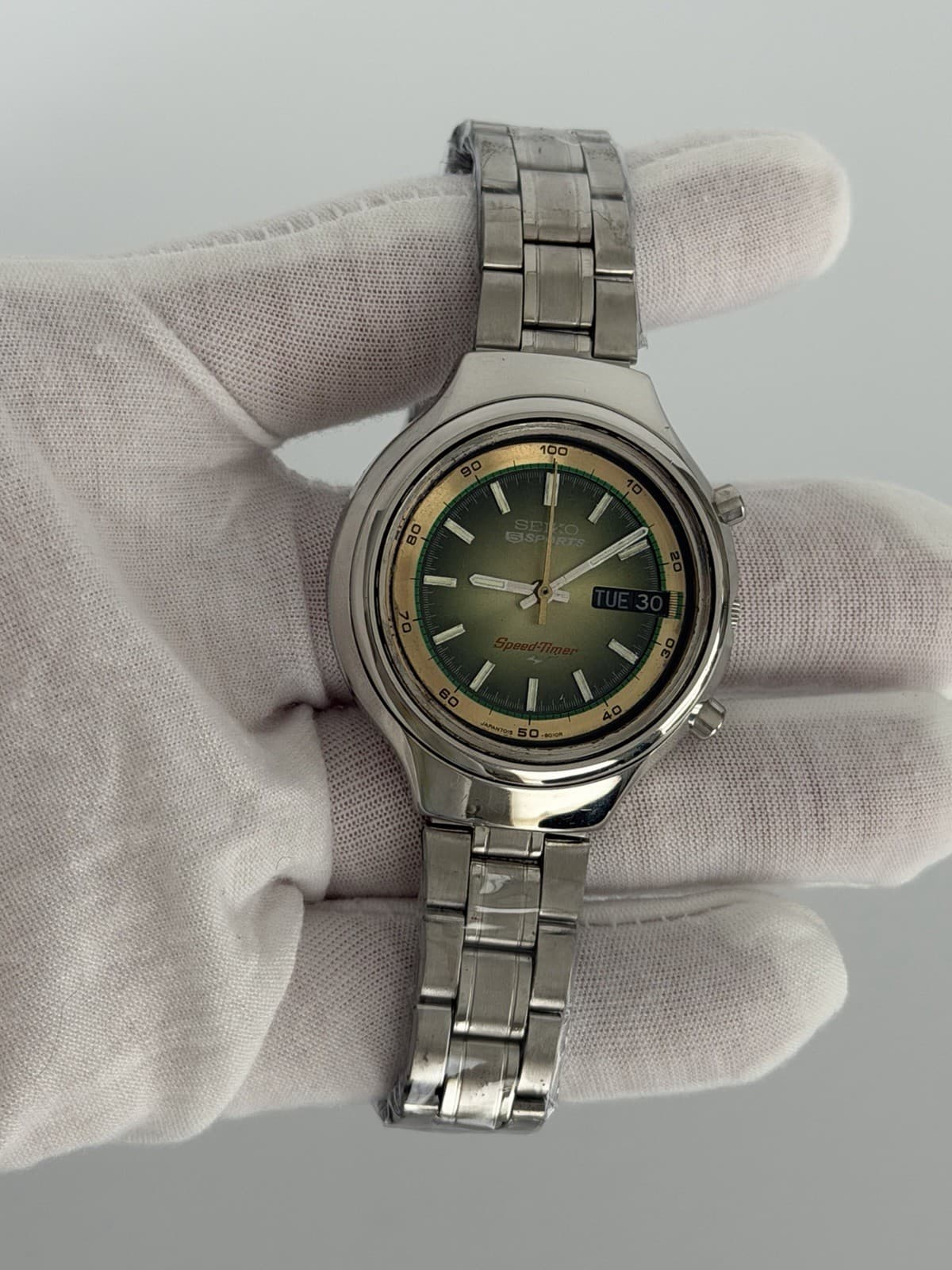
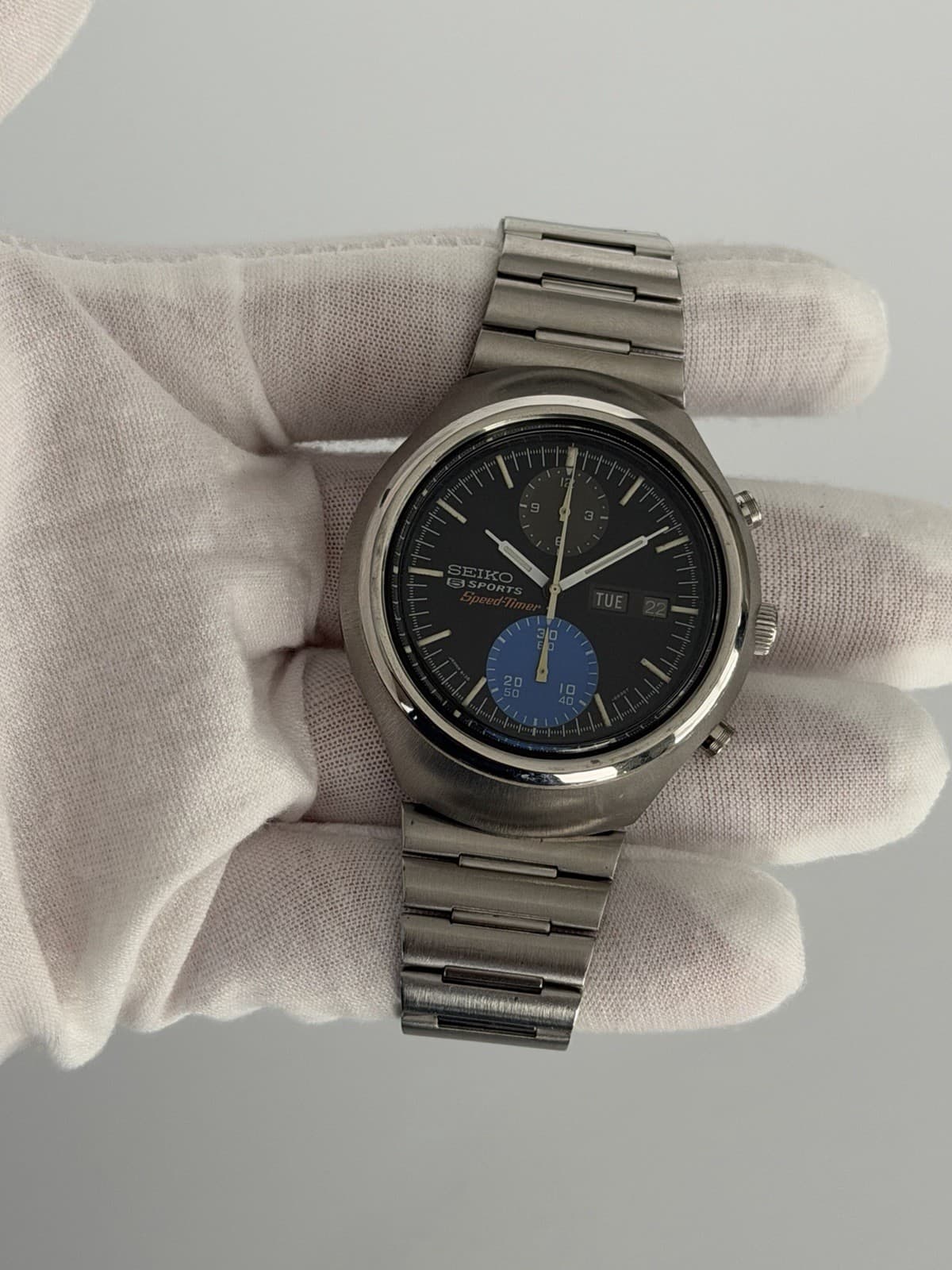
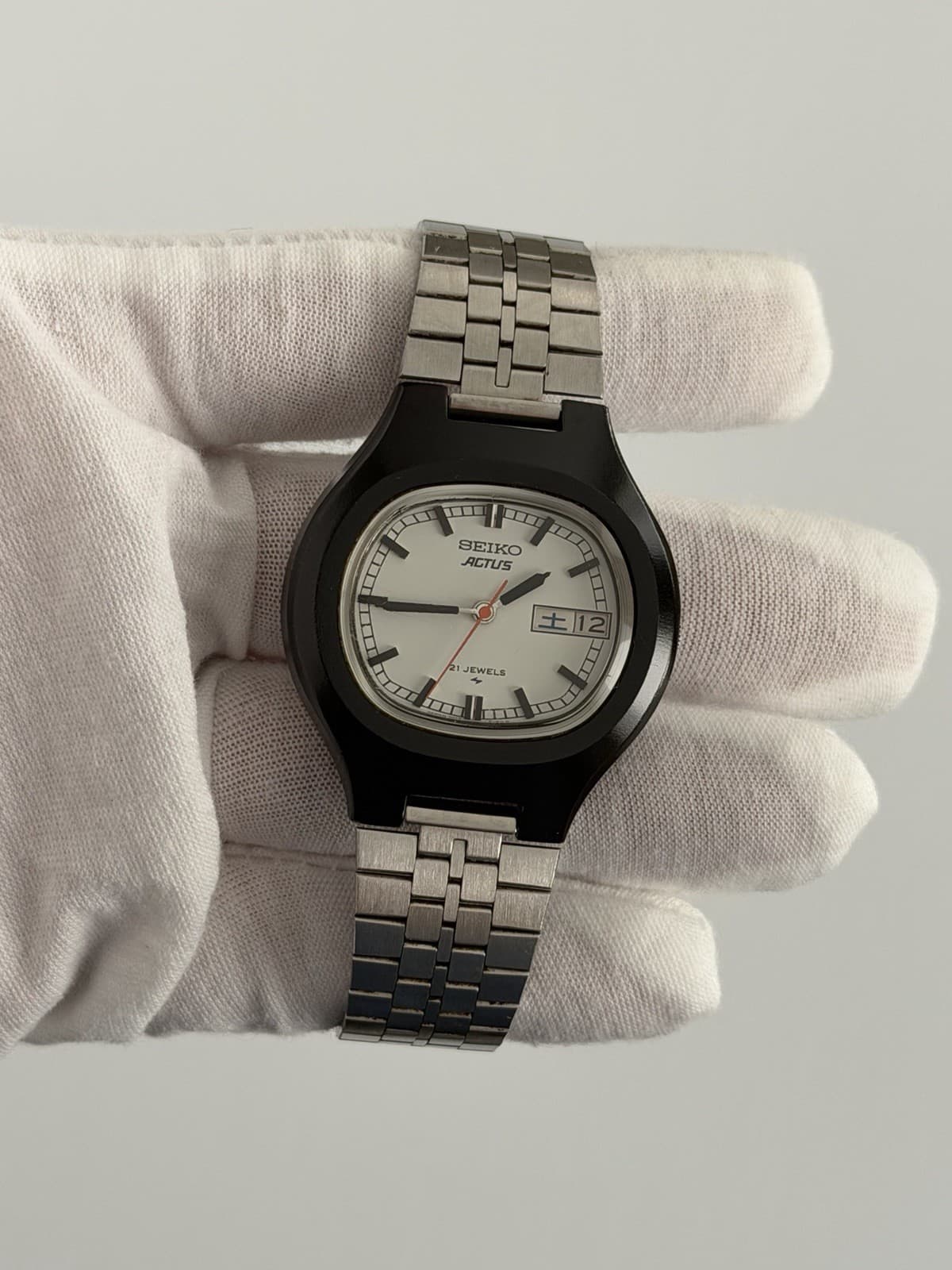
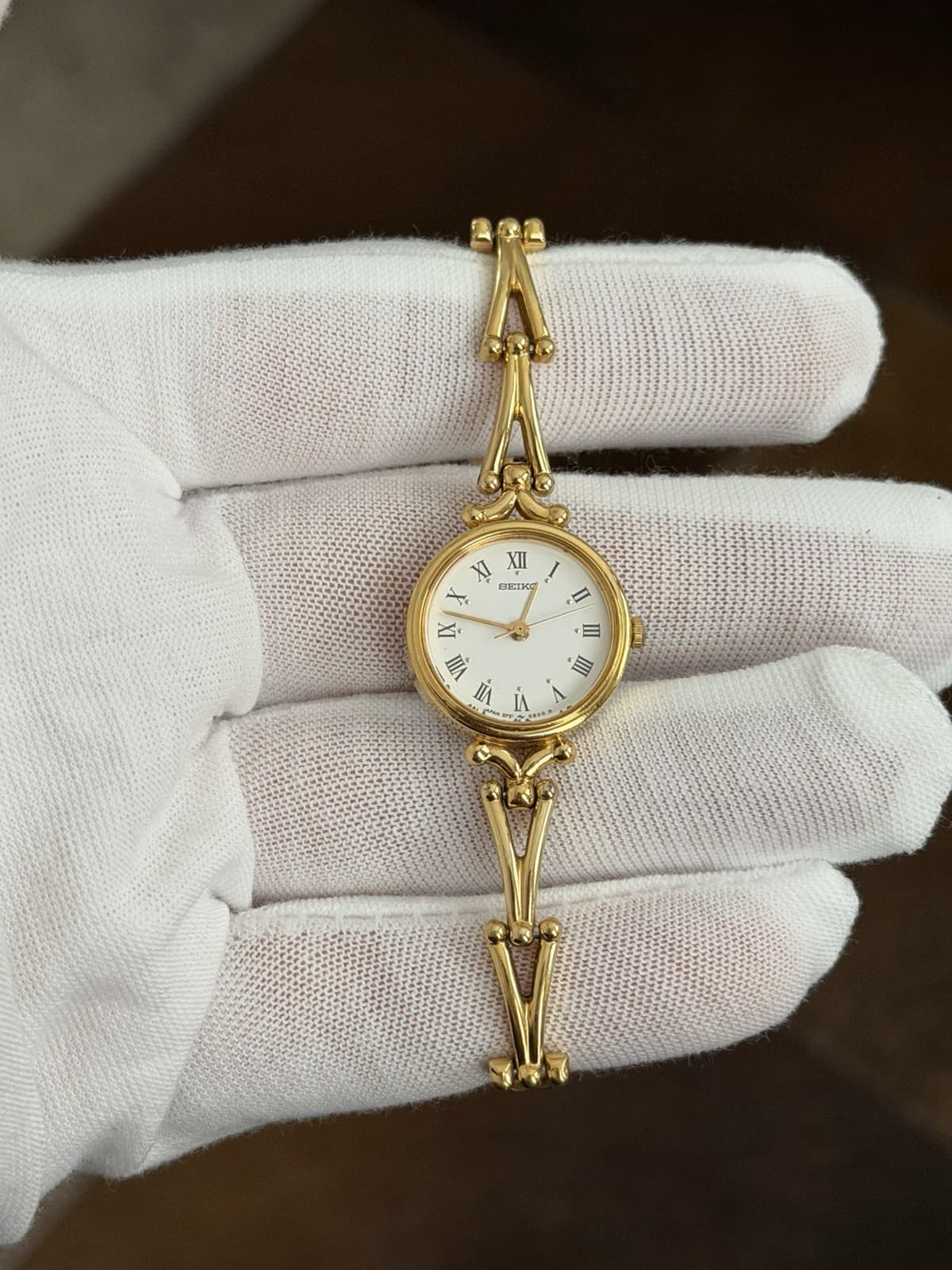
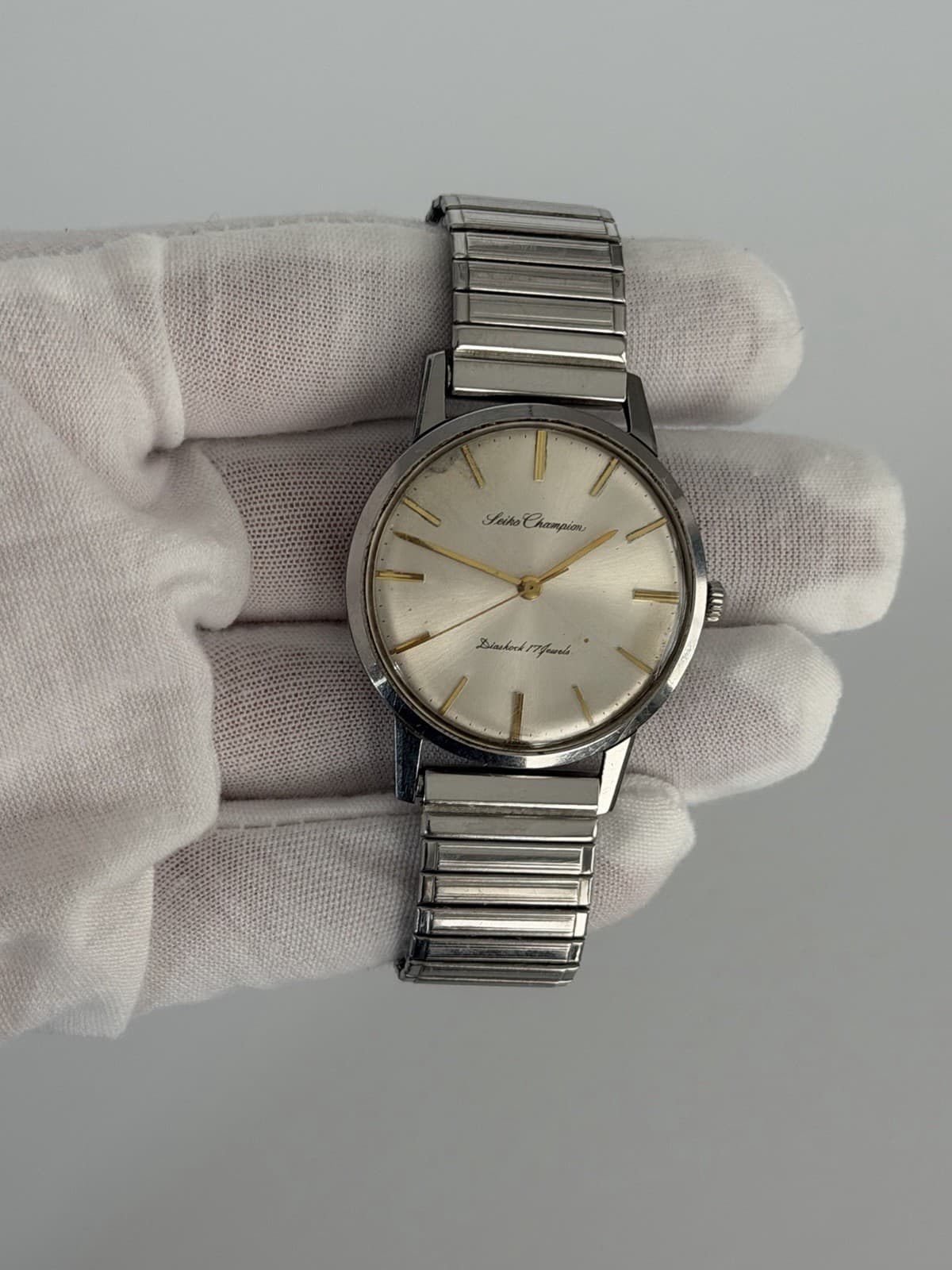
Compare Seiko watches by model
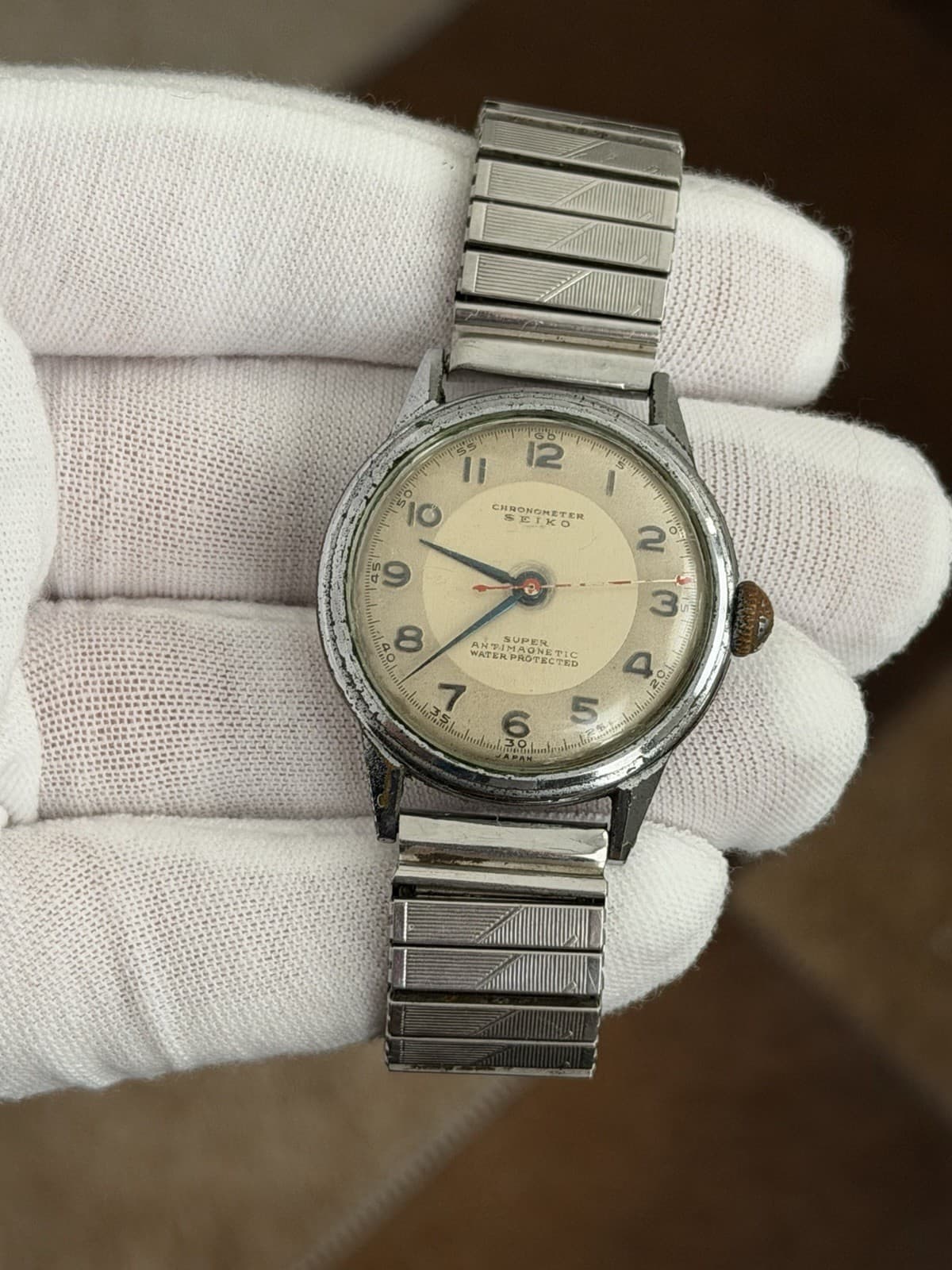
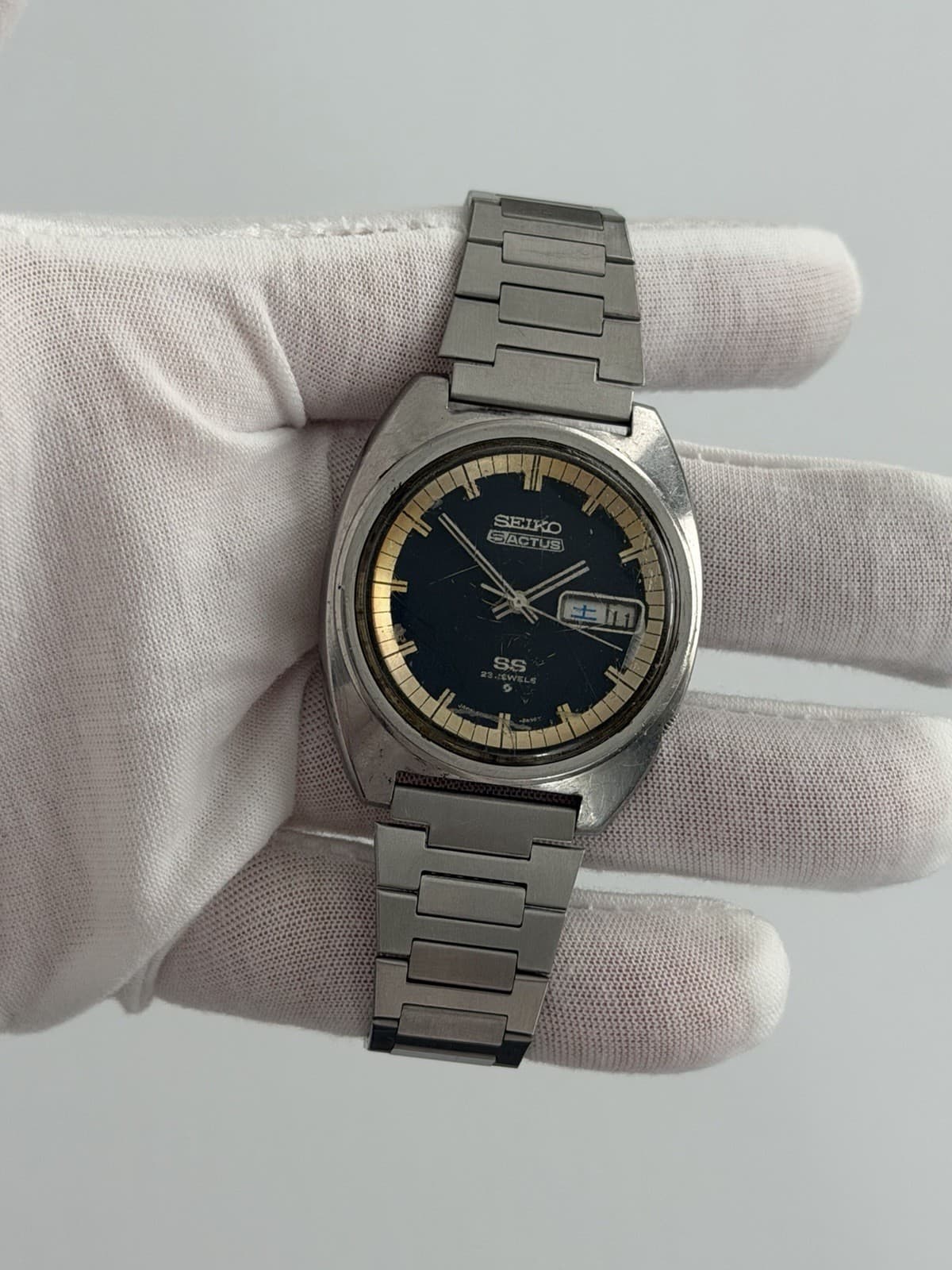
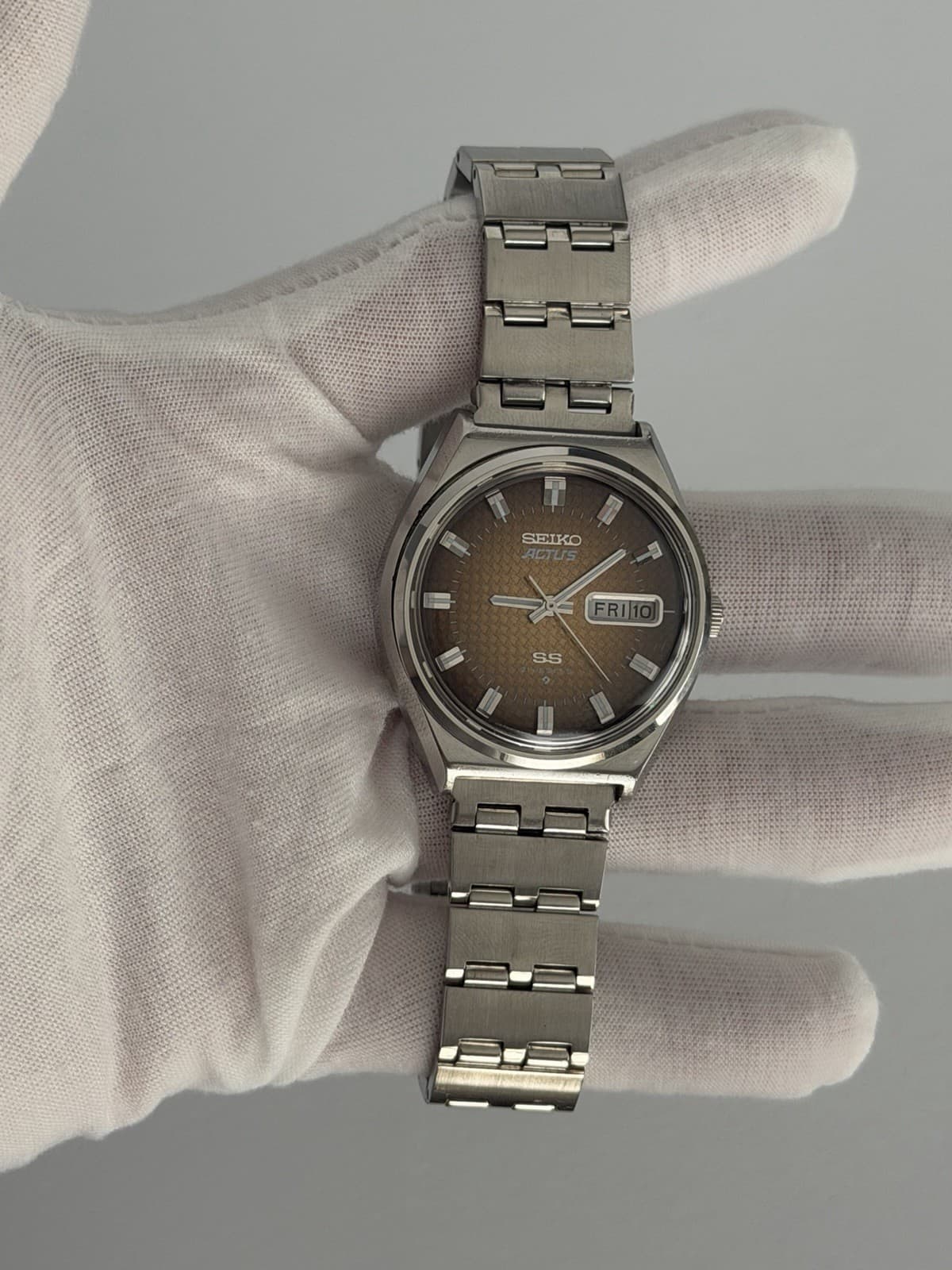
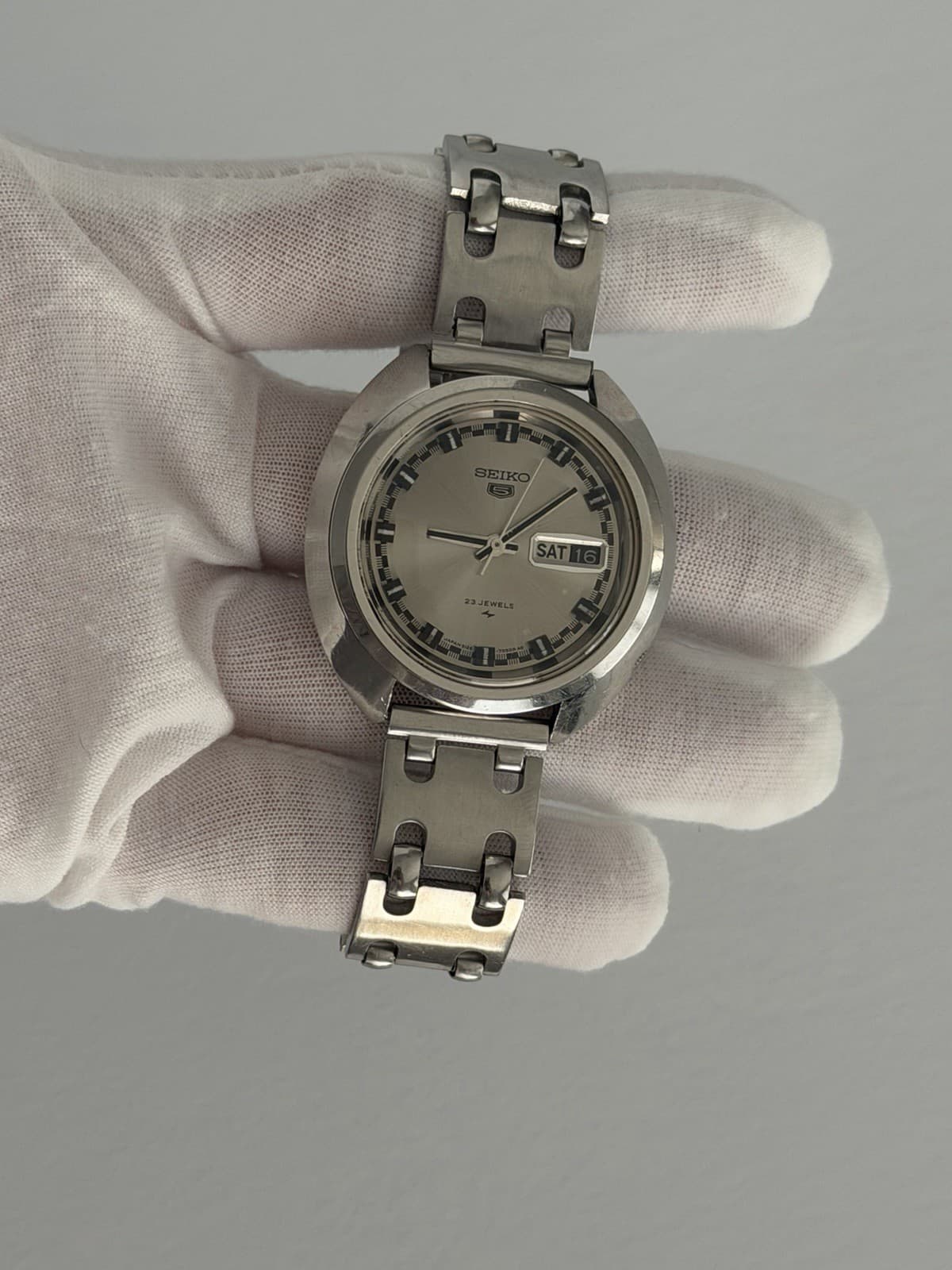
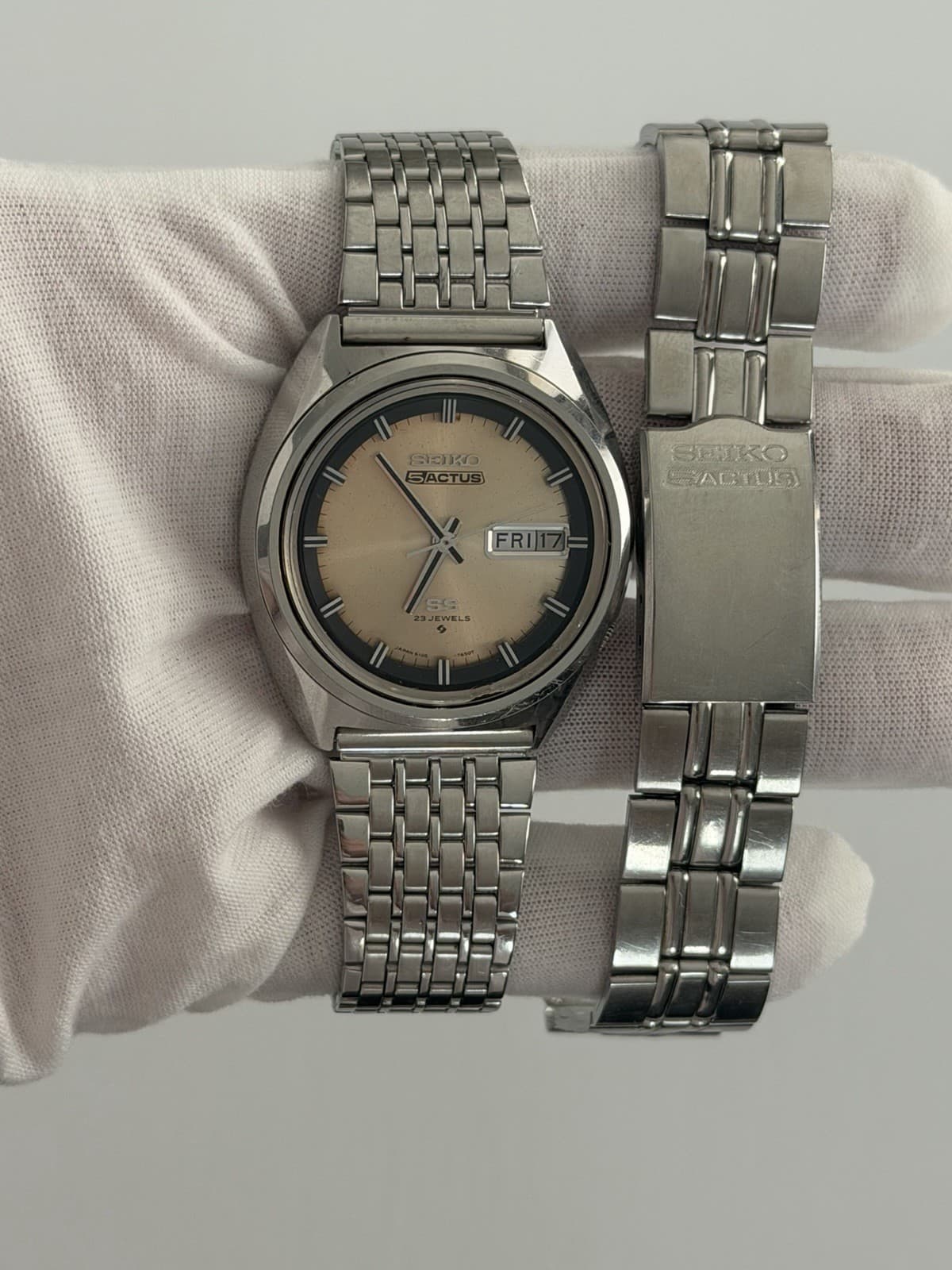
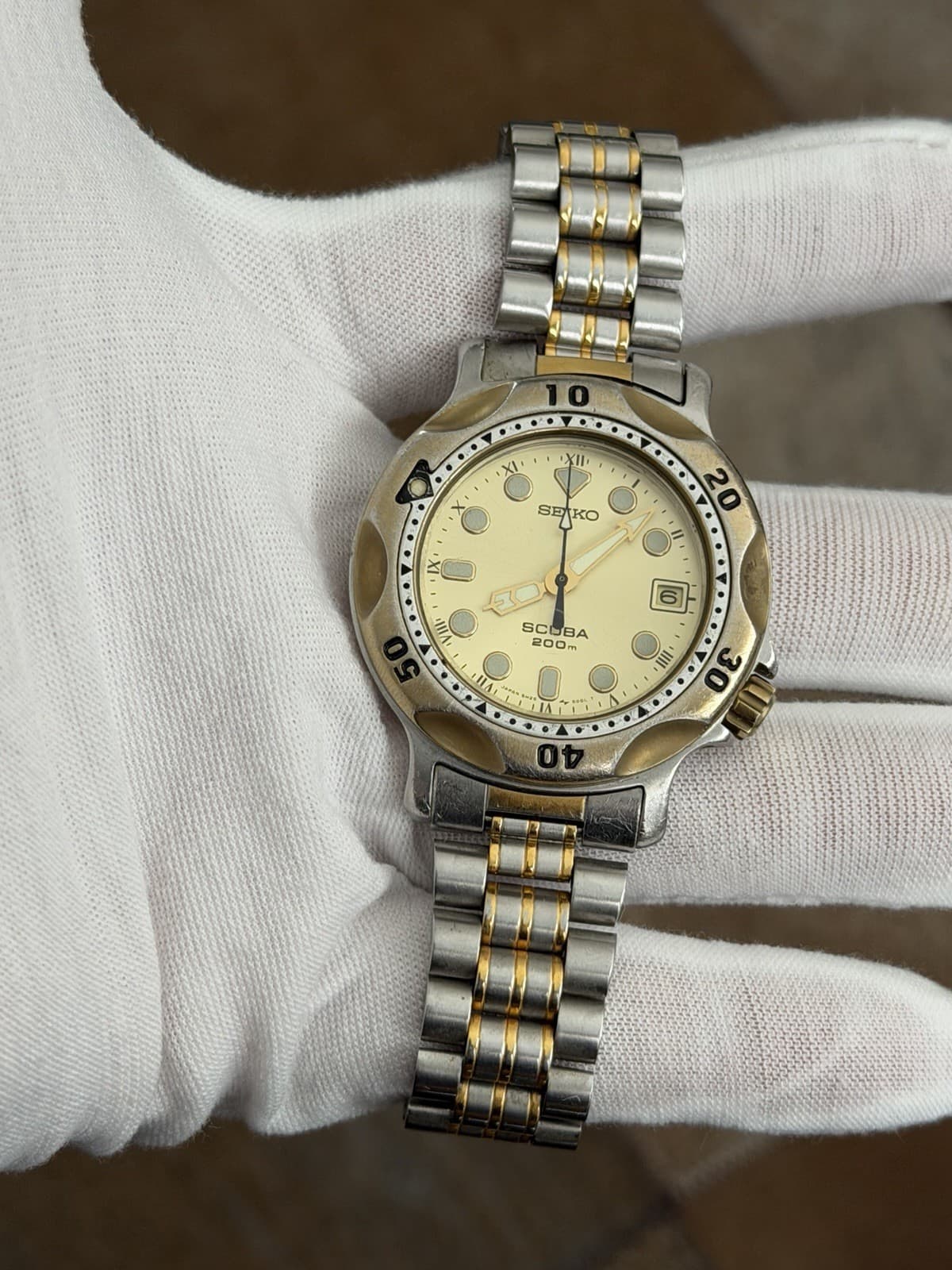
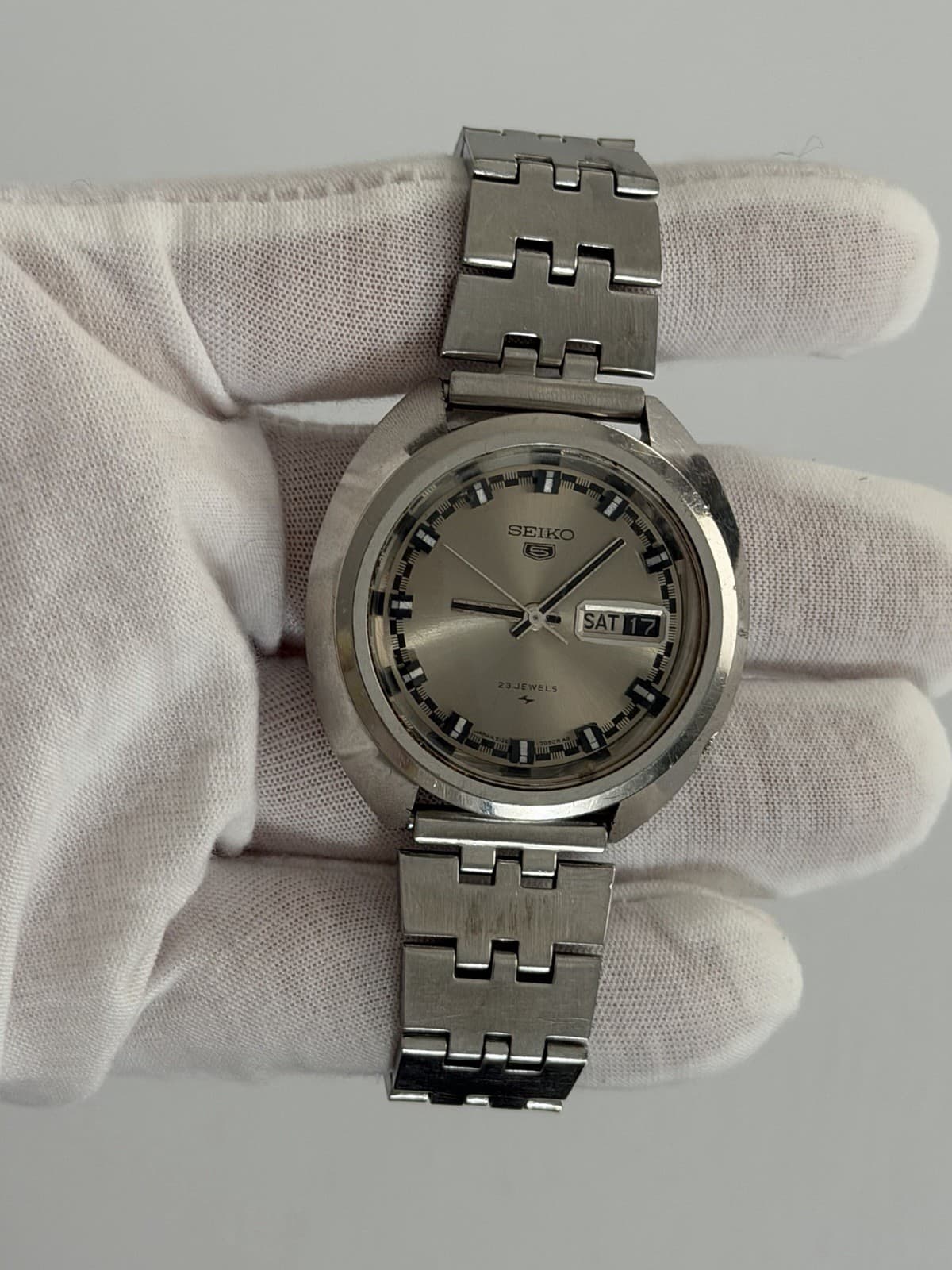
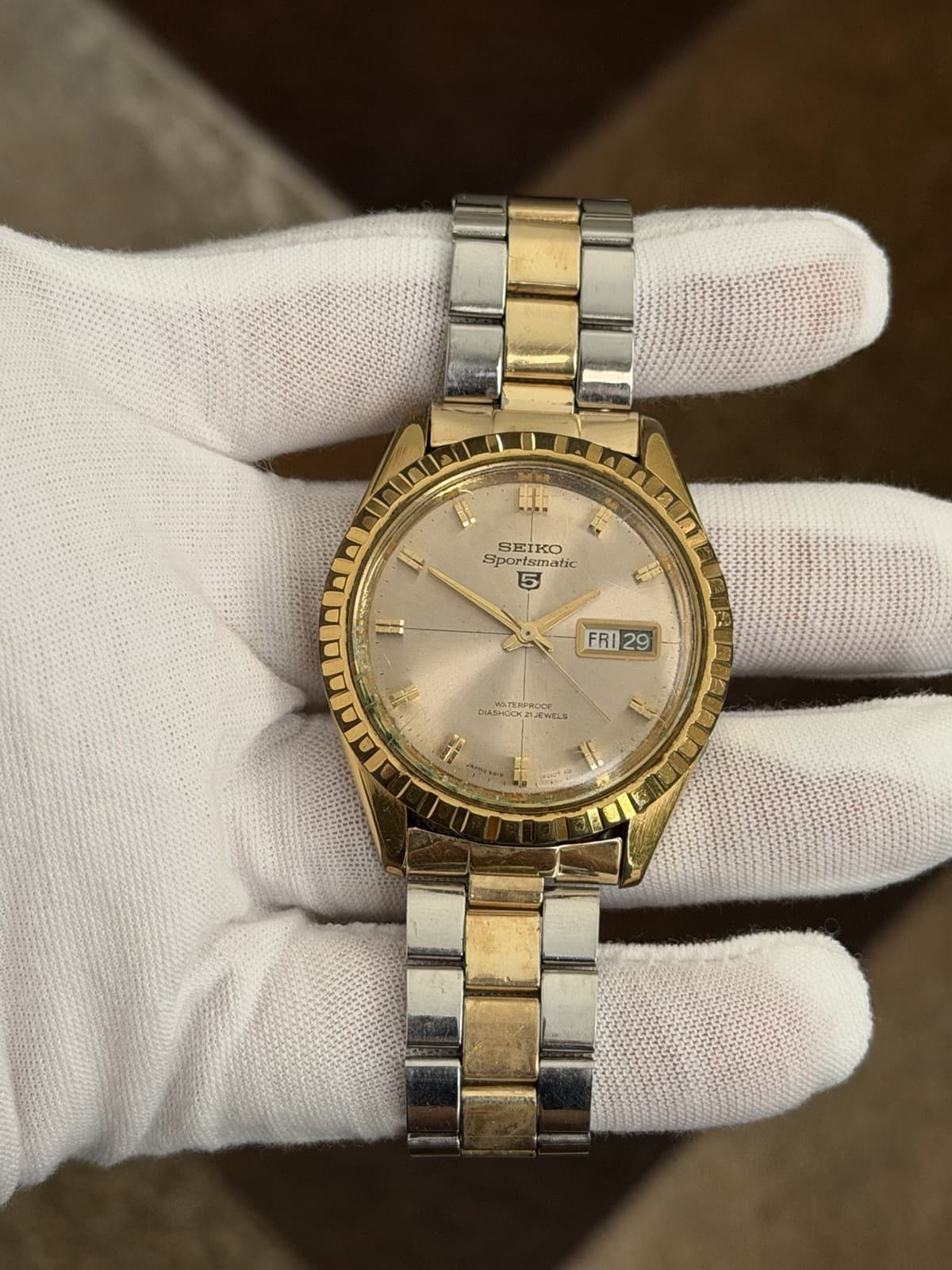
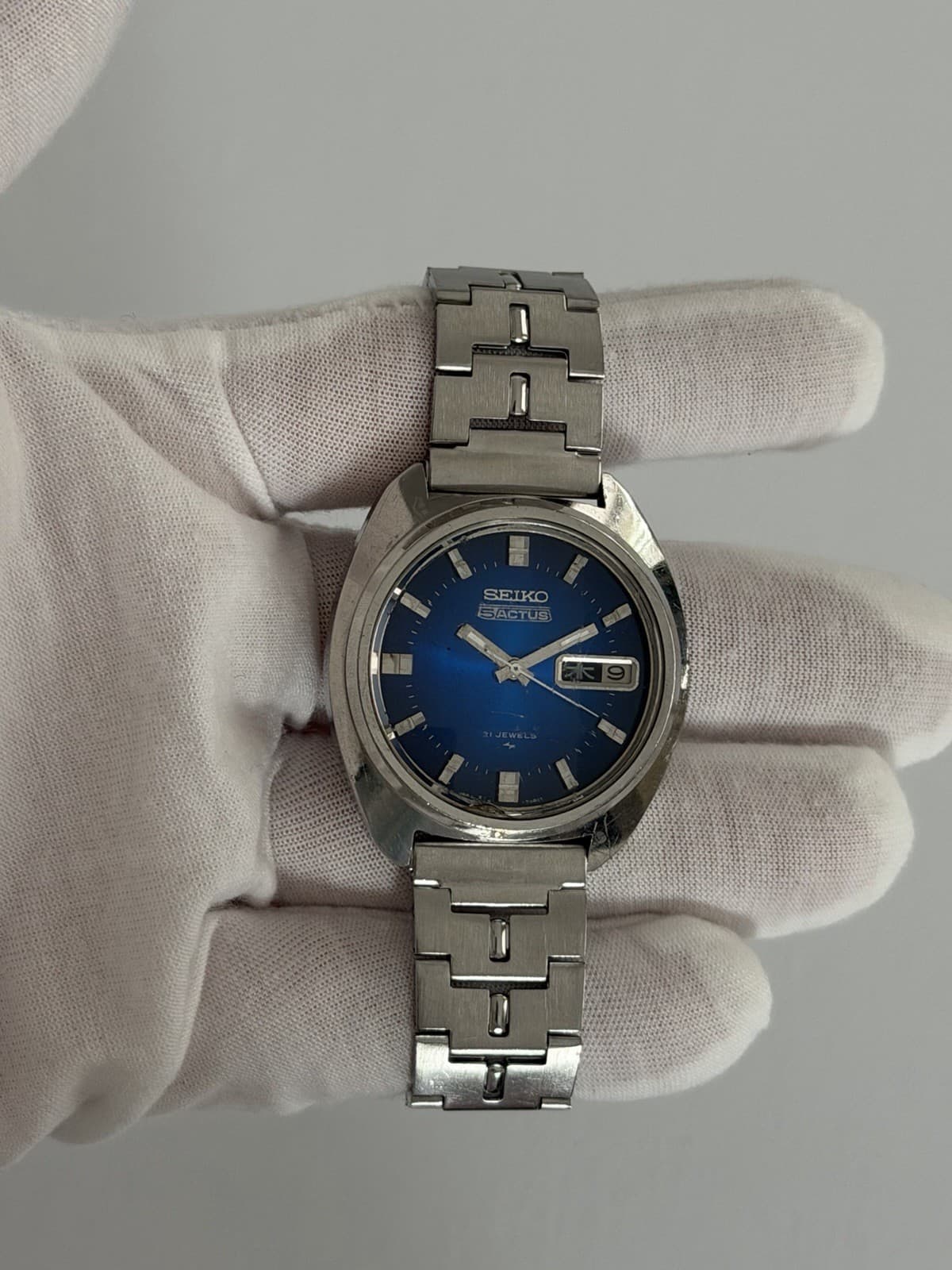
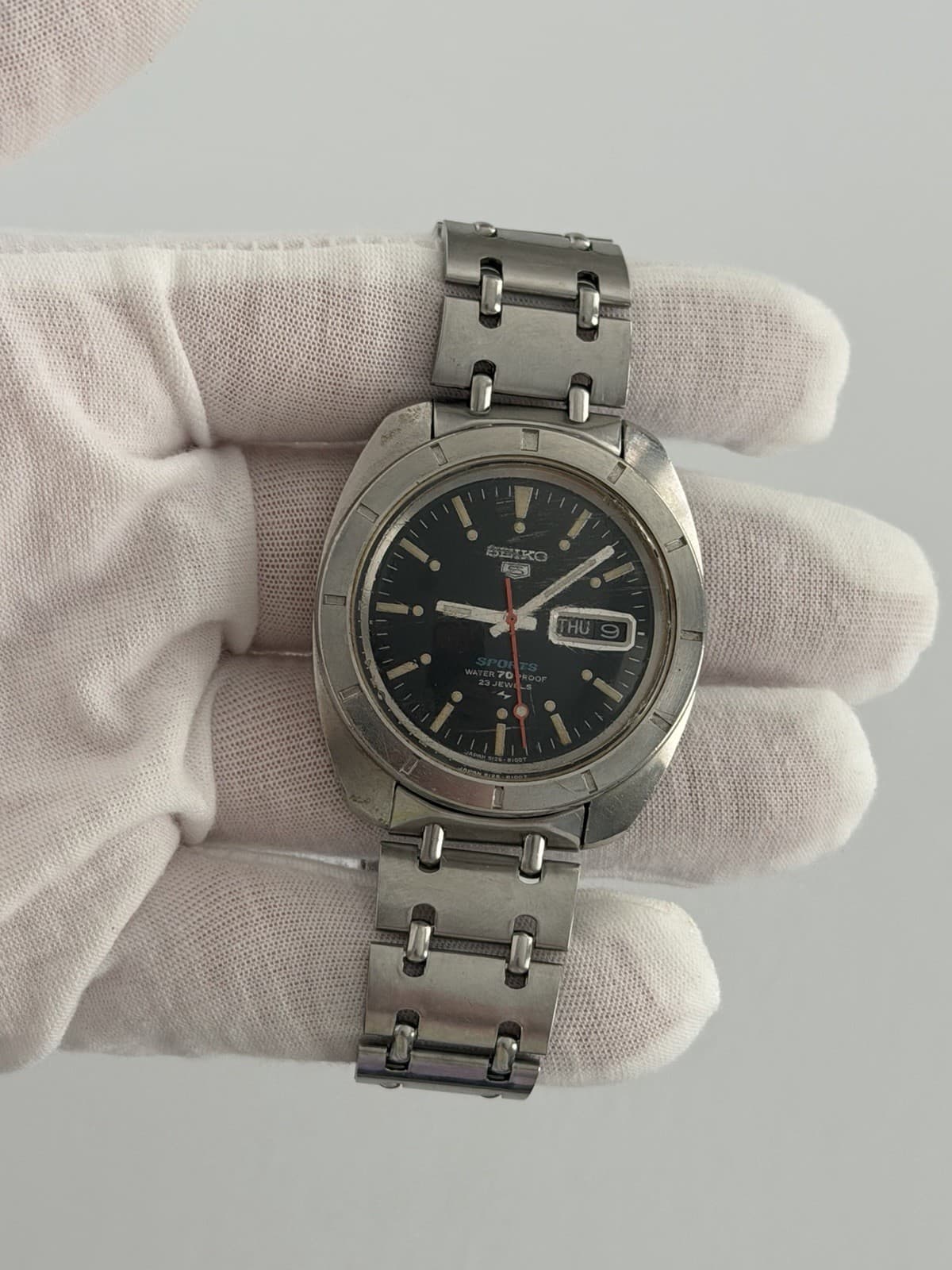
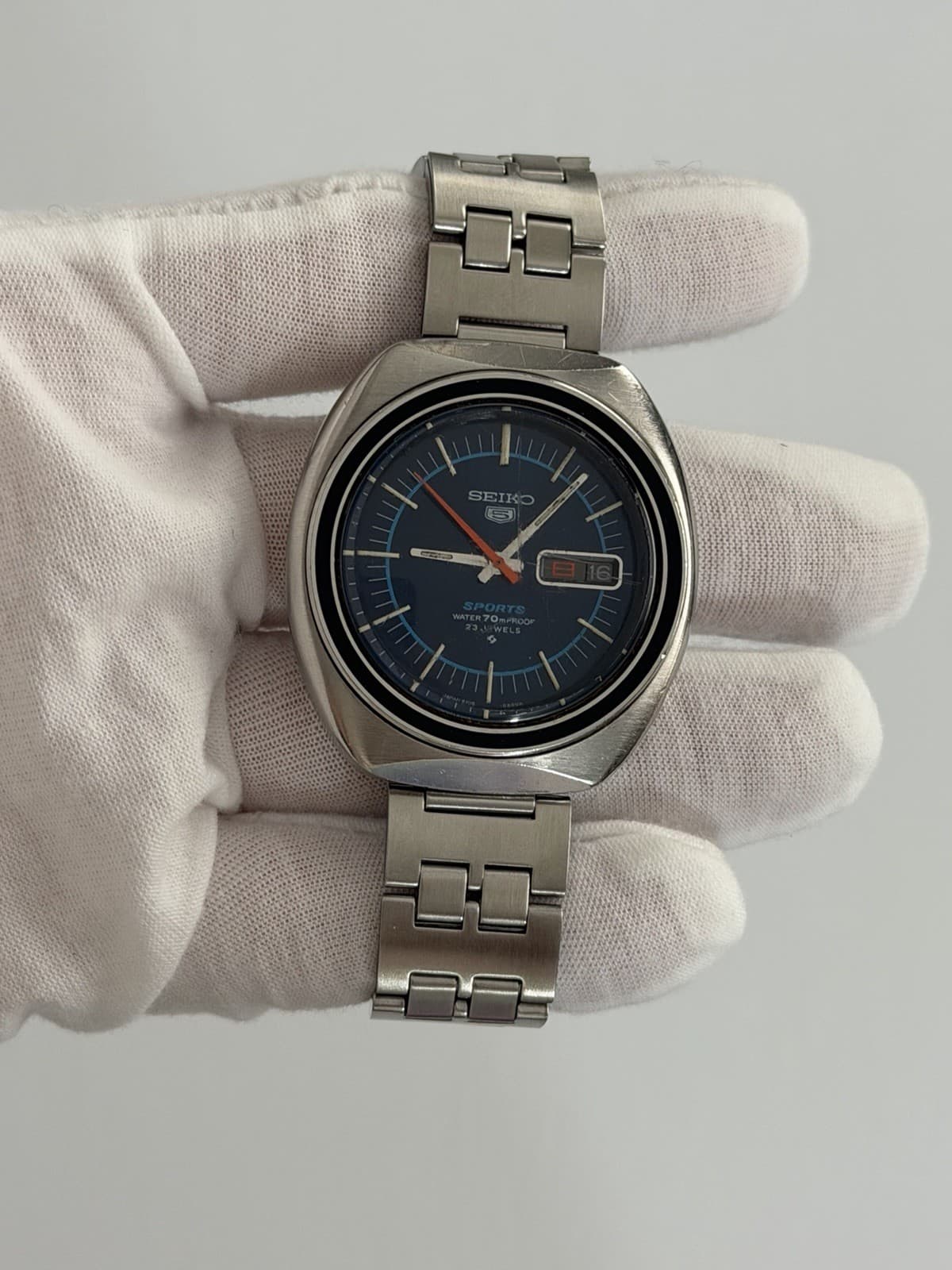
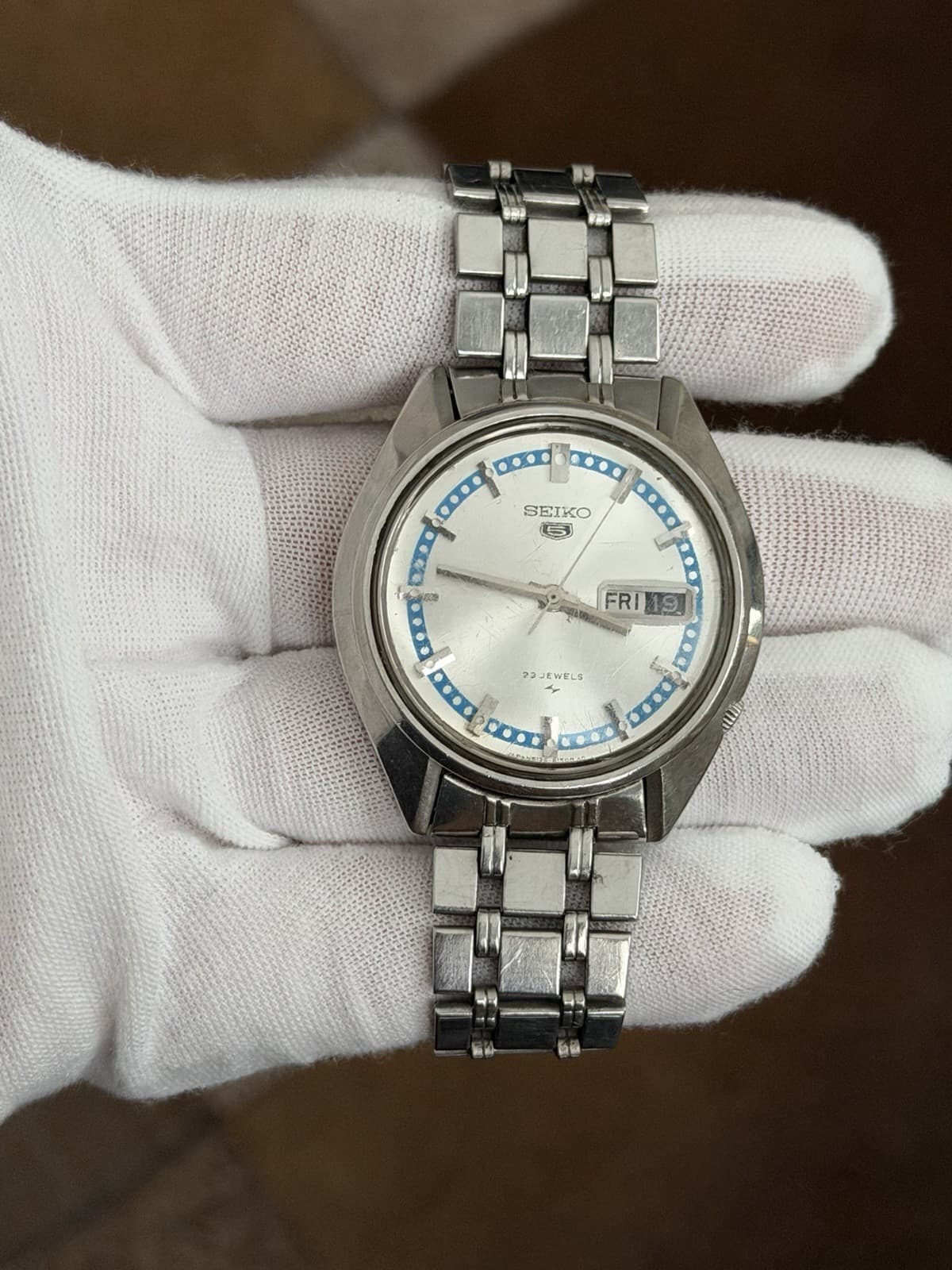
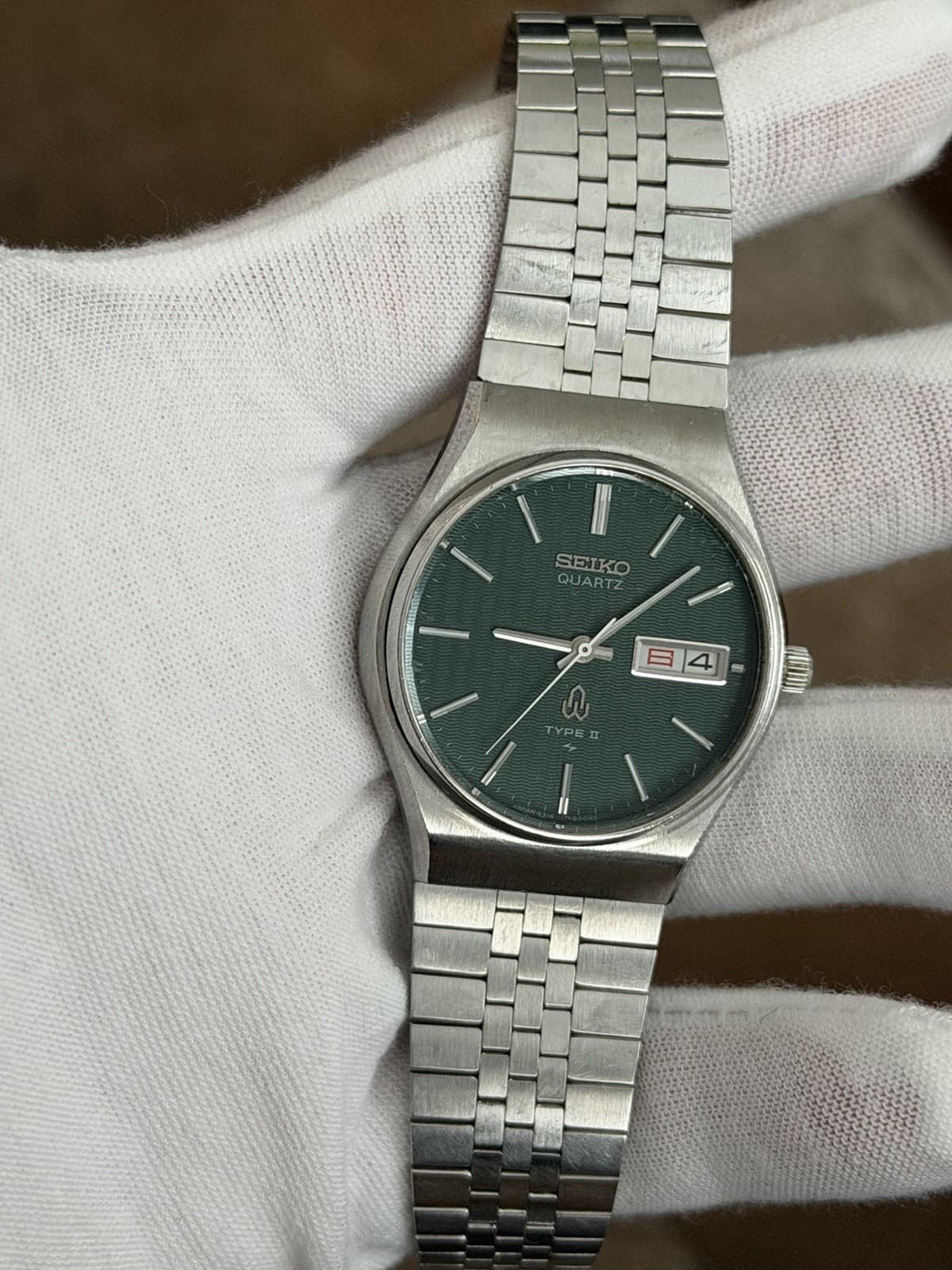
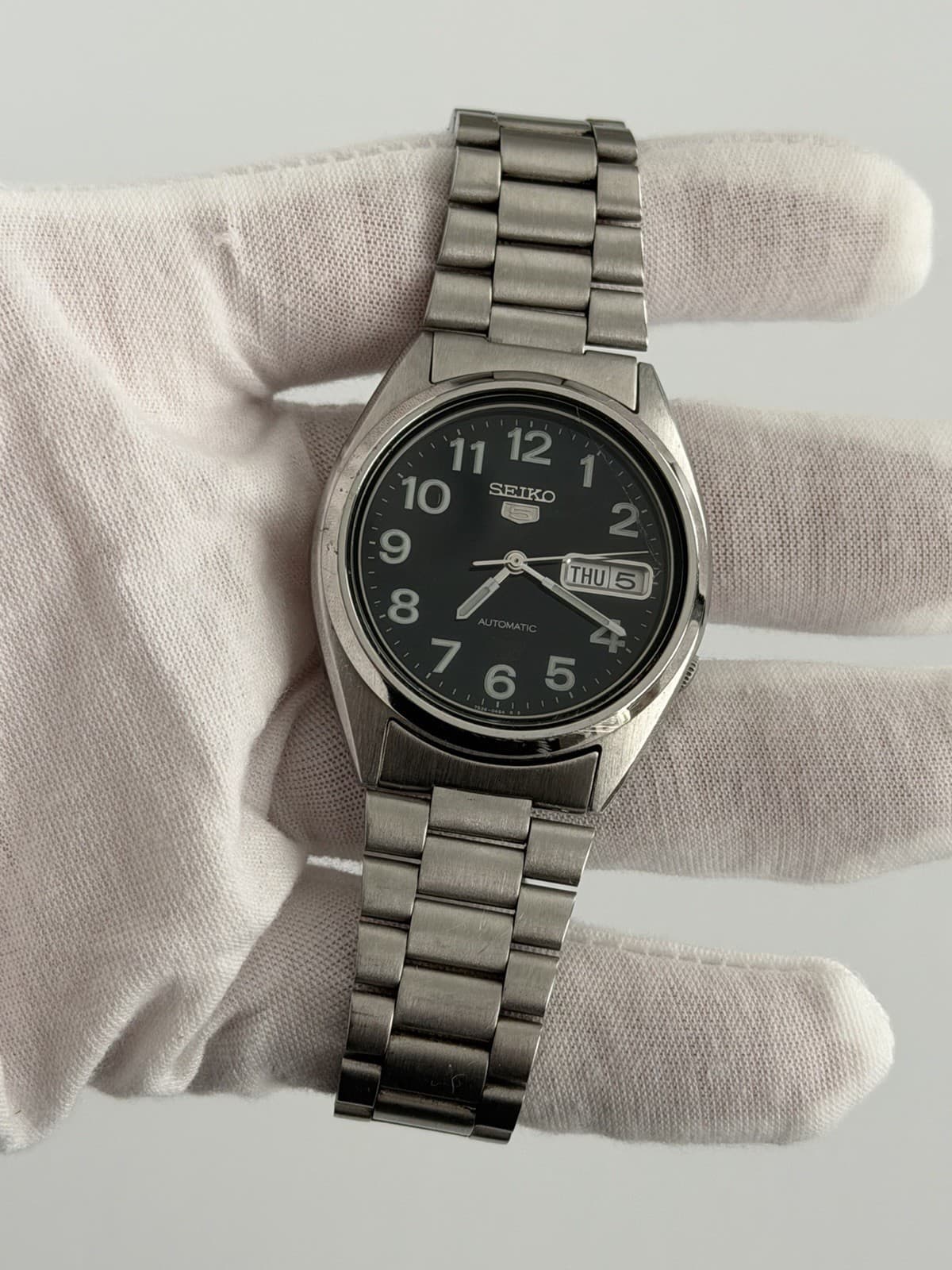
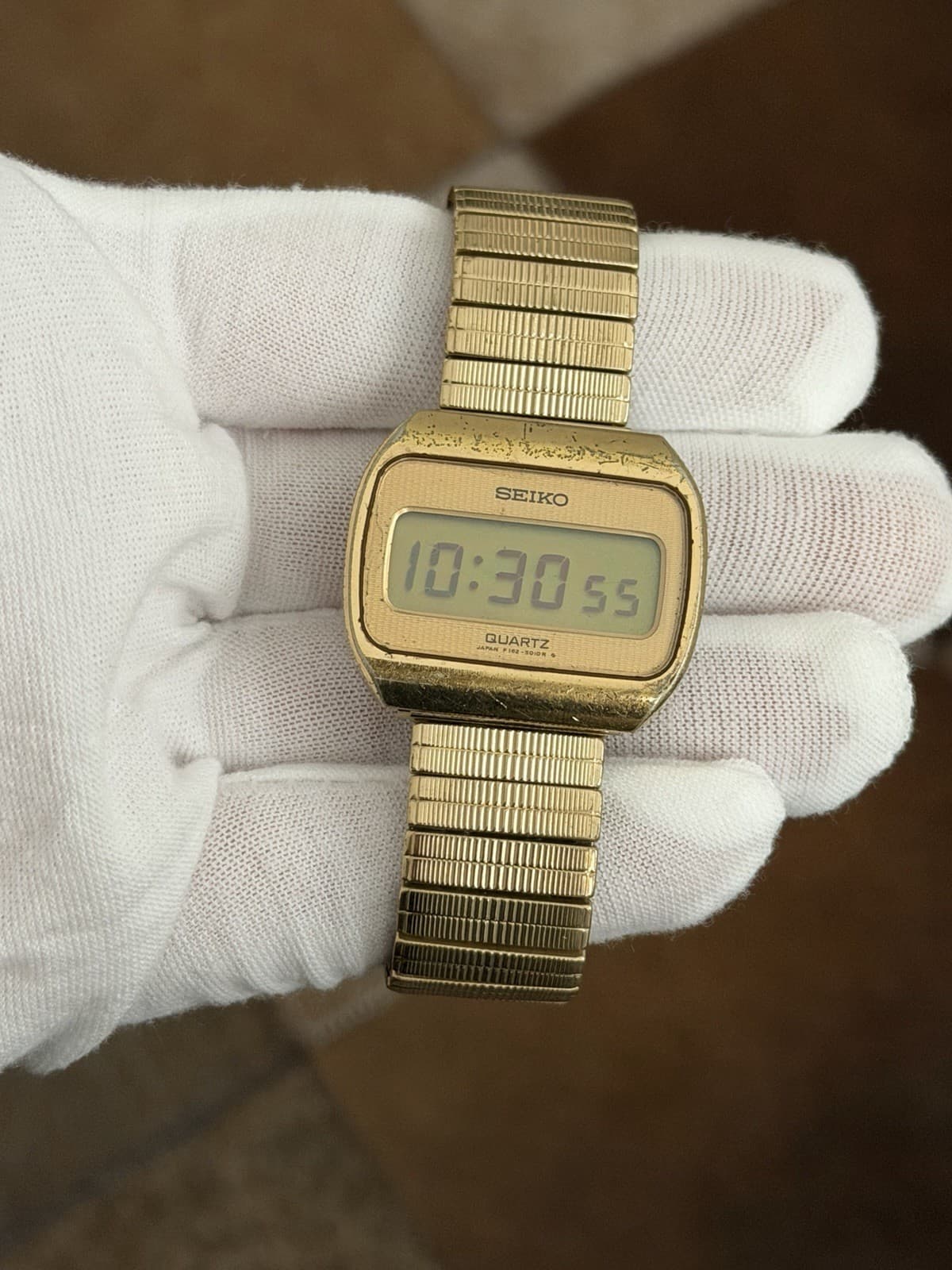
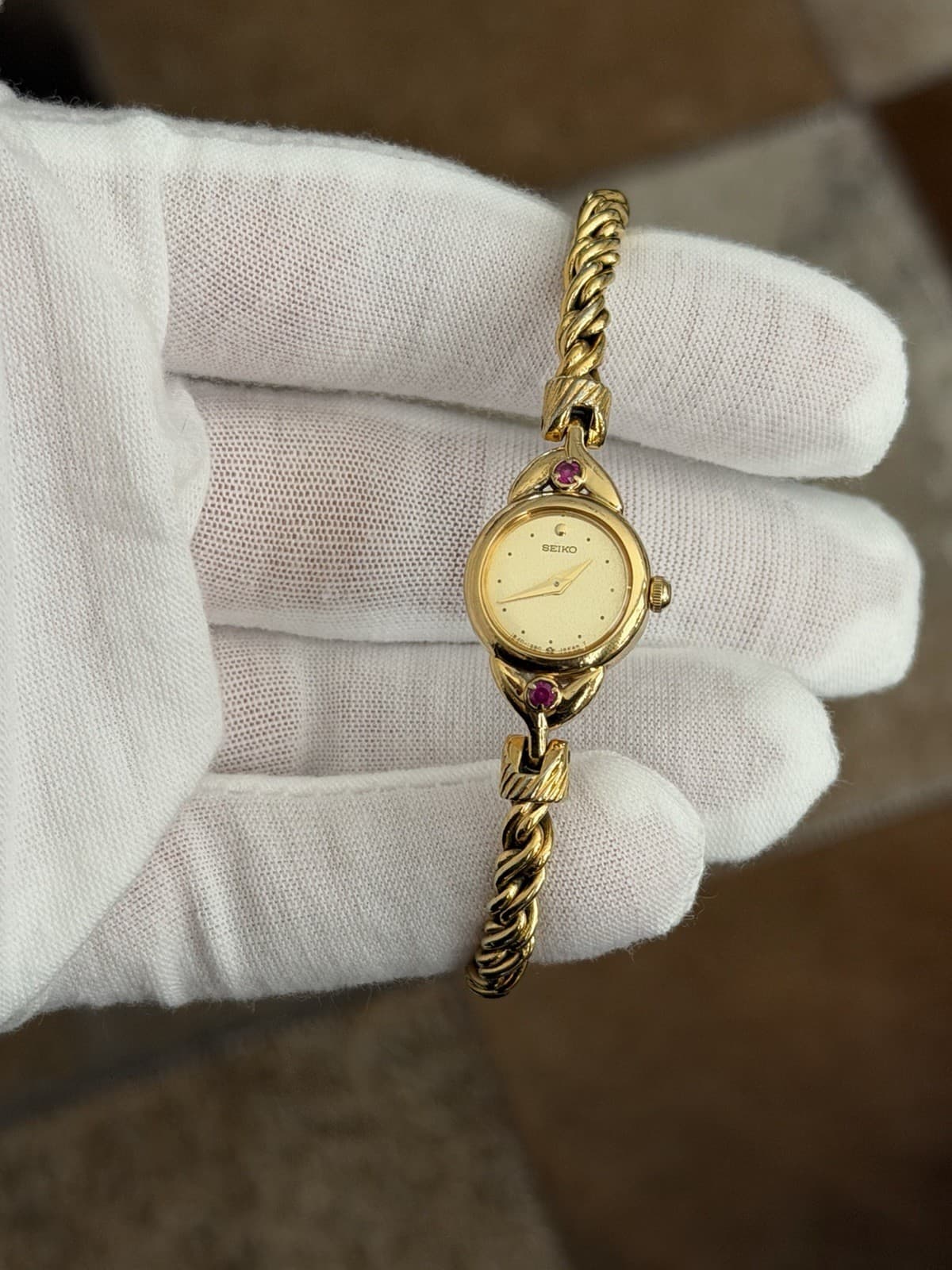
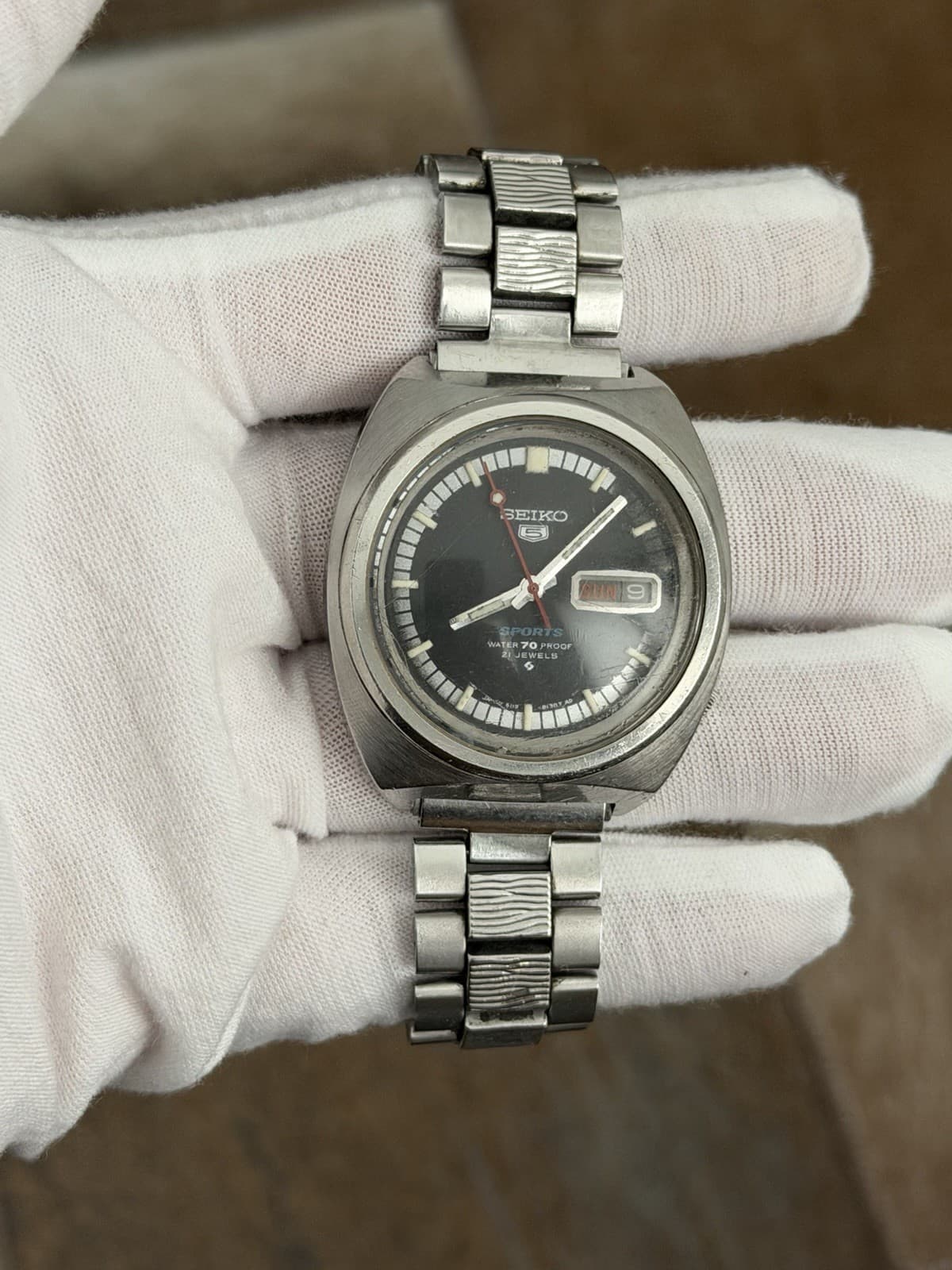
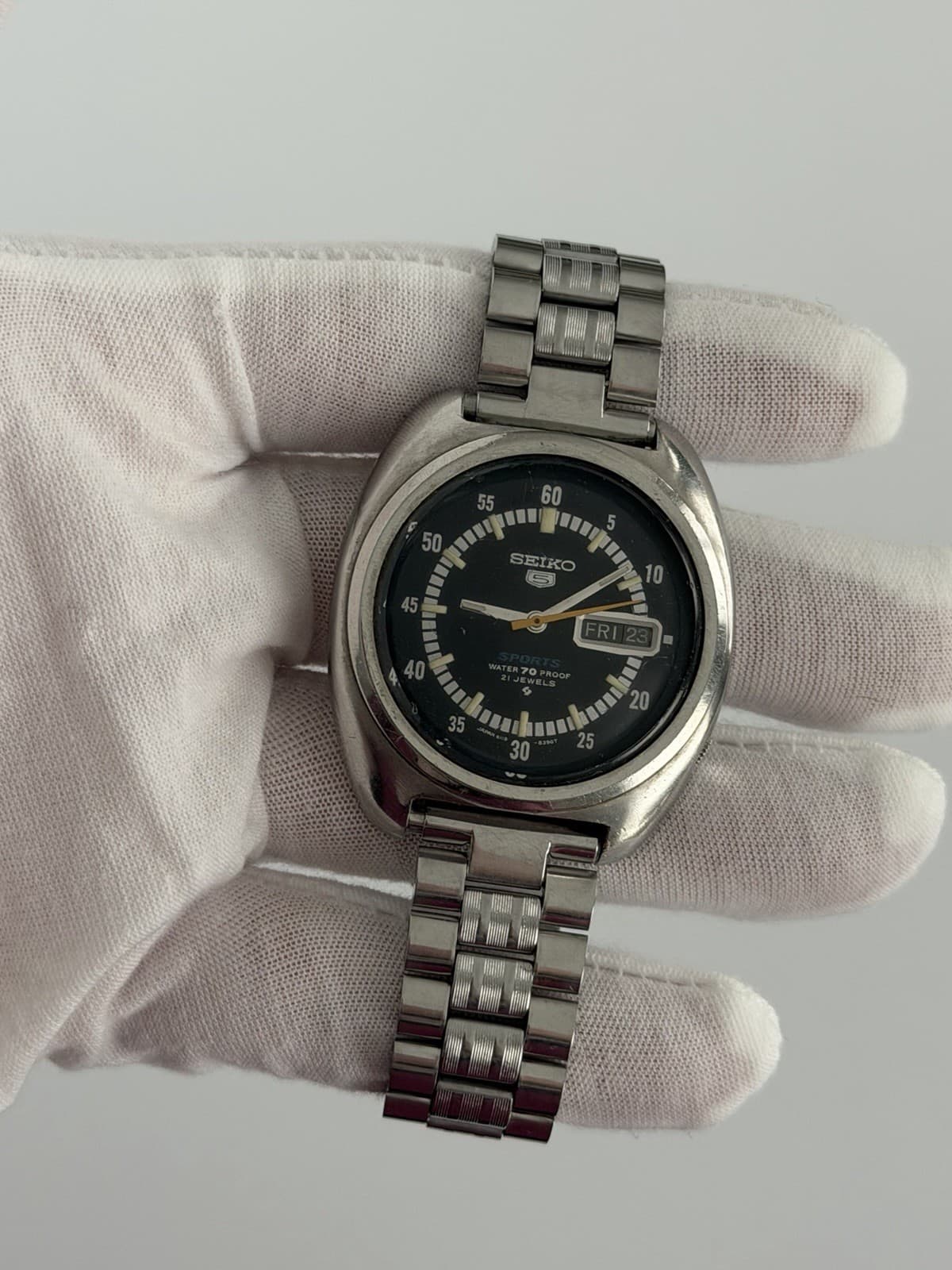
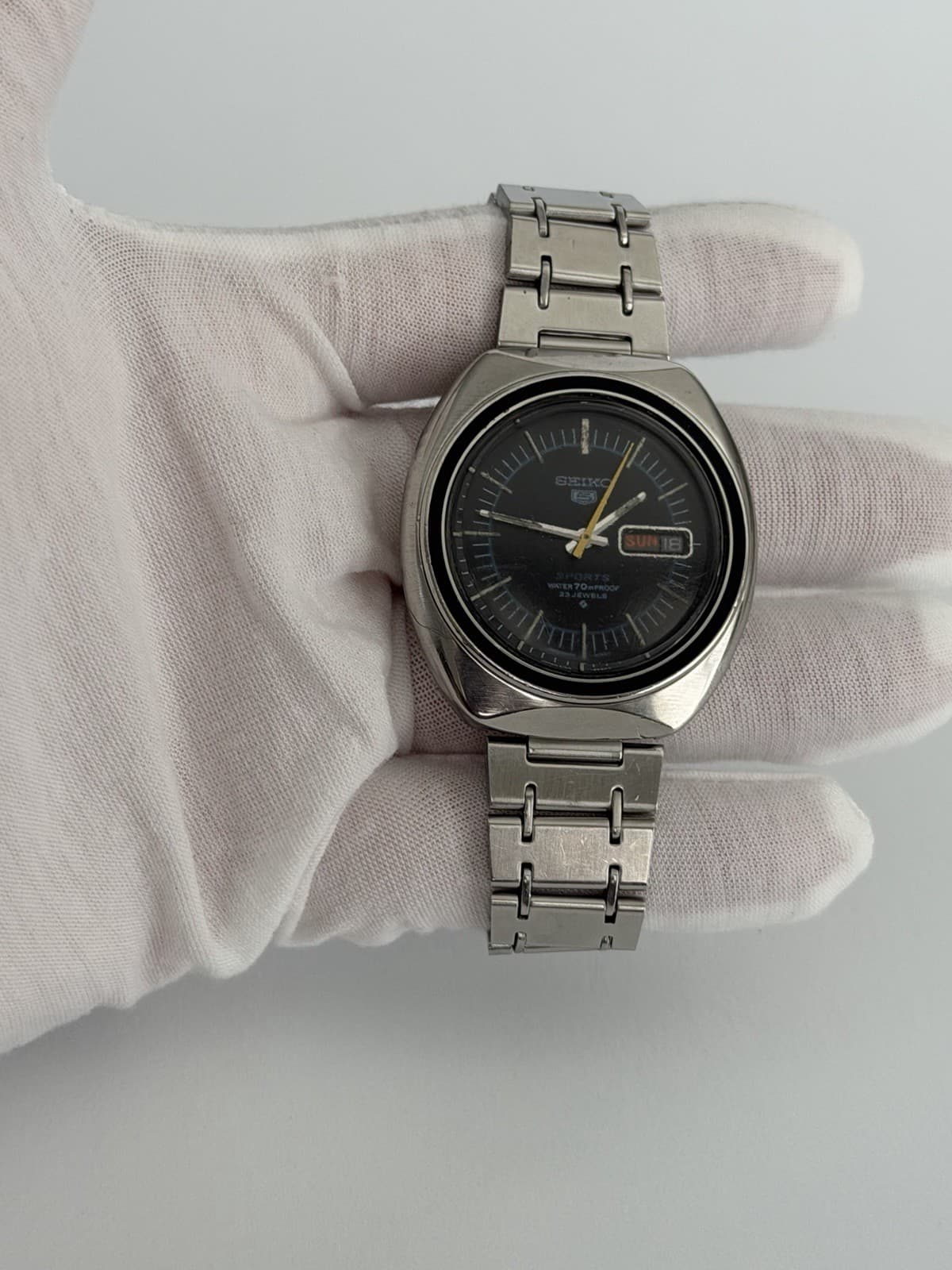
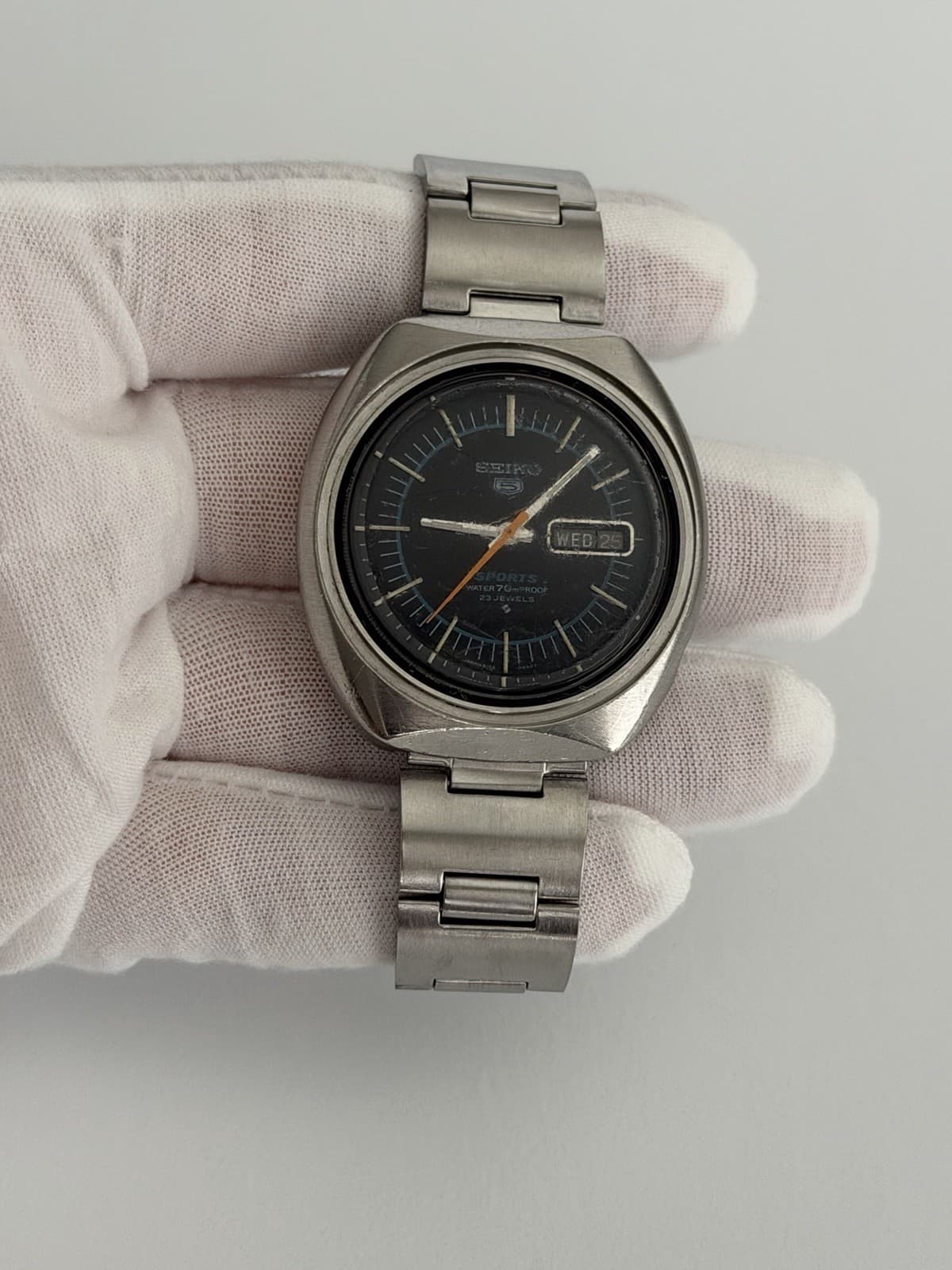
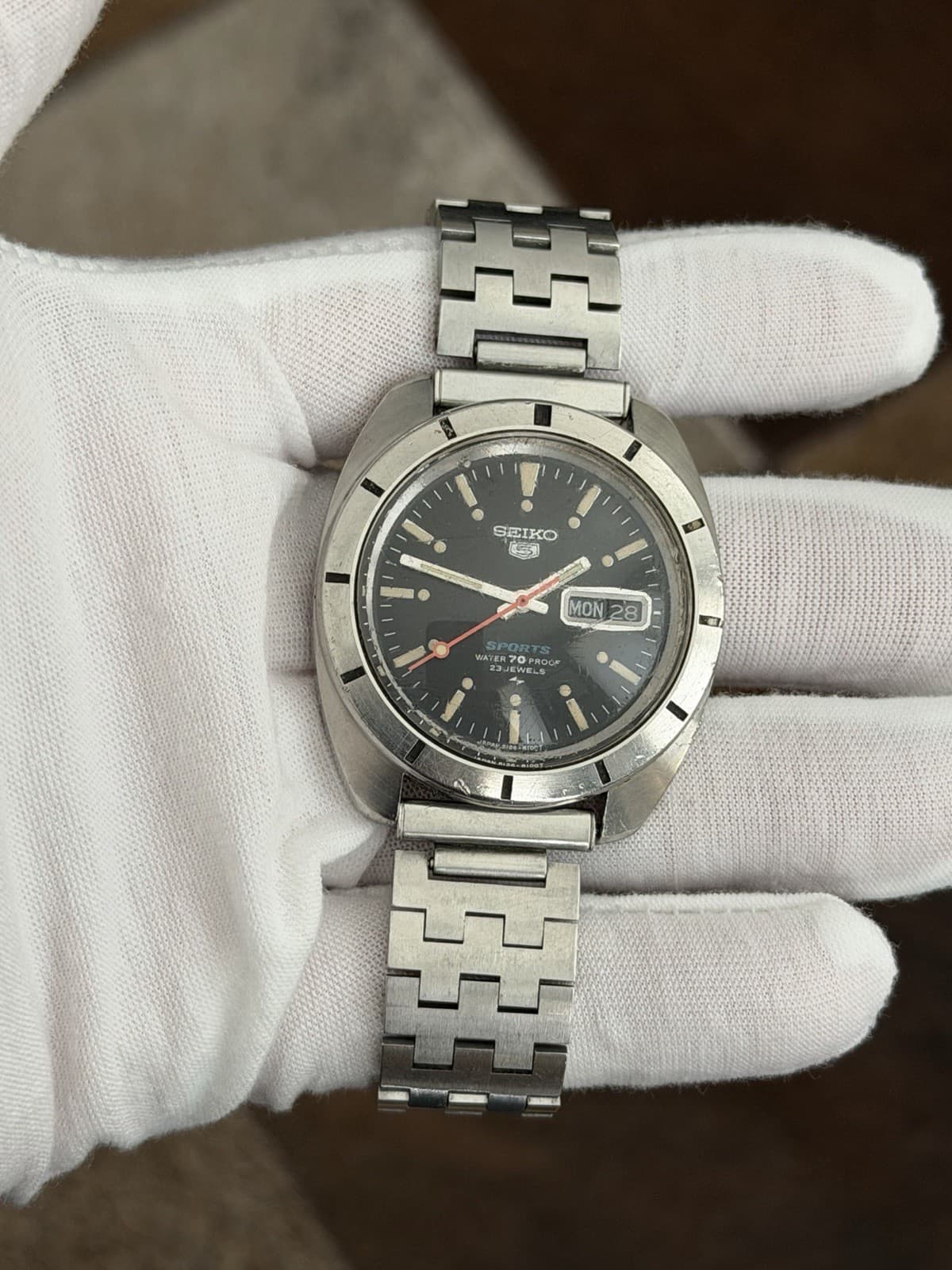
- Seiko 5 Sports 6106-8560 Men’s Vintage 23J Automatic Watch JDM 1970s — 4 available
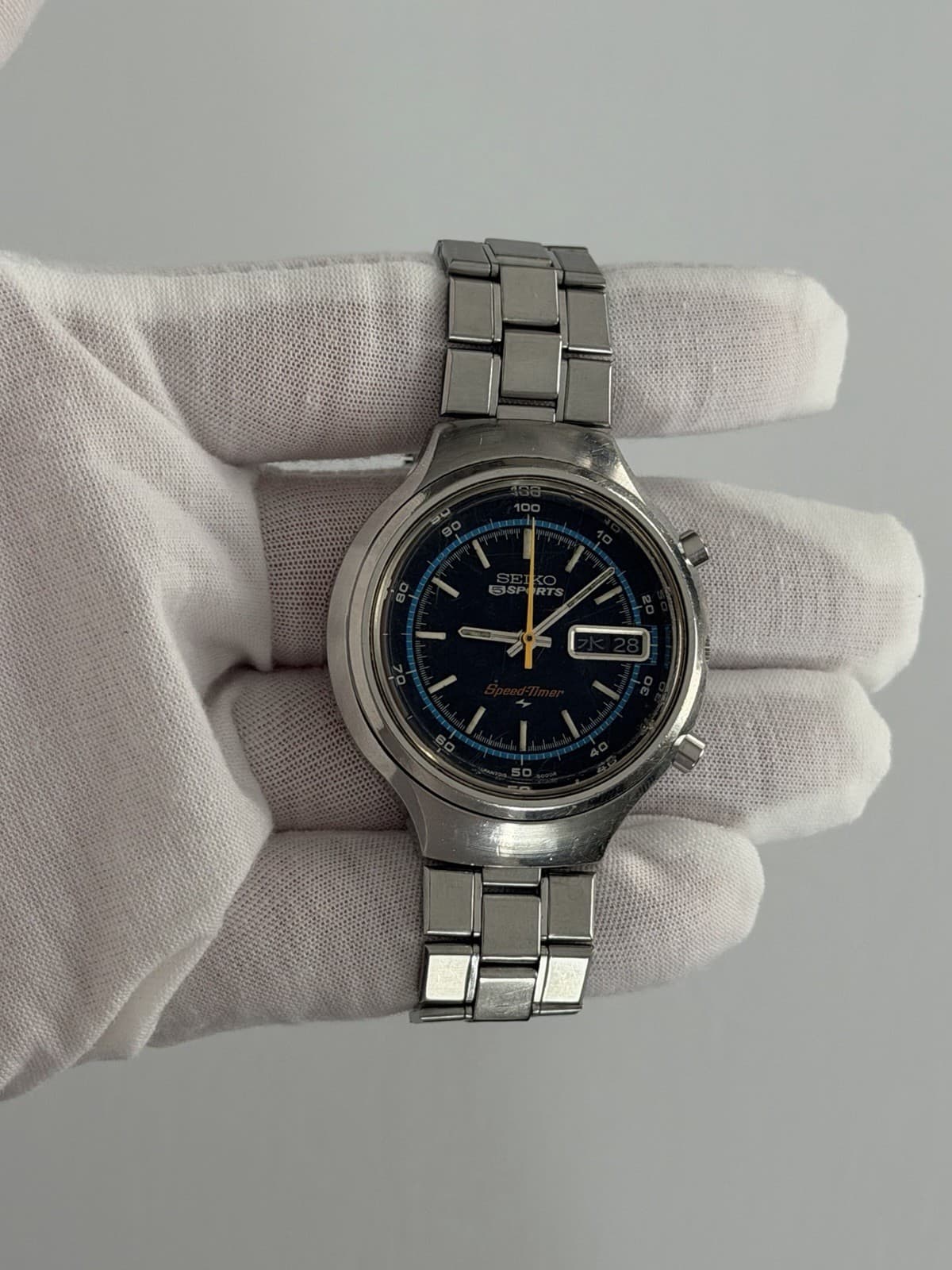
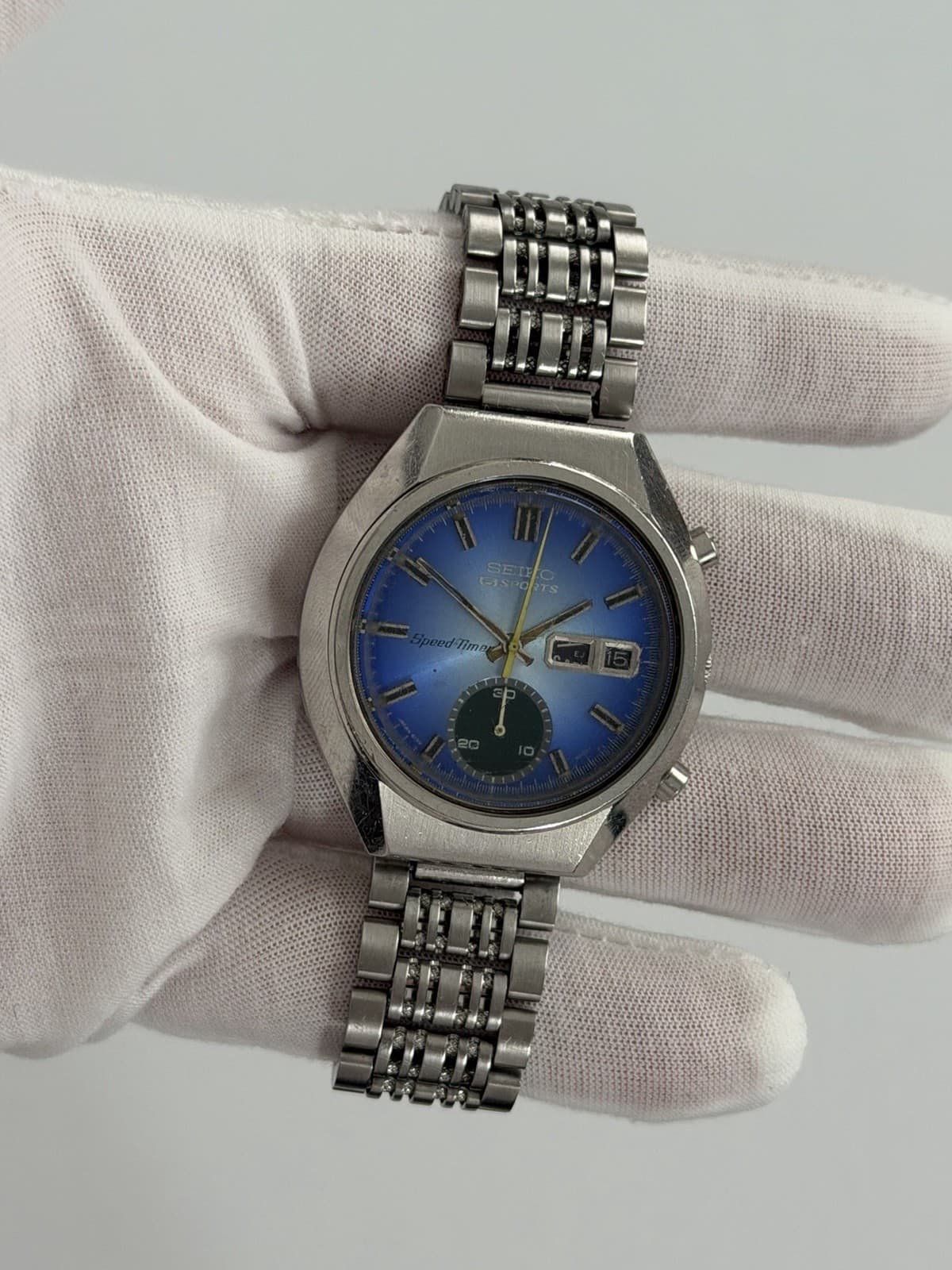
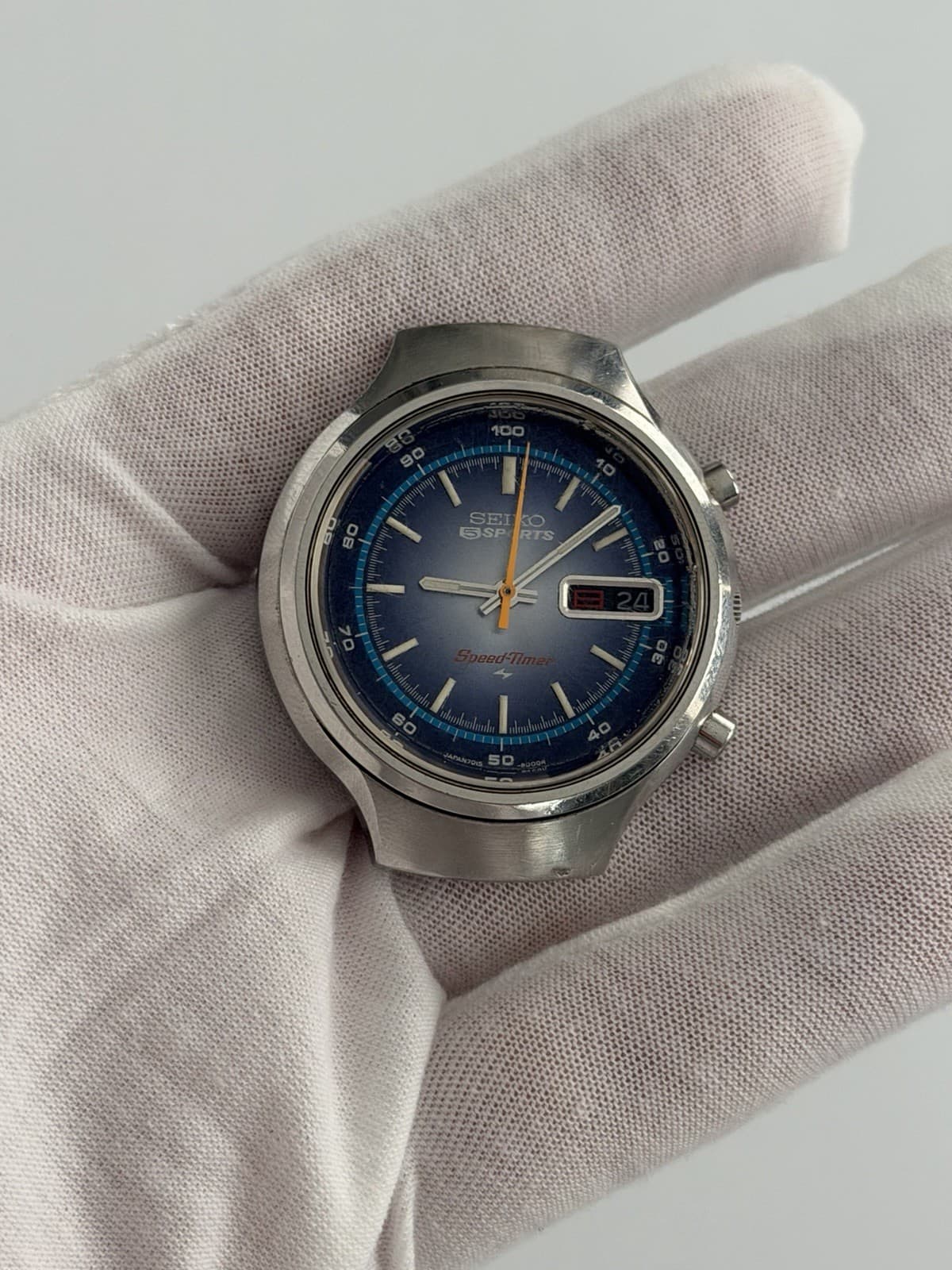
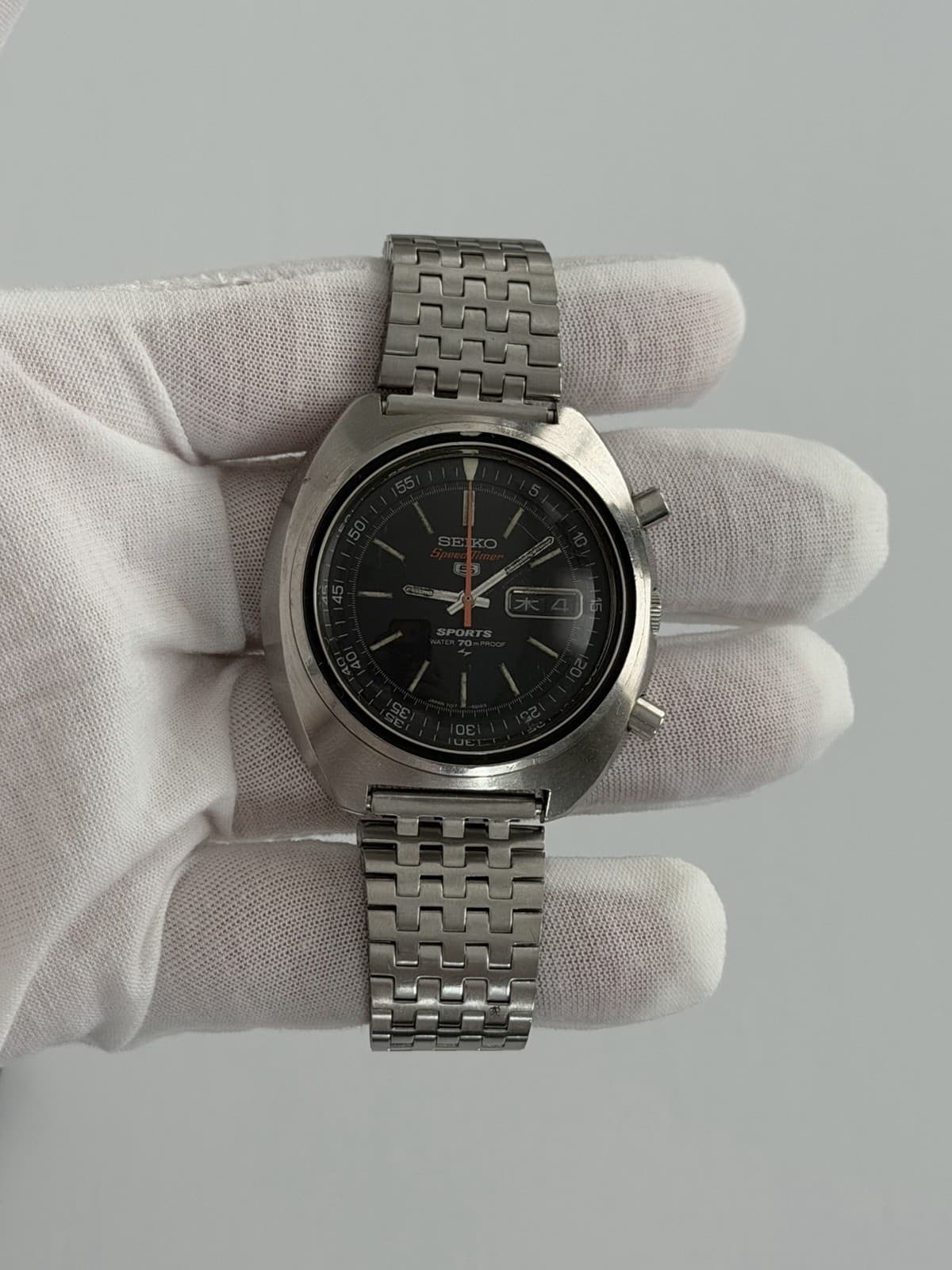
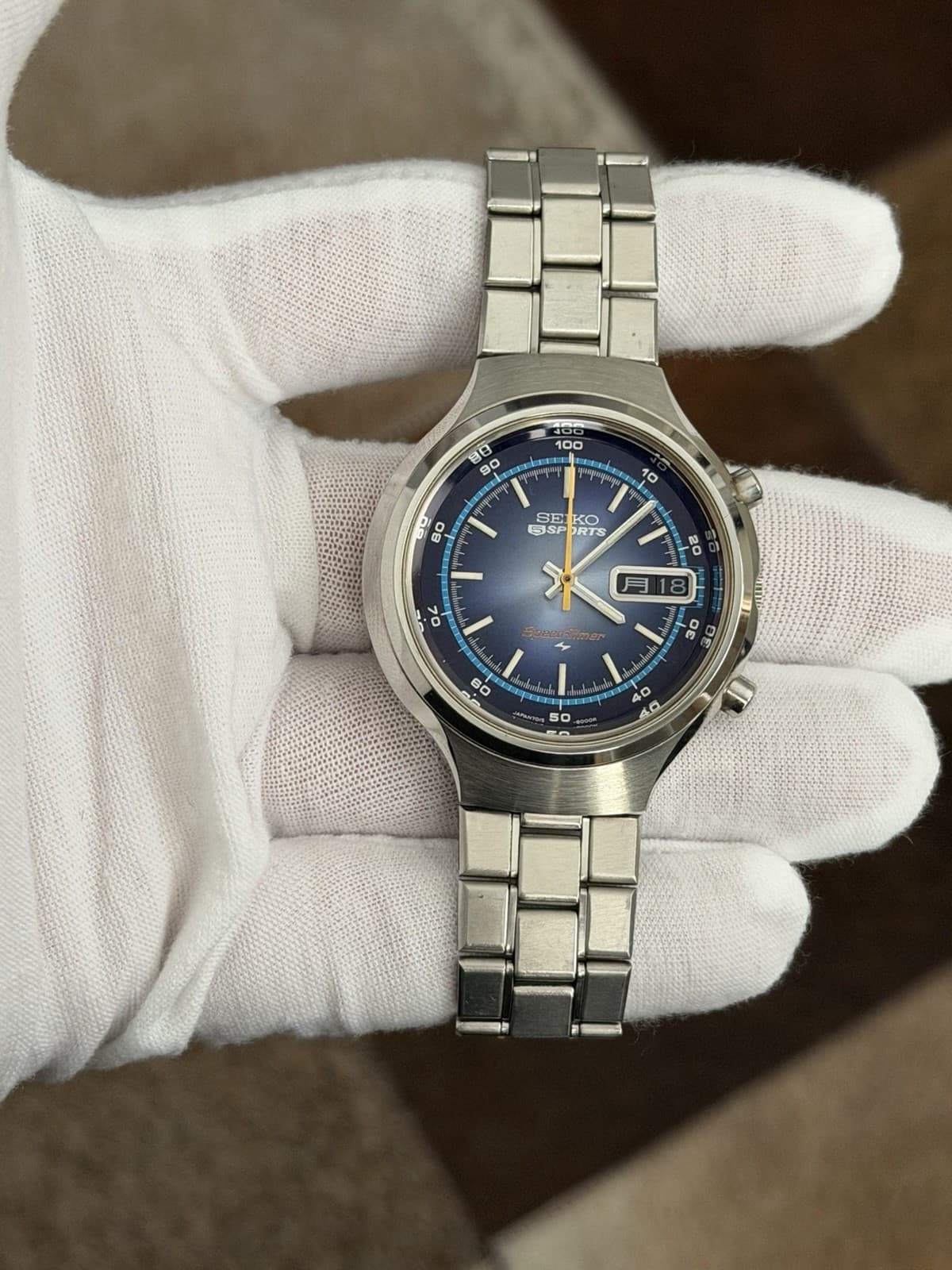
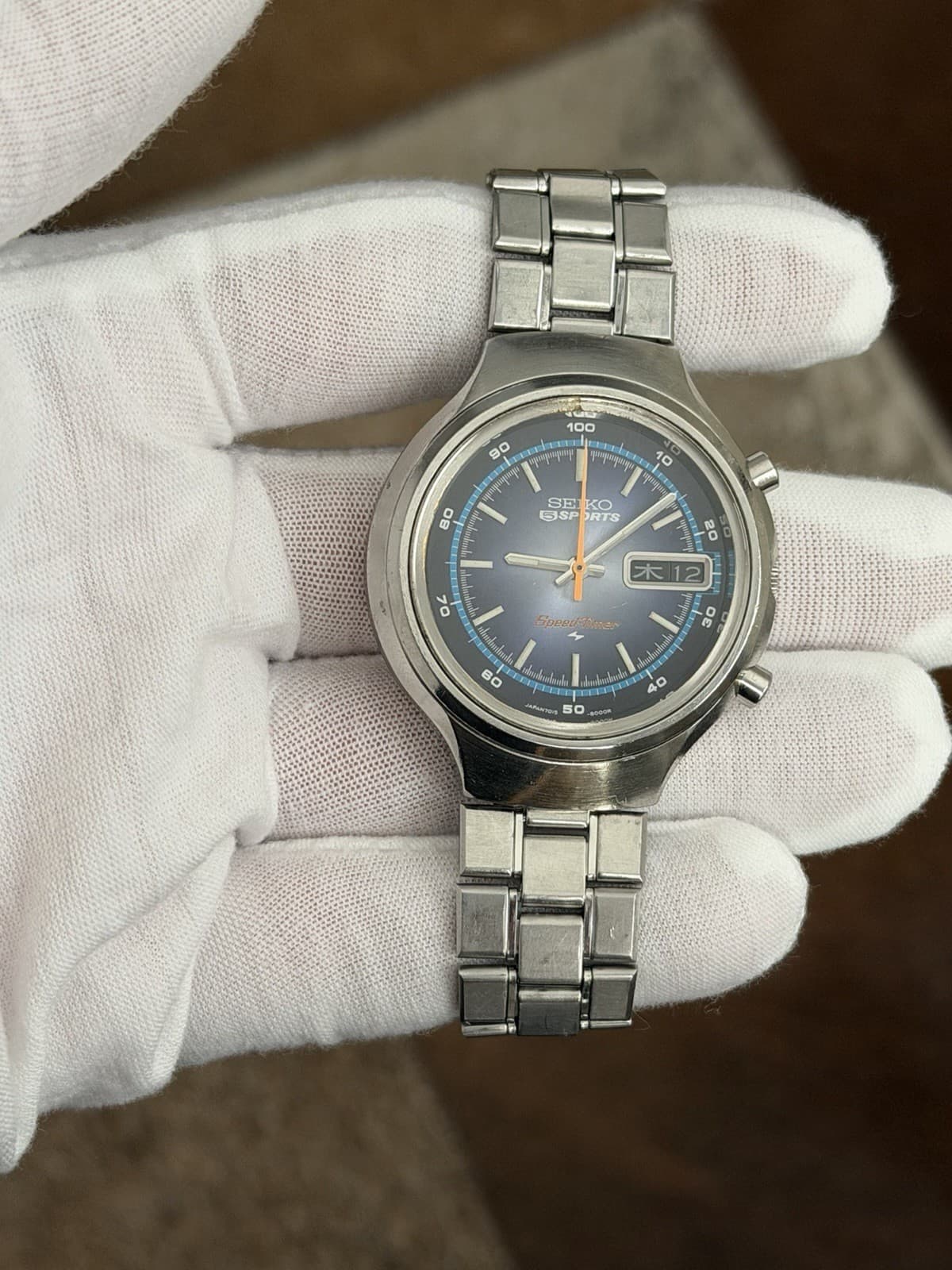
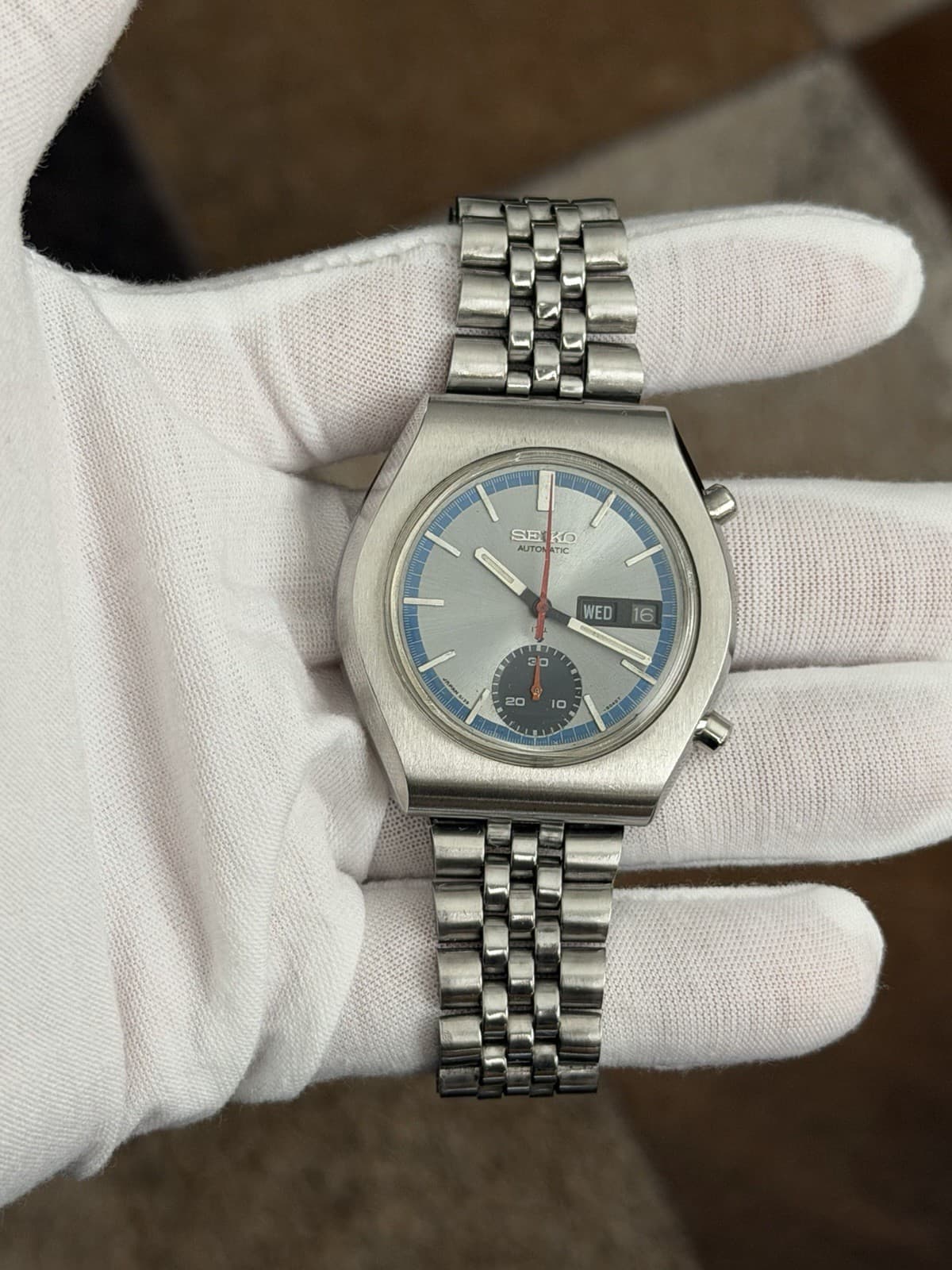
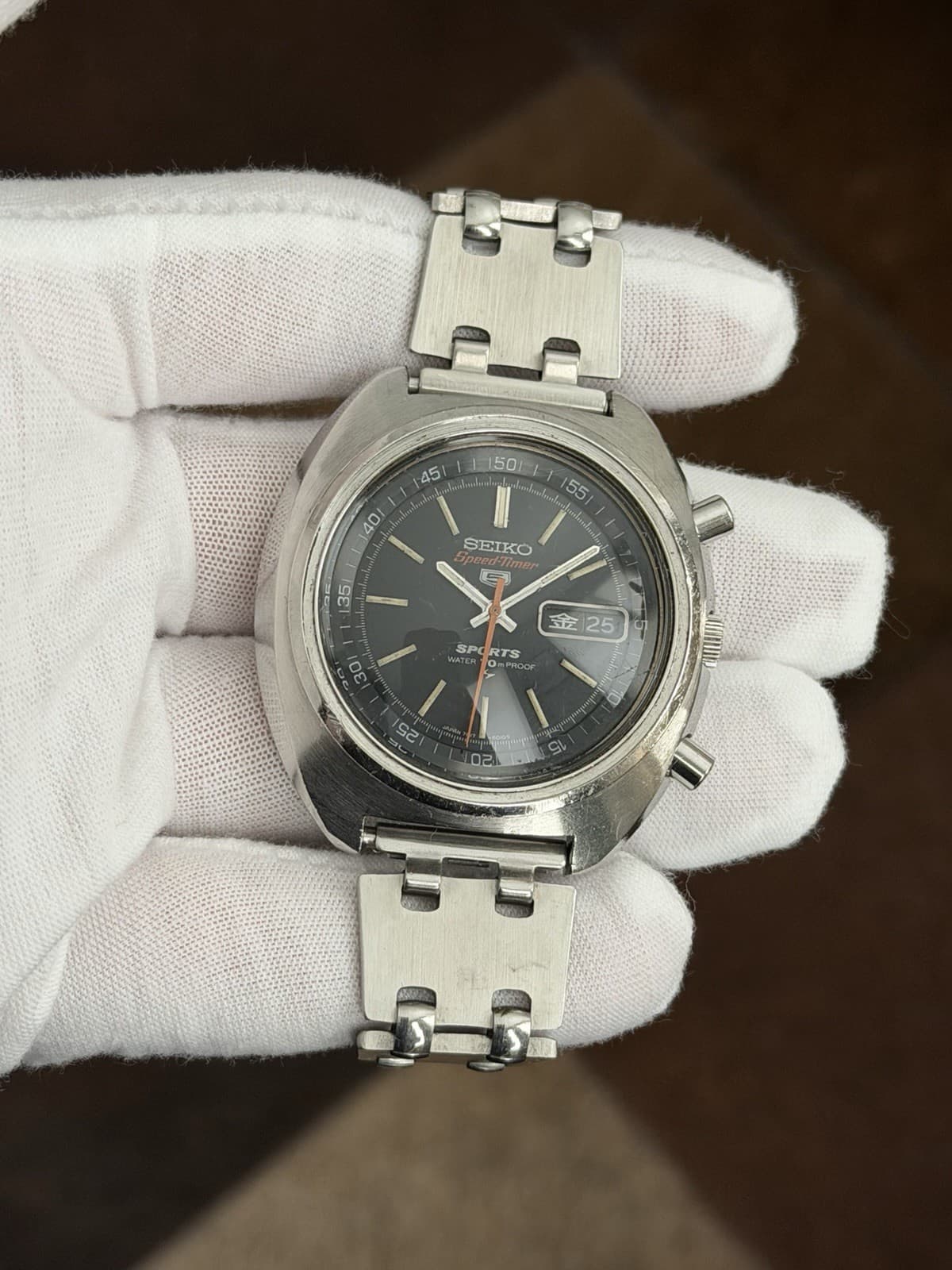
- Seiko 5 Sports Speedtimer 7015-8000 Vintage Automatic Chronograph Watch JDM 70s — 6 available
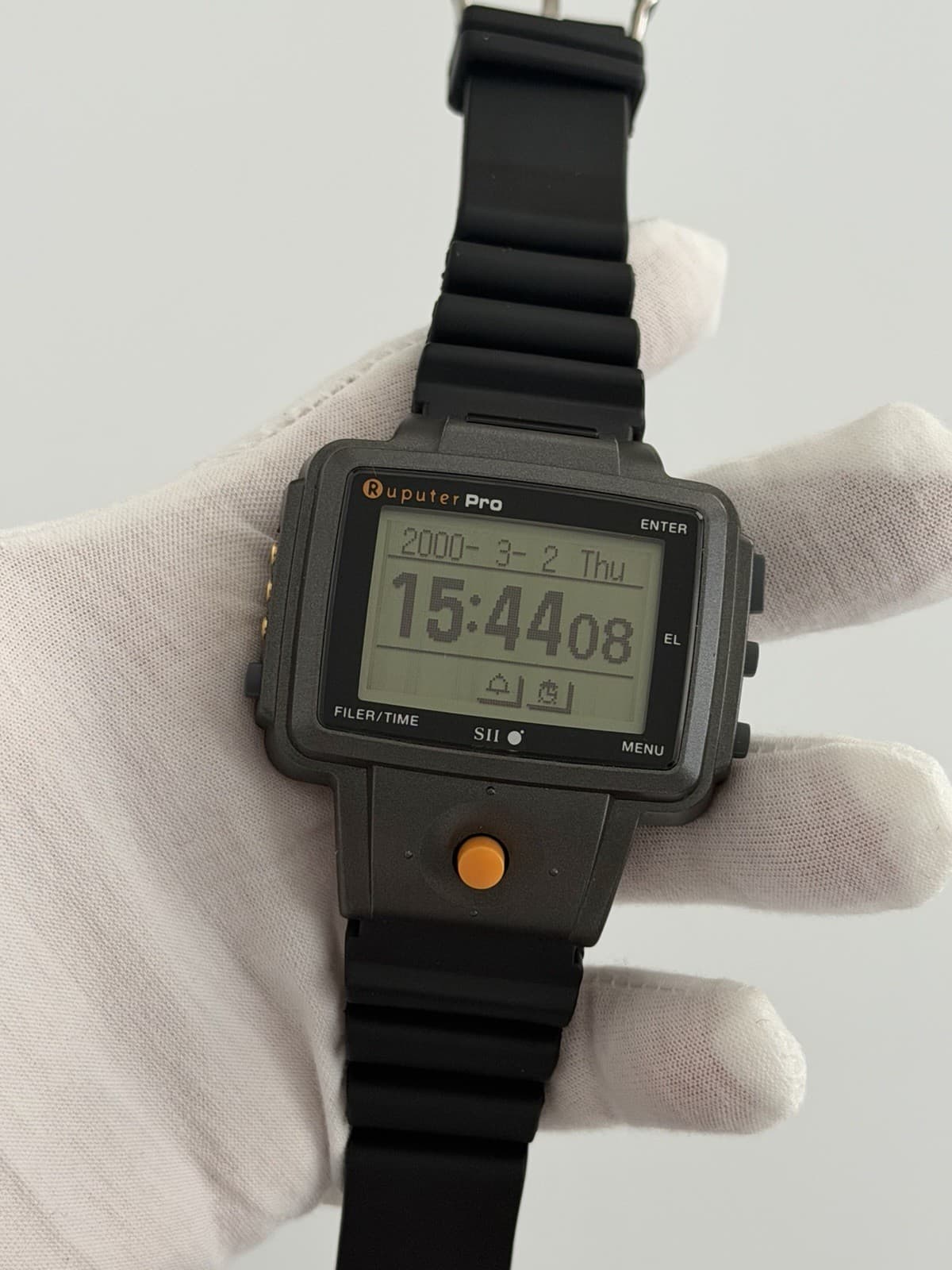
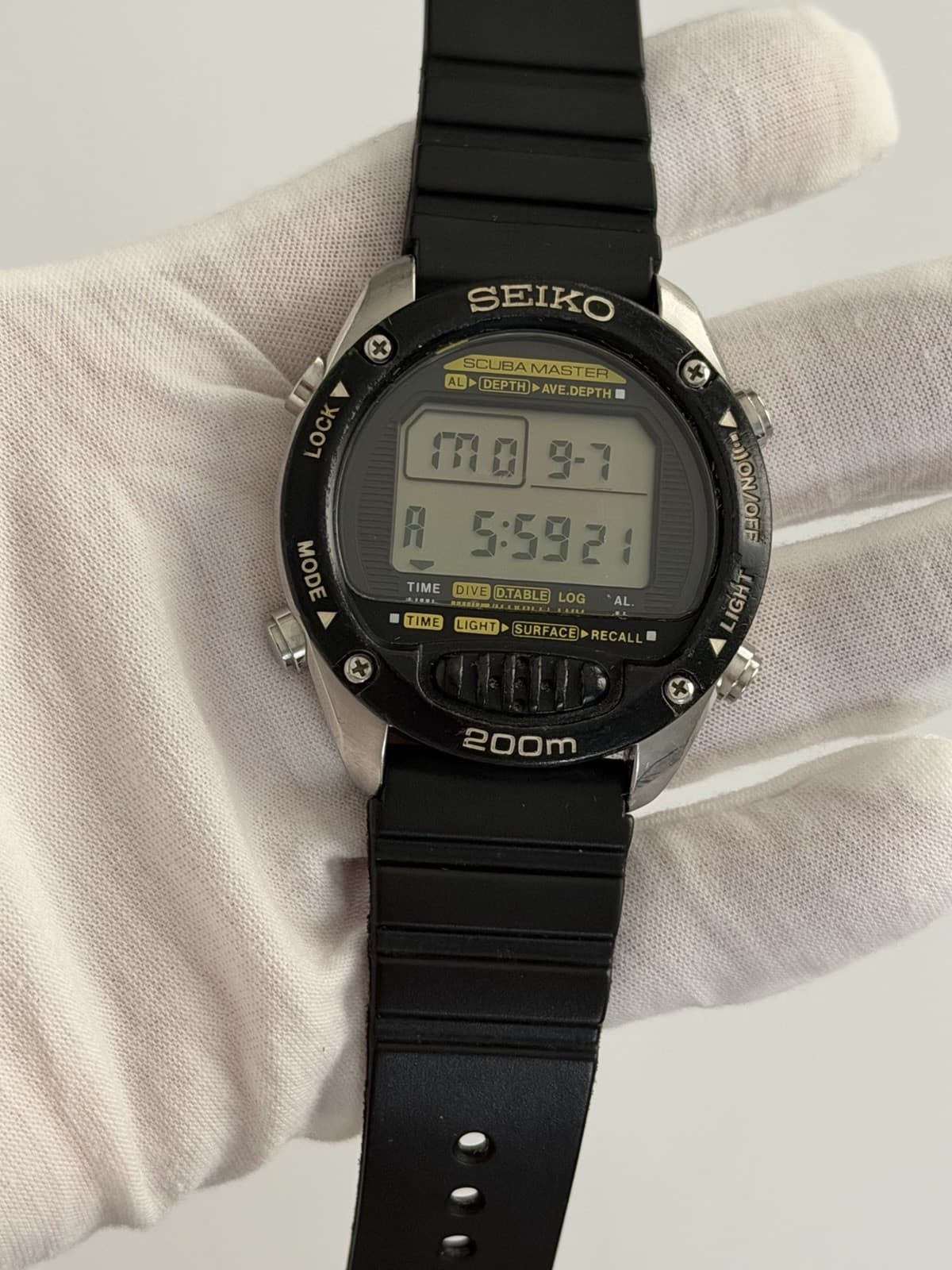
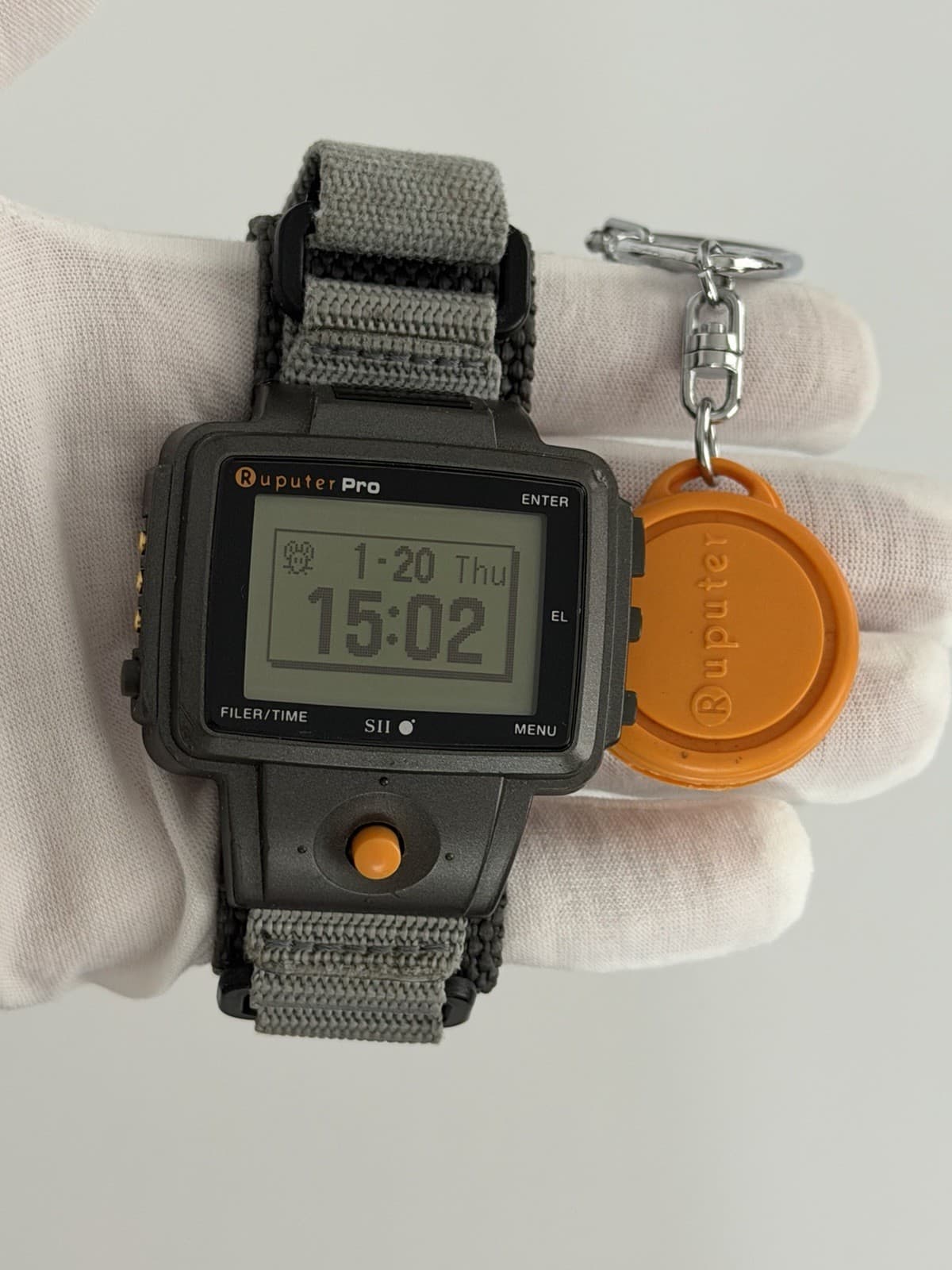
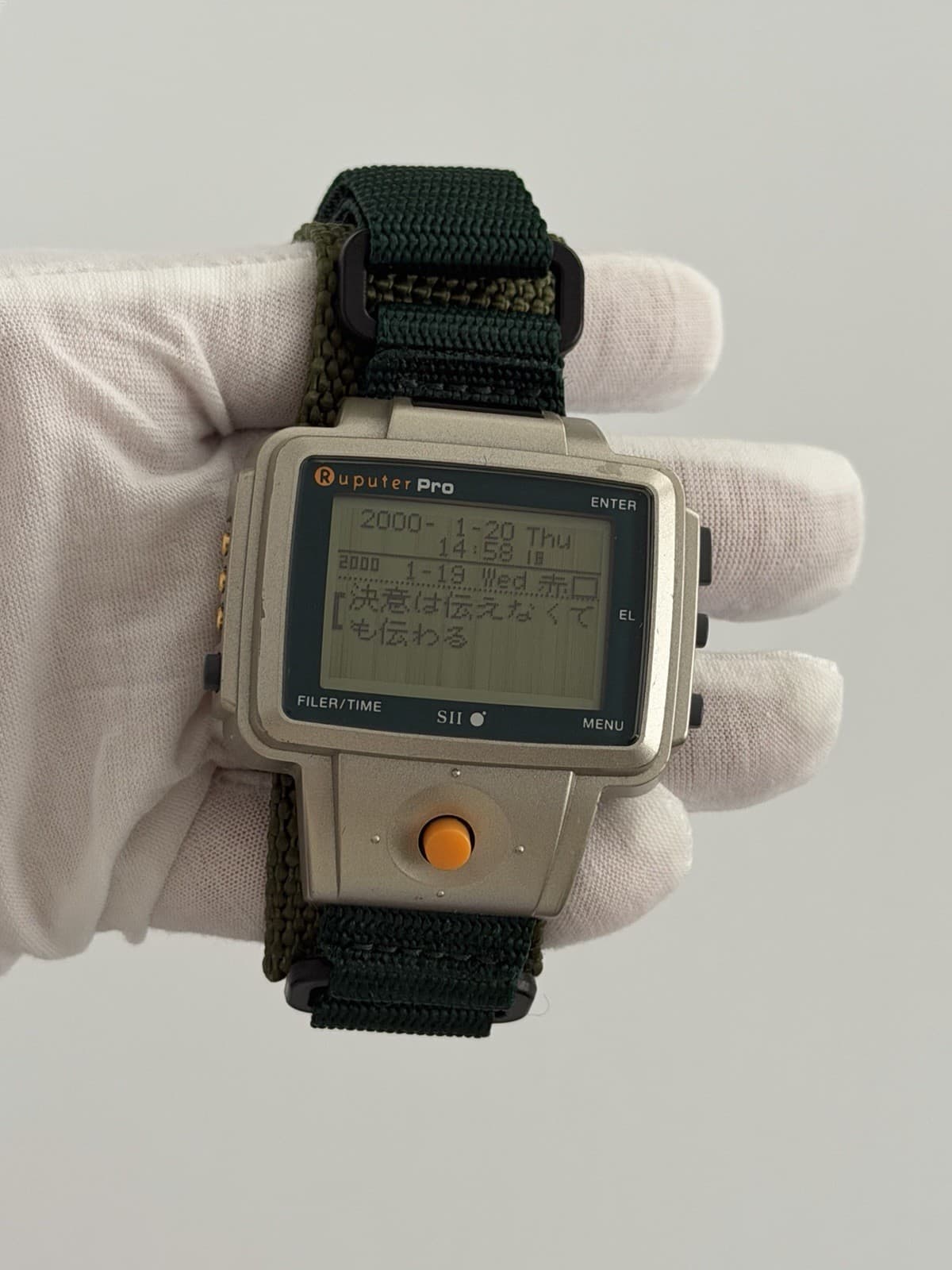
- Seiko Ruputer Pro Men’s Vintage Digital Computer Smart Watch JDM 1990s — 3 available
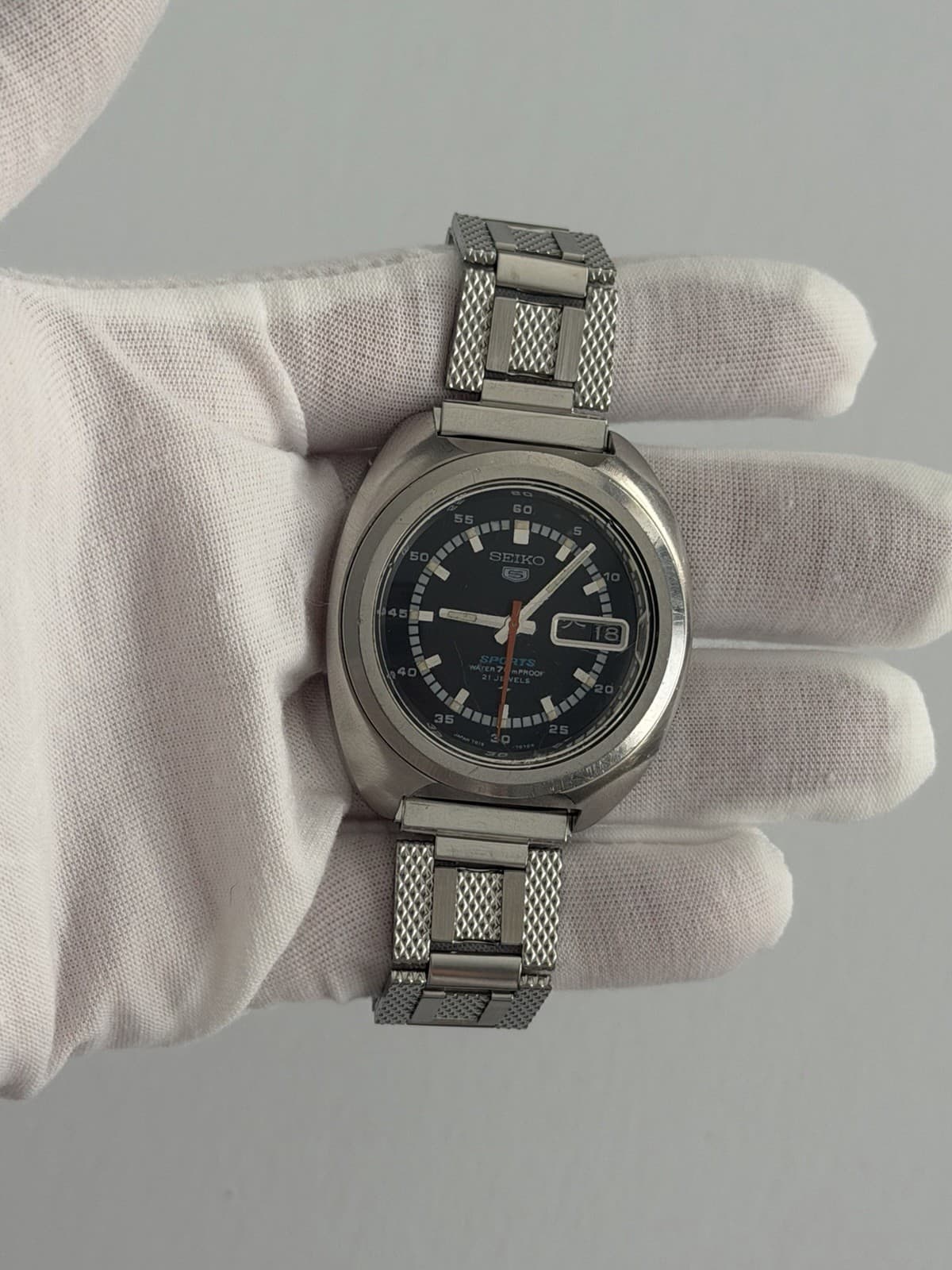
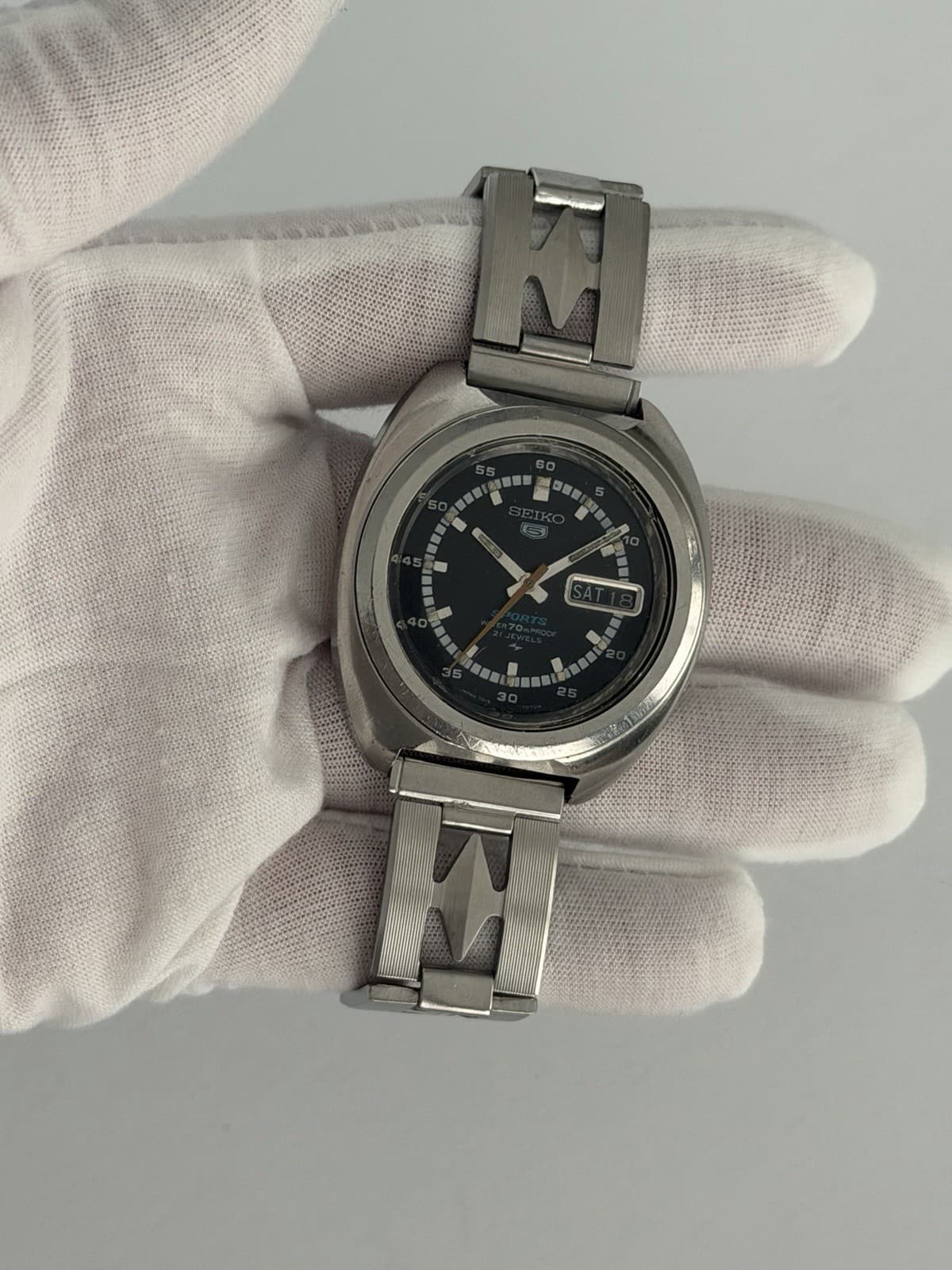
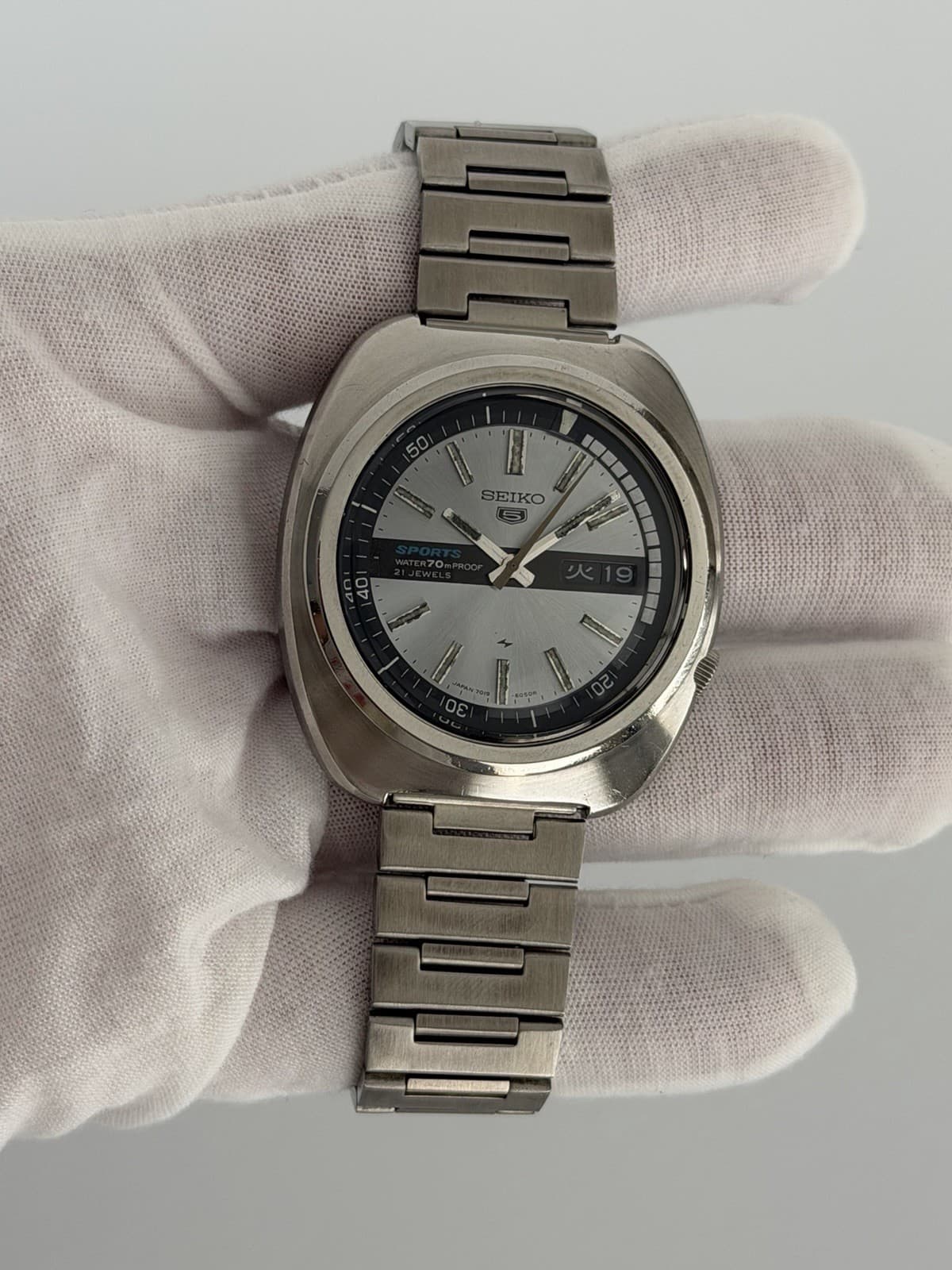
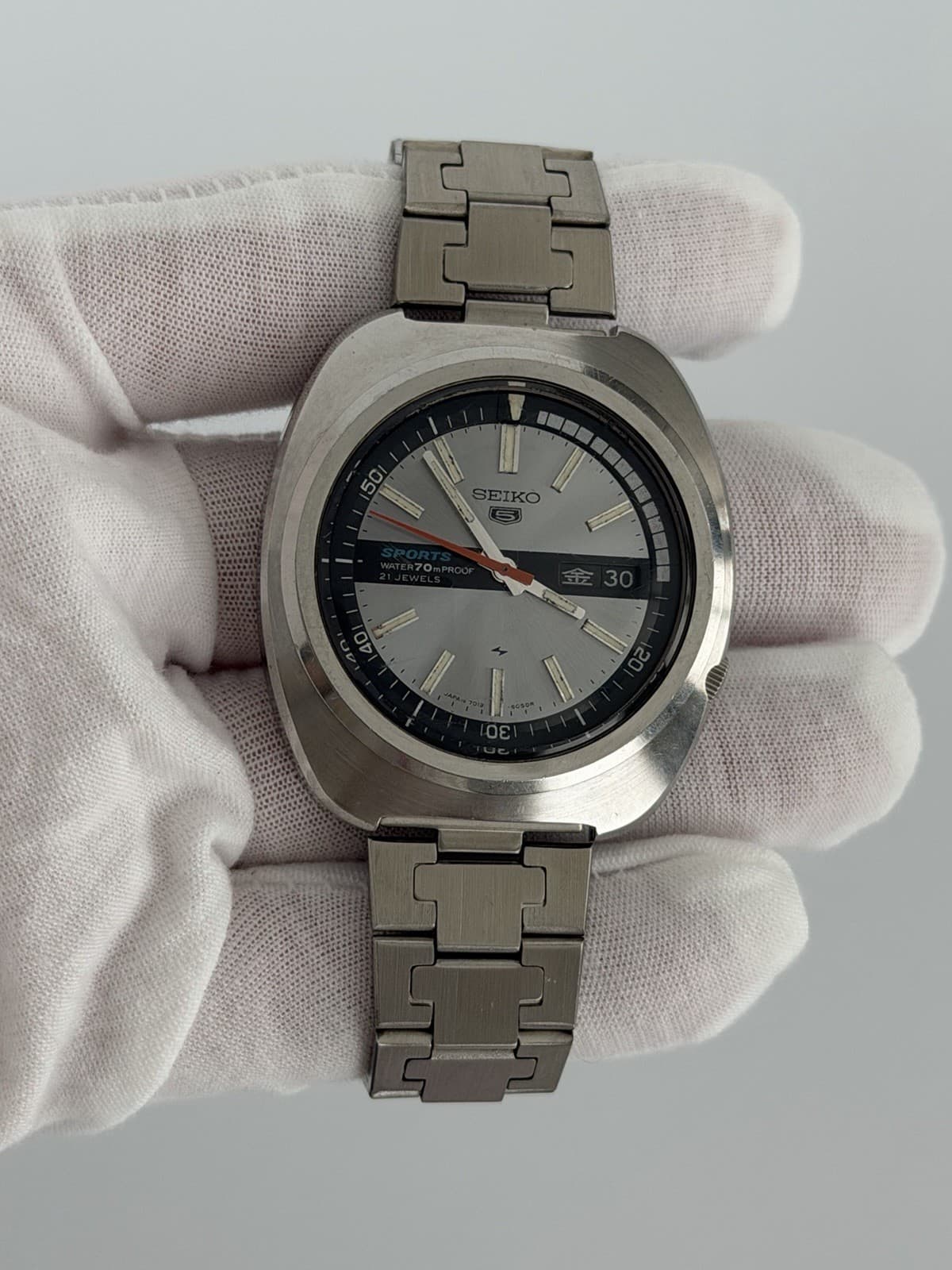
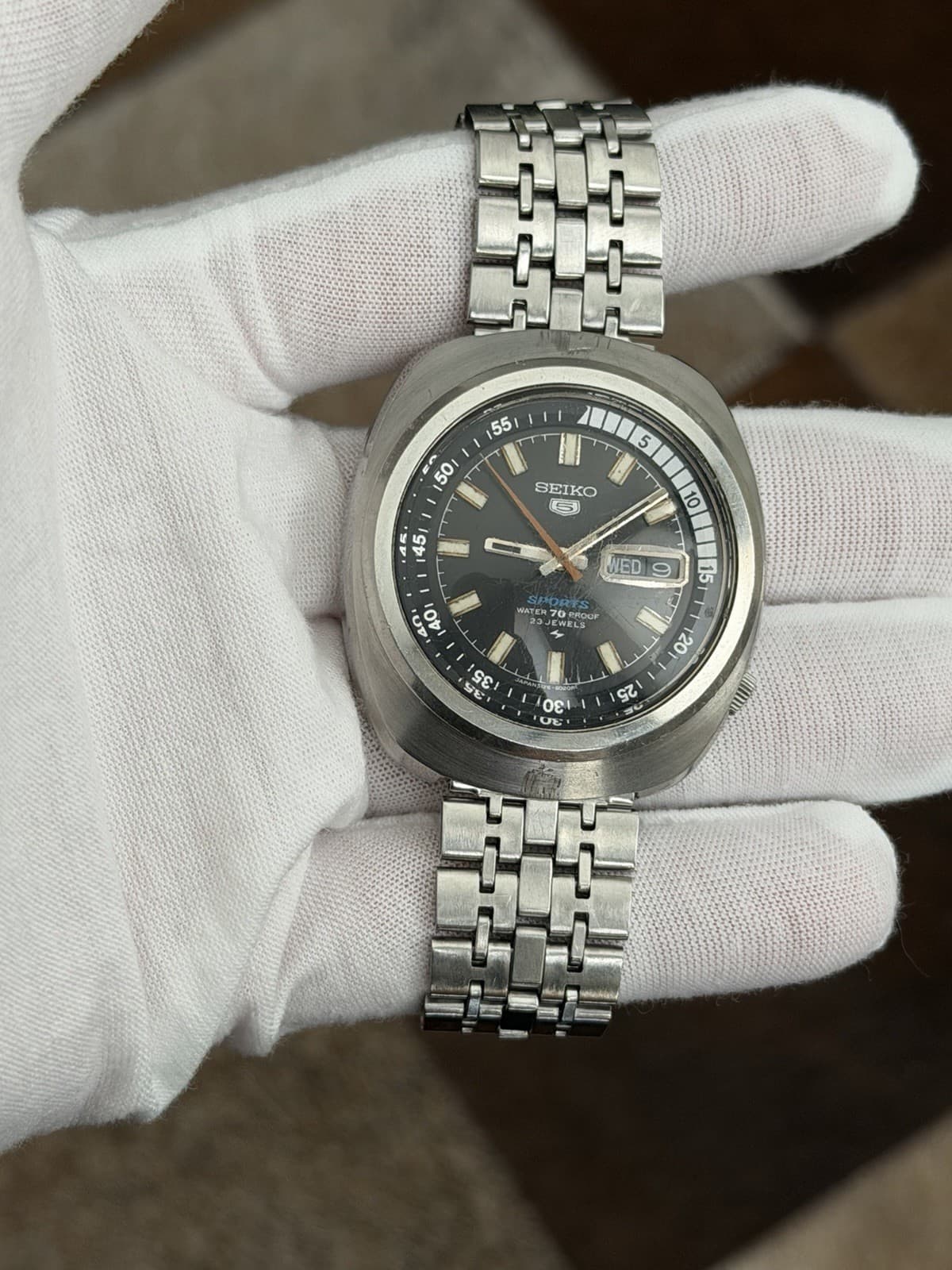
- Seiko 5 Sports 7019-6030 Men’s Vintage Automatic Classic Sports Watch JDM 1970s — 2 available
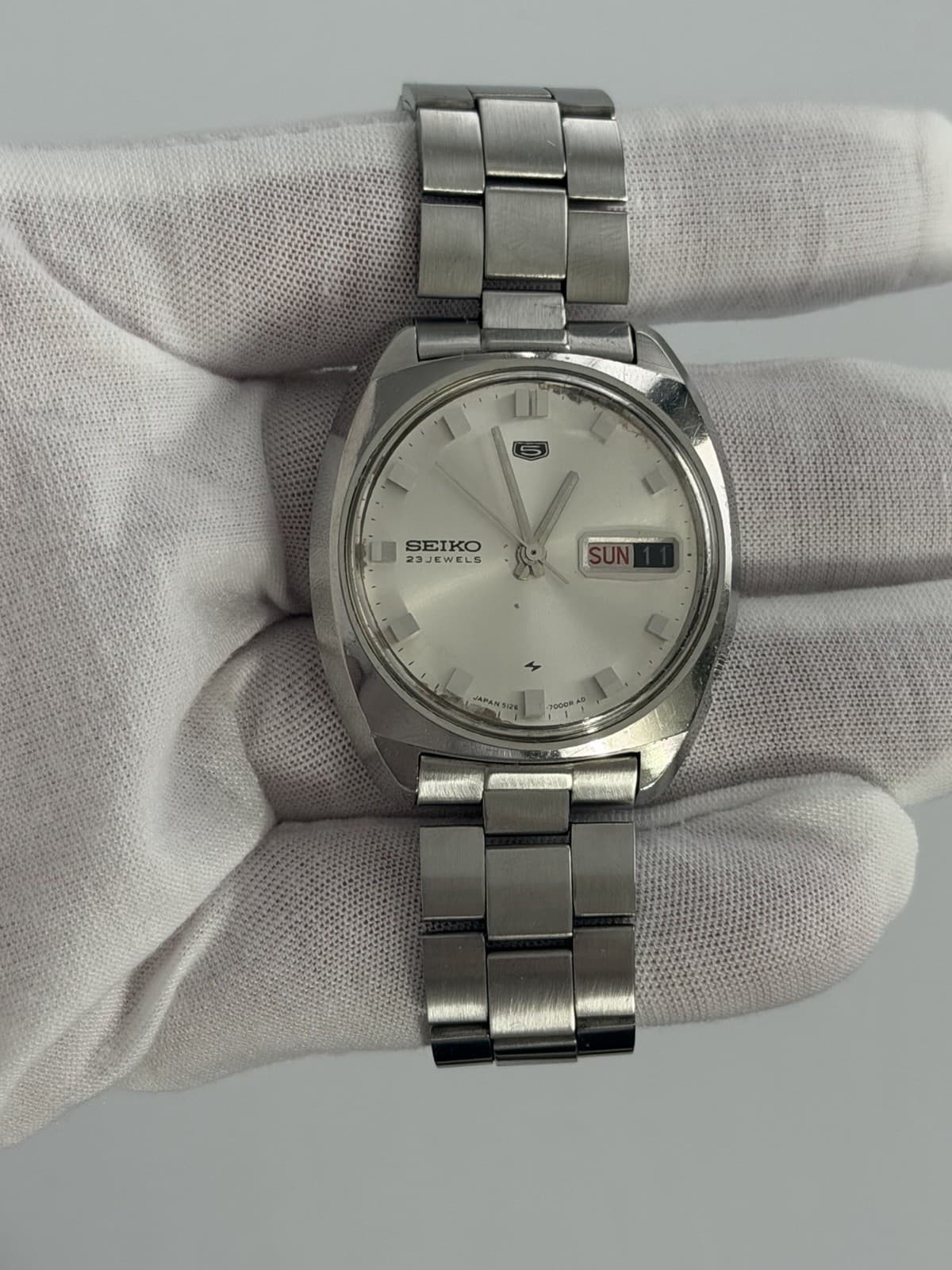
- Seiko 5 5126-7030 Men’s Vintage 23J Automatic Dress Sports Watch JDM 1960s — 4 available
- Seiko 5 Sports 7019-7050 Men’s Vintage Automatic Classic Sports Watch JDM 1970s — 4 available
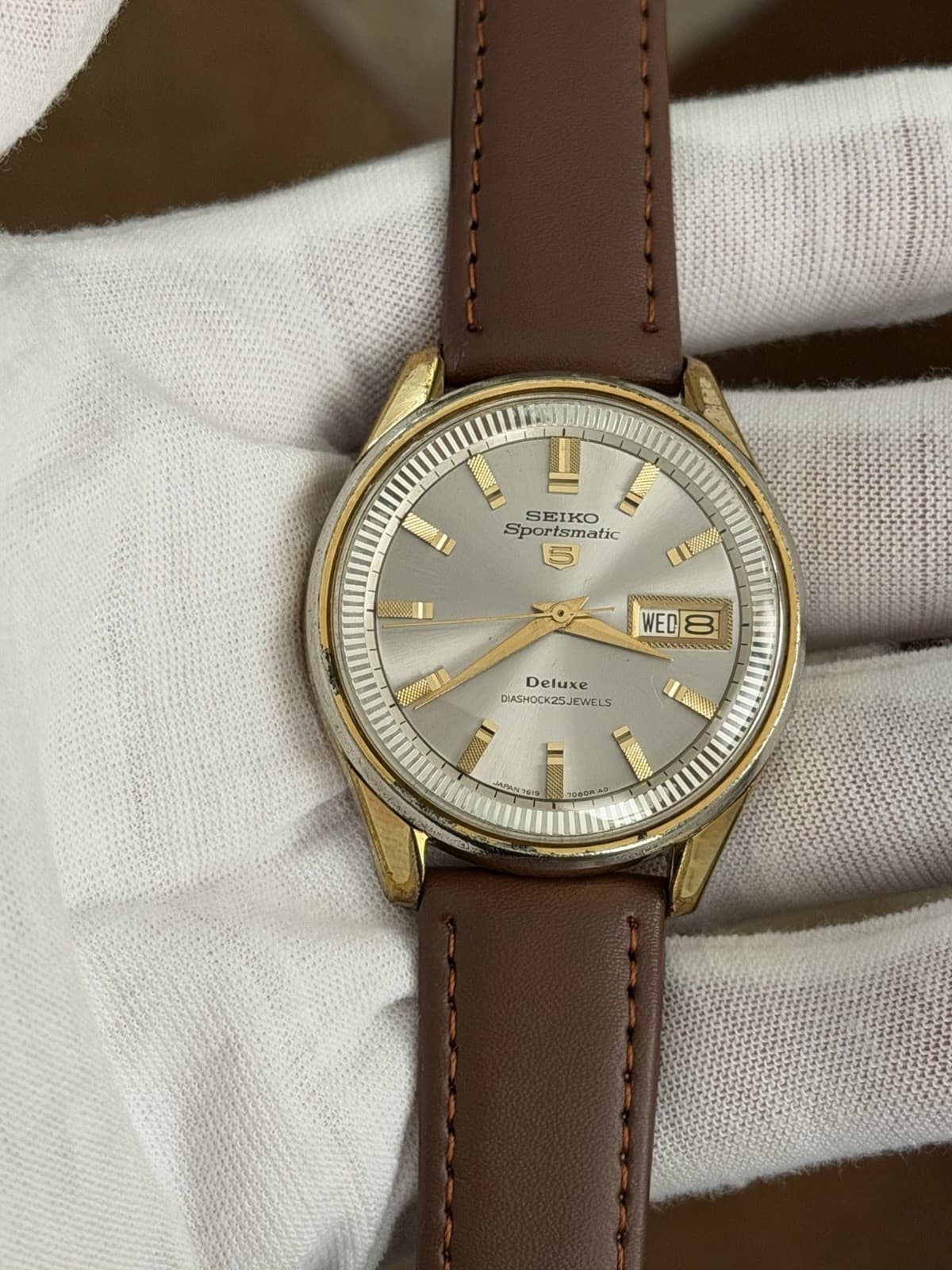
- Seiko Sportsmatic Calendar 7625-8961 Men’s Vintage Automatic Dress Watch JDM 60s — 3 available
- Seiko 5 Sports 5126-6010 Men’s Vintage 23J Automatic Sports Watch JDM 1960s — 3 available
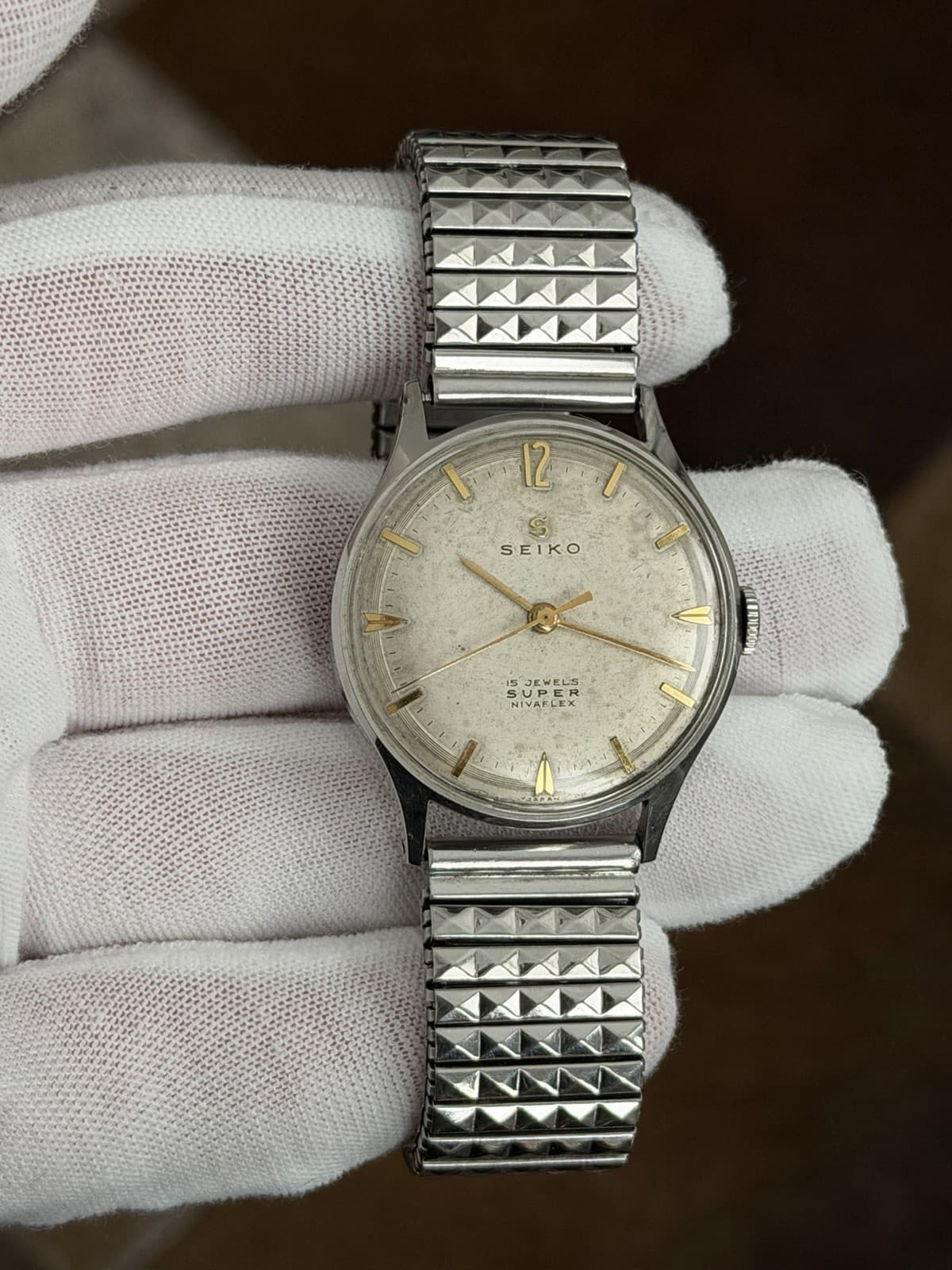
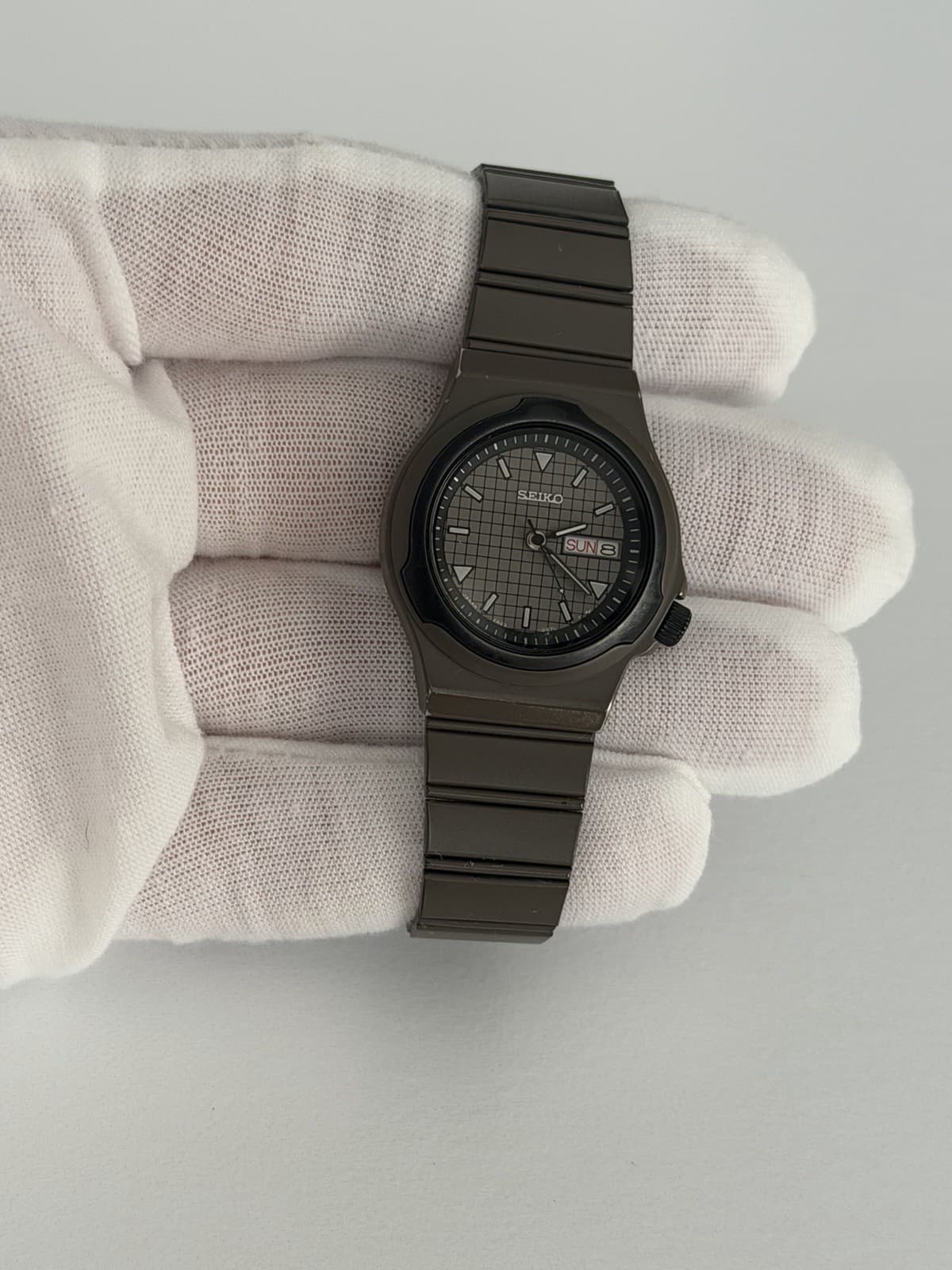
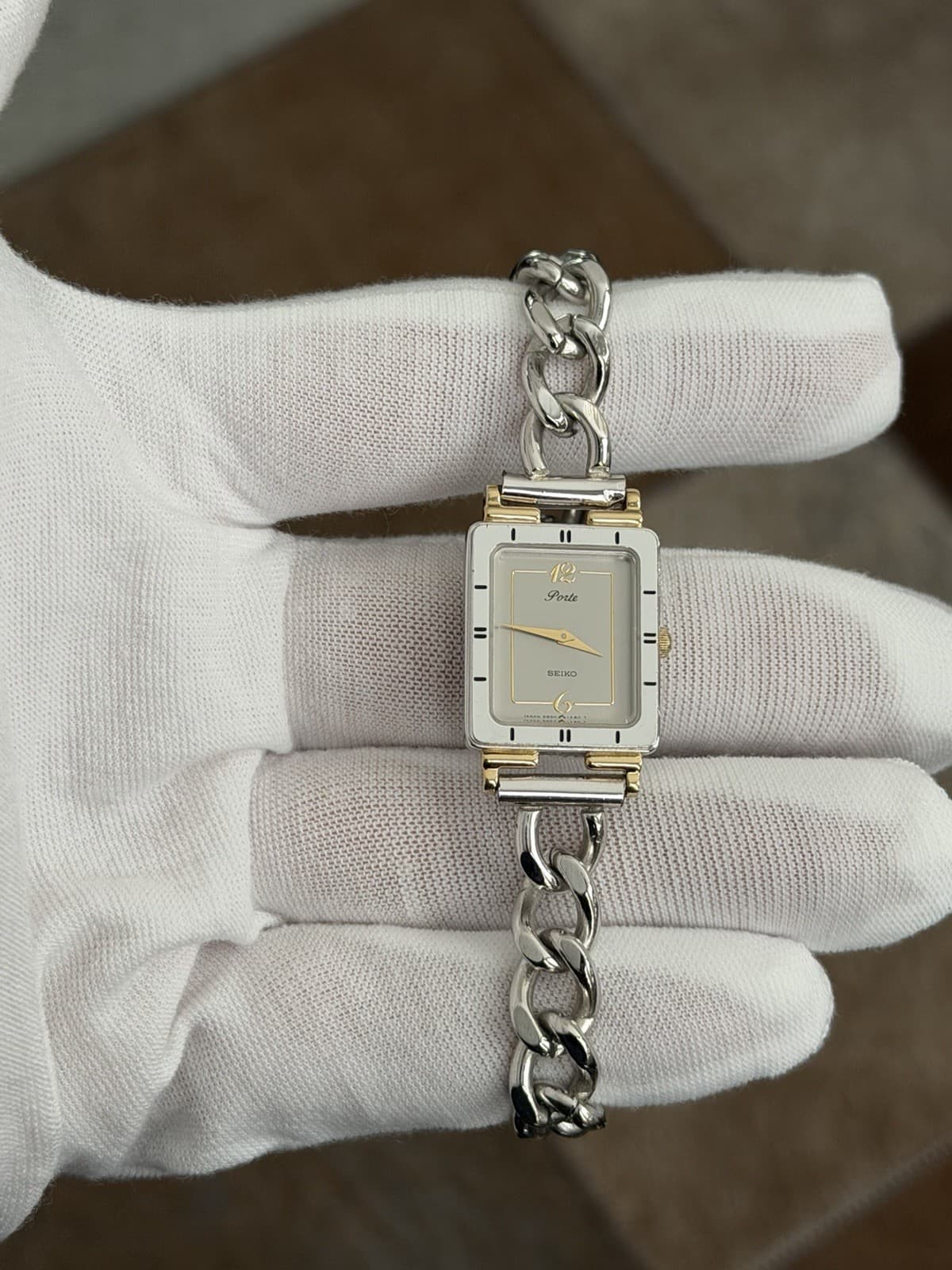
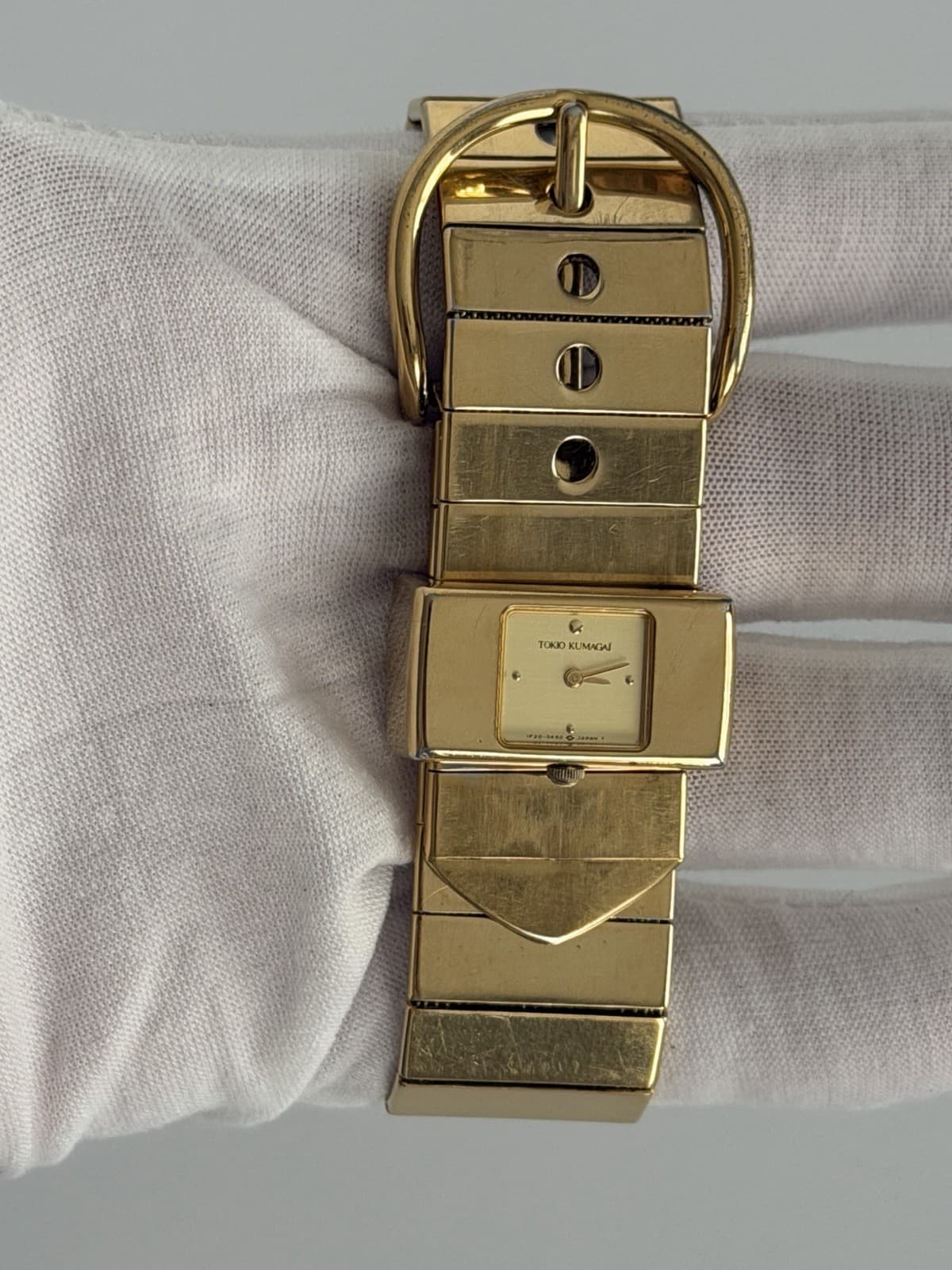
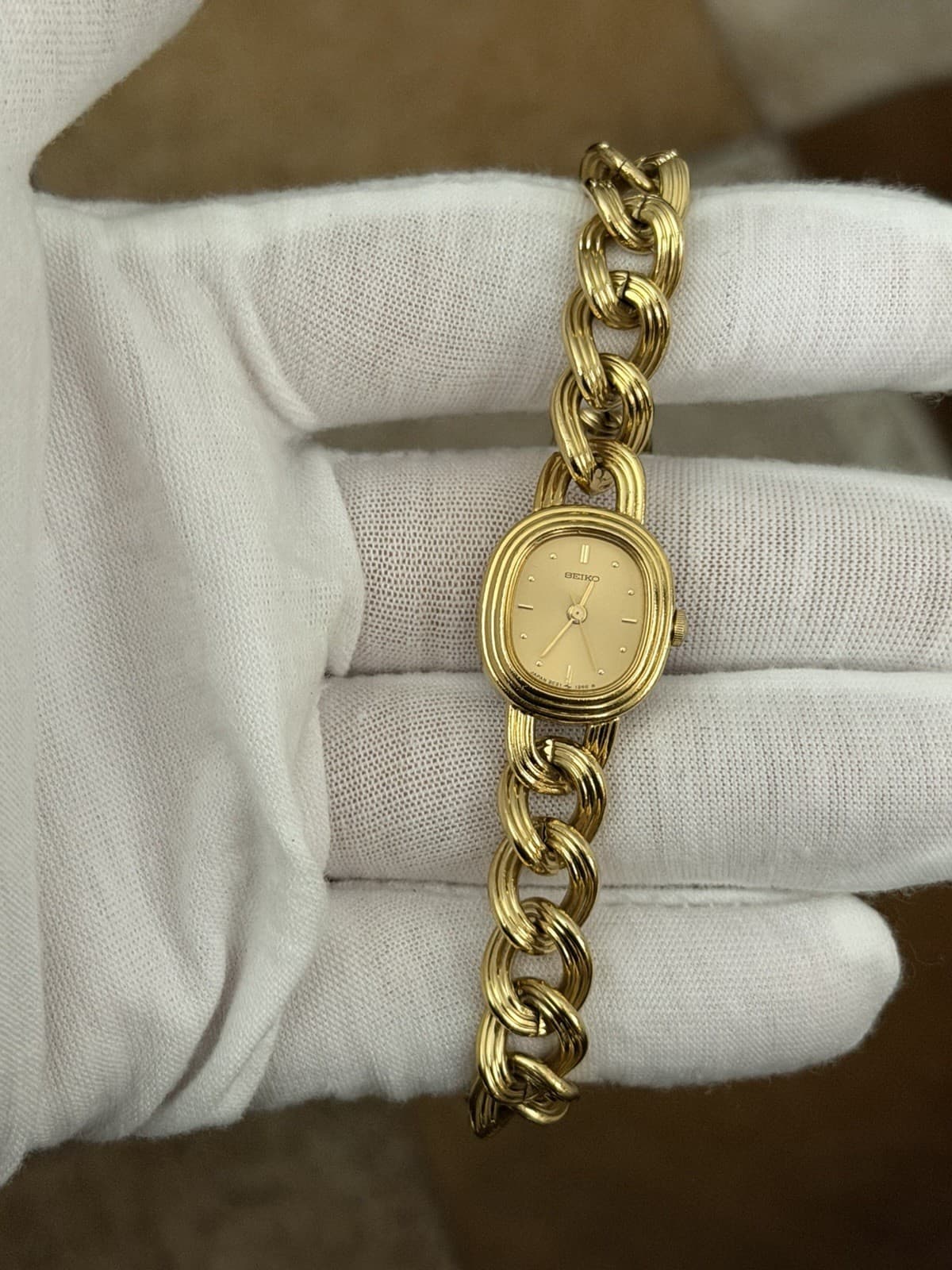
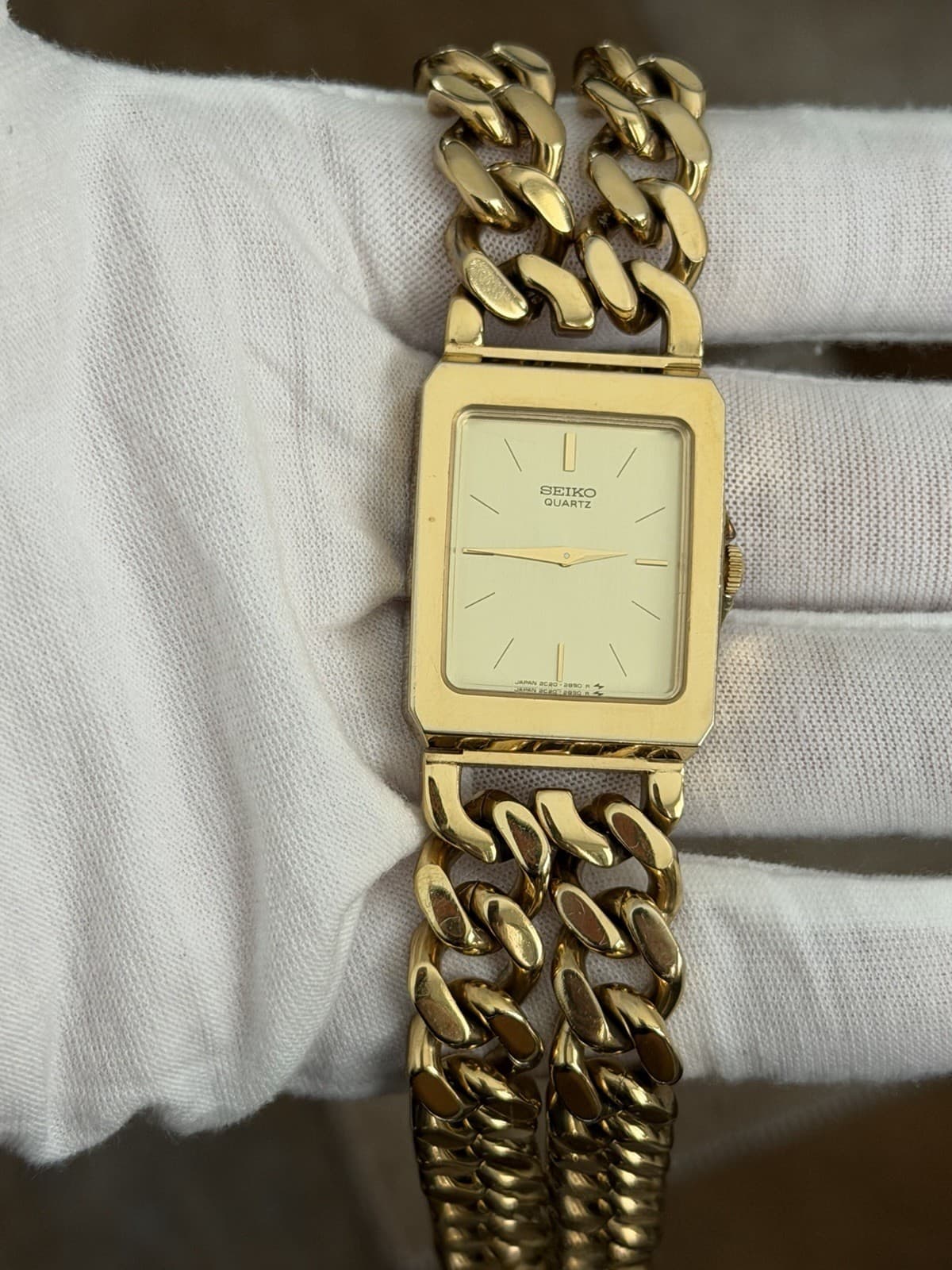
- Seiko 2C21-5510 Vintage Fancy Classic Bracelet Dress Watch JDM 1980s — 2 available
The Seiko Story
Seiko begins with Kintaro Hattori, who opened a shop selling and repairing clocks and watches in Tokyo's Ginza district in 1881. He established the Seikosha factory in 1892, produced Japan's first wristwatch in 1913, and placed the Seiko name on a watch for the first time in 1924. From the beginning, the company brought machining, assembly, and much of its exterior-parts production under common control. That manufacturing depth—not one famous model or technology—became the foundation of Seiko's unusually varied catalog.
Postwar rebuilding turned that foundation into two principal production bases, Suwa Seikosha and Daini Seikosha. Their internal competition pushed Seiko from dependable mass production into high-grade mechanics, while strong results in Swiss observatory trials proved Japanese movements could compete at the highest level. At the same time, affordable self-winding day-date watches and the company's role as official timer of the 1964 Tokyo Olympics carried Seiko into markets around the world. Prestige and volume were not separate histories; both depended on designing, industrializing, and refining movements quickly.
Electronic accuracy developed beside mechanics, not after it. Seiko's experience with quartz clocks and sports timing led its engineers to shrink oscillators, integrated circuits, and motors until they could fit on the wrist. On December 25, 1969, Seiko introduced the first commercially sold quartz wristwatch; that same year it also brought an automatic chronograph to market. The coincidence captures Seiko better than either achievement alone: the company was pursuing a complex mechanical mechanism and a radically new electronic system at the same time.
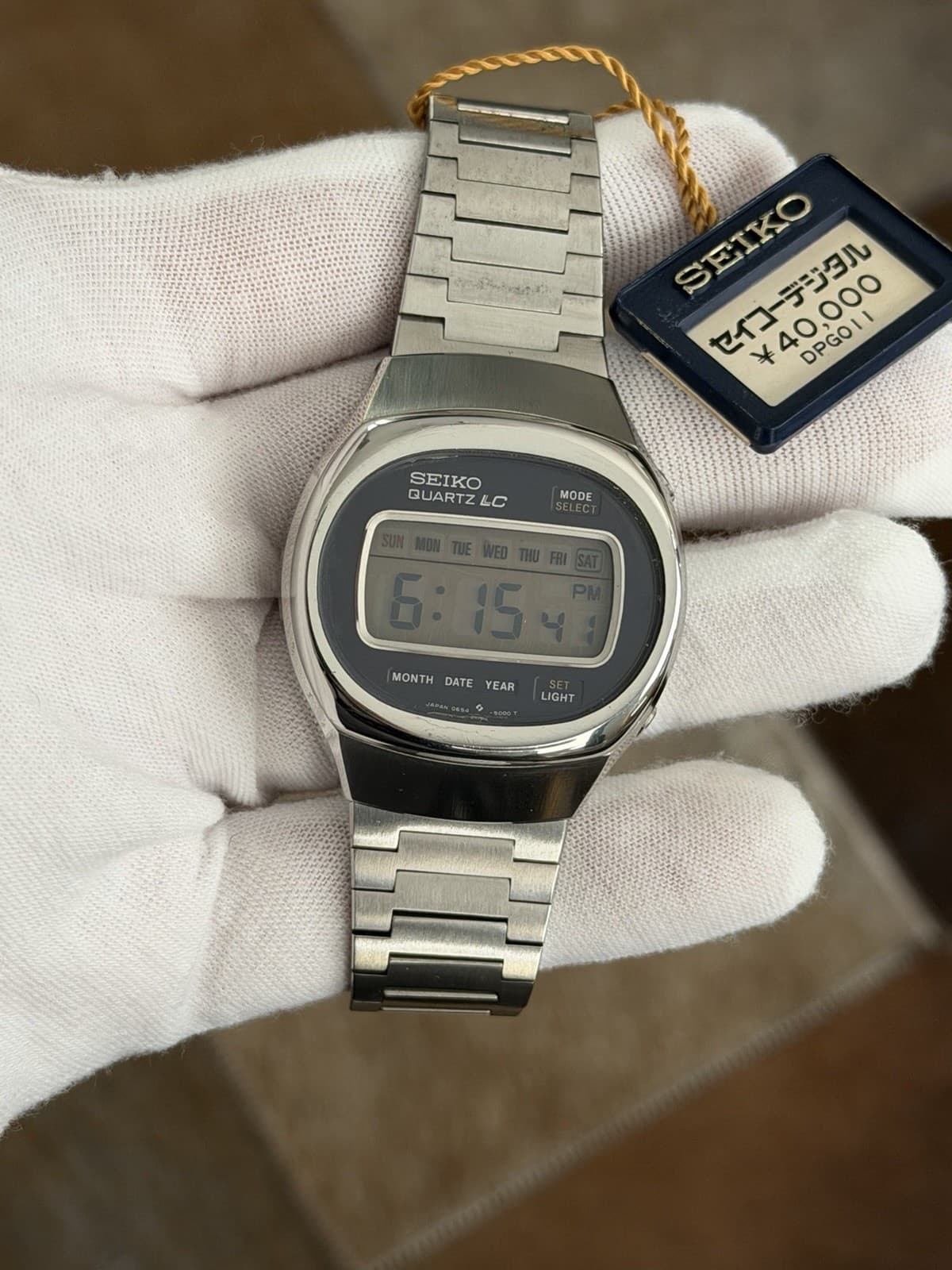
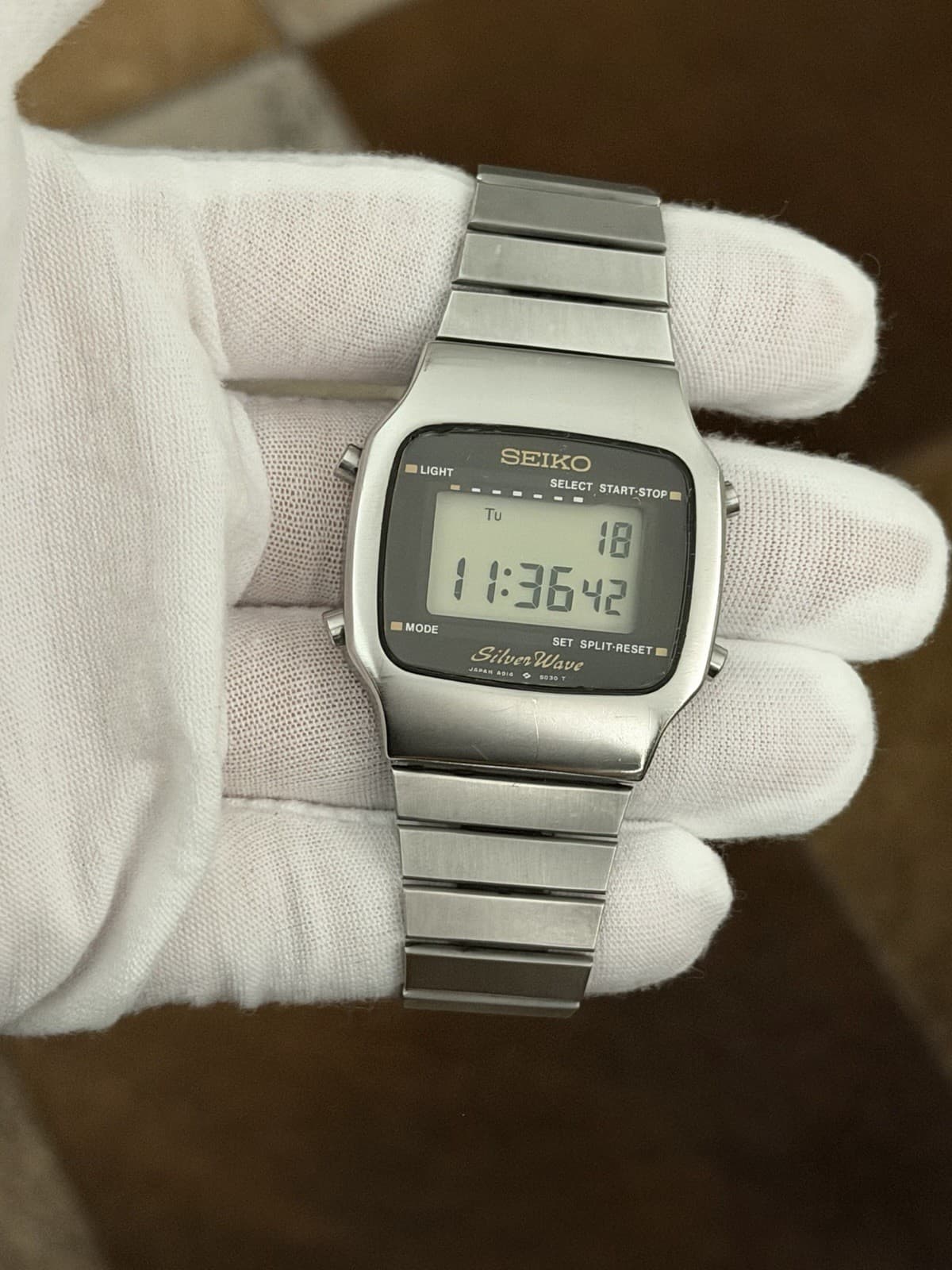
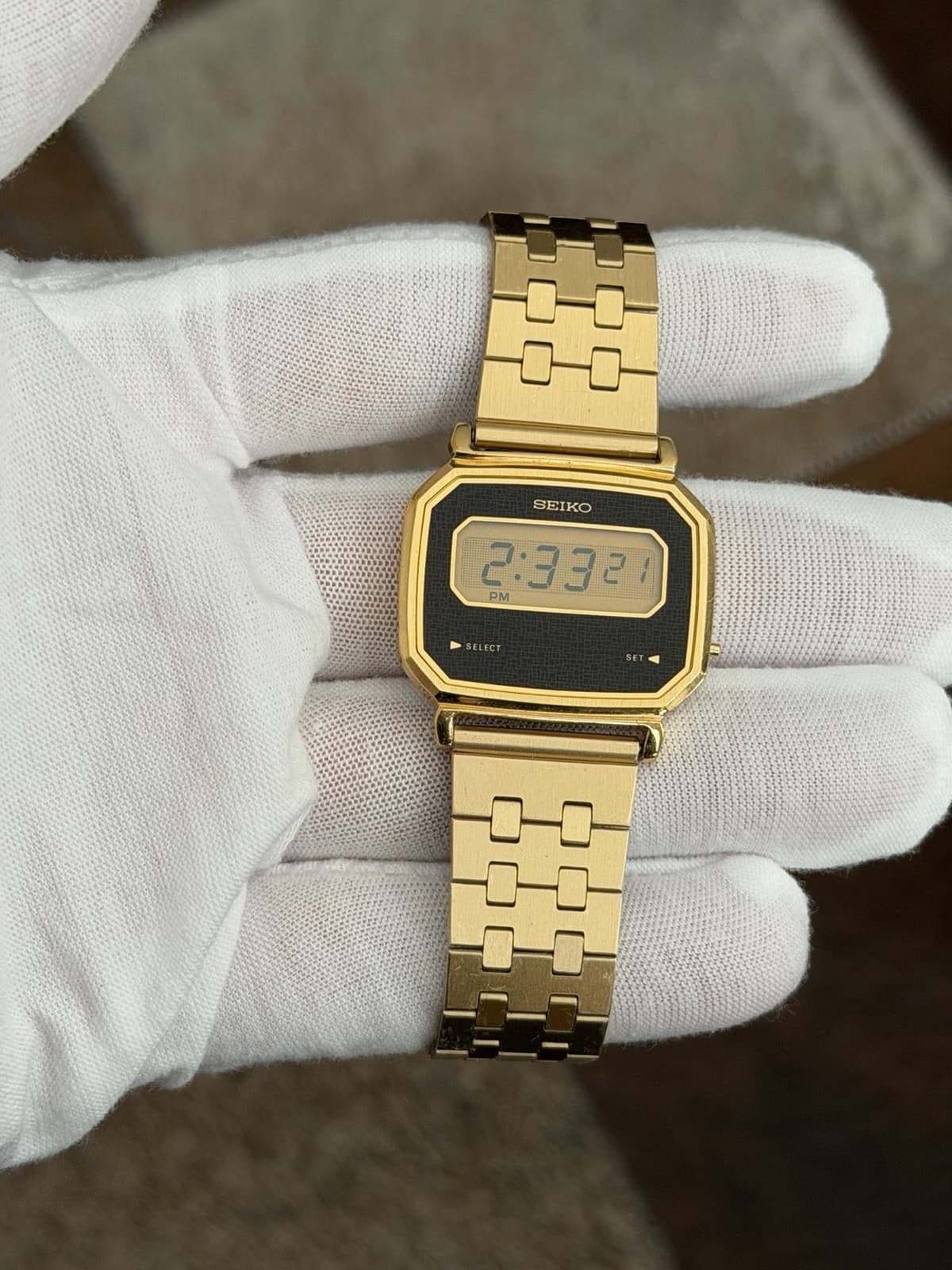
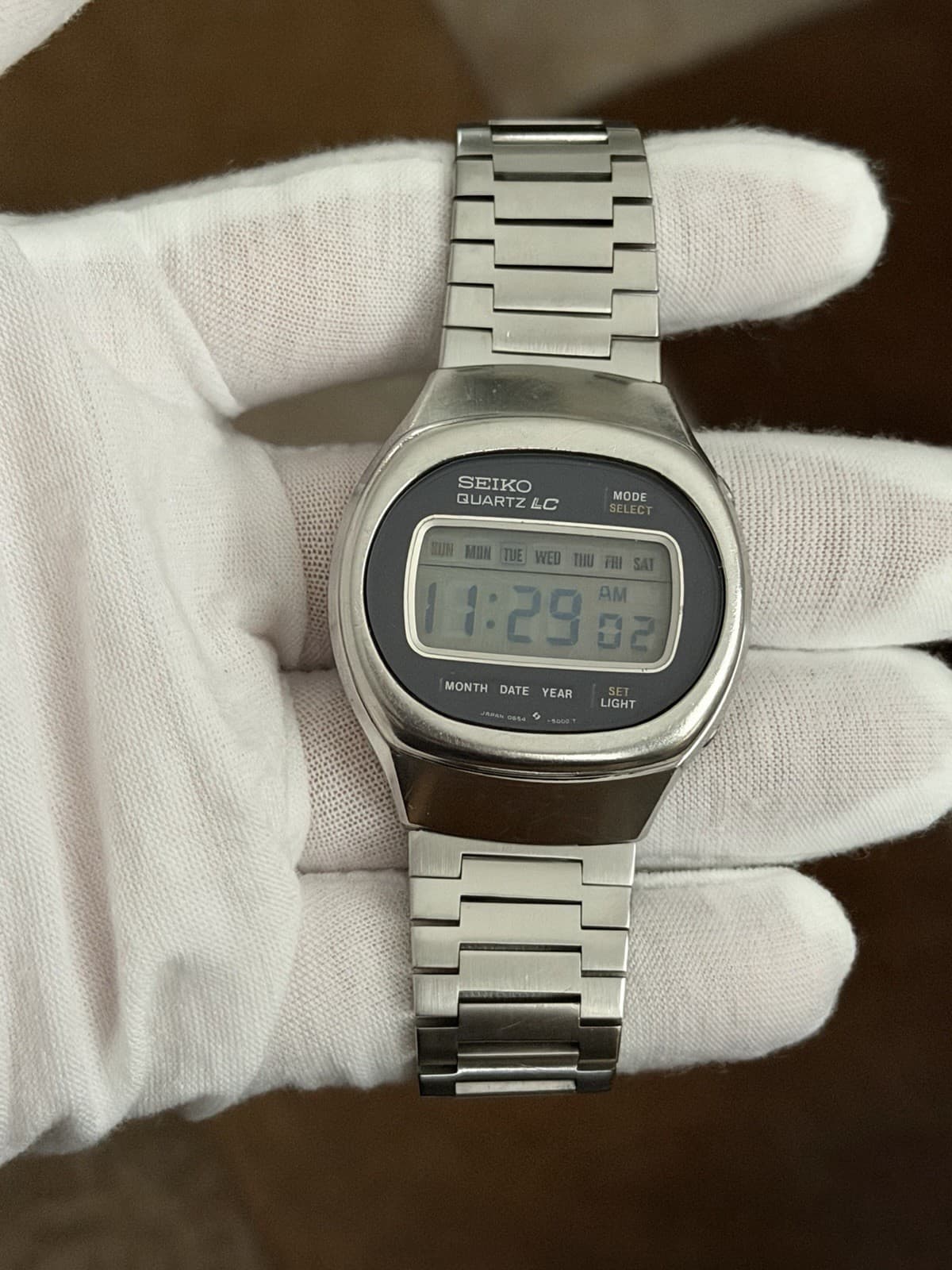
Seiko soon moved from analog quartz hands to electronic displays. In 1973 it released the first wristwatch with a six-digit field-effect LCD, continuously showing hours, minutes, and seconds with far lower power consumption than contemporary LED displays. In 1975 it added chronograph and lap-time functions to digital quartz, followed by alarms, calendars, world time, calculators, and increasingly capable sports modules. Efficient displays and low-power CMOS circuits let a watch calculate, store, and present information that a conventional mechanical movement could not.
During the 1980s, Seiko treated the wrist as a place for information as well as time. Its 1982 TV watch paired a wrist display with a pocket tuner and headphones; a voice-recording watch followed in 1983, and a 1984 computer watch accepted data from an external keyboard and could run BASIC programs. Analog-digital hybrids and sensor watches brought the same thinking to practical uses, measuring depth, pressure, temperature, direction, and other environmental data. These experiments did not all become mainstream, but they anticipated the wrist-worn displays and personal devices that followed decades later.
Electronic experimentation never displaced Seiko's tool-watch or mechanical traditions. The company continued developing professional and affordable divers, chronographs, dress watches, and everyday automatics while its quartz range expanded from inexpensive mass-market pieces to exceptionally accurate high-end movements. Mechanical, analog quartz, digital, and ana-digi technologies often served the same practical goals from different directions: legibility, durability, accuracy, and useful information on the wrist. That coexistence is why Seiko's vintage catalog resists being reduced to one era, movement type, or price level.
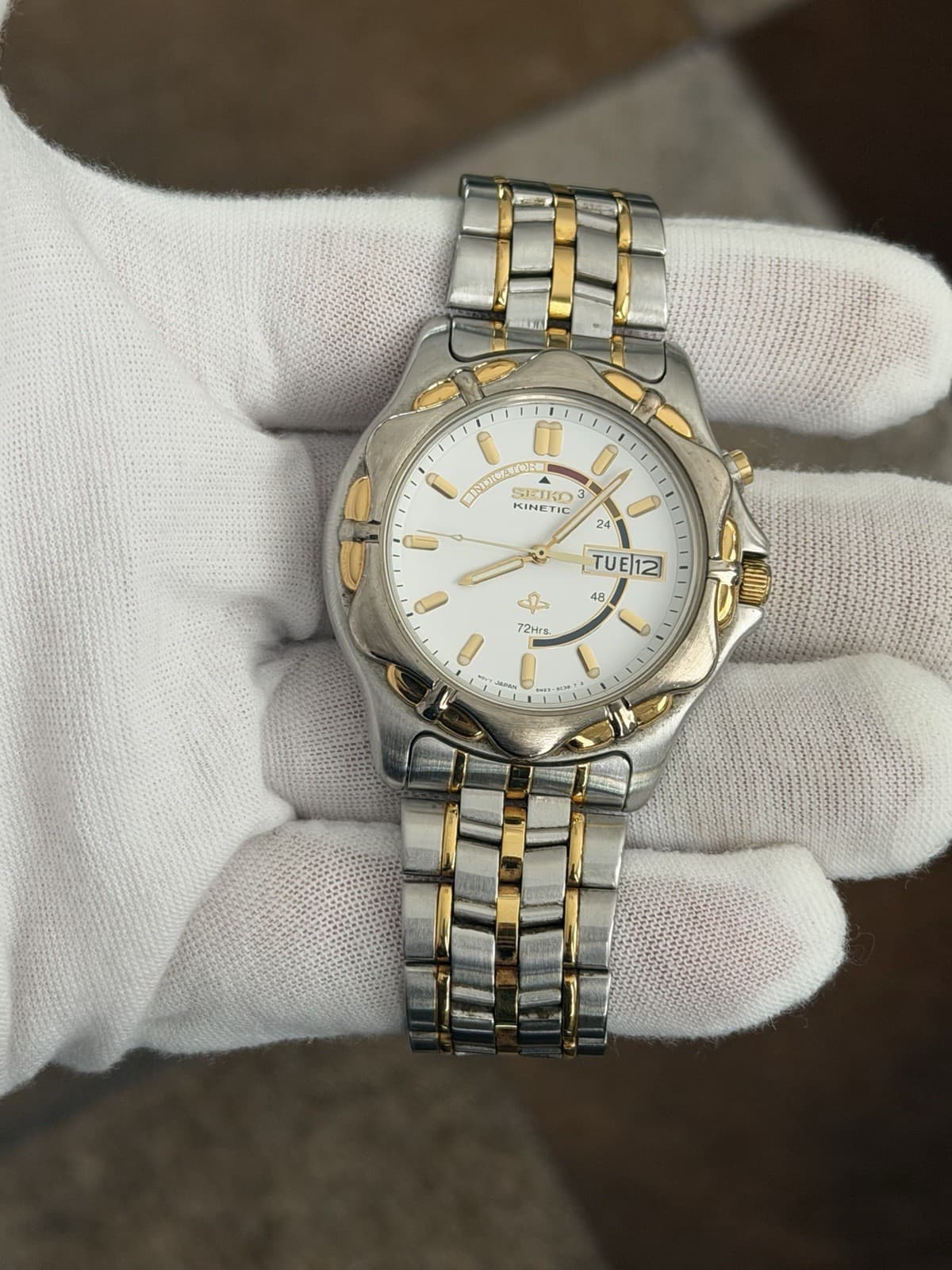
Seiko also kept questioning how an electronic watch should be powered and controlled. Solar models appeared in 1977; the Automatic Generating System introduced in 1988, later called Kinetic, turned wrist motion into electricity for a quartz regulator; and Spring Drive, commercialized in 1999, combined a mainspring and mechanical gear train with quartz-referenced electronic regulation. Electronic-paper displays followed in 2006, and GPS-controlled solar timekeeping in 2012. These technologies complicate the simple story that quartz replaced mechanics: at Seiko, mechanical, electronic, digital, and hybrid systems continued to develop side by side.
For collectors, that breadth is both the appeal and the challenge. Most case-back serial numbers indicate a year within a decade and a production month, but they must be read with the caliber-and-case code because the decade is not stated outright. On mechanical watches, prioritize original external parts and competent service; on analog quartz, inspect the circuit, coil, and battery compartment; on digital and ana-digi pieces, test every display segment, button, alarm, light, and sensor, and look for LCD, polarizer, resin, or battery-terminal damage. Common mechanical calibers can be straightforward to maintain, while scarce electronic modules may require donor parts, so condition matters across every branch of vintage Seiko.