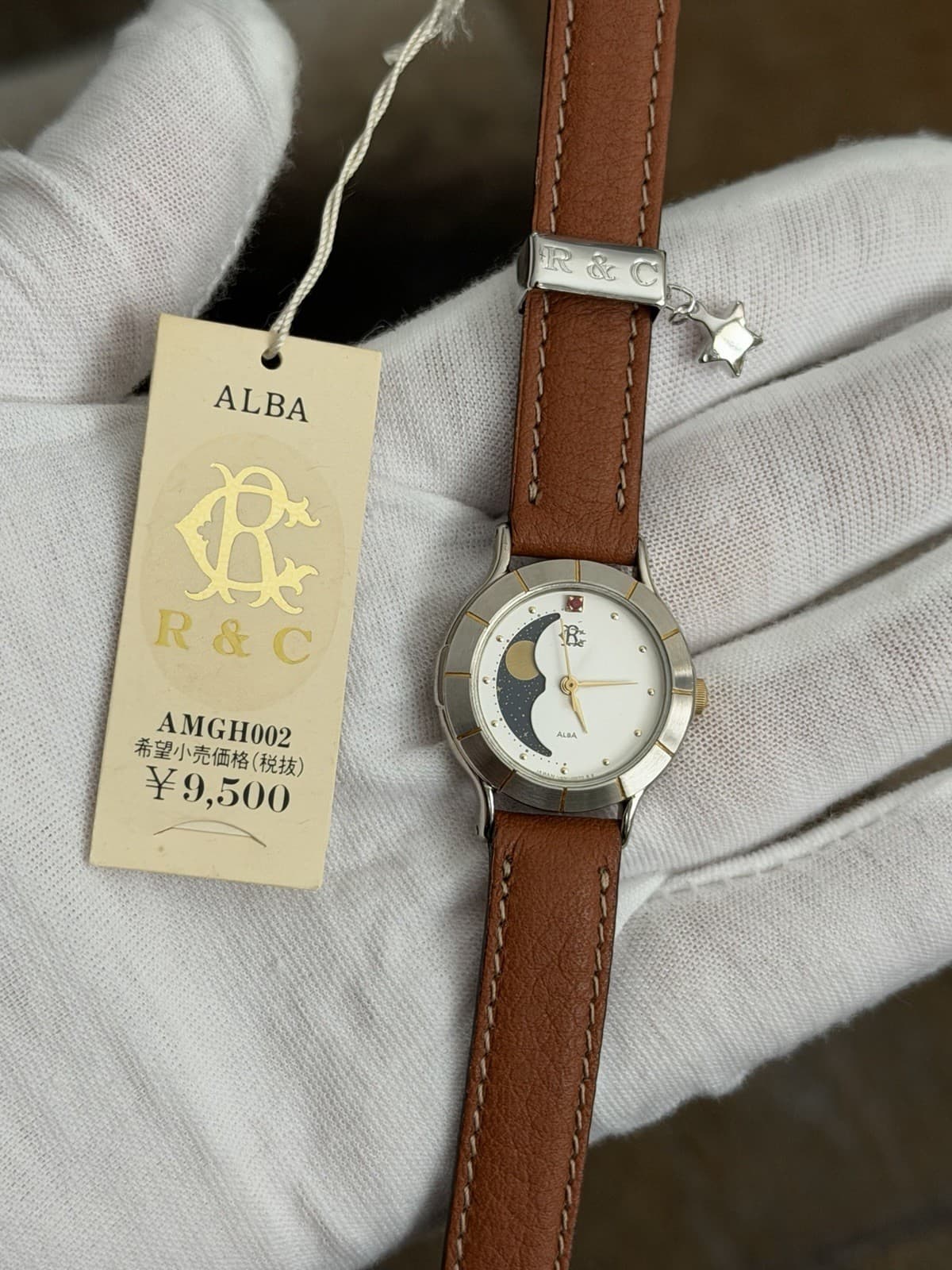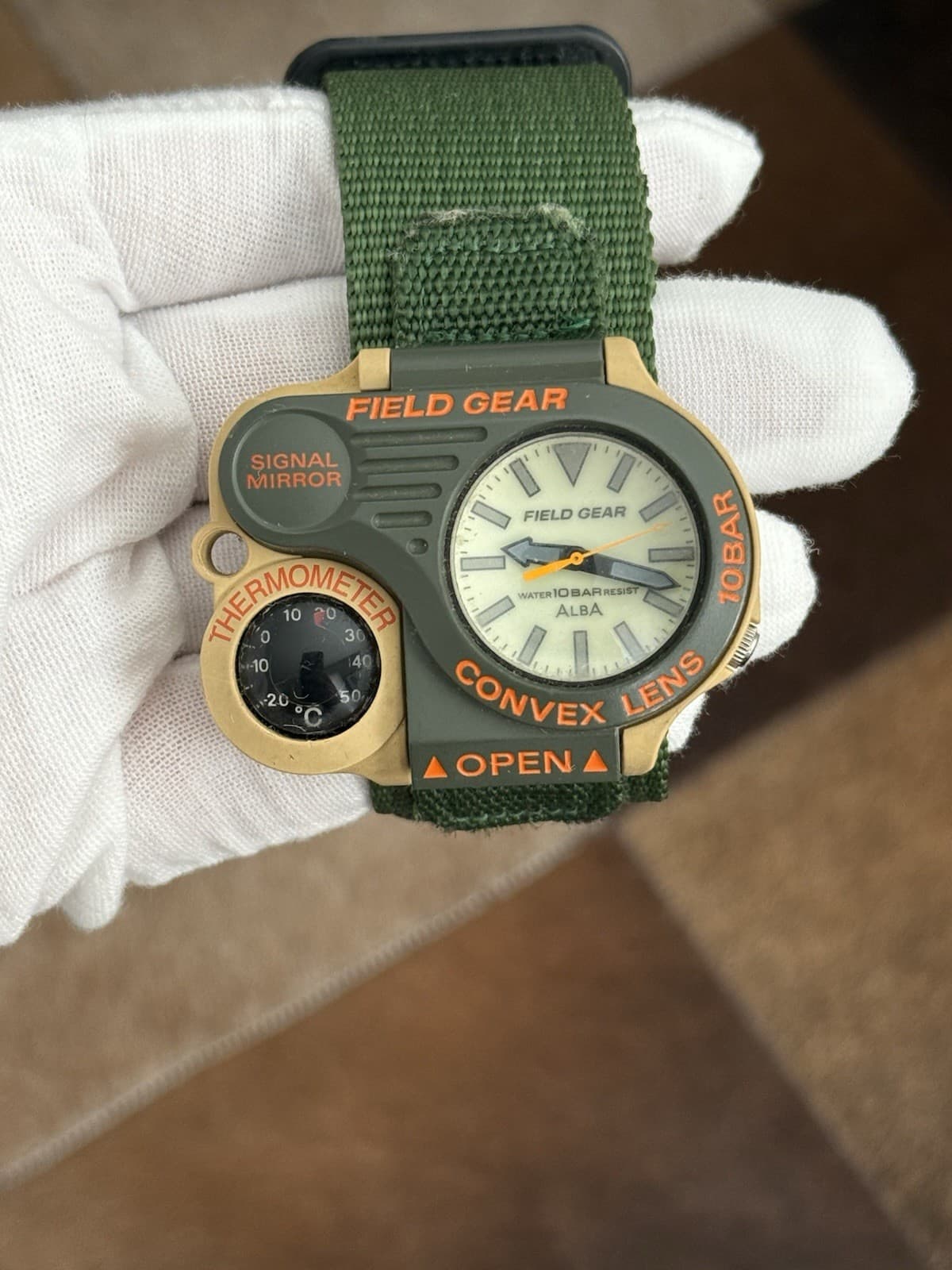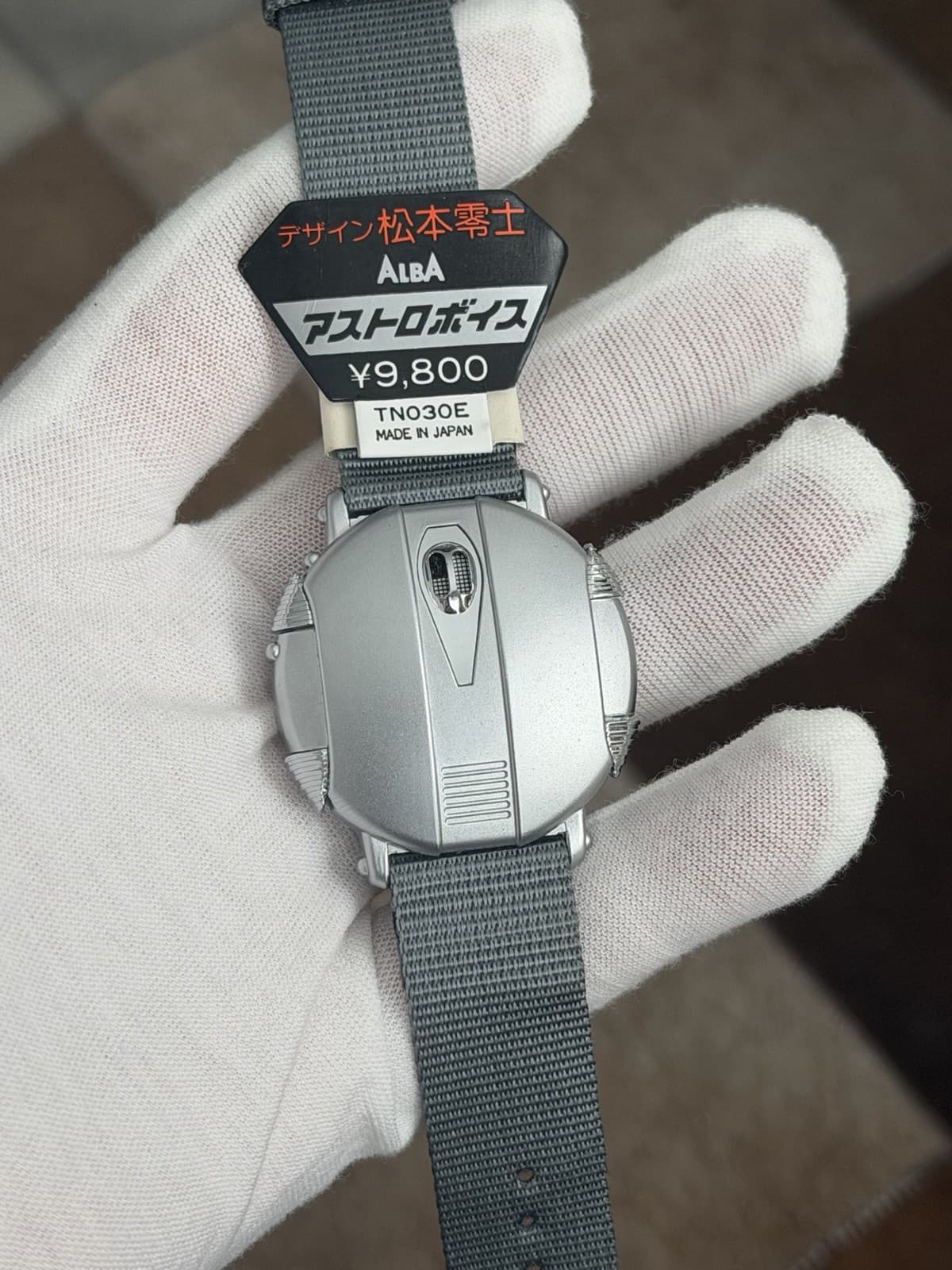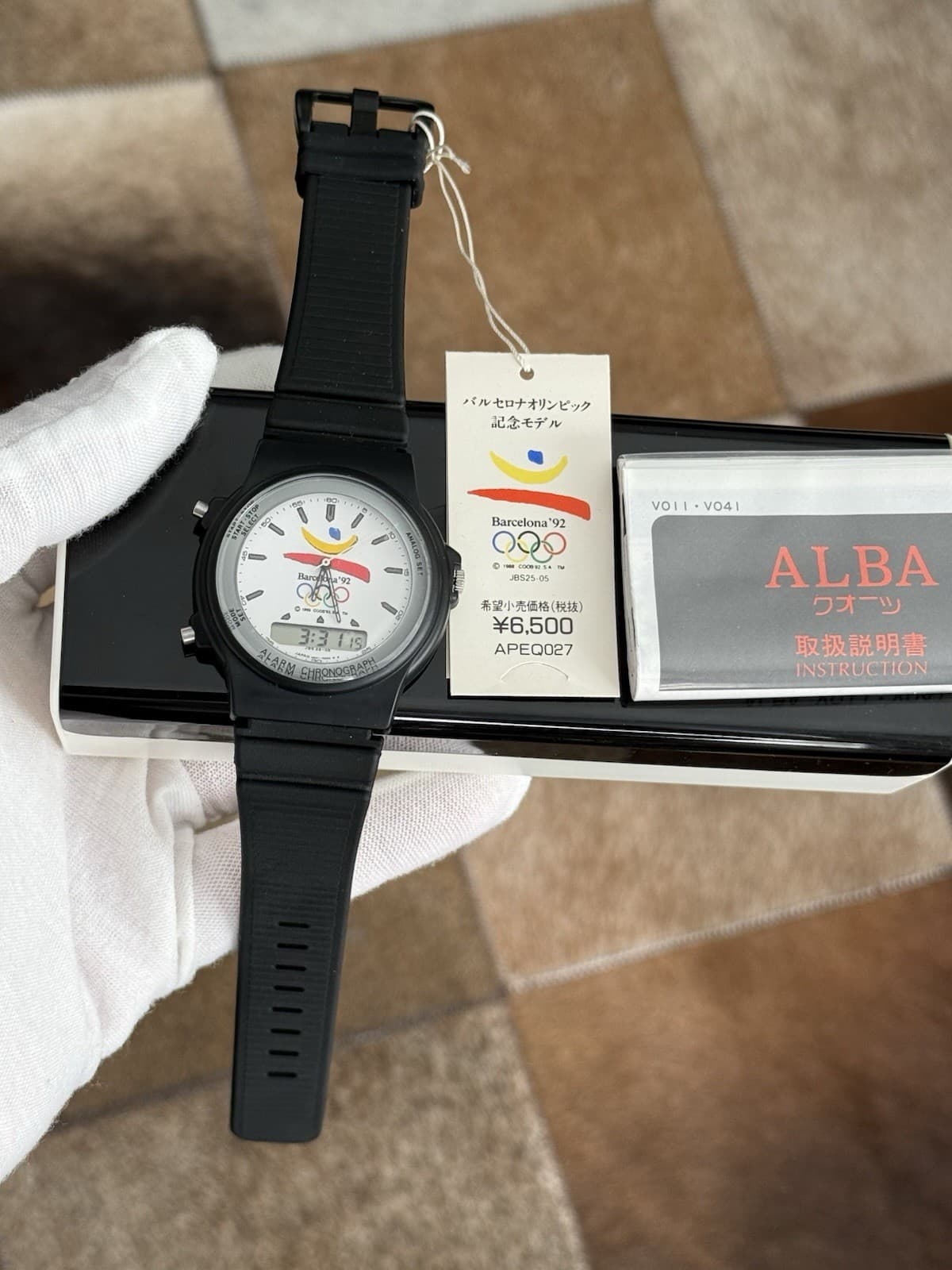
NOS Rare Vintage Alba Barcelona ’92 Olympics Ana-Digi Sports Watch V041-7000 JDM
DESCRIPTION
► ARCHIVE FILE: VINTAGE WATCHMAKING — BRAND HISTORY
The decades between the 1940s and the 1970s were the high-water mark of mass watchmaking. Factories in Switzerland, Japan, the United States, Germany, and the Soviet Union turned out mechanical watches by the tens of millions, competing on accuracy, durability, and price rather than prestige. A watch was equipment, bought to be worn daily and serviced for decades, and the engineering reflects that: robust movements, serviceable architecture, and case designs driven by use, whether the wearer was a diver, a railway worker, or someone who simply needed to be on time.
That world ended quickly. Seiko's Astron, the first production quartz wristwatch, appeared on Christmas Day 1969, and within a decade quartz had collapsed the price of accuracy. The Swiss industry lost roughly two-thirds of its workforce between 1970 and the mid-1980s, storied American factories closed, and thousands of brands disappeared or consolidated. That upheaval, now called the quartz crisis, is the dividing line of modern horology, and it is why watches from either side of it carry such distinct character: mechanical pieces from before, and the inventive early quartz and digital watches from just after.
For collectors this era is uniquely rewarding. The watches were made in volume, so honest examples still surface at fair prices, yet the craft that went into them is no longer economical to reproduce at those price points. Most mechanical movements of the period can be serviced indefinitely by a competent watchmaker, and early LCD and LED watches are artifacts of the first consumer electronics boom. The things to look for never change: original dials and hands, unpolished cases, and movements that have been maintained rather than merely survived.